


Victorian Iron Rack
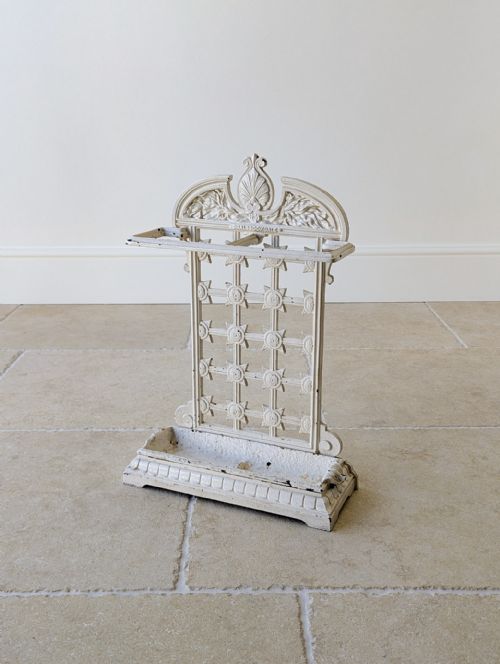
A victorian iron rack brings functional utility and industrial heft to the hallway, offering a sturdy place to store umbrellas, sticks, and pots.
Victorian Iron Rack
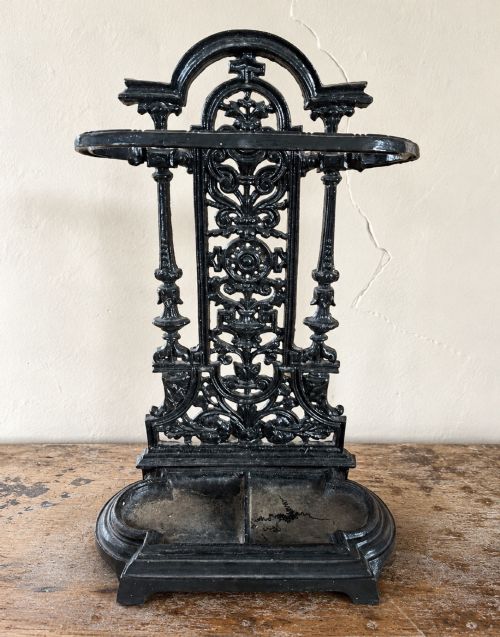
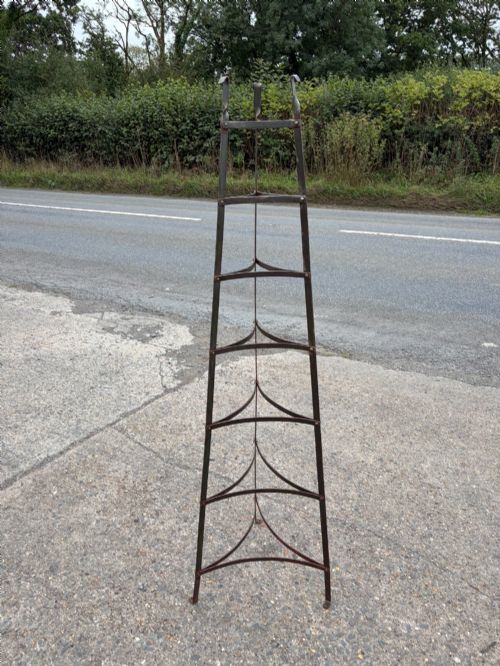
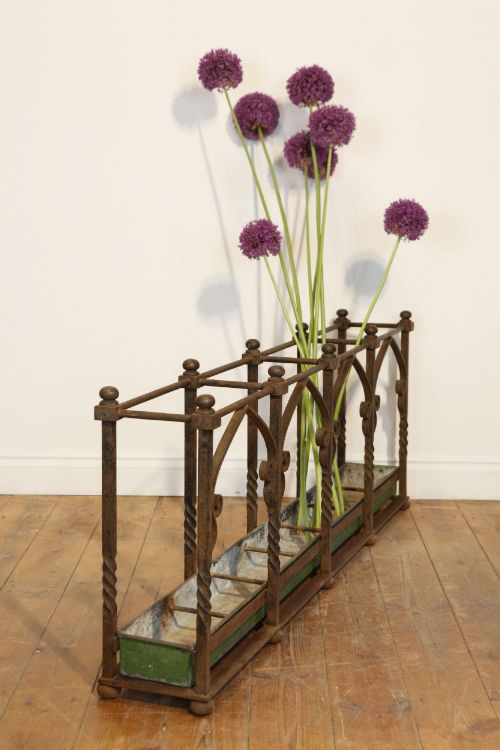
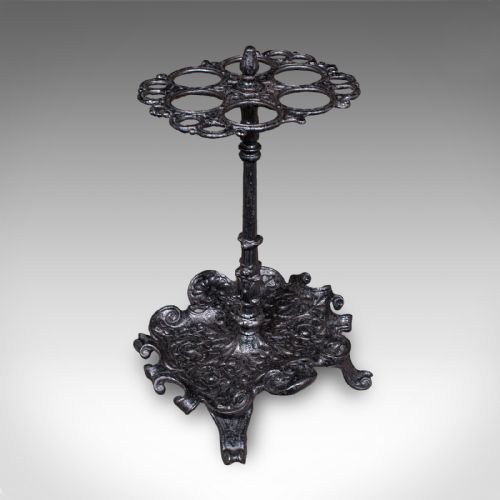
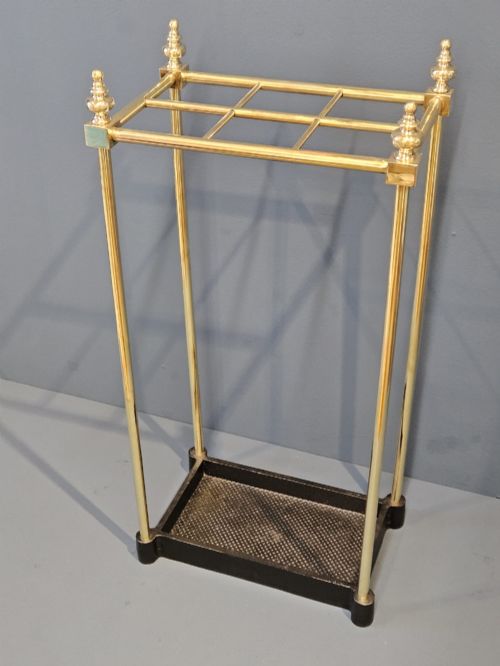
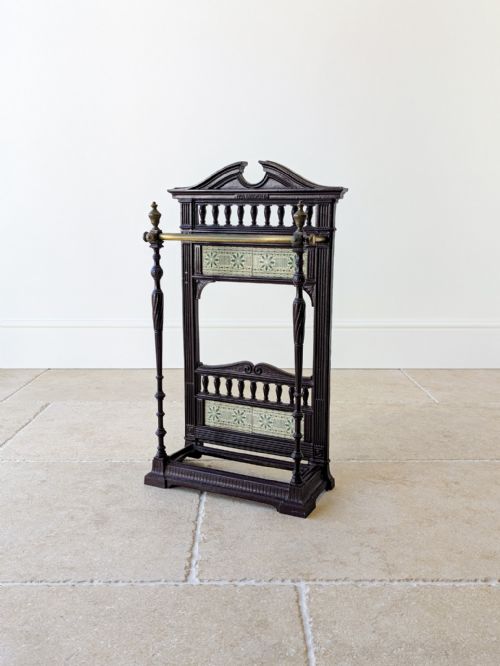
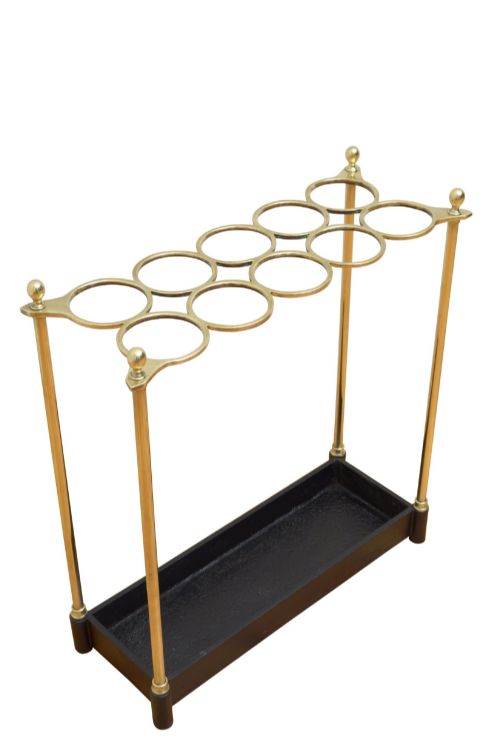
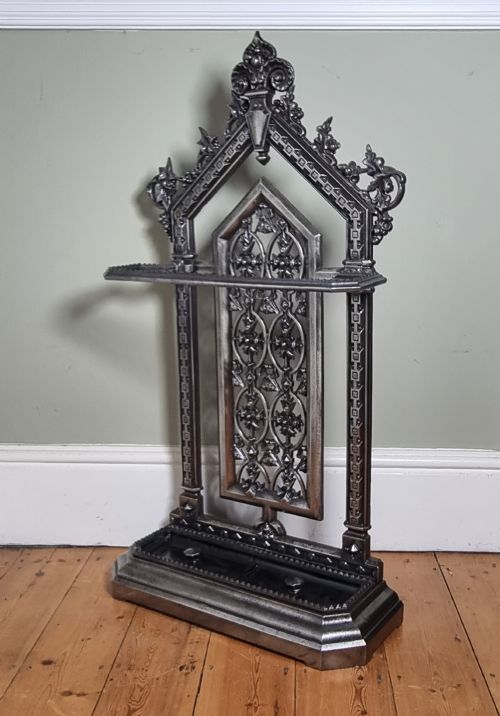
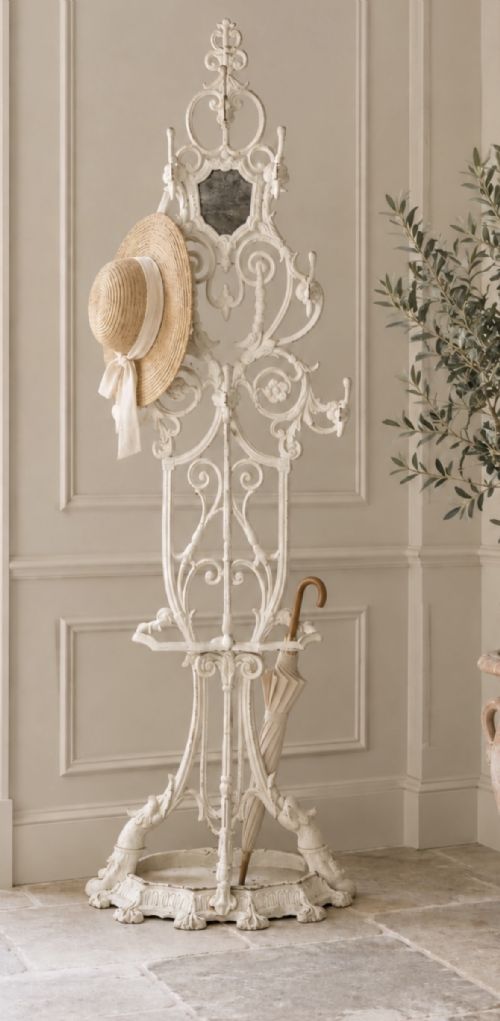
A victorian iron rack comprises heavy metal umbrella stands, stick holders, and multi-tiered kitchen pan racks designed for nineteenth-century homes and commercial kitchens. These pieces appear frequently as hall stands and umbrella loops, combining structural rigidity with ornate surface decoration.
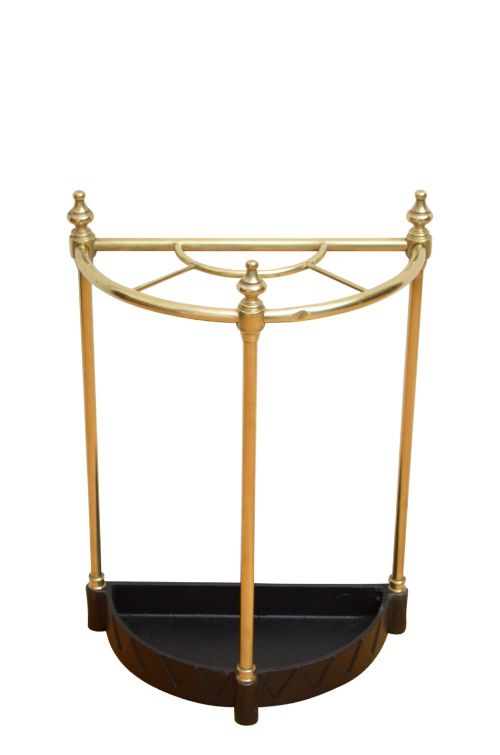
Makers and foundries cast these items in robust iron, often pairing the heavy bases with brass frames, drip trays, or secondary materials like mahogany and glass. While some examples serve the utilitarian purpose of holding walking gear or heavy cookware, others function as decorative furniture in reception areas.
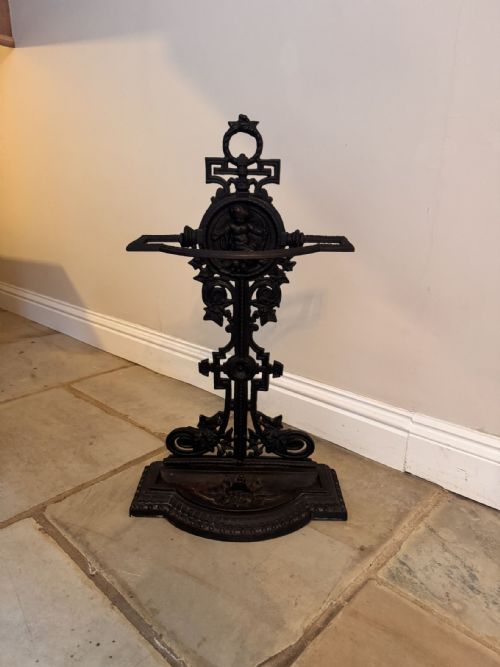
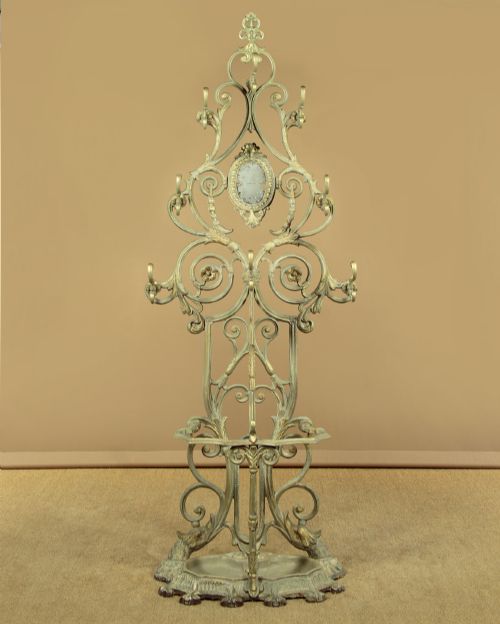
The selection ranges from simple nineteenth-century kitchen pot racks to elaborate, decorated hall pieces featuring scroll-work and figural motifs. Most items date from the Victorian and Edwardian periods, reflecting an era of industrial expansion and decorative metalwork.
Materials and Manufacture
Foundries utilised cast iron and wrought iron as the primary structural materials, pouring molten metal into detailed moulds to achieve intricate scroll-work and rigid frames. Iron components often received a coat of paint or enamel to protect against moisture from wet umbrellas and heavy cookware.
Many designs incorporate brass for decorative finials, rods, and trim, creating a visual contrast against the dark, heavy iron base. Secondary materials such as pitch pine, mahogany, and glass appear in specific forms like country house hall stands and baker's racks.
Victorian Iron Rack Retail Price Guide 2026
Typical asking prices for victorian iron rack among the pieces listed under this phrase on Sellingantiques today, from the lower quarter to the upper quarter. They describe what is for sale here now, not the wider market.
Listings feature cast iron, wrought iron, and brass across Victorian, Edwardian, and Aesthetic Movement designs.
Assessing Quality
The sophistication of the casting work separates standard utility items from superior examples produced by notable foundries. Crisp details in figural elements, clean edges on scroll-work, and clear registry marks indicate higher craftsmanship.
Structural integrity and material combinations influence the standing of a piece within the range. Heavy, stable cast iron bases combined with intact brass framing and original drip trays represent the upper tier of construction.
Coalbrookdale·Falkirk Ironworks·A. Kenrick & Sons
The Victorian Iron Rack Glossary
- Cast Iron
- Iron shaped by pouring molten metal into a mould. This heavy material allows for detailed decorative patterns and provides essential stability for tall umbrella stands.
- Wrought Iron
- Iron worked by heating and hammering rather than casting. This technique creates tough, fibrous structures suitable for functional utility racks.
- Demi Lune
- A half-moon shape used for umbrella and stick stands designed to sit flush against a hallway wall. This space-saving form appears frequently in brass and iron configurations.
- Aesthetic Movement
- A late nineteenth-century design style emphasising visual beauty over narrative meaning. Pieces from this movement often feature stylised plant motifs and refined geometric forms.
Victorian Iron Rack: Frequently Asked Questions
What is a Victorian iron rack used for?
These racks served practical household functions in the nineteenth century, primarily holding wet umbrellas, walking sticks, or heavy kitchen saucepans.
In modern spaces, they continue to function as hallway storage or kitchen display units while adding industrial character.
Where were these iron racks placed?
Hall stands and umbrella holders typically stood in reception halls or cloakrooms to catch water and mud from outside gear.
Pan and bakery racks found their place in large country house kitchens or commercial food preparation areas.
How do I care for cast iron furniture?
Keep the metal dry and clean away dust using a soft brush or dry cloth to preserve painted or enamelled surfaces.
Avoid harsh chemical cleaners that might strip the historic finish or encourage rusting on exposed iron.