



Victorian Iron Garden Display
Victorian iron garden display pieces bring structural elegance to botanical arrangements, offering sturdy tiered support and classic lines for plants.
Victorian Iron Garden Display
Victorian iron garden display items span a functional range of plant stands, tiered pot stands, column planters, and conservatory tables designed for botanical collections. Buyers exploring this category encounter multi-tiered structures, corner plant stands, and classical garden urns meant for displaying greenery.
The selections recorded on this page lean heavily towards multi-tiered pot stands and cast iron planters originating from the nineteenth century. These forms reflect the era's passion for indoor conservatories, orangeries, and structured garden displays.
Materials and construction methods
The pieces rely primarily on cast iron and wrought iron, forged or moulded into robust frames capable of supporting heavy terracotta pots and damp earth. Structural elements often incorporate painted finishes, wirework, and riveted joints to achieve both rigidity and ornate botanical silhouettes.
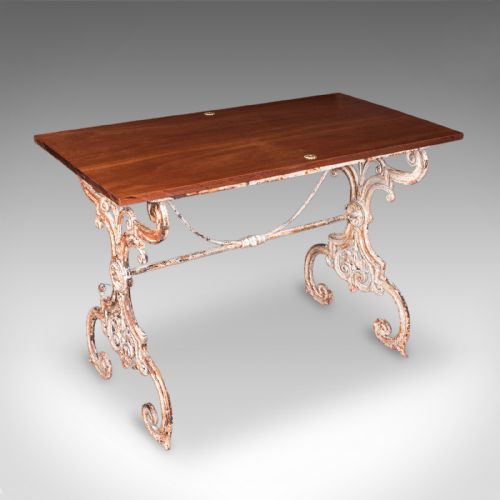
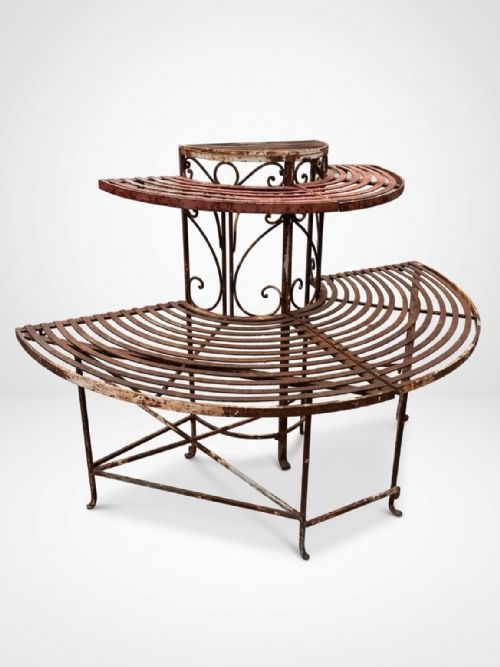
Makers utilised durable metalwork techniques alongside secondary materials such as timber or stone surfaces in specific conservatory tables. The integration of slatted iron, weathered paint, and sturdy columns defines the physical construction of these functional display pieces.
Victorian Iron Garden Display Retail Price Guide 2026
Typical asking prices for victorian iron garden display among the pieces listed under this phrase on Sellingantiques today, from the lower quarter to the upper quarter. They describe what is for sale here now, not the wider market.
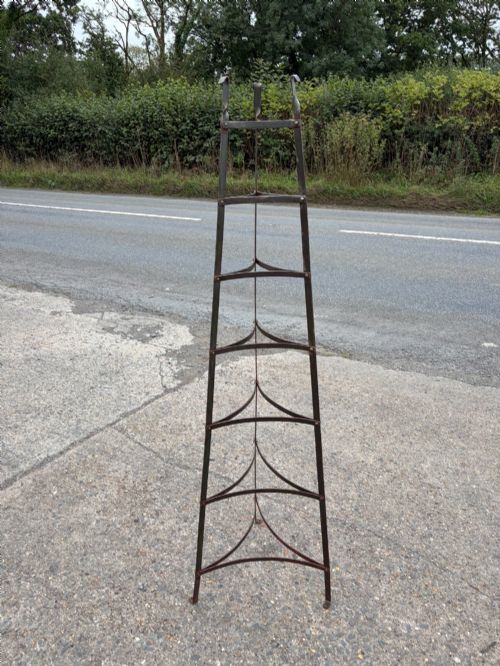
A sturdy three-tier stand was once the quiet stage where Victorian ferns performed their delicate, fronded routines.
Assessing quality and craftsmanship
Superior examples distinguish themselves through crisp casting detail, complex multi-tiered symmetry, and substantial weight in the ironwork. Finer pieces demonstrate careful attention to structural proportion and decorative flourishes like classical urn motifs.
The integrity of the metal, the presence of original or sympathetic painted surfaces, and the complexity of the tier arrangement separate standard utility items from exceptional decorative pieces. Quality rests on the harmony between industrial strength and refined Victorian design.
The Victorian Iron Garden Display Glossary
- Cast iron
- A strong, hard alloy of iron and carbon poured into moulds to create decorative planters and structural stands. This material allowed nineteenth-century founders to produce intricate botanical motifs with reliable load-bearing strength.
- Wrought iron
- Tough, malleable iron beaten or bent into shape by hand, frequently utilised for wirework tiered stands and delicate frames. It provides slender profiles that contrast with heavier cast components.
- Orangery
- A large conservatory or glasshouse designed to protect prized exotic plants and citrus trees during colder months. These structures housed many of the display tables and multi-tiered stands seen in period settings.
- Jardinière
- An ornamental pot or stand designed specifically to hold flowering plants or ferns. These pieces often feature elevated pedestals or tiered platforms to showcase foliage within domestic interiors or conservatories.
Victorian Iron Garden Display: Frequently Asked Questions
What are Victorian iron garden display pieces?
These items are functional metal structures created during the nineteenth century to elevate and organise potted plants, flowers, and garden urns. They include multi-tiered stands, column planters, and conservatory tables.
Designed for both indoor glasshouses and sheltered outdoor garden spaces, they allowed Victorian gardeners to display botanical collections with architectural symmetry and efficiency.
How were these stands used originally?
Victorian households and grand estates utilised these iron stands within conservatories, orangeries, and parlours to maximise display space for potted ferns and flowering exotics. Tiered designs allowed multiple plants to catch the light effectively.
They served as practical staging for heavy planters while adding a decorative focal point to domestic horticultural displays and garden terraces.
How do I live with iron plant stands?
Integrating these pieces into modern spaces involves using them for their original purpose as plant display units, or repurposing them in hallways and living areas for shelving and storage. Their open metalwork keeps rooms feeling light and uncluttered.
Care should be taken to protect sensitive flooring from weathered metal surfaces and historic paint finishes by using appropriate protective pads under the base.
How can I tell the period apart?
Dating relies on observing construction methods, such as riveted joints, wirework complexity, and specific casting characteristics associated with the nineteenth century. The presence of period materials like heavy cast iron or early painted finishes helps confirm the era.
Design styles shift from ornate Victorian neoclassical forms and simple multi-tiered pot stands towards early twentieth-century slatted iron and utilitarian storage racks.