

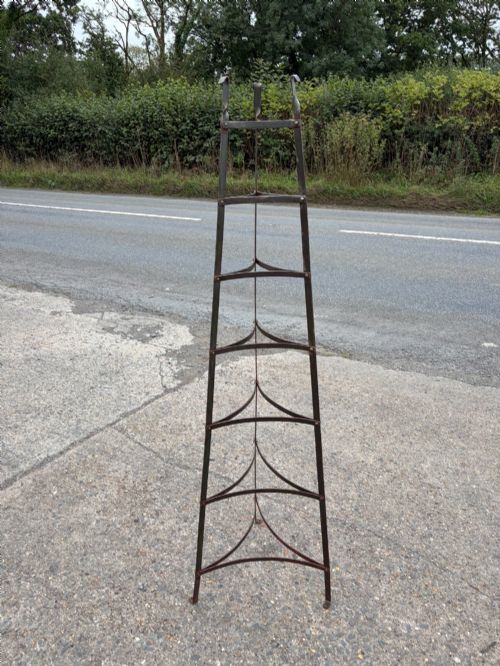
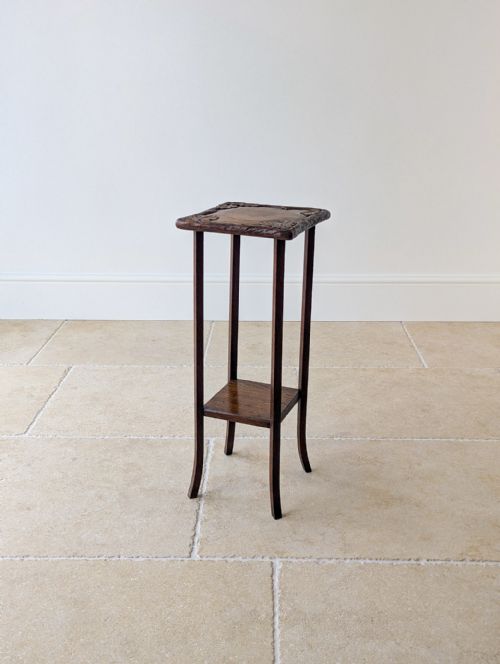


Tiered Planter Display
These tiered planter display pieces bring architectural height to greenery, offering a practical way to arrange pots in a compact footprint.
Tiered Planter Display
A tiered planter display groups multiple pots across ascending levels, creating vertical interest for plants inside the home or out in the garden. These stands appear in forms ranging from simple iron frames to carved wooden tiers, reflecting the diverse tastes of their makers over the decades.
Buyers browsing this selection will most frequently encounter Victorian and Edwardian examples made from cast iron, wrought iron, or oak. The assortment spans multiple decades, including pieces from the nineteenth and twentieth centuries.
Designs on this page range from sturdy wirework and multi-tier pot stands to delicate French Belle Epoque jardinieres and carved hardwood tiers. Each object serves to elevate foliage, turning standard potted plants into a composed display.
How they were made
Makers utilised durable metals such as cast iron and wrought iron to form sturdy frameworks capable of supporting heavy soil-filled pots. Iron stands often feature dark painted finishes or weathered surfaces acquired through decades of exposure.
Woodworking traditions appear in oak and walnut pieces, utilising turned elements like barley twist stems and inlaid details. Some elaborate stands incorporate specialised ceramic pots, such as Royal Worcester inserts held within silver-plated frames.
Tiered Planter Display Retail Price Guide 2026
Typical asking prices for tiered planter display among the pieces listed under this phrase on Sellingantiques today, from the lower quarter to the upper quarter. They describe what is for sale here now, not the wider market.
The listings here include materials ranging from cast iron and oak to silver plate, spanning the Victorian, Edwardian, and Arts and Crafts periods.
What varies in quality
The refinement of the metalwork or woodwork determines the distinction between standard stands and exceptional examples. Finer pieces display carefully cast botanical motifs, precise joinery, or harmonious proportions across their multiple tiers.
Material selection and decorative enrichment also set pieces apart, moving from utilitarian wirework frames to intricately carved Qing Dynasty hardwood or detailed silver plating. The integrity of the structure and the retention of original surface finishes guide the overall character of each stand.
The Tiered Planter Display Glossary
- Tiered planter display
- A multi-level stand designed to hold several flower pots at varying heights. This arrangement saves floor space while improving plant visibility.
- Jardiniere
- An ornamental pot or stand designed specifically to hold plants or flowers. These decorative pieces often feature elaborate metalwork or ceramic components.
- Barley twist
- A woodworking technique where the timber is turned into a spiral resembling a twisted rope. This detail adds movement and traditional character to plant stands.
- Wirework
- Construction using bent and welded metal wire to create lightweight, open-framed structures. Victorian makers favoured this method for garden and conservatory furniture.
- Belle Epoque
- A period of French cultural and artistic refinement spanning the late nineteenth and early twentieth centuries. Pieces from this era often display graceful, decorative lines.
Tiered Planter Display: Frequently Asked Questions
What is a tiered planter display?
A tiered planter display is a multi-level stand built to hold several plant pots at different elevations. These pieces organise greenery vertically to save floor space.
They appear in various materials including iron, oak, and wirework, suiting both interior rooms and sheltered outdoor spaces.
How were these stands used?
Victorian and Edwardian households used these stands to display potted ferns, flowering plants, and decorative jardinieres in reception rooms and conservatories. The ascending levels allowed light to reach each plant.
They also served to bring greenery to corners and window spaces where single pots would lack impact.
How do I care for iron stands?
Iron stands benefit from gentle cleaning with a dry or slightly damp cloth to remove dust without harming the aged surface. Keeping them away from excessive moisture protects painted or weathered finishes.
Placing saucers beneath pots prevents water from sitting directly on the metal tiers.