
Victorian Iron Double Bedstead
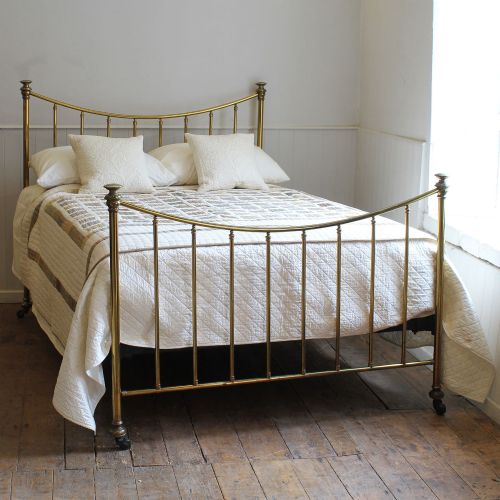
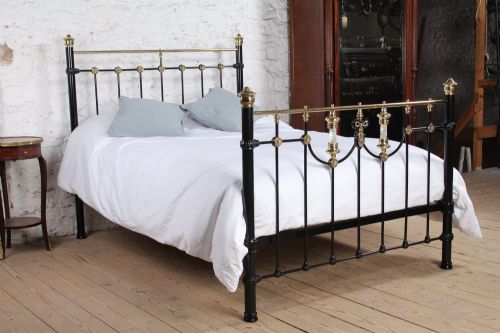
A victorian iron double bedstead grounds a bedroom with industrial heft and polished brass warmth, offering a sturdy frame designed to last generations.
Victorian Iron Double Bedstead
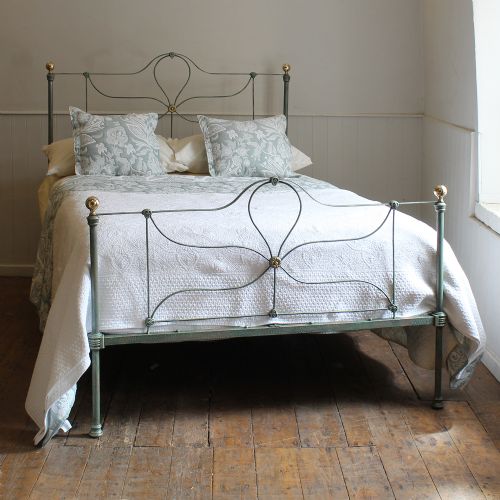
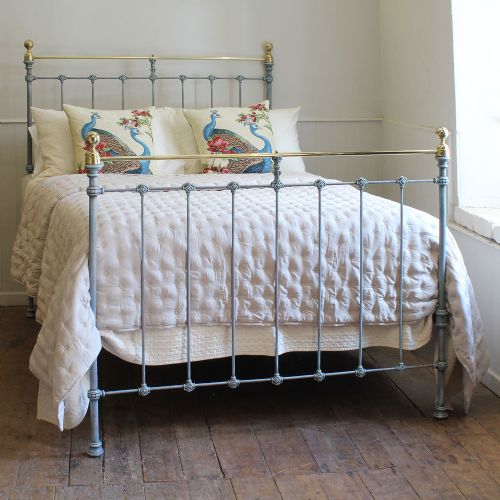
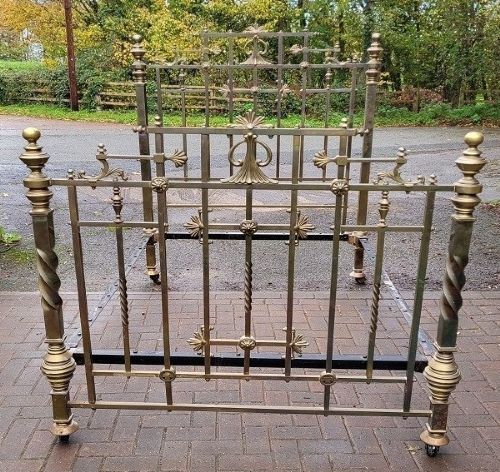
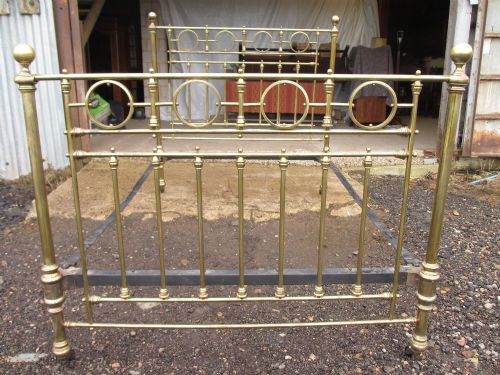
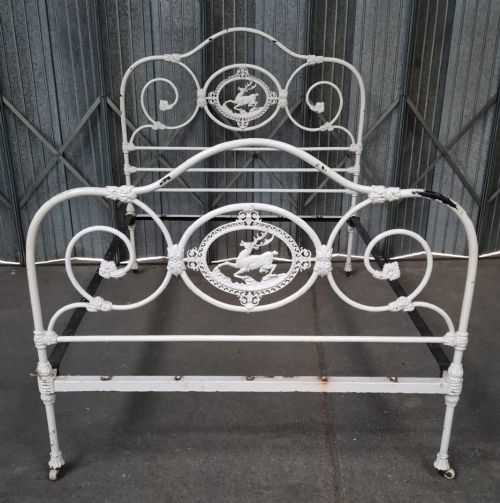
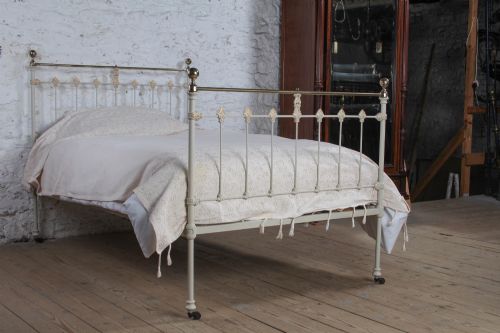
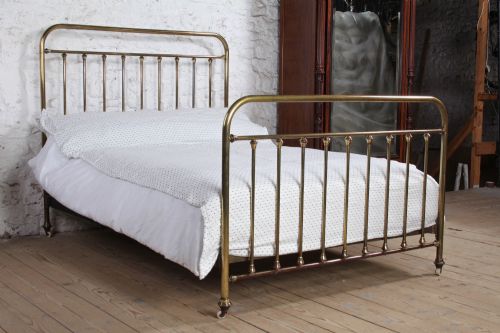
A victorian iron double bedstead combines utilitarian metal framing with decorative metalwork, spanning periods from the mid nineteenth century through to the early twentieth century. You will frequently encounter combinations of cast iron, wrought iron, and polished brass components forming headboards, footboards, and side rails.
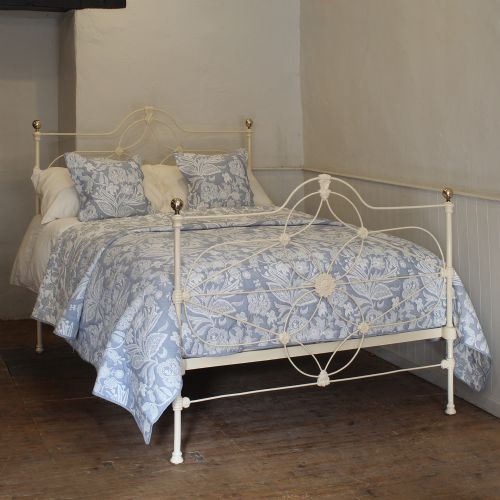
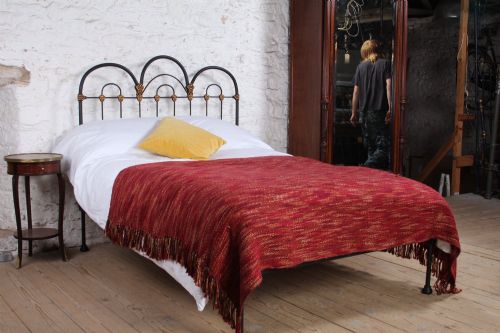
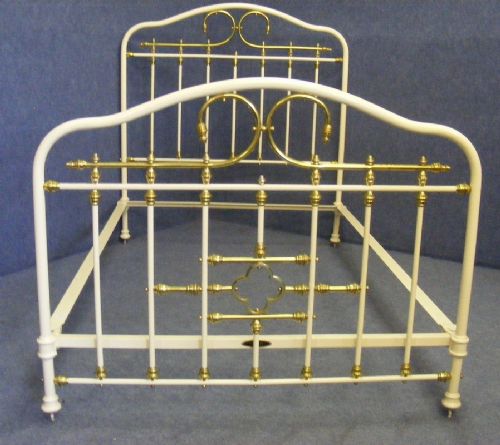
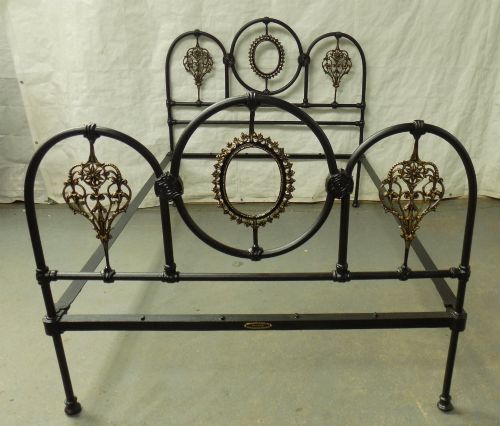
While the standard double size dominates the selection, variations such as small doubles, three-quarter sizes, and king-size formats appear alongside specific design styles like French provincial, Art Nouveau, and Celtic revival. These pieces range from simple, unadorned iron frameworks to ornate, multi-hooped structures complete with castors and painted finishes.
Makers and retailers of the period, including notable firms, produced these frames to serve standard domestic sleeping arrangements while incorporating stylistic flourishes relevant to their decade of manufacture.
Materials and Construction
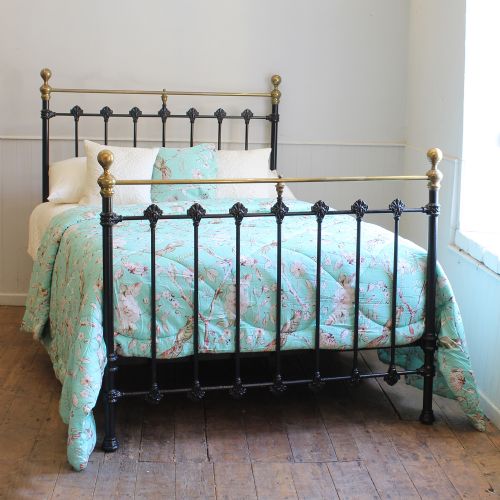
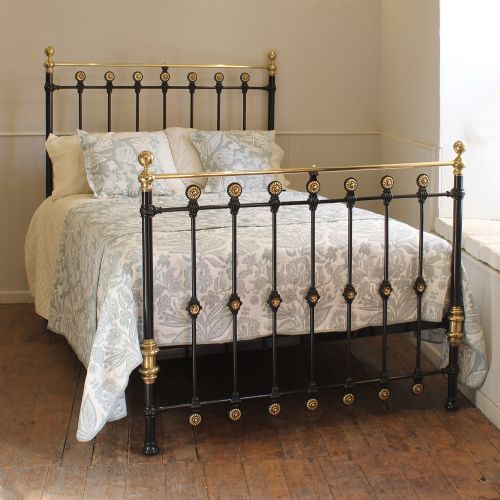
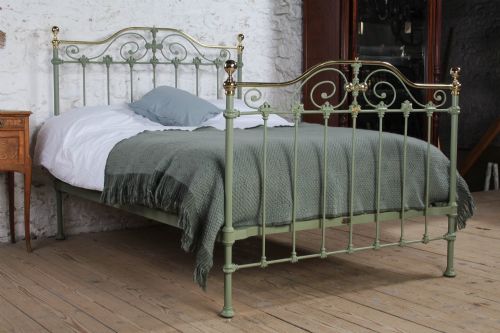
Frames rely primarily on cast iron and wrought iron for structural integrity, often shaped into curly, straight rail, or dip rail configurations using period foundry techniques. Manufacturers integrated brass tubing, spun brass fittings, and occasionally mother of pearl accents to contrast against the dark or painted iron body.
Components were assembled using slot-in iron frames and secured with iron side rails, frequently fitted to castors for ease of movement across floor surfaces. Finishes included plain black paint, white paint, or decorative green treatments applied over the base metal.
Listings feature pieces spanning from the 1860s through to Edwardian times, incorporating cast iron, wrought iron, and brass.
Assessing Quality
Quality rests in the weight and integrity of the metalwork, distinguishing heavy, solid cast iron and robust brass components from lighter, simpler utilitarian frames. Ornate detailing, such as tapered posts, elaborate brass castings, and refined joinery, separates standard production models from exceptional workshop examples.
The completeness of original elements, including matching side rails, functional castors, and intact brass ornamentation, defines the desirability of a given bedstead within the range of available inventory.
Winfield·Maple and Co.
The Victorian Iron Double Bedstead Glossary
- Bedstead
- A framework of a bed supporting the mattress and springs. It usually comprises a headboard, footboard, and side rails.
- Cast Iron
- Iron that has been melted, poured into a mould, and solidified. It provides rigid structural support and intricate decorative detail for Victorian frames.
- Wrought Iron
- Iron that is heated and hammered into shape. This material offers high tensile strength and flexibility for slender scrolls and rails.
- Half Tester
- A bed with a partial canopy extending from the headboard over the upper portion of the bed. It provides a distinct architectural profile.
- Dip Rail
- A headboard or footboard rail that curves downward in the centre. This design element softens the silhouette of the iron frame.
Victorian Iron Double Bedstead: Frequently Asked Questions
Will a modern double mattress fit?
Many Victorian frames were built to nineteenth-century sizing standards, which can vary slightly from contemporary standard double dimensions. It is sensible to check the internal length and width of the side rails before purchasing a modern mattress.
Custom mattress makers can often supply mattresses tailored to historical dimensions if the frame requires a specific size.
How do these beds assemble?
Most iron and brass bedsteads utilise a simple slot-in wedge system where the side rails lock directly into the headboard and footboard brackets. This mechanism requires no complex tools and relies on gravity and the weight of the mattress to keep the structure rigid.
Ensuring the floor is level helps the side rails seat correctly into the corner joints.
How do I care for the brass?
Original brass components develop a natural patina over time that reflects their age and history. Gentle dusting with a dry cloth preserves the surface without stripping away the historical finish.
Avoid harsh chemical metal polishes unless you prefer a bright, reflective shine on unlacquered brass elements.
Can I paint the iron frame?
Many surviving frames retain their original black or coloured painted finishes, while others show traces of subsequent decoration. Preserving the existing surface maintains the authentic character of the piece.
If repainting is necessary to match an interior scheme, stripping back to the bare iron and using an appropriate metal primer ensures a durable finish.