

Victorian Interior Painting
When you search for a Victorian interior painting, you are looking at domestic scenes and quiet rooms preserved in pigment.
Victorian Interior Painting
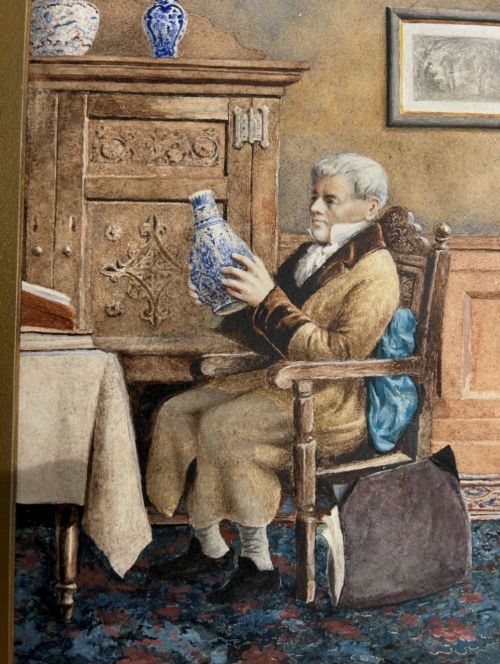
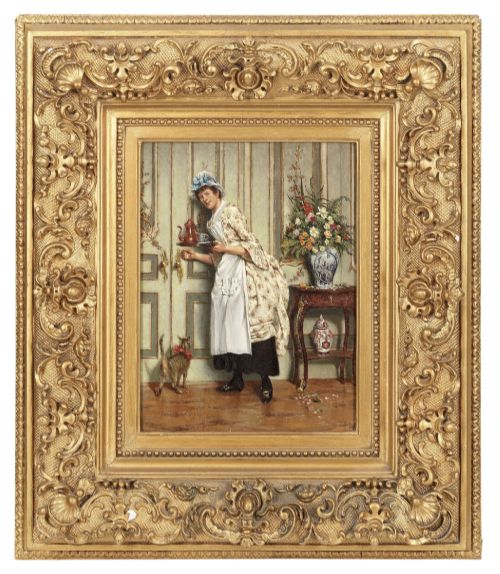
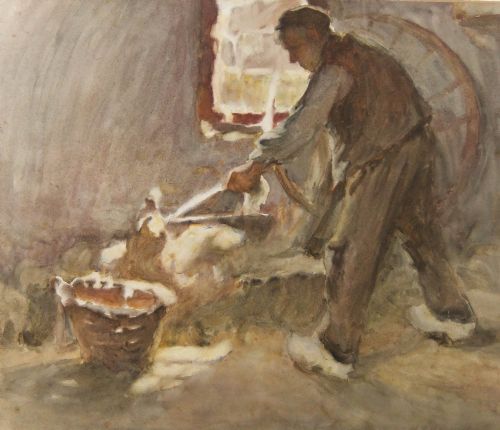
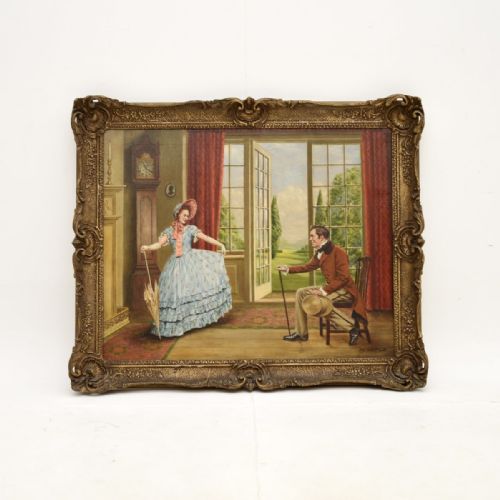
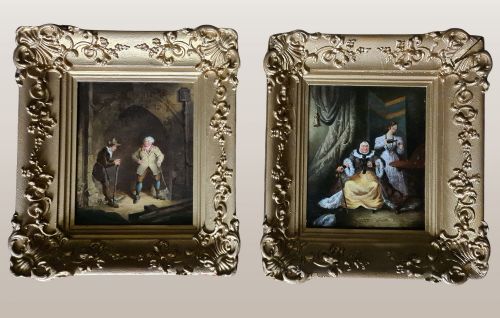
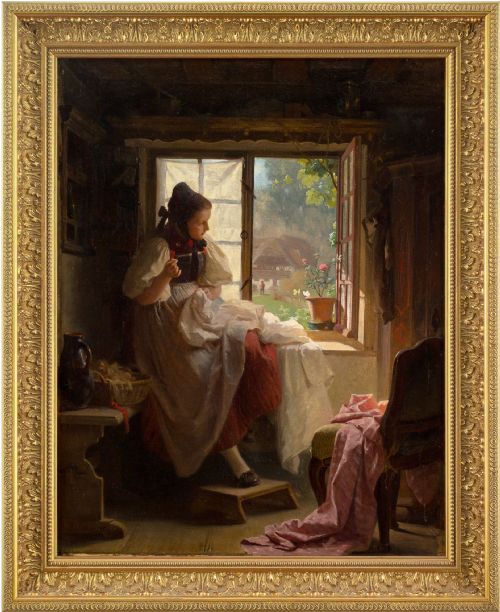
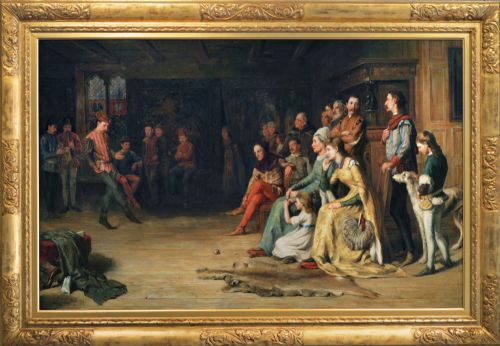
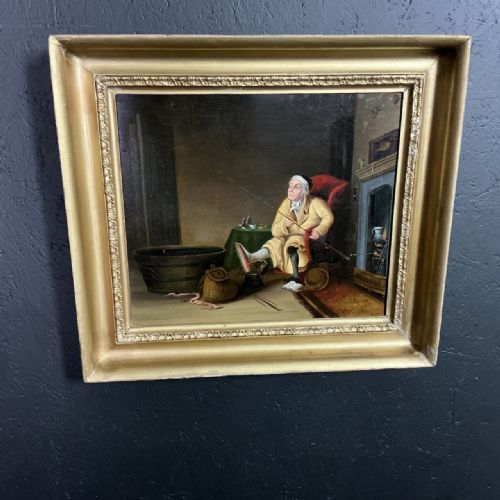
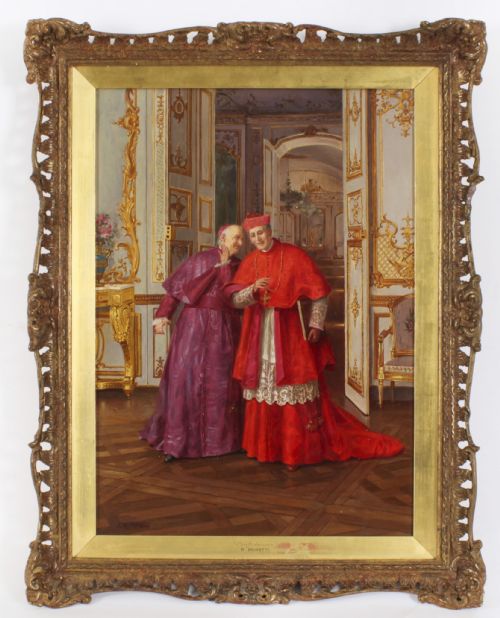
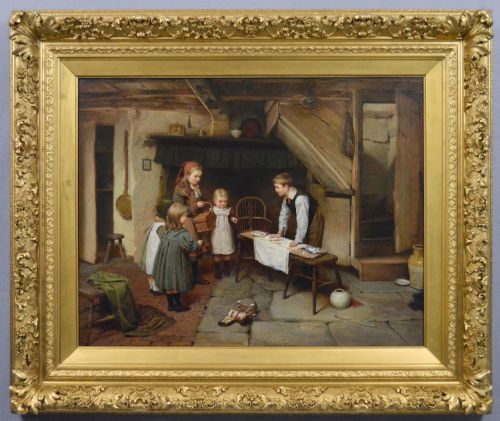
A victorian interior painting captures rooms within country houses, cottages, and grand houses populated by figures engaged in everyday pursuits. The works recorded here show subjects like tea time, fireside gatherings, spinning maids, and children playing.
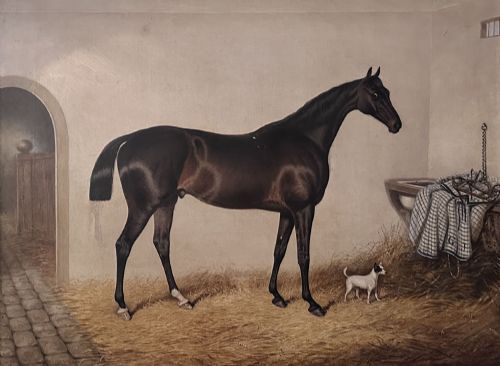
The pieces encompass oil on canvas, oil on panel, and watercolour paintings originating across the nineteenth century. Many belong to genre painting, depicting narrative moments within domestic interiors and stable interiors.
Makers and followers represented include Stephen Samuel Lewin, Max Kaltenmoser, James Hamilton, Harry Brooker, Byam Shaw, Alexander Rosell, John Arthur Lomax, Charles Haigh Wood, Frank Moss Bennett, Haynes King, James Kyd, Edwin Thomas Roberts, Robert Alexander Hillingford, George Smith, Edwin Hughes, and A Barclay.
Canvas, panel, and pigment
The works utilise oil paint or watercolour applied to canvas, panel, or paper supports. Giltwood, gold leaf, and gesso appear on framing elements surrounding the paintings.
Artists handled oil on canvas and oil on panel to build deep interior lighting, rendering fabrics, wooden furniture, and architectural details within domestic rooms.
Victorian Interior Painting Retail Price Guide 2026
Typical asking prices for victorian interior painting among the pieces listed under this phrase on Sellingantiques today, from the lower quarter to the upper quarter. They describe what is for sale here now, not the wider market.
Subjects span domestic scenes, cottage interiors, stable interiors, and horse portraits from Victorian Britain.
Execution and interior detail
Quality rests in the handling of light through windows or fireside glow and the precision with which figures and furnishings are rendered. Stronger compositions balance the human narrative with the surrounding domestic architecture.
The finesse of brushwork on textiles, facial expressions, and objects defines the distinction between standard works and pieces by listed artists.
Henry Stacy Marks·Stephen Samuel Lewin·Henry Silkstone Hopwood·Alfred Lyndon Grace·Max Kaltenmoser·James Hamilton·Harry Brooker·Byam Shaw·George Kilburne·Alexander Rosell·John Arthur Lomax·Albert Clark·John Watkins Chapman·Charles Haigh Wood·Frank Moss Bennett·Haynes King·James Kyd·Edwin Thomas Roberts·Robert Alexander Hillingford·George Smith·Edwin Hughes·William Henry Knight·A Barclay
The Victorian Interior Painting Glossary
- Genre painting
- Depiction of aspects of everyday life by subjects depicted in natural settings. These scenes often tell a domestic story.
- Oil on canvas
- Pigment suspended in drying oil applied to a woven fabric support. This was the primary medium for nineteenth-century easel paintings.
- Watercolour
- Paint consisting of colour pigment suspended in a water-based solution. It was frequently used on paper for detailed interior studies.
- Giltwood
- Wood carved and covered with thin gold leaf or metal powder. It is commonly found on nineteenth-century frames.
Victorian Interior Painting: Frequently Asked Questions
What subjects appear in these paintings?
These works depict domestic scenes within nineteenth-century homes, cottages, and stables. Common subjects include tea time, family gatherings, and figures at work or leisure by a fireside.
The compositions focus on interior architecture, furnishings, and human interaction captured by period artists.
How do I care for an oil painting?
Keep the artwork away from direct sunlight and sudden shifts in temperature or humidity. Displaying pieces in stable indoor environments protects both the canvas and the giltwood frame.
Dust the surface gently with a soft, dry brush without applying moisture or cleaning solutions.
Are these paintings signed by the artist?
Many works bear signatures or inscriptions from the original nineteenth-century painters. Attribution is often confirmed through records, exhibition history, or stylistic markers.
Some pieces remain attributed to followers or specific manners of known artists when signatures are absent.
What framing comes with these artworks?
Many pieces are housed in period frames featuring giltwood, gold leaf, and gesso ornamentation. These surrounds match the nineteenth-century origins of the paintings.
Frames often show decorative mouldings that complement the domestic scene depicted within the canvas.