
Victorian Inlay Occasional Table
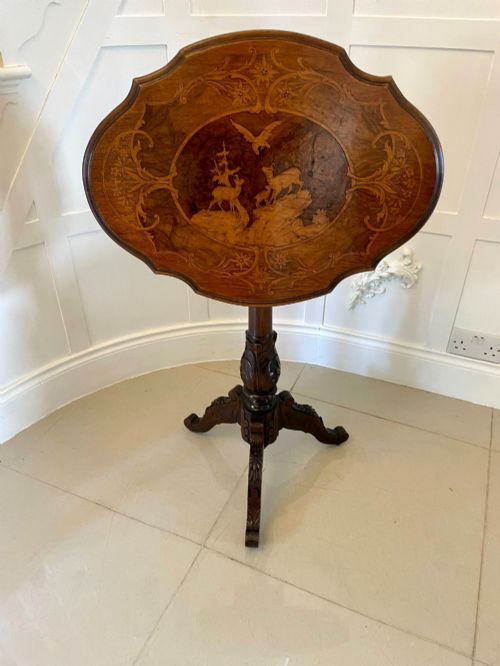
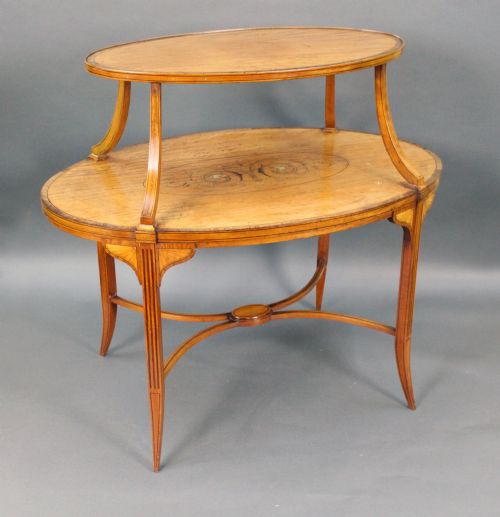
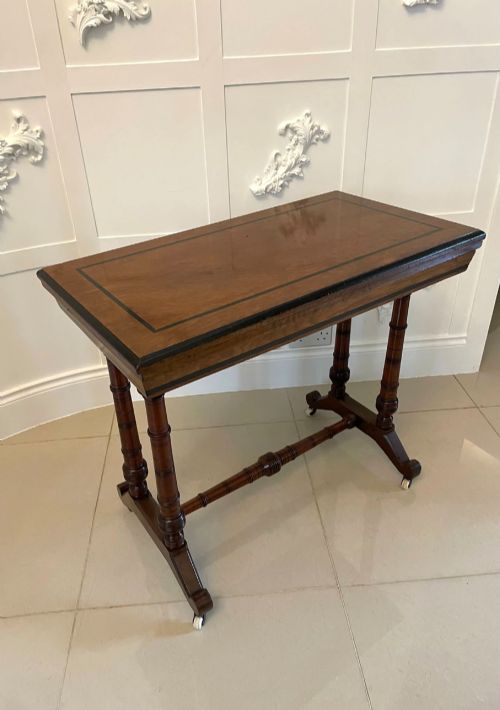
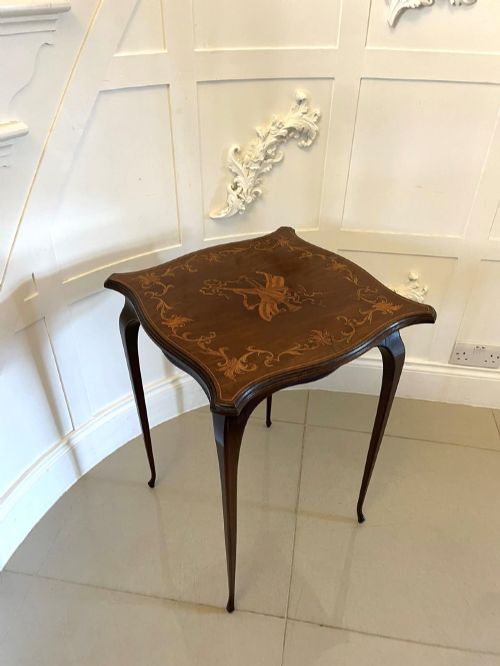
These Victorian inlay occasional tables bring surface artistry and portable utility together, offering compact display space enriched by varied timber marquetry.
Victorian Inlay Occasional Table
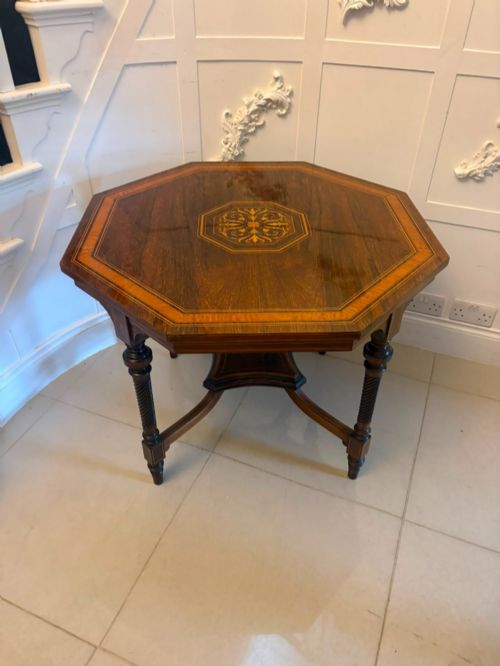
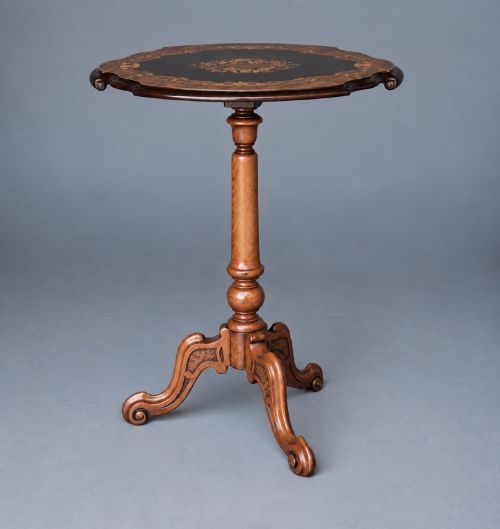
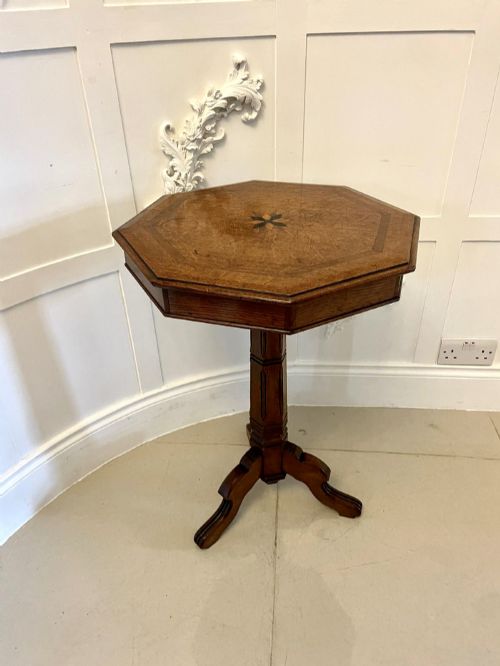
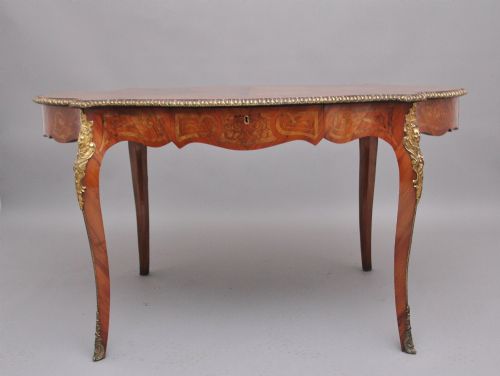
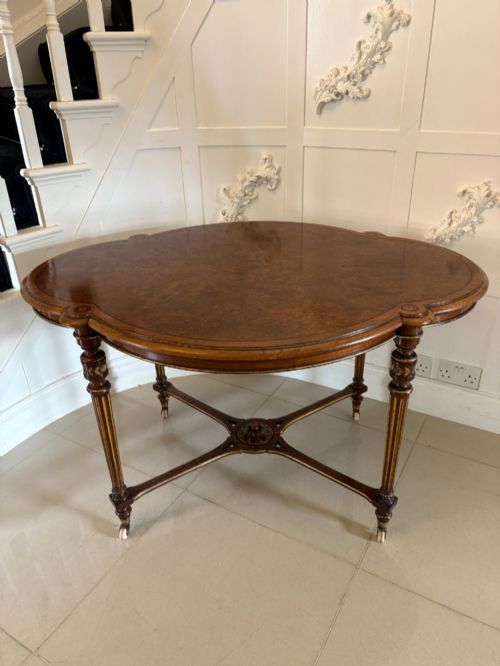
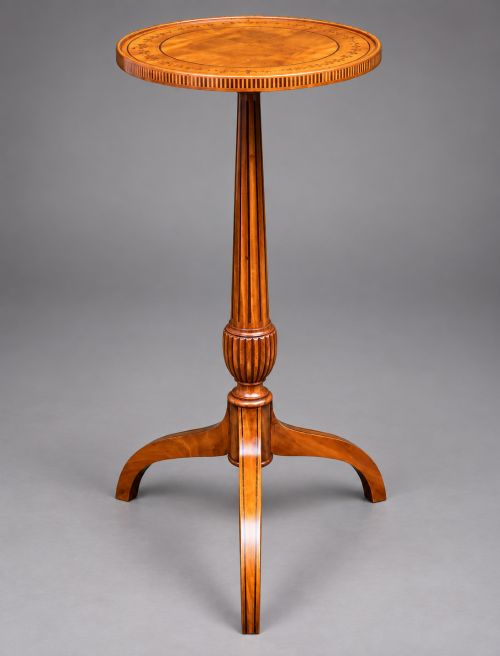
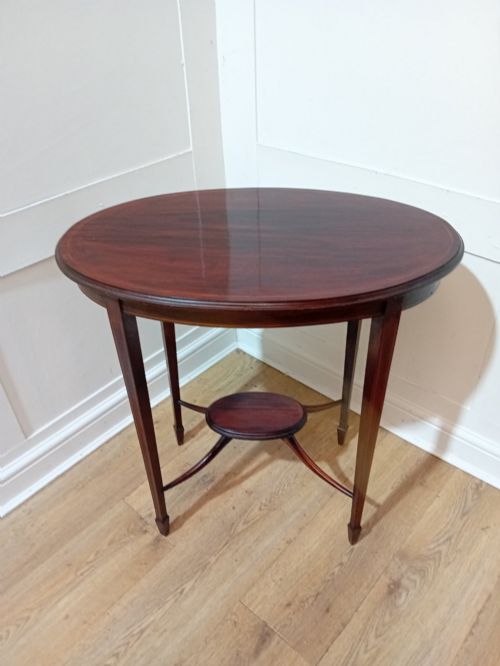
A victorian inlay occasional table serves as a decorative, movable surface designed for lamps, books, or display within nineteenth-century interiors. These pieces appear in forms ranging from round lamp tables and oval shapes to games tables, kidney-shaped side tables, and octagonal occasional tables.
The selection includes specific regional and revival styles, reflecting Victorian taste for diverse aesthetics. Alongside standard walnut and rosewood models, pieces draw on Sheraton Revival, Louis XV Revival, Italian Sorrento, and Anglo-Indian traditions.
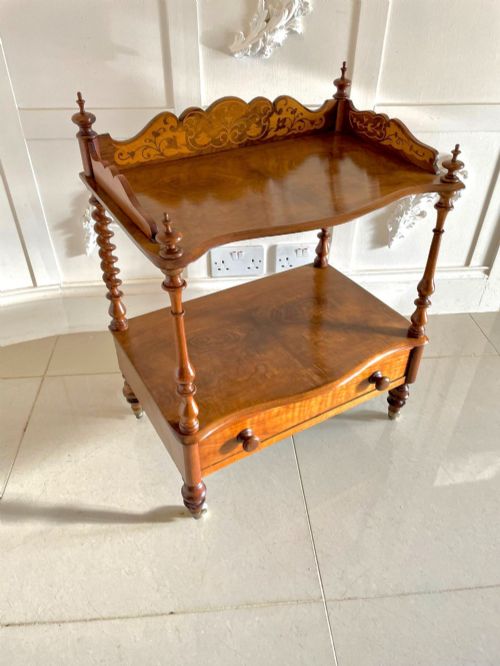
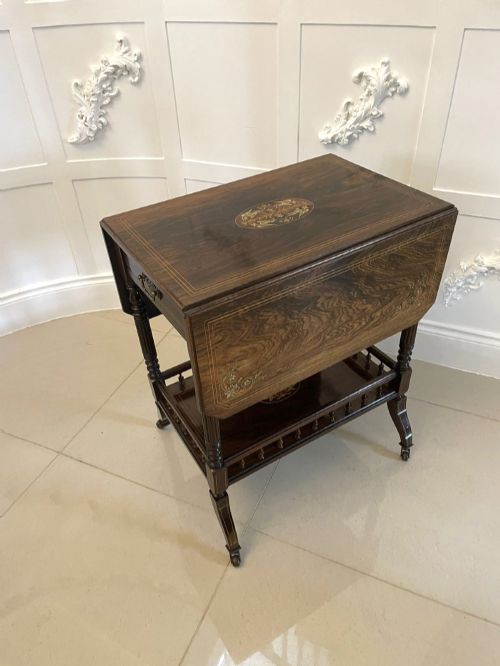
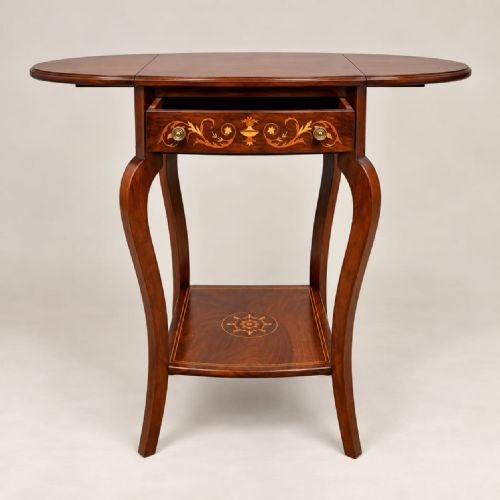
Makers and workshops of the period utilised distinct regional construction methods, producing both pedestal formats and four-legged tables with drop leaves or drawers.
How they were made
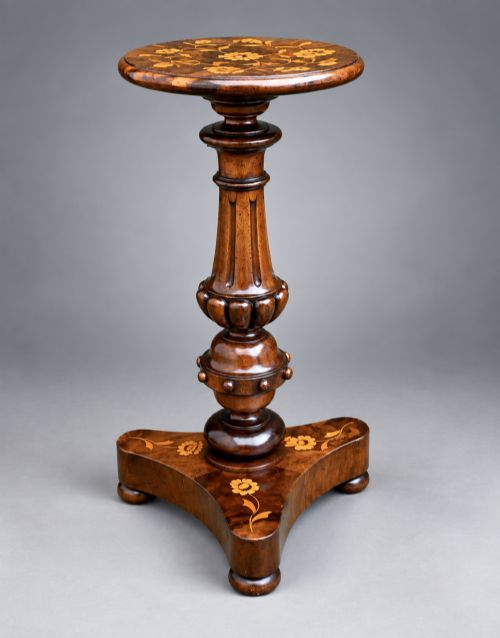
Cabinetmakers constructed the structural carcasses of these tables using solid timbers like mahogany, walnut, and ebonised wood, often applying figured veneers such as burr walnut, rosewood, or satinwood across the top surfaces. Marquetry and parquetry patterns were then meticulously cut and fitted into recessed channels.
Surface decoration frequently incorporated contrasting light and dark woods, supplemented in specific revival and regional styles by bone inlay, brass, white metal, and copper wire work. This combination of timber selection and inlay technique defined the visual richness of each table.
Materials span walnut, rosewood, burr walnut, satinwood, mahogany, brass, ormolu, copper, and bone inlay.
What varies in quality
The distinction between standard production and top-tier pieces rests upon the precision of the timber selection and the complexity of the marquetry. Superior tables display seamless execution of intricate pictorial or geometric wood inlay without visible gaps or excessive filler.
Construction integrity also separates grades, visible in the stability of pedestal bases, the crispness of carved details on legs or friezes, and the use of substantial secondary timbers within drawers or internal framing.
JAS Shoolbred·Gillows·Liberty & Co·Anton Seuffert
The Victorian Inlay Occasional Table Glossary
- Marquetry
- Decorative veneer work arranged in pictorial or floral patterns across a surface. It differs from parquetry through its use of curved and figurative motifs rather than strict geometric tiles.
- Parquetry
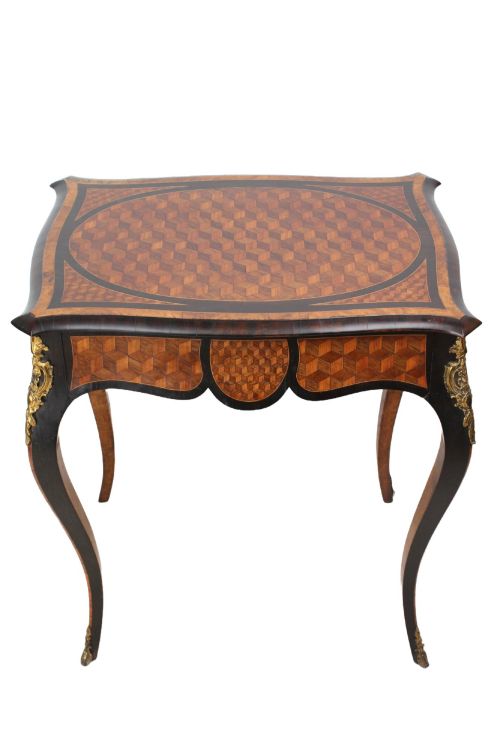
- Geometric wood inlay forming repeating patterns such as cubes or chequers. This technique provides durable surface decoration on table tops and chess boards.
- Burr walnut
- Timber taken from a tree growth deformity, producing swirling, highly figured grain patterns. Cabinetmakers prized this material for high-status table tops.
- Occasional table
- A small, movable table intended for flexible use around a room. These formats include lamp tables, wine stands, and Sutherland tables.
- Satinwood
- A lustrous, yellowish timber utilised for fine inlay and banding on late nineteenth-century furniture. It contrasts sharply with darker woods like rosewood and mahogany.
Victorian Inlay Occasional Table: Frequently Asked Questions
What rooms suit a Victorian inlaid table?
These compact tables function well beside seating areas as lamp or side tables, or stand independently in hallways and drawing rooms as display surfaces.
Their varied footprints, from octagonal to round and oval formats, allow them to fit easily into smaller residential spaces without overwhelming the room.
How do I care for antique veneer?
Protect delicate wood surfaces by keeping tables away from direct heat sources and strong sunlight, which cause timber to dry and veneers to lift.
Apply a gentle furniture wax occasionally to nourish the wood and maintain the natural lustre of the polish.
What is the difference between marquetry and parquetry?
Marquetry involves arranging wood veneers into pictorial, floral, or curvilinear scenes across the table top. This method creates detailed artistic compositions using contrasting natural grain colours.
Parquetry relies on geometric arrangements, such as cubes, diamonds, or chequerboards, creating repeating mathematical patterns across the surface.
How can I identify an Anglo-Indian table?
Anglo-Indian tables, particularly those from Hoshiarpur, feature dense overall surface carving combined with intricate bone or light wood inlay. They are frequently built in an octagonal format using native timbers.
Some examples carry stamps or attribution linking them to retailers such as Liberty and Co, who imported these pieces during the late nineteenth century.