




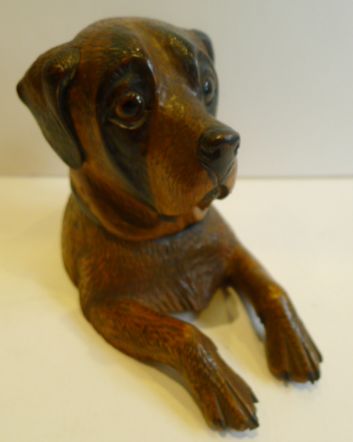


Victorian Inkpot
A victorian inkpot is a desk accessory designed to hold liquid ink, prized by collectors for period craftsmanship and variety in materials.
Victorian Inkpot
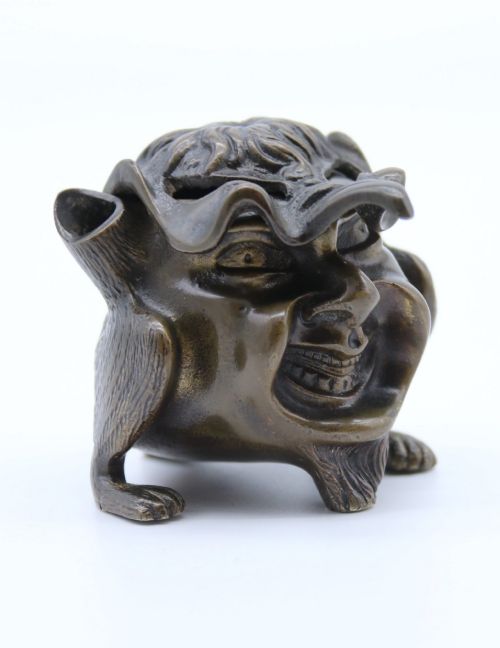
The selection includes practical desk apparatus alongside novelty designs modelled as animals, birds, and theatrical figures. Materials vary widely across the inventory, reflecting the diverse manufacturing techniques of the period.
How they were made
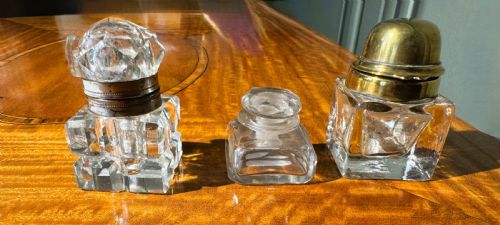
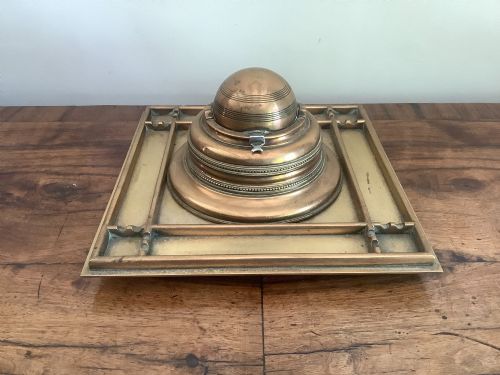
Makers utilised a combination of metals, glass, and ceramic to construct these items, often mounting glass ink pots into brass, bronze, or silver plated bases. Cut glass and porcelain provide the inner reservoirs, while bronze, brass, or ormolu form the structural stands and decorative mounts.
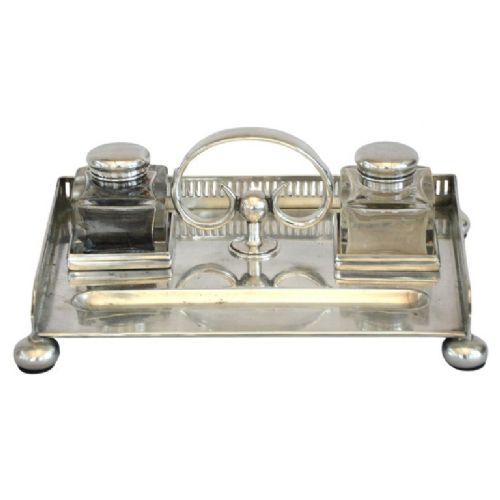
Novelty pieces incorporate carved wood in the Black Forest style or cast metal modelled into specific animal shapes with glass eyes. Silver plating and sterling silver serve as standard finishes for refined desk stands intended for formal writing desks.
Victorian Inkpot Retail Price Guide 2026
Typical asking prices for victorian inkpot among the pieces listed under this phrase on Sellingantiques today, from the lower quarter to the upper quarter. They describe what is for sale here now, not the wider market.
A porcelain rugby ball awaits your desk, proving that nineteenth-century writers took their sports just as seriously as their correspondence.
What varies in quality
The distinction between standard and superior pieces rests on the precision of the casting, the weight of the materials used, and the complexity of the design. Intricately modelled novelty items or heavy cut glass with quality silver mounts represent the upper tier of production.
Simpler glass pots or plain metal stands sit at the accessible end of the range, relying on utility rather than sculptural detail. The presence of matching components, such as original glass liners within metal frames, elevates the integrity of the piece.
Walker And Hall
The Victorian Inkpot Glossary
- Inkstand
- A desk stand holding one or more inkpots alongside accessories like pen rests. These units anchor the traditional writing desk.
- Novelty
- An object shaped to resemble a recognizable figure, animal, or inanimate item rather than a standard geometric container. Novelty inkpots often depict owls, dogs, or human characters.
- Ormolu
- Gilded bronze used for decorative mounts on furniture and desk accessories. This technique creates a rich golden finish on metal components.
- Cut glass
- Glass decorated by cutting facets or patterns into the surface using a wheel. Cut glass ink pots catch the light and provide substantial weight.
Victorian Inkpot: Frequently Asked Questions
What is a victorian inkpot?
A victorian inkpot is a desktop receptacle designed to hold liquid writing ink during the nineteenth century. These items range from utilitarian glass pots to elaborate metal stands.
They served as essential desk accessories before the invention of the fountain pen rendered portable ink supplies common.
How were they used?
These inkpots sat upon writing desks to supply ink for dip pens. Users lifted the lid and dipped the nib directly into the central reservoir.
Larger desk stands often incorporated pen rests and secondary compartments for stamps or wax.
What materials are common?
Common materials include brass, cut glass, porcelain, and silver plate. Makers frequently combined glass reservoirs with metal or ceramic bases.
Some pieces feature carved wood or bronze cast into figural shapes.
Are novelty designs common?
Novelty designs form a distinct category within nineteenth-century desk accessories. Makers sculpted metal or carved wood to resemble animals, birds, and characters.
These whimsical objects were popular for personal use and gifting during the period.