

Victorian Horse Art
Victorian horse art captures the majesty and utility of the animal through oil paintings, prints, and wooden carvings.
Victorian Horse Art
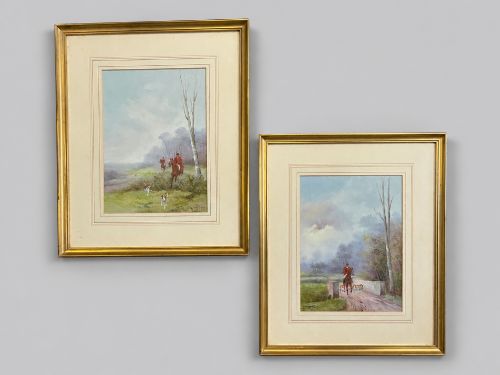
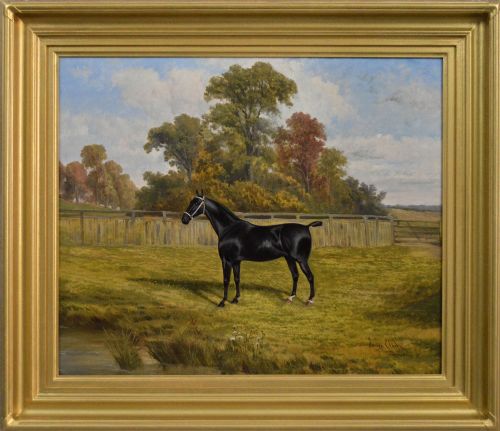
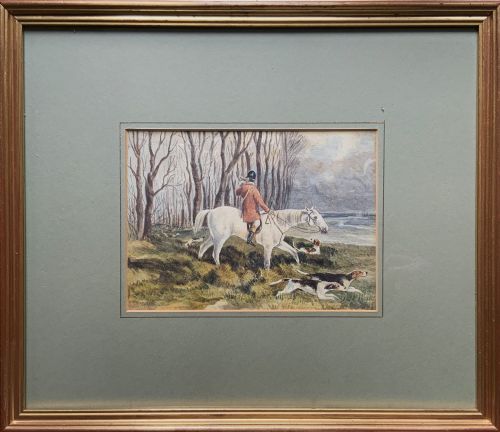
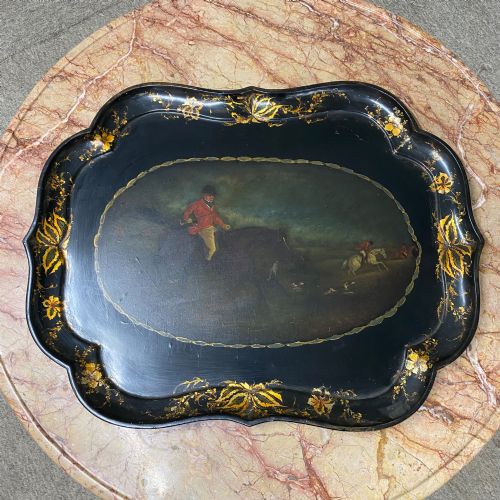
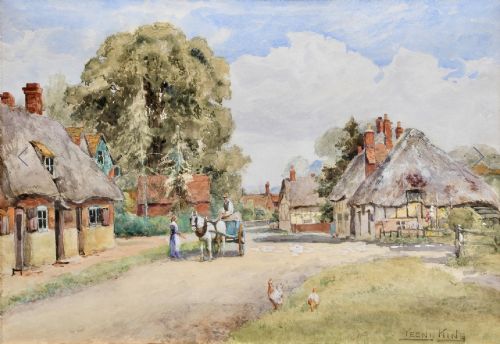
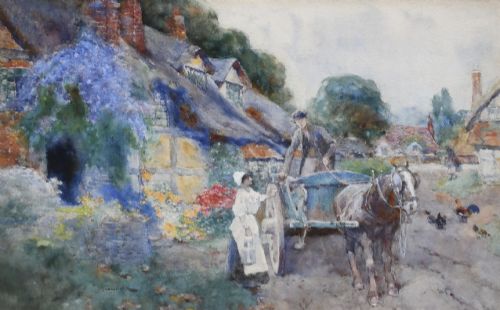
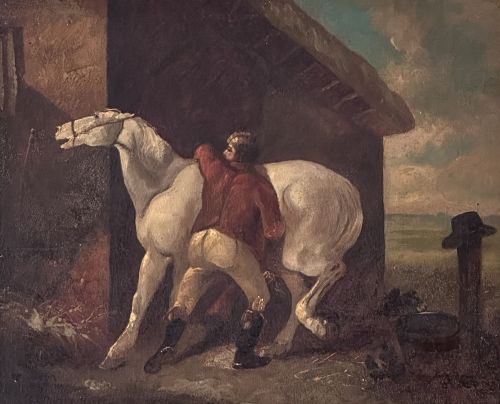
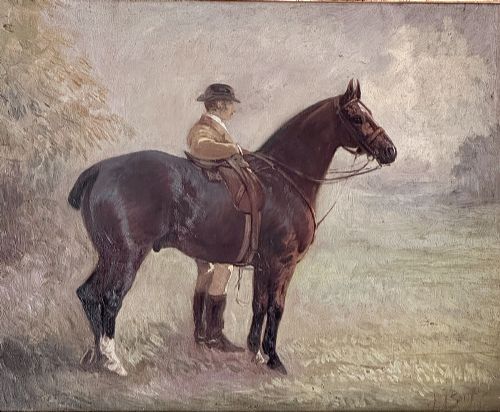
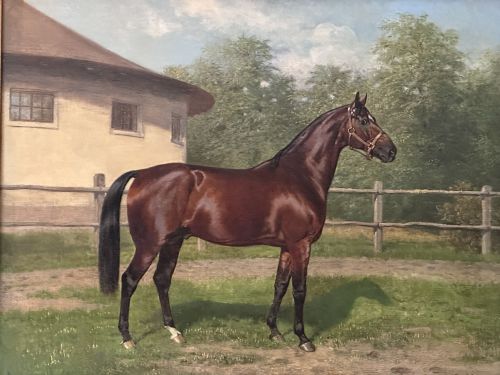
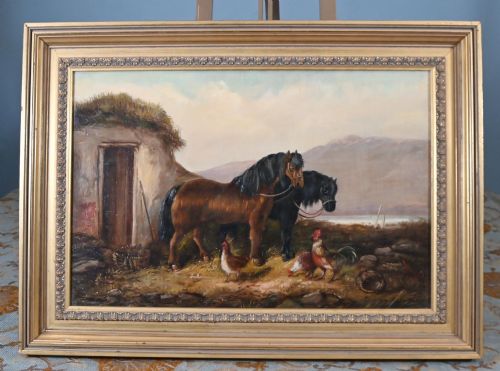
Victorian horse art encompasses oil paintings, watercolours, prints, and carved wooden rocking horses produced during the nineteenth century. These works document hunting scenes, racing events, stable portraits, and military engagements.
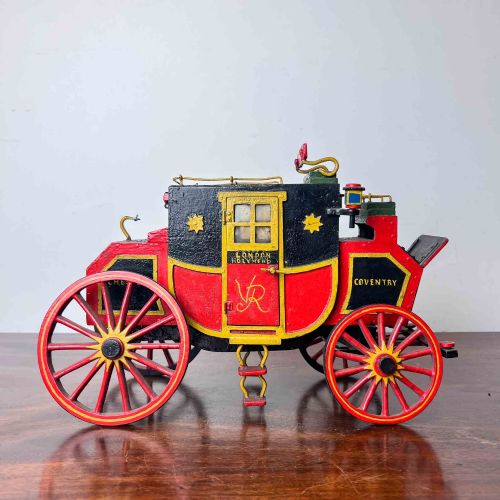
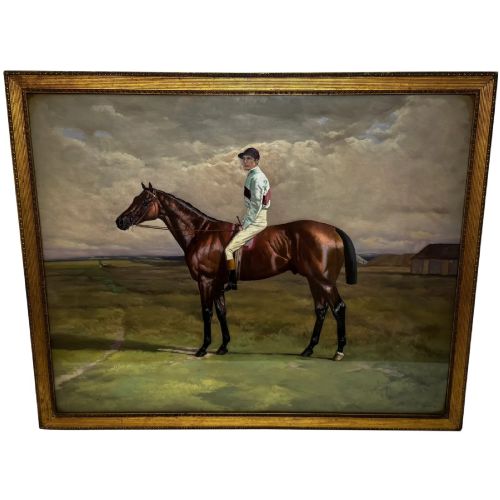
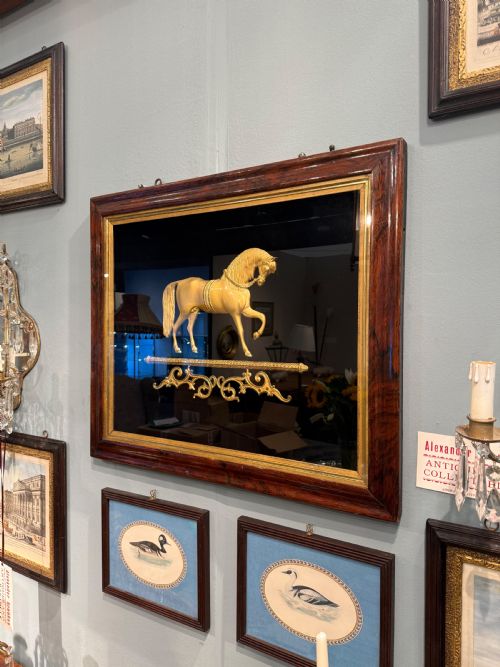
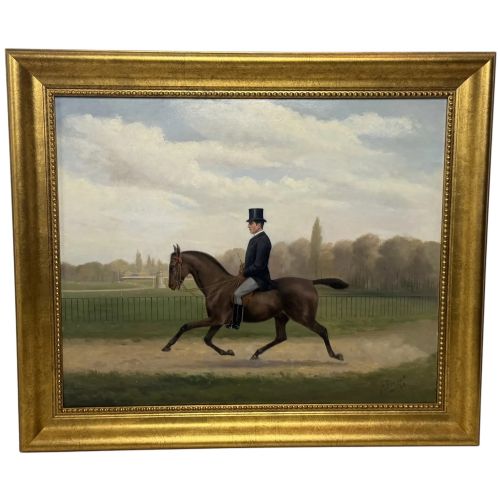
Buyers seeking this phrase most often encounter oil paintings on canvas depicting named hunters and racehorses, alongside framed prints and decorative rocking horses. The subjects reflect the central role of horses in transport, sport, and country life during the period.
Pieces frequently emerge from British sporting traditions, showing horses in landscapes, stables, or coastal paths. The makers range from named equestrian portraitists to folk art carvers.
How they were made
Painters used oil paint on canvas or panel, frequently applying rich glazes to capture the sheen of a horse coat and the play of light in a stable. Giltwood and gesso frames completed these works, often matching the scale of the composition.
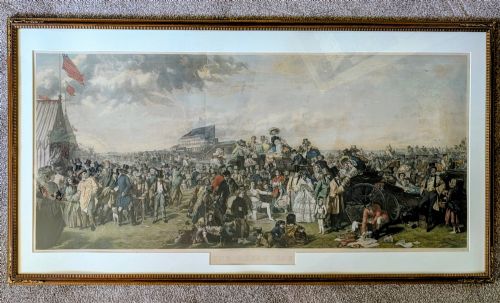
Makers of rocking horses utilised solid wood, shaping bodies with hand tools before mounting them on swing frames or bow rockers. Prints and aquatints relied on engraved plates and lithographic stones to reproduce popular sporting compositions for broader domestic interiors.
Victorian Horse Art Retail Price Guide 2026
Typical asking prices for victorian horse art among the pieces listed under this phrase on Sellingantiques today, from the lower quarter to the upper quarter. They describe what is for sale here now, not the wider market.
Several Victorian horses captured by artists bear wonderfully eccentric names like 'Ferniehurst Frivolous' and 'General Peace'.
What varies in quality
Anatomical accuracy and the rendering of movement separate standard decorative works from accomplished equestrian portraiture. Skilled artists captured the specific conformation, muscle tone, and temperament of individual horses rather than generic forms.
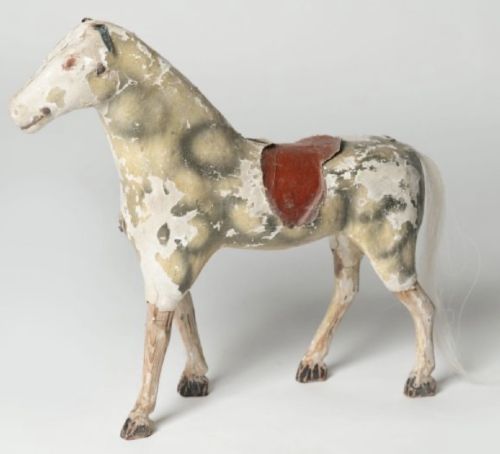
The integrity of the original support, the depth of the oil pigments, and the preservation of period framing determine the overall standing of a piece. Carved wooden horses retain greater interest when retaining their early paint surfaces and original tack.
Charles Bilger Spalding·Henry Barraud·Robert Alexander Hillingford·Edward Charles Williams·William Shayer·William Powell Frith·Thomas Smythe·Albert Clark·Augustin Edouart·George Finch Mason·George Wright·Abraham Cooper·Fred Fitzpatrick·Edward Priestley·John Alfred Wheeler·Edwin Henry Landseer·Thomas Walker Bretland·John Frederick Herring Snr·Albert Ludovici Jnr·Herman S Melville·John Ferneley Senior
The Victorian Horse Art Glossary
- Oil on Canvas
- A traditional painting medium where pigments suspended in oil are applied to stretched fabric. This technique allows for rich colour blending and textured brushwork.
- Gesso
- A plaster-like mixture applied to wood or canvas as a base for gilding or painting. It provides a smooth surface for ornate frame mouldings.
- Aquatint
- A printmaking technique that produces tonal effects resembling watercolour washes. It was widely utilised for reproducing sporting scenes and horse racing prints.
- Lithograph
- A planographic printing process using a stone or metal plate. It enabled the mass production of detailed illustrations and prints during the nineteenth century.
- Giltwood
- Wood carved and coated with gold leaf or metallic powder. It defines the ornate frames typical of nineteenth-century fine art.
Victorian Horse Art: Frequently Asked Questions
What subjects appear in Victorian horse art?
Paintings and prints depict racehorses, hunters in stables, fox hunting parties, and military cavalry horses. Artists also recorded working animals engaged in carriage transport and coastal logging.
Scenes range from individual equine portraits commissioned by owners to crowded race day views at Epsom and Hurlingham.
How do I care for antique oil paintings?
Keep paintings away from direct sunlight and steady domestic humidity levels to prevent canvas slackening and paint cracking. Dust frames gently with a dry, soft cloth without applying cleaning liquids.
Avoid touching the painted surface directly, as natural oils from skin can damage older varnish layers over time.
Were wooden rocking horses used as toys?
Carved wooden rocking horses served as both nursery playthings and decorative furnishings for affluent nineteenth-century homes. Sturdy country house models accommodated active child riders.
Many surviving pieces retain traces of early hide or leather tack, reflecting their dual role as functional toys and sculptural objects.
How do I distinguish prints from original paintings?
Examine the surface texture under magnification to identify brushstrokes versus printed dot patterns or ink lines. Original oil paintings display raised pigment and canvas weave.
Framed lithographs and aquatints sit flat beneath glass, often showing plate marks or printed publishing details near the lower margin.