

Victorian Horology
Victorian horology brings together precision mechanical engineering and domestic art through clocks, pocket watches, and scientific instruments.
Victorian Horology
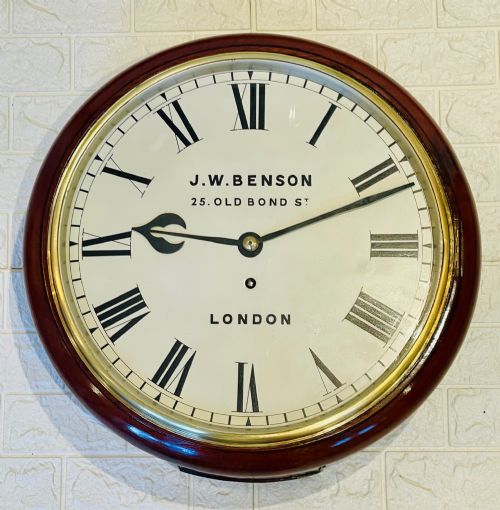
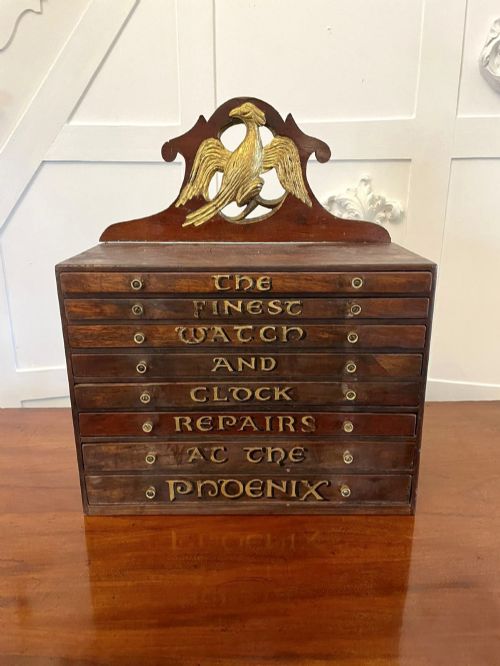
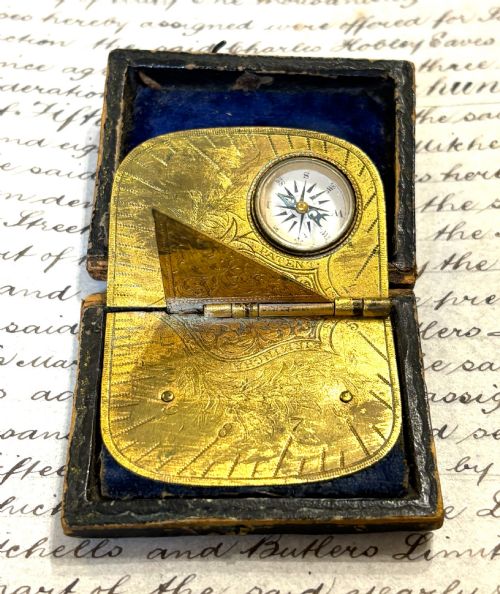
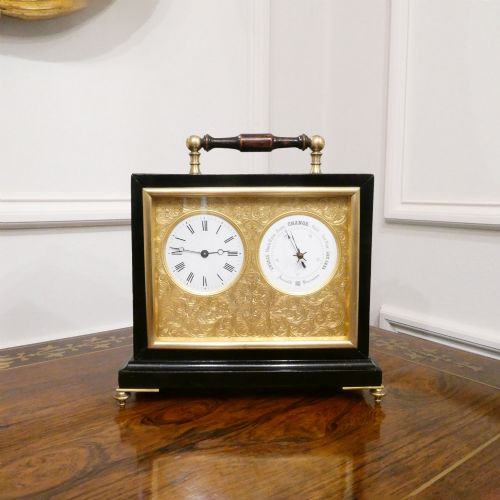
Buyers encounter specialised items such as skeleton clocks, scientific instruments, and watch repairers chests alongside traditional mantel and wall timepieces. These pieces reflect the period fascination with mechanical innovation and reliable timekeeping.
Materials and construction methods
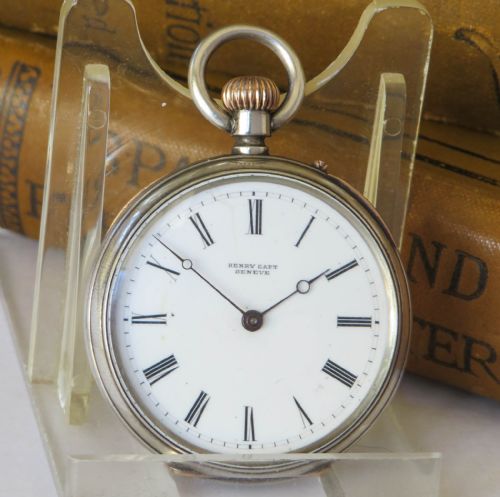
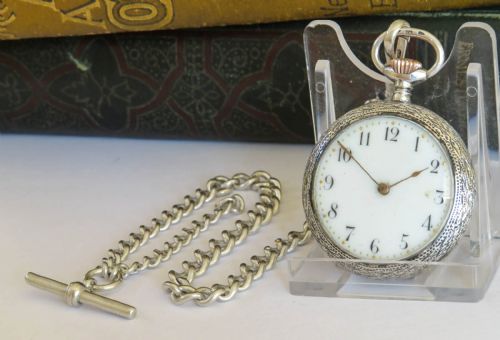
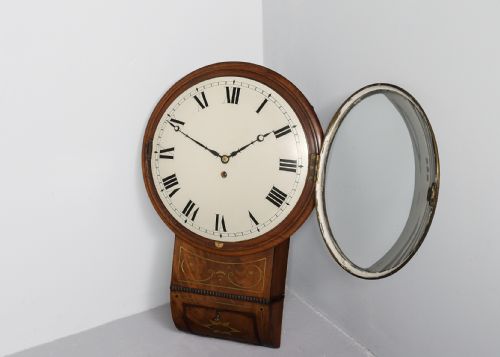
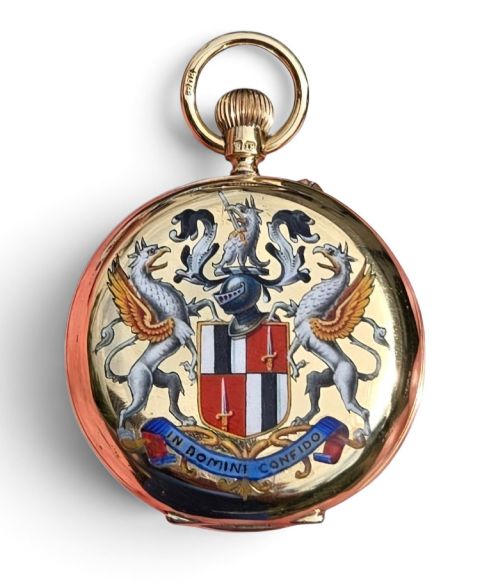
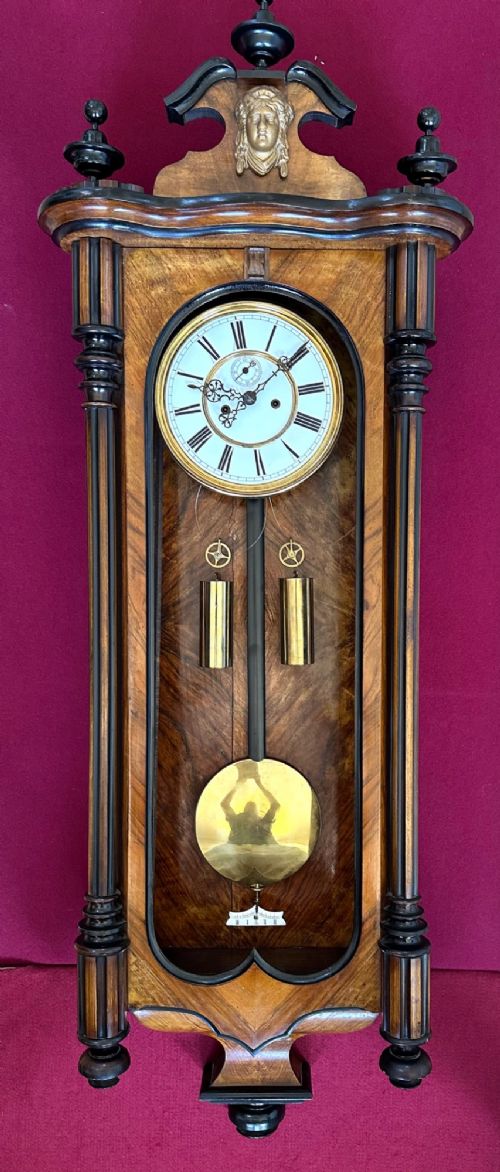
Casework relies on timber such as mahogany and walnut, frequently combined with brass, gilt bronze, and glass to protect delicate interior movements. Pocket watches utilise silver, gold, and gun metal for robust outer protection.
Internal mechanisms depend on steel and brass components, incorporating fusee movements and repeating striking trains. Enamel dials provide legible faces with finely painted numerals.
Victorian Horology Retail Price Guide 2026
Typical asking prices for victorian horology among the pieces listed under this phrase on Sellingantiques today, from the lower quarter to the upper quarter. They describe what is for sale here now, not the wider market.
Listings feature materials spanning brass, silver, gold, glass, mahogany, walnut, and leather across items dated from 1850 to 1930.
Factors separating quality levels
Superior pieces display refinement in the hand-finishing of internal gear trains and escapements, whereas basic examples rely on mass-produced components. The complexity of the movement, such as quarter-striking or repeating mechanisms, dictates the upper tier of production.
Casework execution separates standard items from exceptional ones through precision brass inlay, fire gilding on bronze, and high-grade cabinet timbers. Maker signatures on dials and movements provide further distinction in historical merit.
Henry Capt·Jean-Baptiste Delettrez·Henri Jacot·Lenzkirch·Goldsmiths Alliance Ltd·R. Stewart Glasgow·Lange & Sohne·Howell & James London·Drocourt Paris·T. Martin & Co·C. Detouche Paris
The Victorian Horology Glossary
- Fusee
- A conical pulley used in mechanical timepieces to maintain even power delivery as the mainspring unwinds. This mechanism ensures consistent timekeeping across the duration of the wind.
- Carriage clock
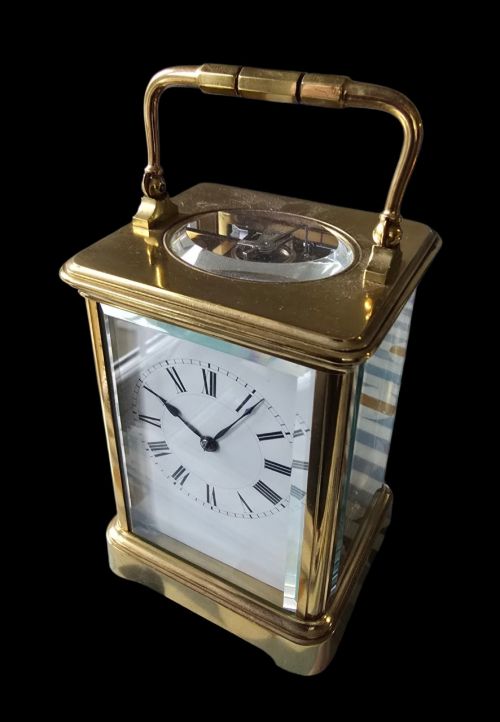
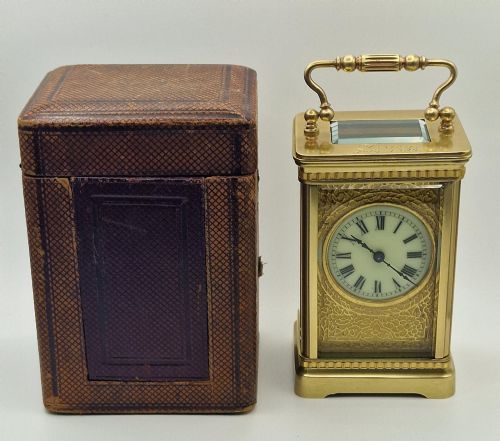
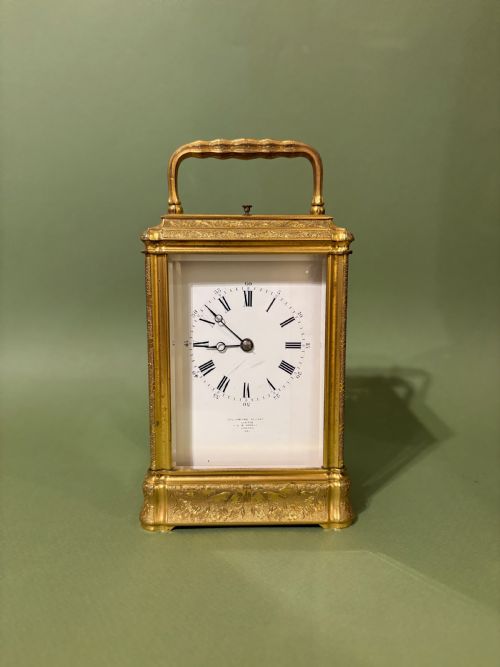
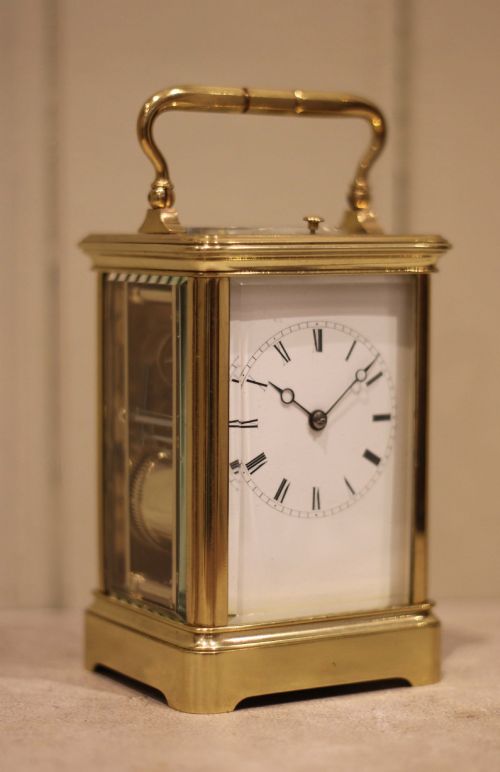
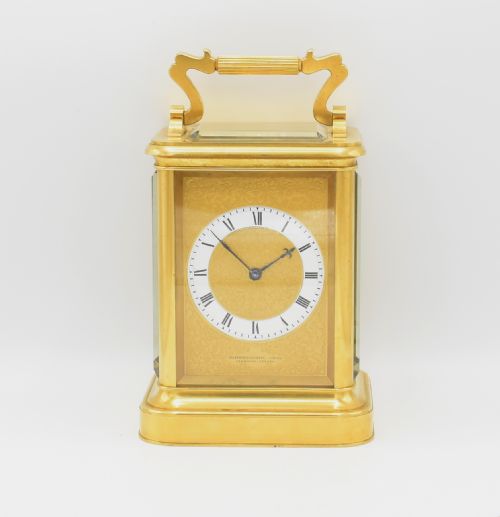
- A small, portable spring-driven clock designed for travel, typically fitted with a carrying handle and glass panels. Originating in France, these pieces often feature striking or repeating complications.
- Skeleton clock
- A timepiece with an open framework designed to expose the gear train and movement to view. The transparent architecture showcases the intricate mechanical action of the escapement.
- Half hunter
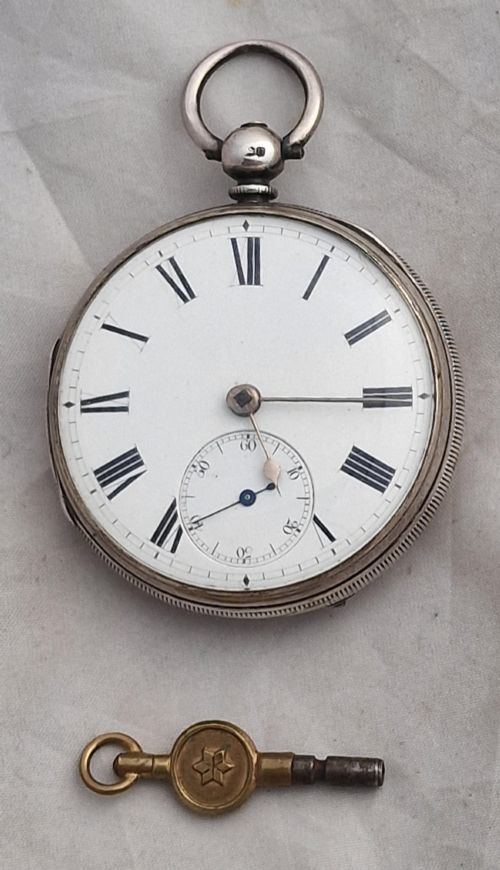
- A pocket watch featuring a case with a glass or open centre in the front cover allowing the time to be read without opening the case. This design protected the dial while offering immediate visibility.
Victorian Horology: Frequently Asked Questions
What is a fusee movement?
A fusee movement uses a conical drum to equalize the declining force of the mainspring as it unwinds.
This traditional English method ensures steady tension reaches the escapement for accurate timekeeping.
How do I wind a carriage clock?
Carriage clocks generally require a specialised key inserted into arbors located on the underside or back plate.
Care must be taken not to overwind the mainspring to prevent damage to the internal gearing.
What distinguishes a carriage clock?
Carriage clocks are compact, portable timepieces housed in brass frames with glass panels on all sides.
They frequently include striking mechanisms and folding handles designed for travel.
Are skeleton clocks fragile?
Skeleton clocks leave their delicate gear trains exposed without traditional wooden casework to shield the movement.
They require placement in stable environments away from dust and vibration to maintain proper operation.