

Victorian Historical Painting
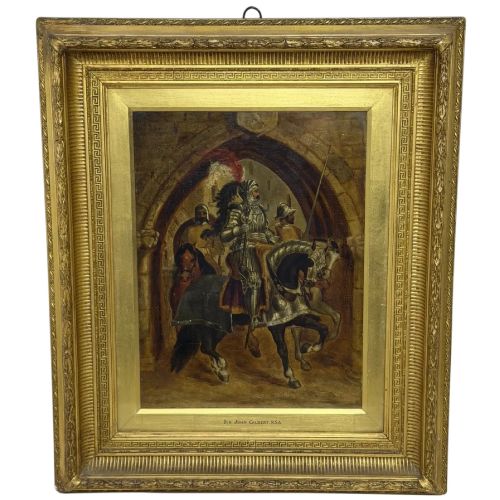
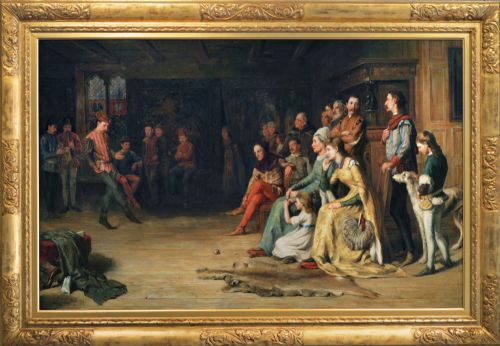
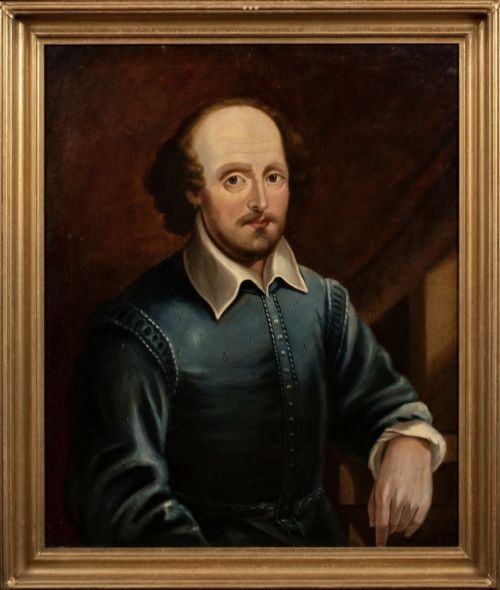
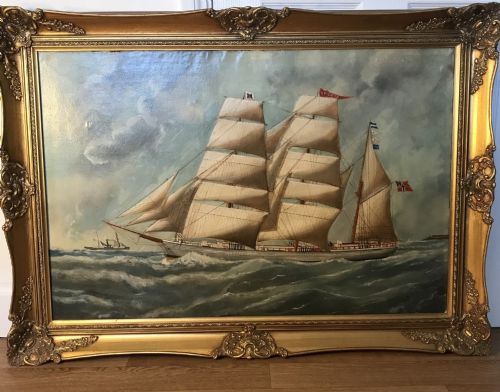
These pieces of victorian historical painting capture past events, notable figures and military scenes through period brushwork.
Victorian Historical Painting
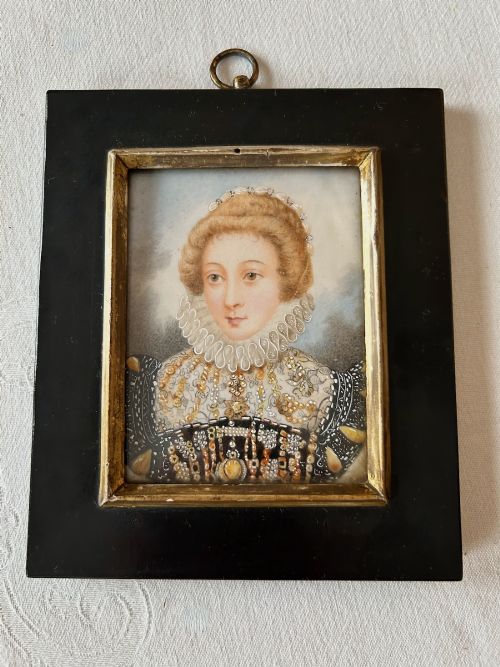
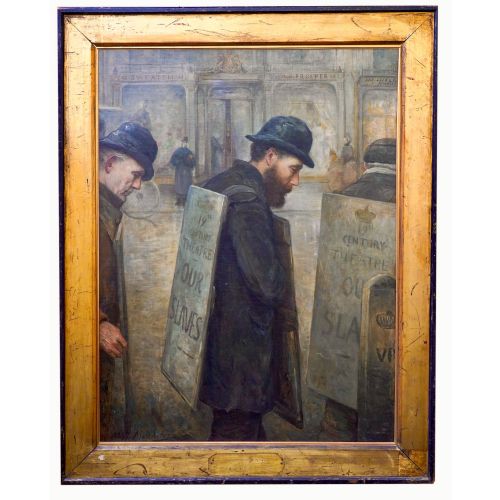
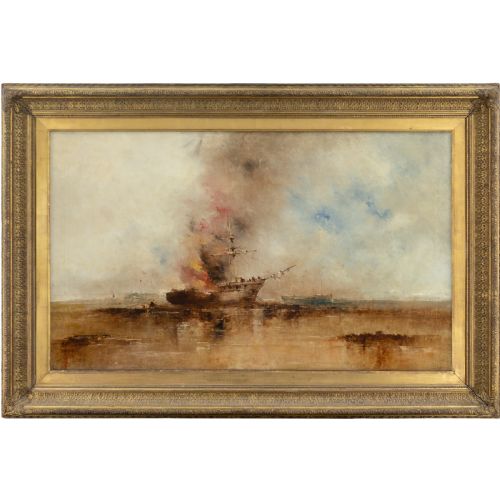
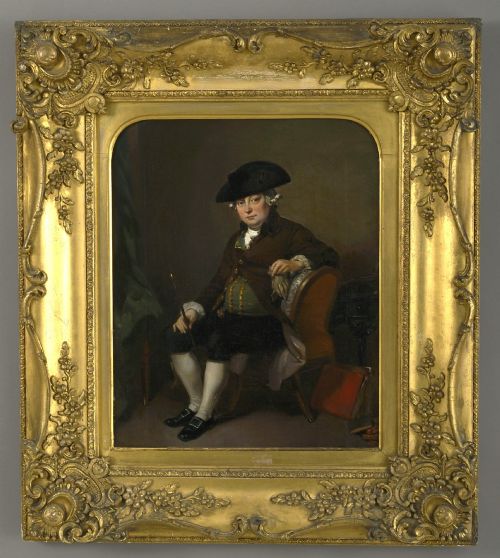
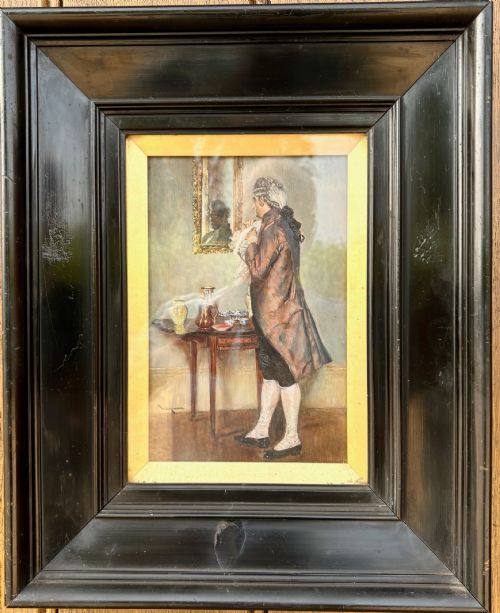
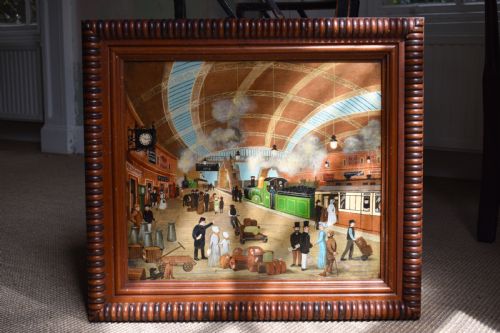
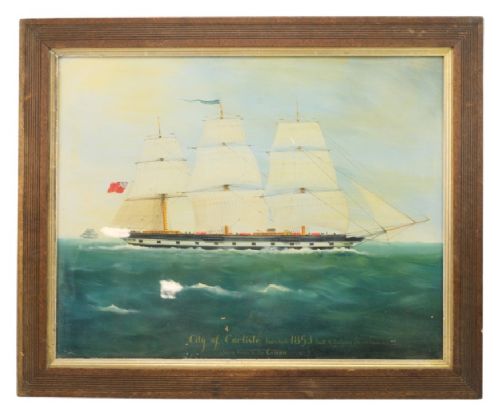
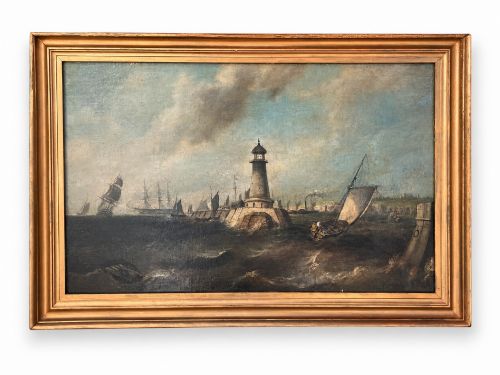
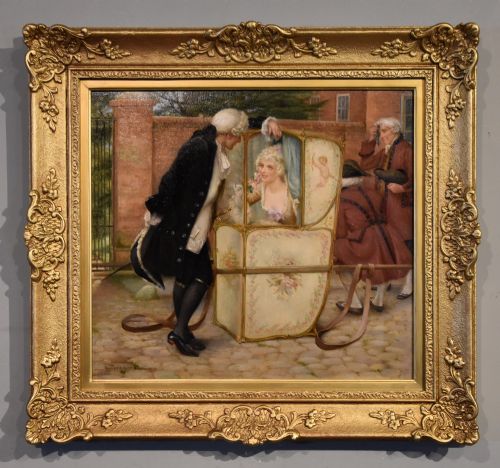
A victorian historical painting typically portrays significant figures, maritime battles, literary moments or domestic genre scenes from earlier eras. Buyers encounter oil paintings on canvas and board alongside watercolours created during the nineteenth century and the early twentieth century.
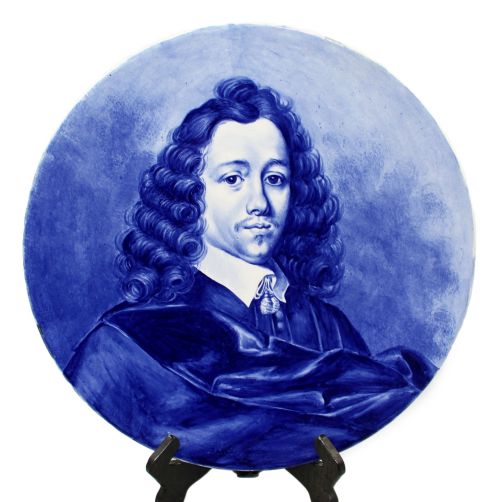
The subjects range from military commanders and monarchs to theatrical performers and everyday historical narratives. Works often bear attribution to named artists or studios working within Victorian realism and romantic revival styles.
How They Were Made
Makers applied oil paint or watercolour onto stretched canvas, prepared wooden panels and paper supports. Many surviving examples retain original giltwood frames that complement the scale of the composition.
Techniques combine detailed portraiture with expressive brushwork to render period costume, architectural interiors and maritime settings accurately.
Listings feature oil paint, watercolour, canvas, paper and giltwood across nineteenth-century formats.
What Varies in Quality
Quality rests upon the precision of the draughtsmanship, the handling of light within the scene and the psychological depth of the portraiture. Master painters command superior anatomical proportions and intricate background detail compared to lesser studio hands.
The condition of the original paint surface, the presence of stable craquelure and the integrity of the support structure dictate the overall standard of the surviving artwork.
Henri Fradelle·Felix Stone Moscheles·Samuel De Wilde·W.D. Almond·Sir John Gilbert·James Hamilton·Thomas Spinks·Nicholas Condy·Delapoer Downing·George Bernard O'Neill·John Watkins Chapman·J Bizo·Arthur Hopkins·John Robert Dicksee·Robert Alexander Hillingford·Edwin Hughes·Alfred Holst Tourrier·John A. Houston·William Wyld·Henry Barlow Carter·Hans Temple·William Robert Dickinson·Heywood Hardy·Ernest Crofts
The Victorian Historical Painting Glossary
- Oil on Canvas
- Pigment mixed with drying oil applied to a woven fabric support. This combination allowed artists to build rich textures and deep colour tones.
- Watercolour
- Paint consisting of water-soluble pigments on paper. Artists utilised this medium for fluid washes and fine illustrative detail.
- Giltwood
- Wood carved and coated with gold leaf or metallic paint. It provides a reflective decorative border designed to frame and protect the painting.
- Genre Painting
- Art depicting scenes from everyday life or historical narratives involving ordinary people. These works often tell a moral or social story.
- Portrait Miniature
- A small, highly detailed painting capturing an individual likeness. They were frequently executed on ivory, vellum or card during earlier periods.
Victorian Historical Painting: Frequently Asked Questions
What subjects appear in victorian historical painting?
These works depict notable historical figures, military officers, naval engagements and literary scenes from past centuries. Artists also recorded domestic genre moments and theatrical performances set in earlier periods.
Compositions range from intimate portrait miniatures on paper to monumental oil paintings on canvas. Each piece reflects the nineteenth-century fascination with historical narrative and national heritage.
How do I identify the period of a painting?
Dating relies on stylistic clues within the clothing, armour and setting depicted in the artwork. Pigment analysis, canvas preparation and framing techniques further help confirm nineteenth-century origins.
Signatures, dates inscribed by the artist and historical documentation on the reverse provide precise chronological markers. Comparative study with known works by contemporary painters establishes the likely decade of creation.
Where were these paintings displayed originally?
Owners hung these artworks in country houses, civic buildings, institutional halls and Victorian drawing rooms. Large canvases served as focal points for public galleries and private reception spaces.
Smaller watercolours and board paintings suited more intimate residential studies and libraries. Collectors frequently housed portrait miniatures within dedicated display cases or specialised frames.
How should I care for an antique painting?
Protect the canvas or paper from direct sunlight and maintain stable indoor humidity levels. Avoid hanging works near active heat sources that might dry out the wooden panels or oil paint.
Dust surfaces gently with a soft, dry brush without applying cleaning solutions or water. Professional conservators should handle any structural repairs or varnish removal.