

Gold Frame Military Art
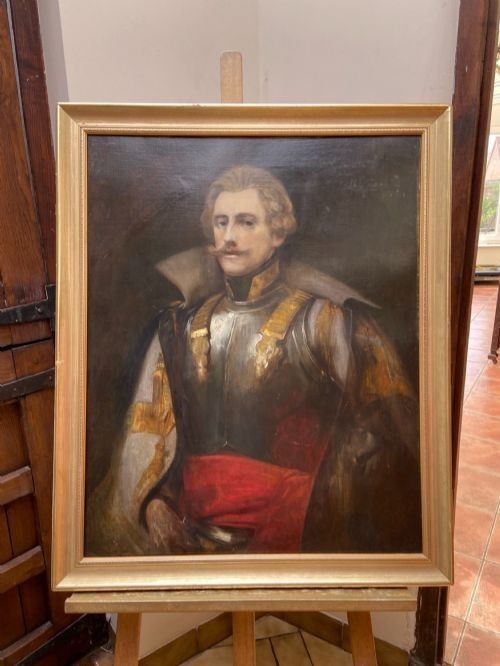
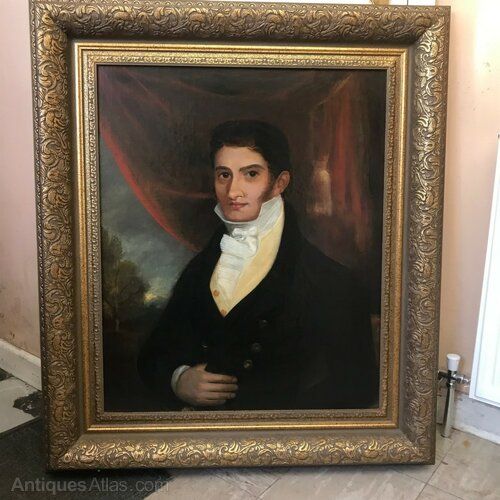
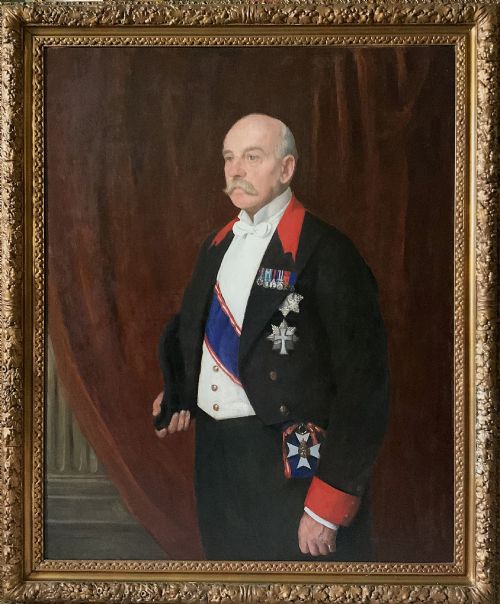
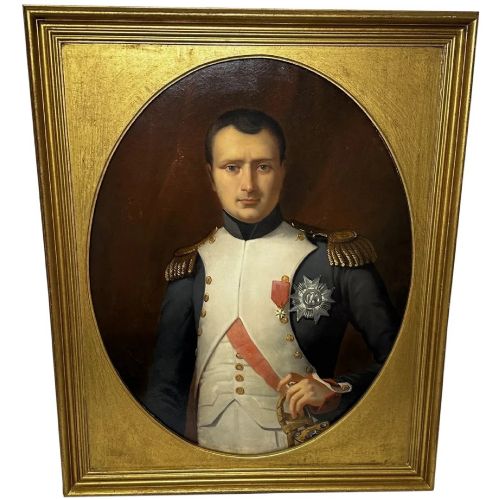
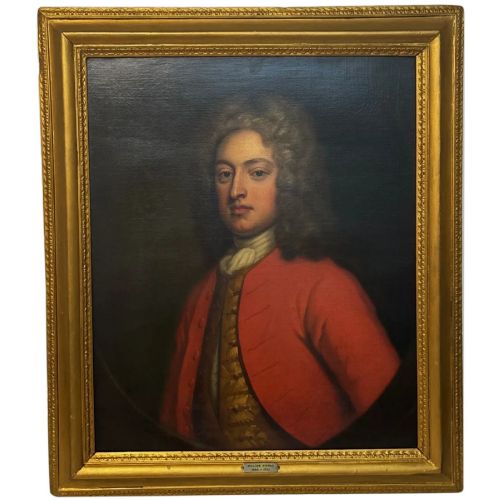
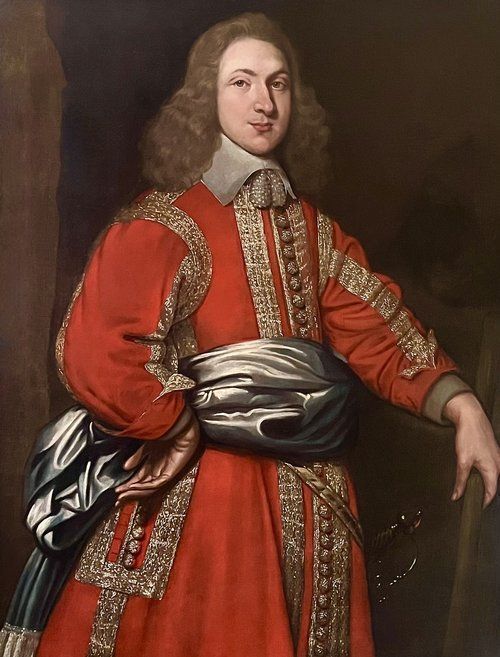
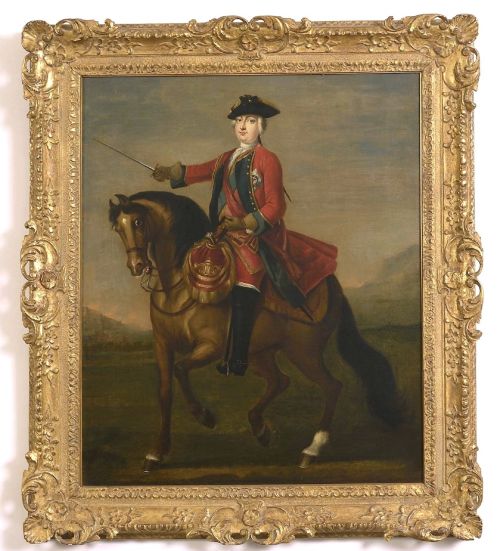
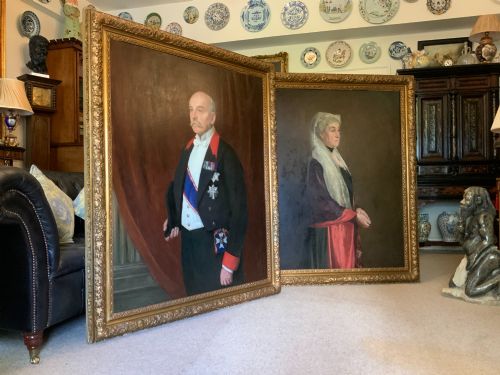
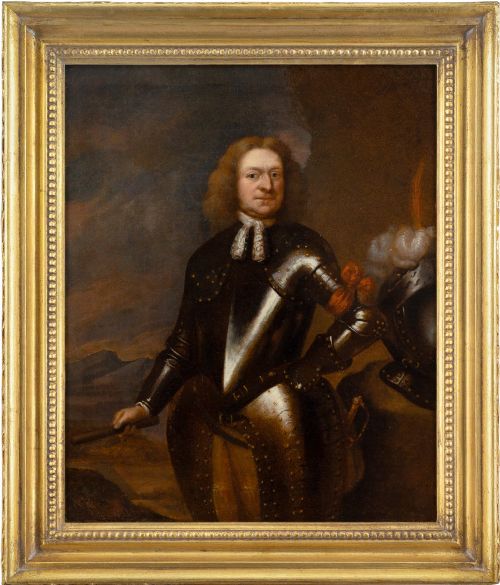
Gold frame military art brings historical campaigns and commanding officers directly into a room through oil paintings, watercolours and miniatures housed in rich gilt surrounds.
Gold Frame Military Art
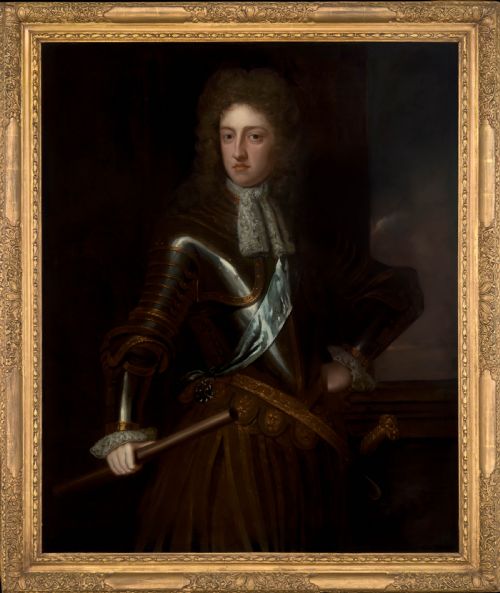
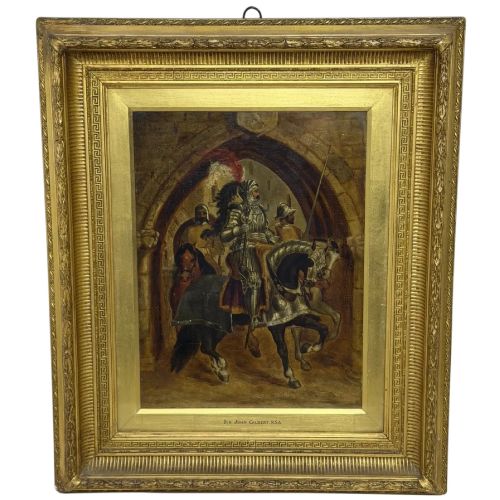
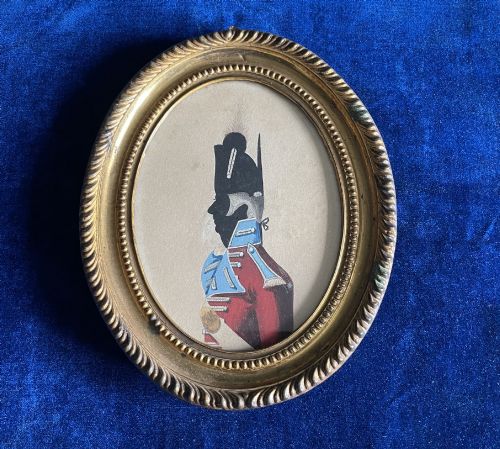
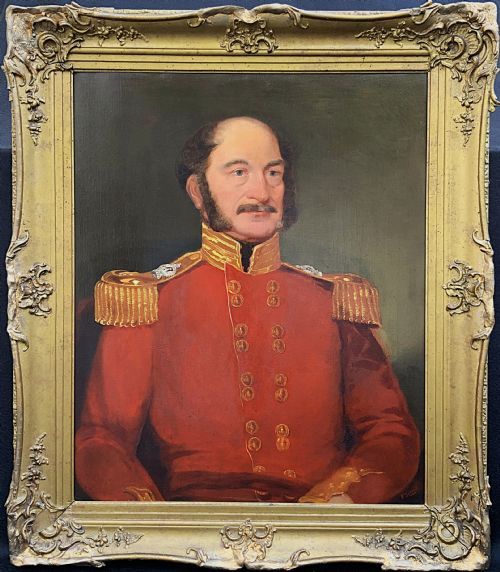
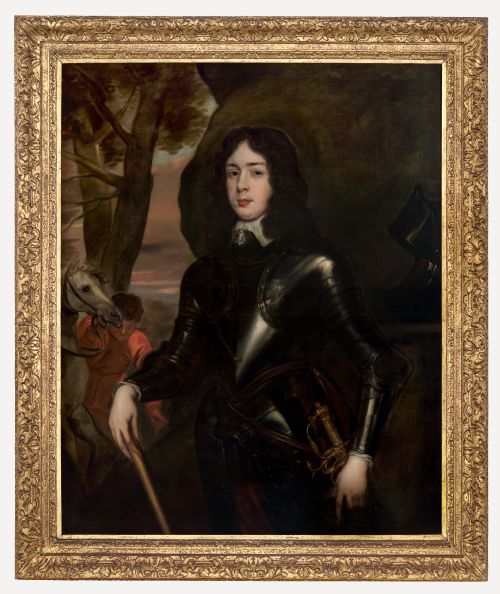
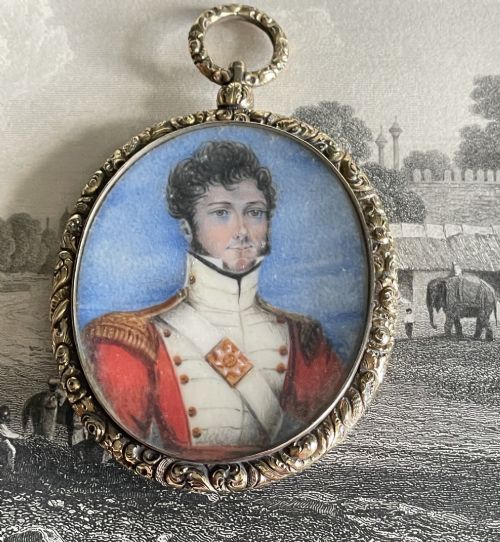
Gold frame military art encompasses oil paintings, watercolours, engravings and portrait miniatures depicting officers, cavalrymen, naval figures and battle scenes from the seventeenth century onwards. Buyers searching for gold frame military art encounter canvases of generals, admirals and knights enclosed in period giltwood frames that amplify the presence of the sitter.
The selections span distinct historical epochs including Georgian, Victorian, Regency and seventeenth-century eras. Subjects range from named commanders such as Prince George of Denmark to anonymous naval officers and cavalry skirmish scenes executed by regional European schools.
Most pieces take the form of oil on canvas or oil on panel, accompanied by occasional works on paper and detailed portrait miniatures. The unifying element across these diverse formats remains the luminous gilt framing that elevates the military portraiture within domestic interiors.
Materials and construction
Painters utilised oil on stretched canvas or wooden panels, applying layered pigments to render uniforms, armour and facial expressions with precision. Watercolours on paper and delicate miniature paintings on agate panels also appear within the selection, demonstrating varied artisan techniques.
The enclosing frames are constructed from carved wood, commonly finished with layers of gold leaf or gilt preparation to create the characteristic metallic lustre. Glass frequently protects works on paper, watercolours and portrait miniatures from environmental damage.
A military horse named Balmoral shares wall space here with generals and admirals.
Distinctions in quality
Quality rests upon the skill of the brushwork in capturing likeness and uniform detail, distinguishing master studio output from standard regional production. The depth of modelling in the sitter's face and the anatomical accuracy of horses or uniform components indicate the standard of the execution.
The integrity and originality of the giltwood frame influence the overall merit of the piece. Hand-carved frames displaying period gilding hold greater distinction than later replacements, completing the historical presentation of the artwork.
Sir Godfrey Kneller·Sir Anthony van Dyck·John Wootton·Thomas Hudson·Sir John Gilbert·John A. Houston·Paul Leon Jazet·Ernest Crofts
The Gold Frame Military Art Glossary
- Giltwood
- Wood carved and coated with gold leaf or a metallic finish. This material creates the bright, reflective borders characteristic of traditional picture frames.
- Portrait Miniature
- A small, highly detailed painting executed on a portable surface such as ivory, vellum or agate. These intimate works frequently depict officers or nobility.
- Oil on Canvas
- Pigment mixed with drying oil applied to a woven fabric support stretched across a wooden frame. This medium allowed artists to achieve rich colour depth and smooth blending.
- Watercolour
- A paint consisting of colour pigments suspended in a water-soluble vehicle, applied to paper. It produces translucent washes suited for detailed military sketches.
- Baroque
- An ornate artistic style prevalent from the seventeenth to mid-eighteenth century. It emphasises dramatic movement, tension and grandeur in portraiture.
Gold Frame Military Art: Frequently Asked Questions
How do I date a military oil painting?
Examine the style of the uniform, facial hair and wig, which changed rapidly across the seventeenth, eighteenth and nineteenth centuries. Contemporary inscriptions on the reverse of the canvas or stretcher often provide the sitter's identity and specific dates.
The construction of the wooden stretcher frame and the composition of the canvas weave also offer reliable clues to the period of creation. Comparing the artistic technique to known works by the studio or school helps narrow the date range further.
Where should I hang a military portrait?
These commanding works suit principal reception rooms, studies or libraries where traditional furniture complements the historical subject matter. Position them away from direct sunlight and heat sources to protect the oil pigments and the delicate giltwood frame.
Ensure the wall fixings match the substantial weight of large framed oils and massive pairs. Adequate lighting from a picture light enhances the metallic detail of the gold frame and the dark tones of historical uniforms.
What does attribution to a circle or follower mean?
Attribution to the circle of an artist indicates the work was produced by a contemporary painter closely associated with that master's workshop. A follower describes an artist working shortly after the named master who adopted their specific style and methods.
These designations reflect high-level competency and period execution without claiming direct authorship by the primary master. Such works offer insight into the broader influence of prominent portraitists.