


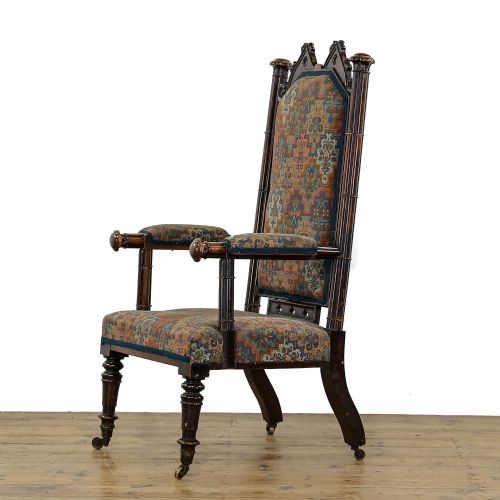


Victorian Highback Chair
These victorian highback chair selections offer striking architectural height and deep historical character, making them the centrepiece of any traditional room.
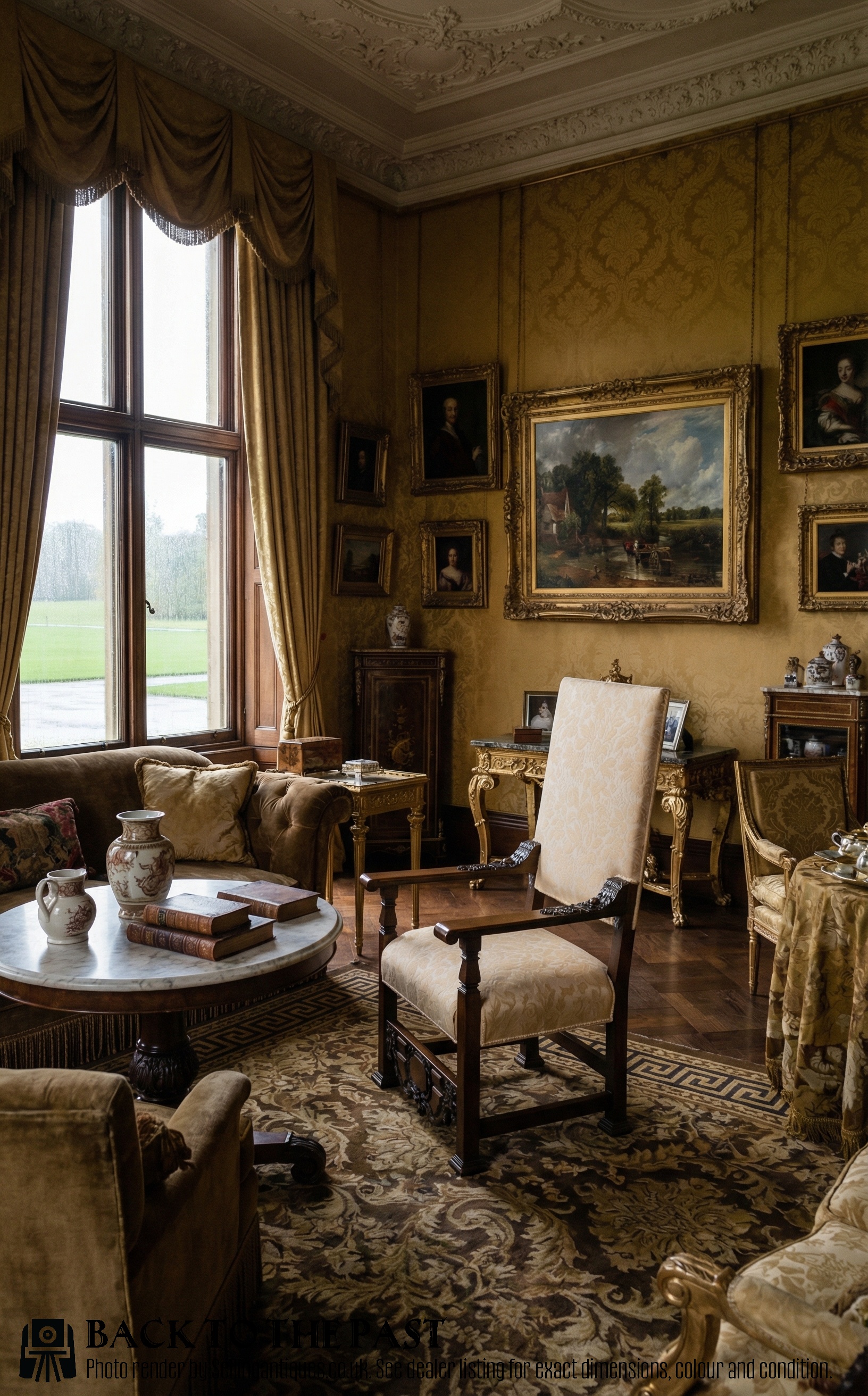
Victorian Highback Chair
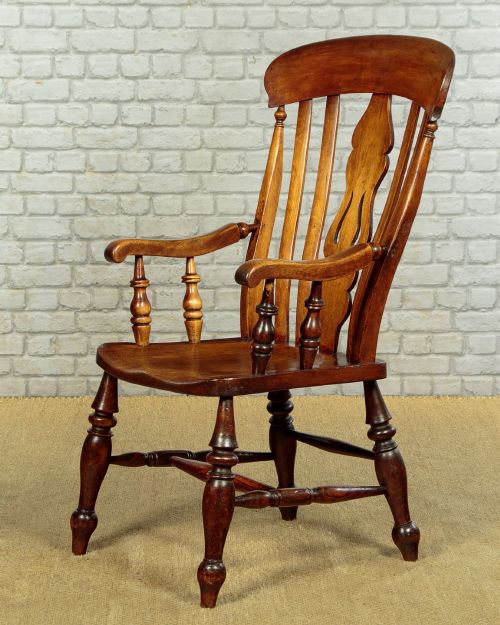
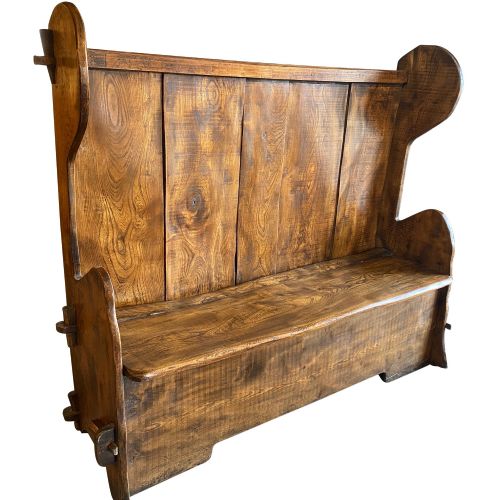
A victorian highback chair brings commanding vertical lines and deep seating comfort to a room, drawing the eye upward with tall timber framing. When you search for a victorian highback chair, you will encounter diverse forms ranging from solid timber settles with storage to carved side chairs and grand throne styles. These seating pieces span the nineteenth century into the Edwardian era, capturing the heavy architectural tastes of their periods.
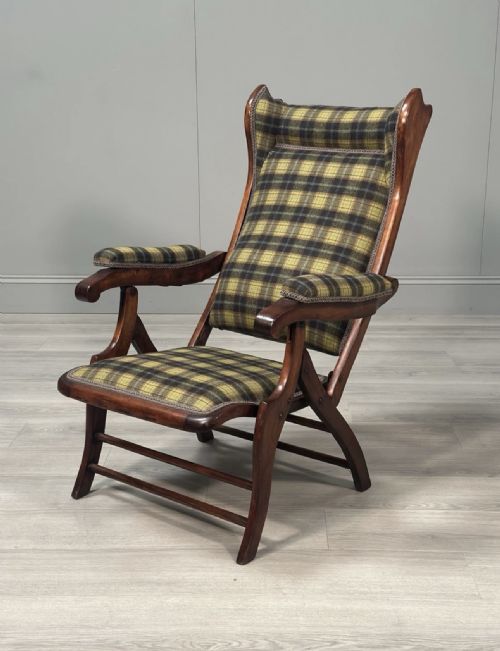
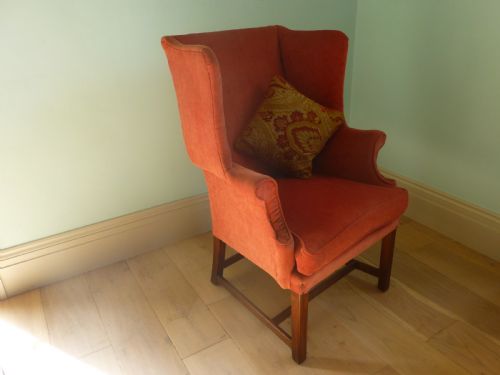
The versions most common on this page include robust oak dining chairs, mahogany side chairs, and substantial elm armchairs designed for daily utility. Many examples lean into historic revivals such as Gothic, Carolean, and Jacobean styles, showing intricate carved details and high vertical backrests. You also find practical variations like folding campaign designs and box settles alongside upholstered fireside easy chairs.
Makers and workshops of the period utilised local and imported timbers to build seating that balanced grand aesthetic statements with sturdy construction. Whether you inspect a slender Art Nouveau mahogany chair or a heavy carved oak throne, each piece reflects the distinct craftsmanship of nineteenth century furniture production. These chairs serve both functional seating roles and decorative focal points within domestic interiors.
How they were made
Makers constructed these chairs primarily from solid hardwoods such as oak, mahogany, elm, walnut, and beech, ensuring long structural life for the tall frames. Carpenters joined heavy timber components using traditional mortise and tenon joinery to support the stress placed upon elevated backrests. Decorative elements often involved deep hand carving, turning on lathes, and applied mouldings that mirrored Gothic or Carolean revival tastes.
Upholstered variants relied on durable interior webbing, hessian, and stuffing materials before finishing the outer surface in fabrics like velvet, chenille twill, or leather. Metal components such as brass studs, hinges, or folding campaign hardware provided both functional reinforcement and subtle visual contrast against the dark wood tones.
Some elm settles doubled as indoor sledges when mischievous Victorian children needed a swift slide across polished hallway floors.
What varies in quality
The distinction between standard utility seating and exceptional pieces rests in the depth and crispness of the hand carving on the tall wooden frames. Superior examples display dense, heavy hardwoods with rich natural grain patterns that have matured uniformly over decades of use. The integrity of the structural joints determines longevity, particularly where high leverage places strain on the upper backrest.
Upholstered forms vary according to the fidelity of the restoration work and the historical appropriateness of the chosen covering fabrics. Pieces that retain their original timber patination without excessive intervention command greater appreciation among traditional interior collectors.
The Victorian Highback Chair Glossary
- Settle
- A wooden bench with high armrests, a solid back, and often a box seat compartment underneath for storage. This form kept drafts away from occupants in older domestic spaces.
- Campaign Armchair
- Portable campaign furniture designed for military officers on the move. These chairs typically feature folding wooden frames and brass hinges for easy transport.
- Chenille Twill
- A heavy, textured fabric woven with fuzzy yarn piled at right angles. It provides a tactile, soft surface frequently used for period upholstery.
- Mortise and Tenon
- A fundamental woodworking joint where a projecting tongue fits snugly into a corresponding cavity. This method locks timber pieces securely at right angles.
Victorian Highback Chair: Frequently Asked Questions
How do I style a highback chair?
Place your highback chair in a corner or beside a fireplace where its tall silhouette can frame the space effectively without blocking natural light sources. Pair it with low tables or simpler seating to let the vertical architecture stand out.
In larger rooms, floating the chair away from the wall creates a dramatic reading nook or conversational focus. Allow sufficient clearance around the carved crest rail to appreciate the full profile of the timber work.
Were these chairs used for dining?
Many highback examples served as formal dining chairs, particularly within larger sets designed around substantial nineteenth century tables. The elevated backrests projected status and provided rigid posture support during long meals.
Single armchairs and throne variants were reserved for heads of households or specific fireside seating duties rather than general dining use. Check the seat height and arm clearance to determine whether a particular piece suits your table.
How do I clean antique wood?
Dust your chair regularly with a soft, dry cloth to prevent grit accumulation from dulling the surface polish. Avoid modern silicone sprays that can penetrate the timber and damage the aged patina over time.
Feed dry wood occasionally with a quality microcrystalline wax to preserve the finish without creating heavy buildup. Test any cleaning product on a hidden underside area before applying it to visible carved surfaces.
How do I spot a Gothic revival piece?
Look for architectural motifs borrowed from medieval stone buildings, including pointed arches, trefoils, and cusped tracery carved directly into the wood. These designs gained immense popularity during the nineteenth century as makers looked backward to medieval aesthetics.
The overall form usually emphasises verticality with soaring back panels and stern, imposing proportions. Heavy oak construction and dark finishes frequently accompany these ecclesiastical design elements.