




Victorian Heraldic Painting
Victorian heraldic painting captures ancestral lineage and civic identity through hand-applied pigments on panels, ceramics, glass, and iron.
Victorian Heraldic Painting
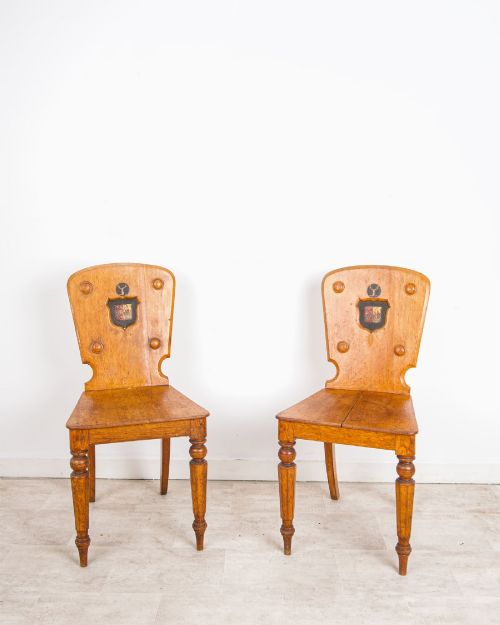
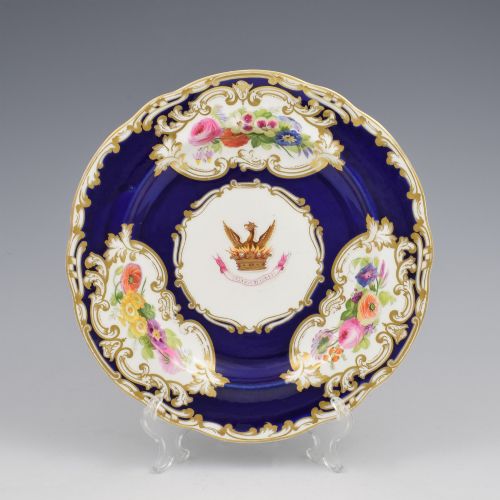
Victorian heraldic painting encompasses coat of arms panels, armorial porcelain plates, and painted glass created during the nineteenth century. These pieces display family crests, royal insignia, and civic emblems in diverse domestic and institutional settings.
You will most frequently encounter painted wooden wall plaques, iron armorial panels, and armorial porcelain plates from the middle and late nineteenth century. These items manifest in styles ranging from Gothic Revival to Victorian historicism.
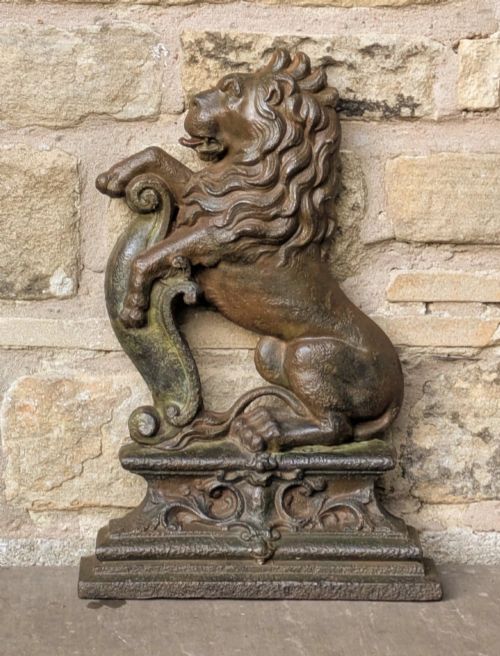
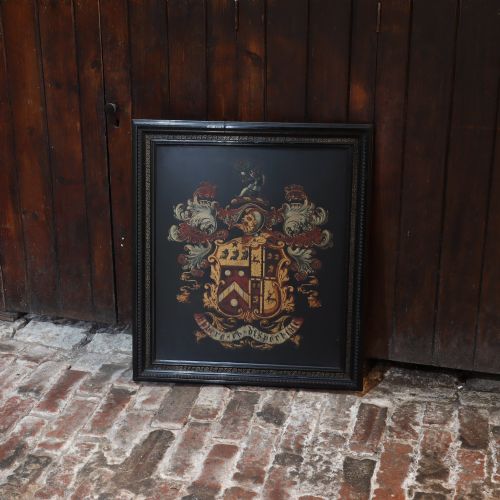
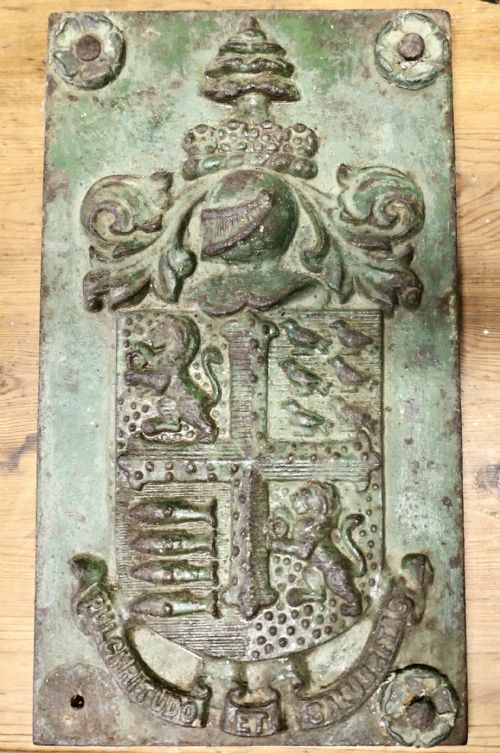
The selection ranges from large oak heraldic panels depicting specific Welsh families to cast iron Royal coat of arms plaques and enamelled glass goblets. Each object preserves the visual language of lineage and authority utilised by Victorian patrons.
Materials and construction methods
Makers utilised rigid supports such as solid oak panels, cast iron, heavy glazed pottery, and soft leather over wooden frames. Paint and gold leaf were then applied directly to these prepared surfaces to render intricate armorial details.
Glass pieces incorporate enamel decoration fired onto the vessel, whilst windows combine leaded glass with hand-painted designs. Wooden items often feature carved structural elements paired with painted or applied crests.
Victorian Heraldic Painting Retail Price Guide 2026
Typical asking prices for victorian heraldic painting among the pieces listed under this phrase on Sellingantiques today, from the lower quarter to the upper quarter. They describe what is for sale here now, not the wider market.
Periods represented in current stock span from mid-Victorian decades through to Edwardian pieces, incorporating Georgian items.
Quality variations in armorial pieces
Quality rests in the precision of the heraldic draughtsmanship and the fidelity of the armorial bearings to proper heraldic rules. Finer examples display meticulous brushwork in the rendering of mantling, charges, and tinctures.
The choice of medium and substrate also defines the grade of the piece, distinguishing mass-produced iron castings from hand-painted porcelain plates by factories like Copeland or Minton, or bespoke oil paintings on panel.
Copeland·Minton·Lobmeyer
The Victorian Heraldic Painting Glossary
- Coat of arms
- A unique design of armorial bearings displayed on a shield, originating from medieval battlefield identification.
- Armorial plate
- A ceramic dish decorated with a family crest or coat of arms, typically produced for wealthy households.
- Gothic Revival
- An architectural and decorative style popular during the nineteenth century that revived medieval gothic forms.
- Gold leaf
- Extremely thin gold beaten into sheets, used for gilding surfaces in heraldic panels and decorative objects.
- Enamel
- A glassy substance fused to metal, glass, or pottery through firing, used for durable decoration on vessels and plaques.
Victorian Heraldic Painting: Frequently Asked Questions
What is a Victorian heraldic painting?
A Victorian heraldic painting is a visual representation of a coat of arms, crest, or armorial bearing produced during the nineteenth century. These works appear on various supports, including wooden panels, glass, ceramics, and metal.
Artists and craftsmen executed these designs to record family lineage, civic pride, or institutional identity for display in homes and public buildings.
How were armorial plates used?
Armorial plates served primarily as high-status tableware or decorative cabinet pieces for wealthy Victorian households. They displayed the specific family crest to reinforce social standing during dining.
Over time, many of these porcelain and pottery plates transitioned into purely decorative display items hung on walls or exhibited in cabinets.
How do I date a Victorian heraldic item?
Dating relies on examining the material composition, the style of the mounting, and any accompanying inscriptions or hallmarks. Victorian heraldic works frequently reflect broader stylistic movements like Gothic Revival or historicism.
Comparing the specific armorial bearings to historical family records can also provide a reliable window of creation, particularly when the commissioner or recipient is identified.
Where were these heraldic items displayed?
Owners displayed large wooden panels and iron plaques in the halls, libraries, or dining rooms of substantial country houses and civic buildings. Smaller items like painted glassware and plates sat in cabinets or served functional roles.
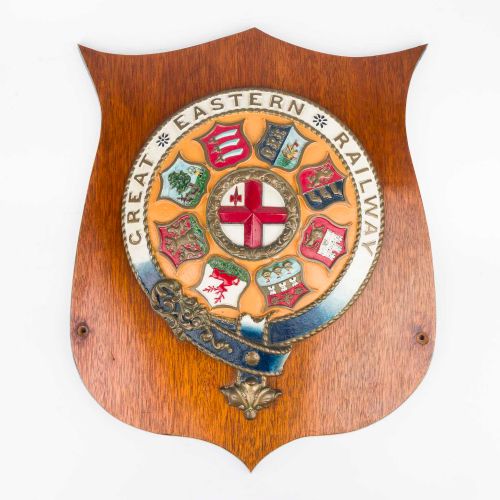
Institution pieces often hung in railway offices or administrative buildings to denote corporate ownership and authority.