
Victorian Hearth Irons
These Victorian hearth irons and related fireplace accessories bring functional warmth and period character to any active fireplace.
Victorian Hearth Irons
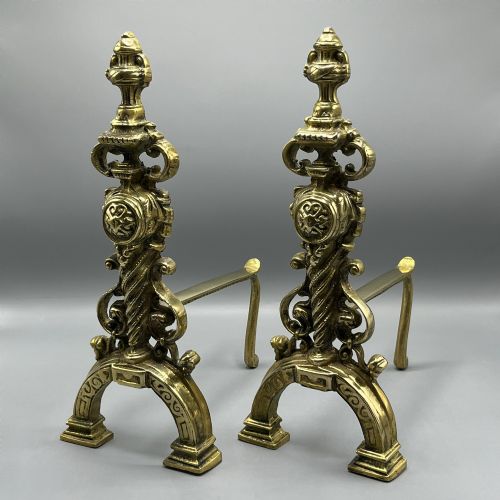
When you search for Victorian hearth irons, you are looking at practical fireplace furniture and companion sets created during the nineteenth century. These objects include fire dogs, andirons, and sets of tools designed to tend coal and wood fires. Most examples on this page date from the Victorian period through to the early twentieth century.
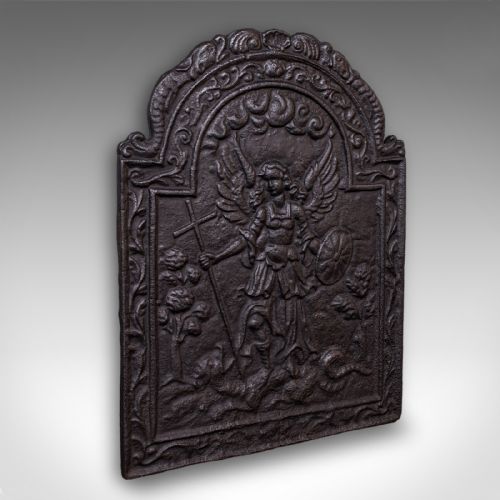
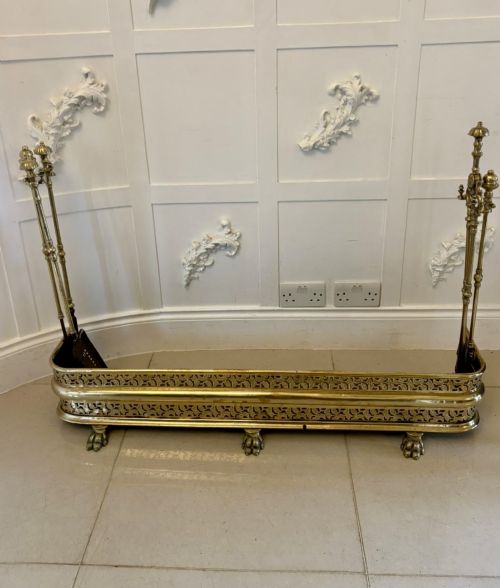
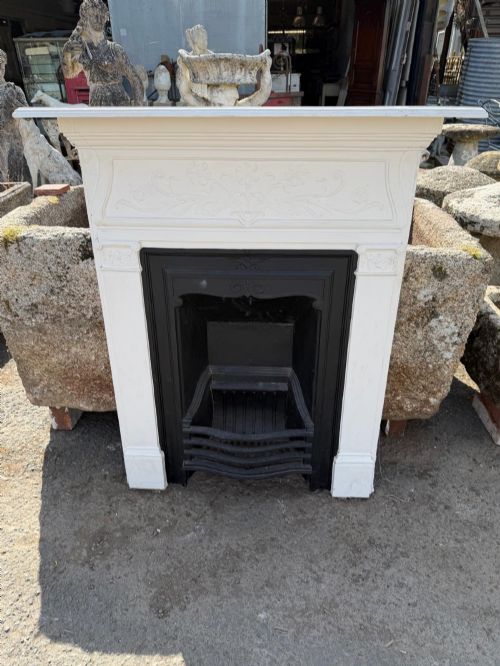
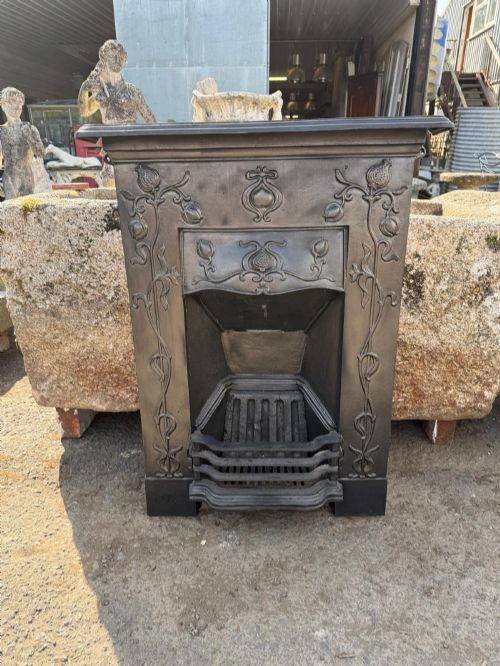
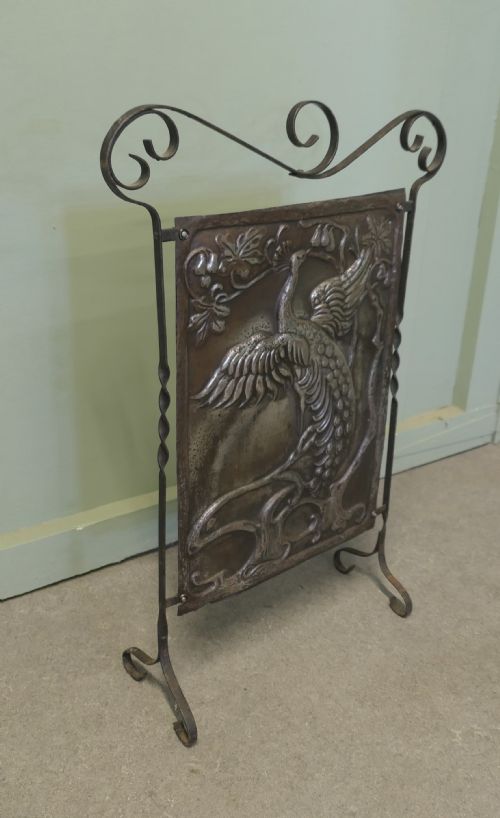
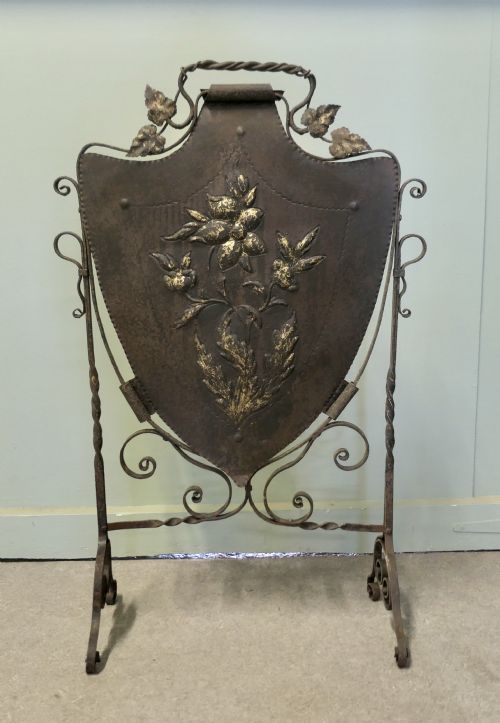
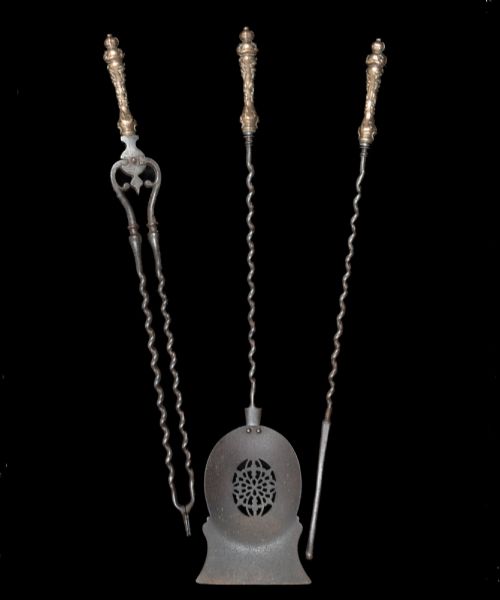
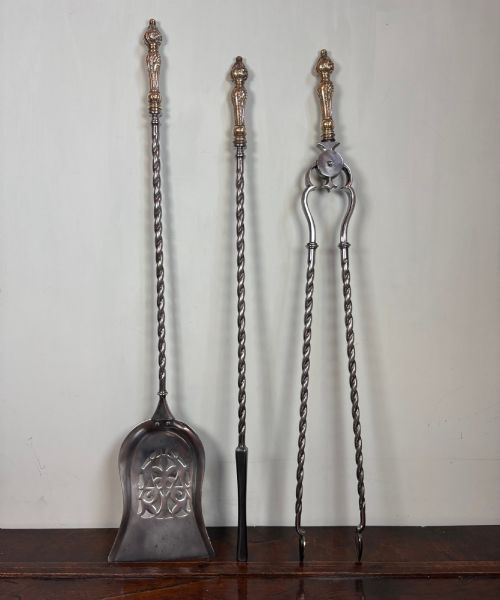
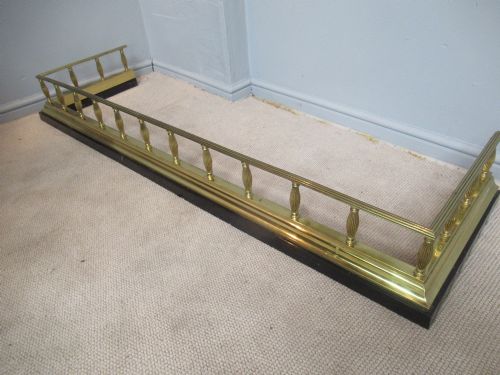
The selection ranges from heavy cast iron fire baskets and combination fireplaces to polished steel and brass fire irons. You will also find brass fenders, wrought iron fire screens, and companion sets featuring items like pokers and tongs. Many pieces reflect design movements such as Gothic Revival and Arts and Crafts.
Materials and construction
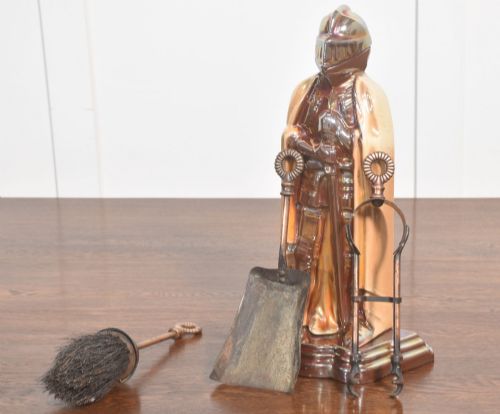
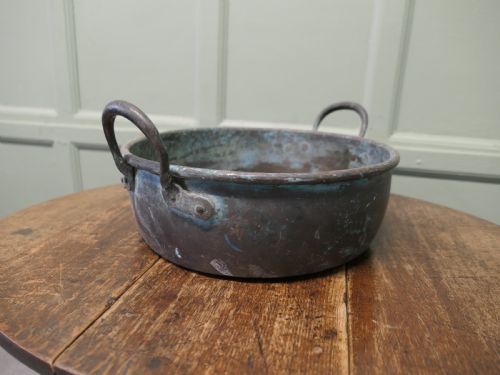
Makers utilised durable metals including cast iron, wrought iron, brass, and steel to withstand intense hearth heat. Cast iron provided sturdy weight for fire backs and andirons, while brass and polished steel offered decorative contrast for fire tools and fender rails. Copper and painted metal appear in related fireside accessories like preserving pans and companion sets.
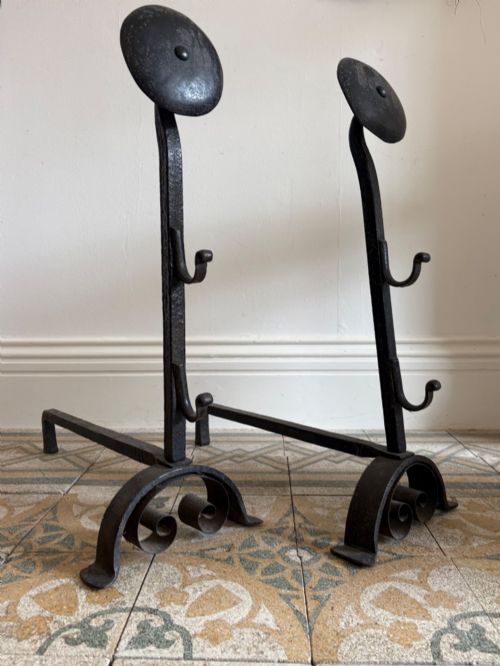
Forging and casting techniques shaped these heavy metals into both utilitarian tools and ornate decorative ornaments. Wrought iron was hammered into sinuous Arts and Crafts designs, whereas brass components were frequently cast and turned for a bright finish. Wire mesh was incorporated into protective fire screens.
Listings feature materials such as brass, cast iron, wrought iron, and steel, spanning the Victorian period, Gothic Revival, and Arts and Crafts styles.
Assessing quality and craftsmanship
Quality rests on the weight of the metal and the precision of the casting or hand-forging. Heavier cast iron and solid brass pieces demonstrate superior substance compared to lighter, purely decorative alternatives. Finer items exhibit clean lines, well-defined surface relief, and complete matching sets of companion tools rather than assembled replacements.
The integrity of joints in wrought iron and the finish applied to steel and brass distinguish superior examples. Pieces with original polished surfaces or carefully preserved metalwork retain greater integrity. Evidence of robust construction ensures the hardware functions as intended around an open hearth.
The Victorian Hearth Irons Glossary
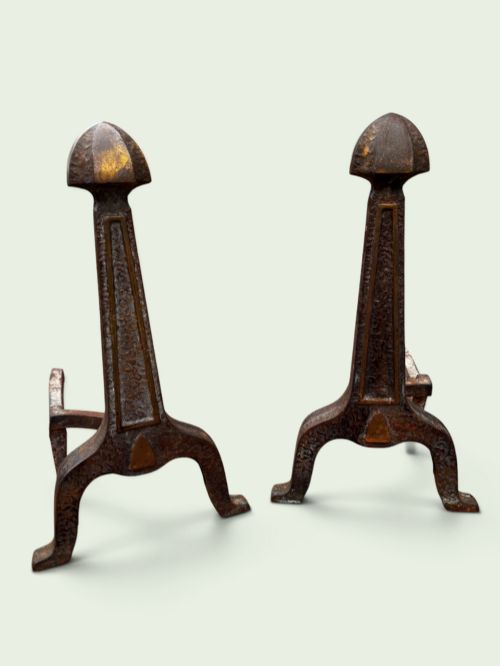
- Andirons
- Supports used in a fireplace to hold logs above the hearth for better air circulation. They often feature decorative cast or wrought iron fronts.
- Fire fender
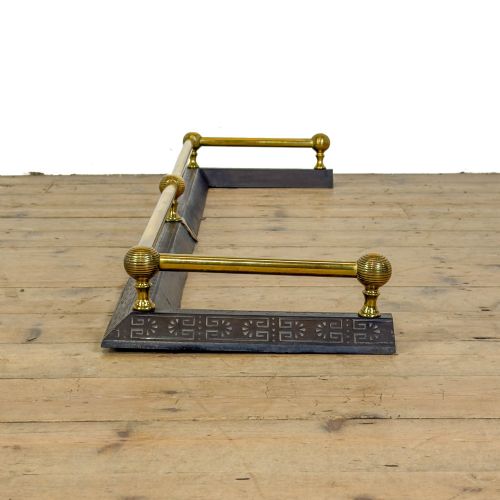
- A low metal guard placed around the hearth to contain stray embers and ash. Victorian examples frequently combine iron frames with polished brass rails.
- Companion set
- A coordinated group of fireplace tools, usually including a poker, tongs, shovel, and brush, held together on a matching stand.
- Fire back
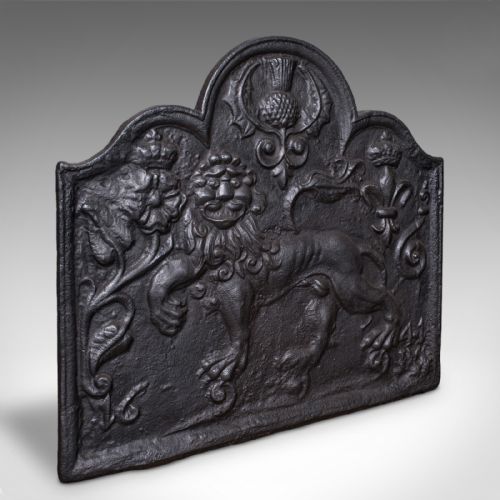
- A heavy iron plate placed at the back of a fireplace to protect the masonry and reflect heat into the room. Relief designs are common on these panels.
Victorian Hearth Irons: Frequently Asked Questions
What is the difference between andirons and fire dogs?
Andirons and fire dogs refer to the same functional supports placed inside a fireplace to elevate firewood. The terms are often used interchangeably in historical listings.
Historically, regional preferences and maker terminology determined which word appeared on the inventory, but both serve the exact same purpose.
How do I maintain brass fire irons?
Brass fire irons require gentle cleaning with a soft cloth to preserve their metallic sheen. Avoid harsh abrasive cleaners that strip the historical patina.
Regular dusting prevents soot accumulation, while occasional polishing maintains the bright appearance intended by nineteenth-century manufacturers.
Were these tools meant for coal or wood?
Victorian hearth hardware accommodated both coal and wood depending on the specific room and grate setup. Baskets and fire backs handled coal combustion.
Heavier andirons were traditionally paired with large wood-burning hearths in country houses, whereas grates and fenders suited urban coal grates.
How do I date a Victorian companion set?
Dating relies on stylistic clues like Gothic Revival motifs, Arts and Crafts hand-forging, or Aesthetic Movement detailing. Maker marks and material composition also help narrow the decade.
Cast iron components often display registry marks or typical nineteenth-century foundry characteristics that point to specific manufacturing eras.