


Victorian Hearth Bin
A Victorian hearth bin brings utility and metalwork warmth to a fireside, holding fuel or logs within easy reach.
Victorian Hearth Bin
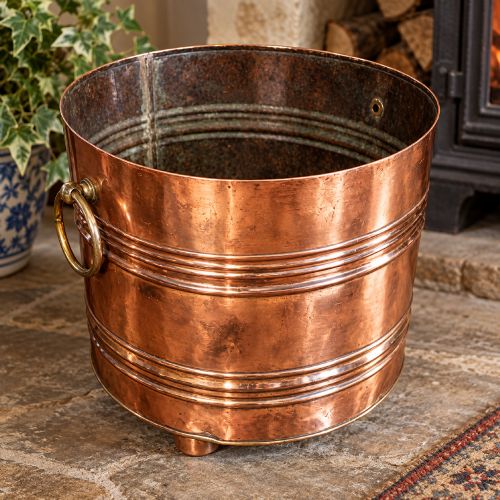
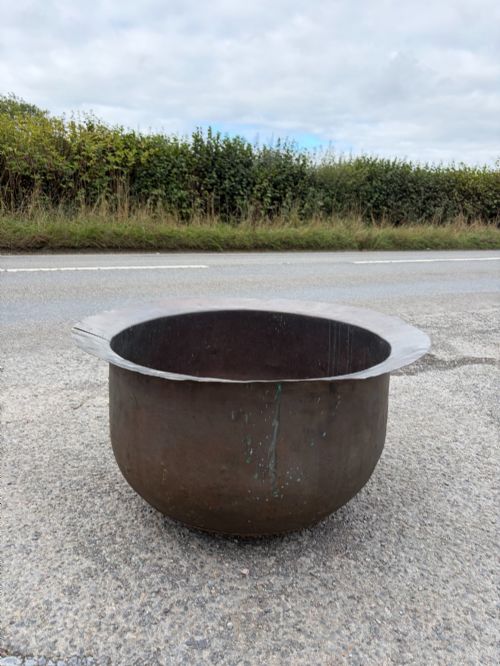
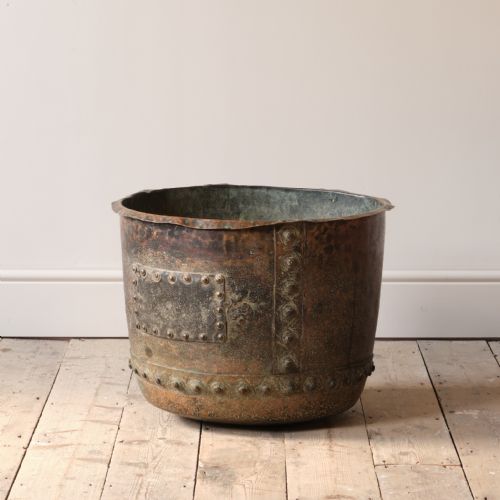
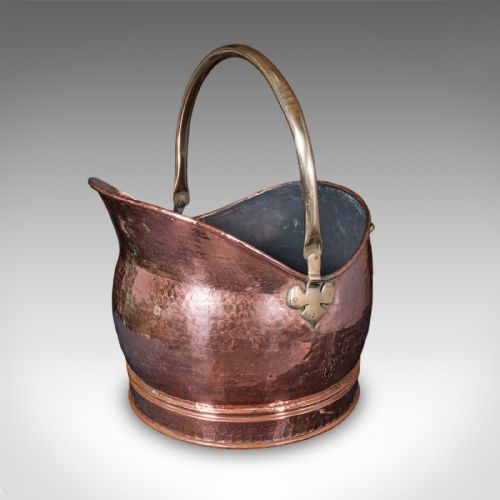
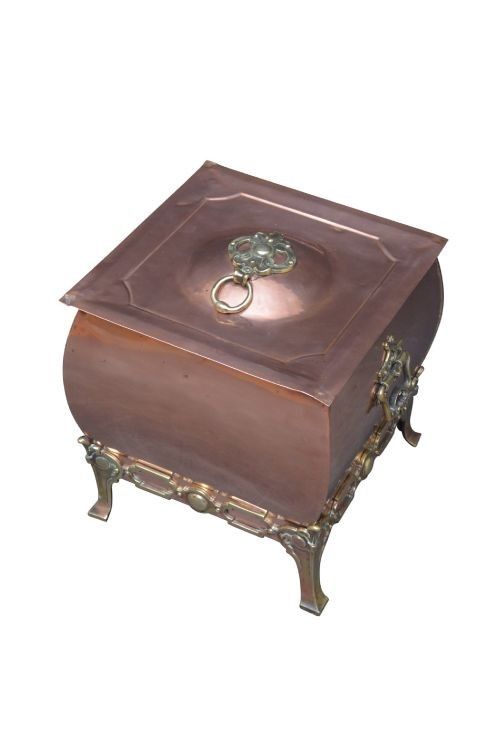
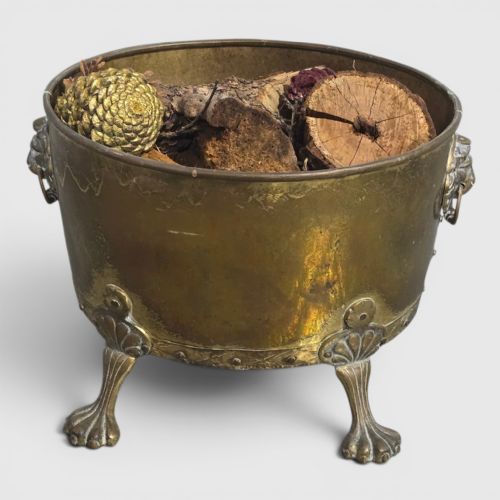
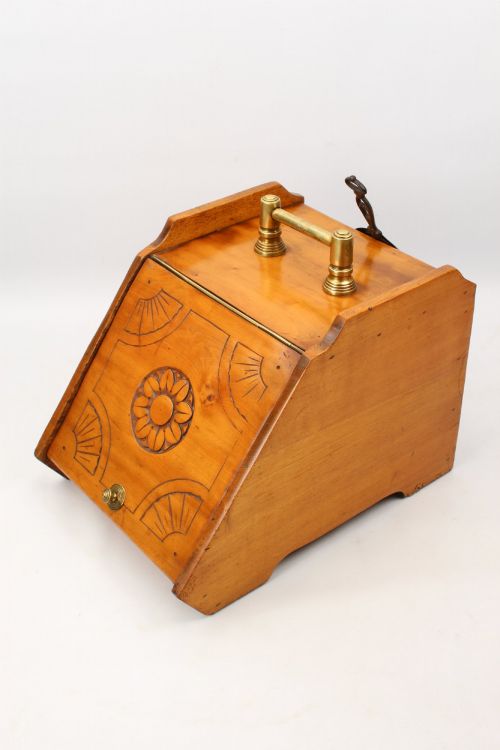
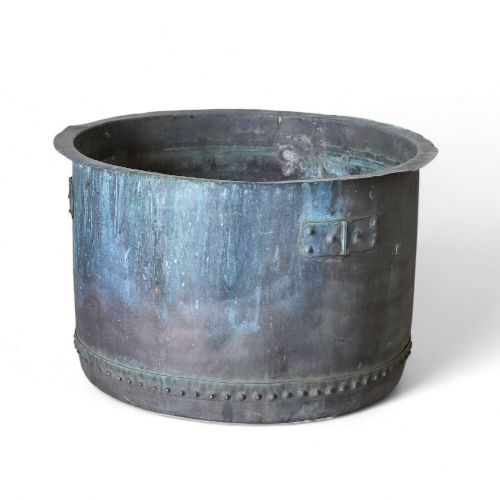
A victorian hearth bin is a practical fireside container designed to hold coal, logs, or kindling near the fireplace. The pieces meeting this search phrase span the nineteenth century and into the early twentieth century, taking forms such as coal scuttles, buckets, purdoniums, and large metal cauldrons or planters.
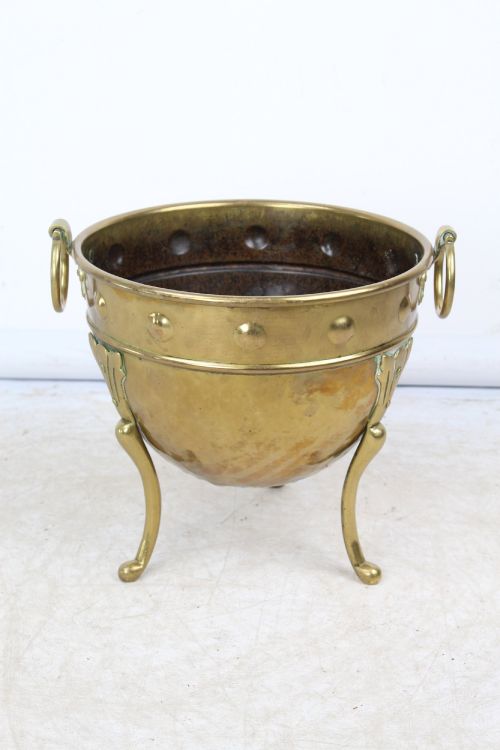
Wooden examples appear in oak, mahogany, walnut, rosewood, and pine, often incorporating brass handles, hinges, or decorative inlays. Metal versions utilise copper, brass, iron, and wrought iron, frequently featuring hand-riveted construction and natural patinas built up over decades of domestic service.
How they were made
Coopers and metalworkers shaped these vessels using traditional methods, joining sheet copper and brass with visible hand-riveting or folding seams for strength. Heavy iron and wrought iron components provided robust internal frames or swing handles capable of bearing the weight of dense fuel.
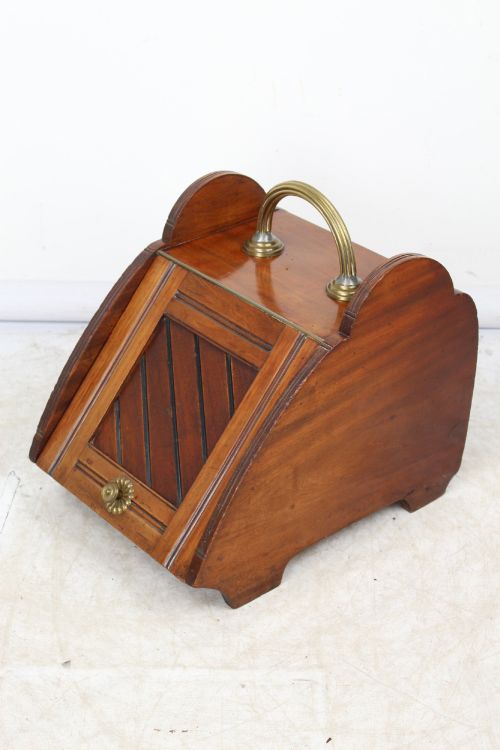
Cabinetmakers constructed wooden coal boxes, known as purdoniums, using timber like oak, walnut, and mahogany, frequently integrating metal liners to protect the wood from moisture and debris. Carving, inlay, and brass mountings decorated the exterior surfaces of finer domestic examples.
Listings feature materials spanning copper, brass, iron, oak, mahogany, walnut, rosewood, and pine.
What varies in quality
Quality rests in the weight of the metal, the integrity of the joints, and the retention of original components such as metal liners and matching shovels. Heavier gauge copper and solid hardwood frames separate robust pieces from lighter utilitarian items.
Fine craftsmanship shows in crisp carving, neat hand-riveting, and polished brass mountings that complement the primary timber or metal body without appearing overwrought.
Henry Loveridge·William Soutter & Sons·Petrus Ramus
The Victorian Hearth Bin Glossary
- Purdonium
- A specialised coal box, typically made of wood with a sloping front and a hinged lid, designed to sit neatly by a fireplace.
- Coal scuttle
- A bucket or container with a handle and sometimes a lip or spout, used for carrying coal to the hearth.
- Patina
- The surface sheen and colour developed on wood and metal through age, handling, and use.
- Planter
- A large vessel, often of copper or brass, originally intended for horticulture but frequently repurposed as a log bin.
Victorian Hearth Bin: Frequently Asked Questions
How do I clean copper?
Copper bins acquire a dark natural patina over time that many collectors prefer to leave undisturbed. If polishing is desired, a gentle metal cleaner removes active tarnish without erasing the historical surface.
Abrasive materials should be avoided to protect hand-riveted seams and aged finishes.
Can these hold logs?
Many metal buckets, cauldrons, and wooden boxes function well for storing logs and kindling beside a working hearth. Larger copper vessels and iron bins provide ample capacity for firewood.
Checking for an intact internal metal liner helps protect wooden boxes from damp bark and dirt.
Are original shovels common?
Some coal scuttles and purdoniums retain their original matching metal scoops or shovels, often stored in specialised side compartments or brackets. Finding a complete set adds utility and completeness to the piece.
Many surviving bins, however, lost their shovels over decades of daily domestic use.