

Victorian Heart Jewellery
Victorian heart jewellery brings together romantic symbolism and the enduring craftsmanship of the nineteenth and early twentieth centuries.
Victorian Heart Jewellery
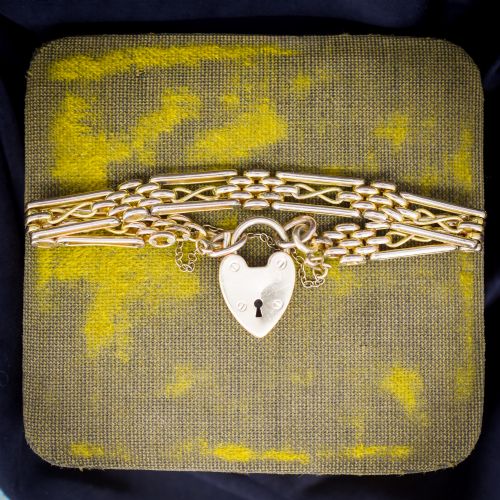
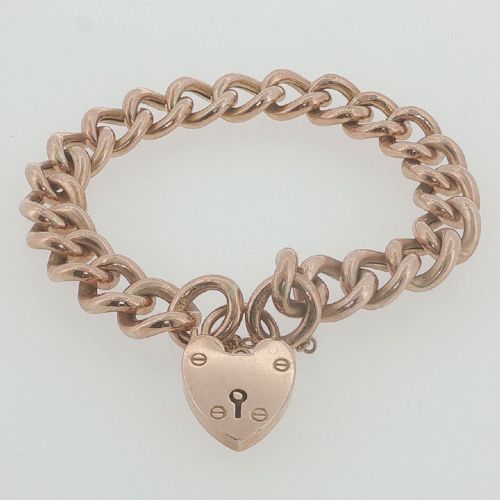
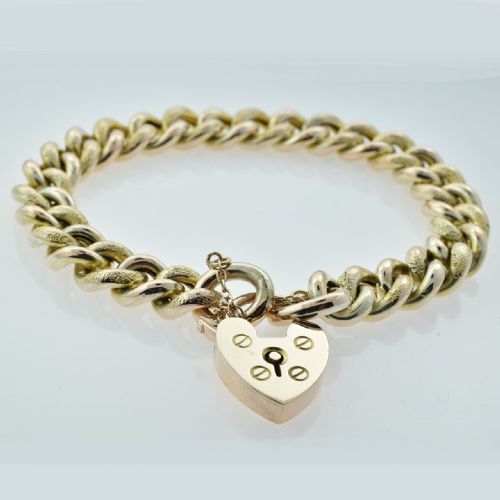
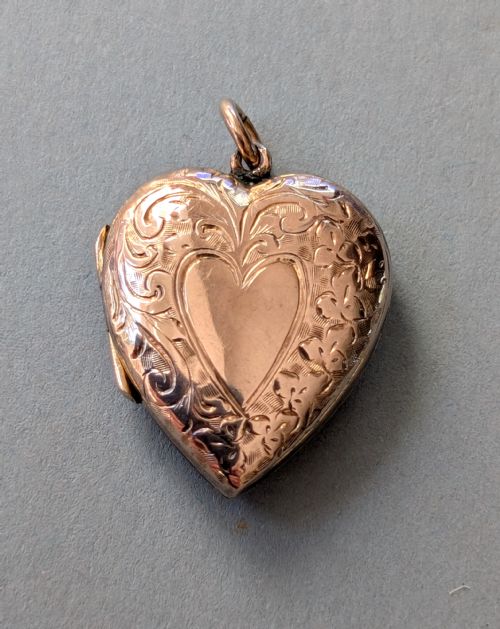
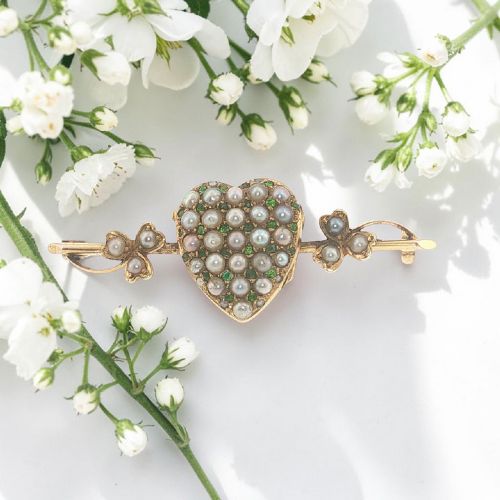
When you search for victorian heart jewellery, you encounter personal tokens and decorative accessories that span the Victorian, Edwardian, and later periods. These pieces include gate bracelets fastened with heart padlocks, engraved lockets, brooches, rings, and silver trinket boxes shaped to echo the motif. Most items discovered here originate from the late nineteenth century and the early decades of the twentieth century, reflecting a sustained cultural taste for sentimental ornaments.
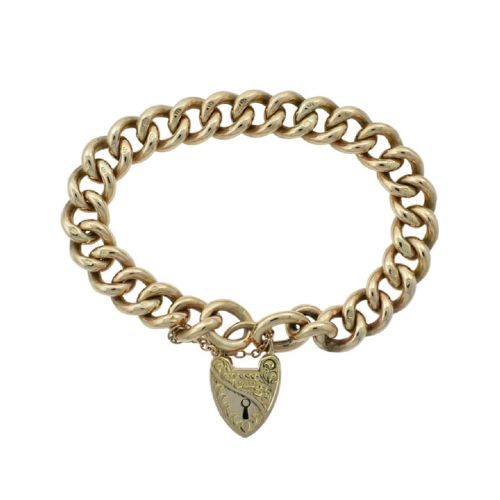
The assortment on this page leans heavily toward gold and silver wearable items, alongside desktop boxes intended for safekeeping personal valuables. You will frequently find 9ct rose gold and yellow gold associated with curb chain bracelets and charms, while sterling silver appears regularly in boxes and small containers. Pieces from the Edwardian era and the 1960s also contribute to the selection, offering variations in scale and decoration while keeping the central theme intact.
How they were made
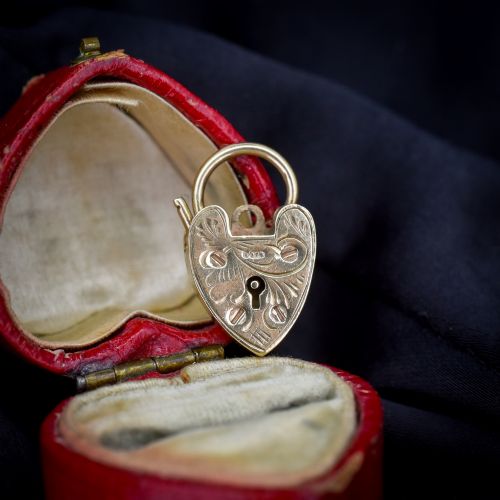
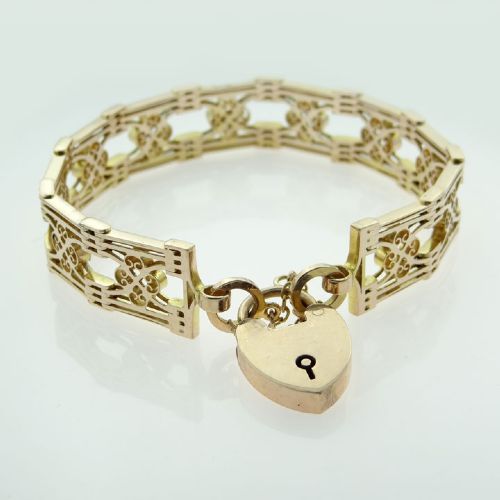
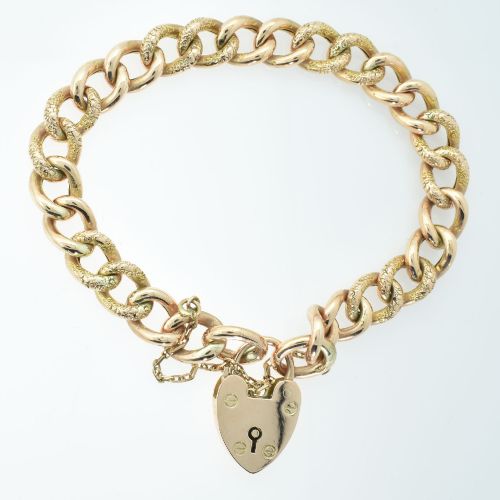
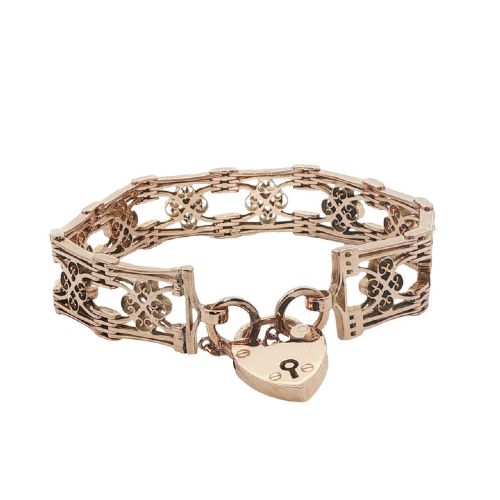
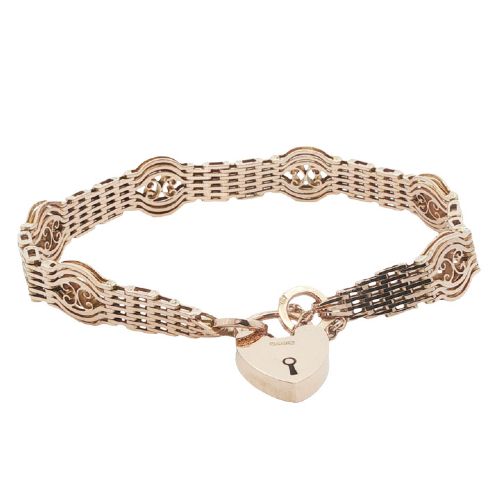
Makers shaped victorian heart jewellery primarily from 9ct, 15ct, and 18ct gold, as well as sterling silver and rolled gold, employing casting, stamping, and hand-engraving techniques. Surface ornamentation often involved half-engraved patterns, chased details, and applied wirework, particularly on curb link bracelets and gate bracelets fitted with secure heart padlocks.
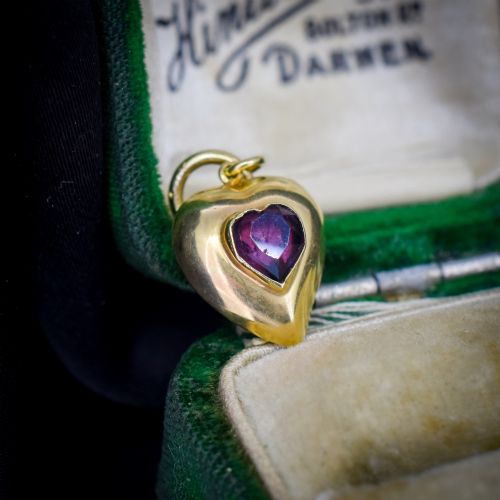
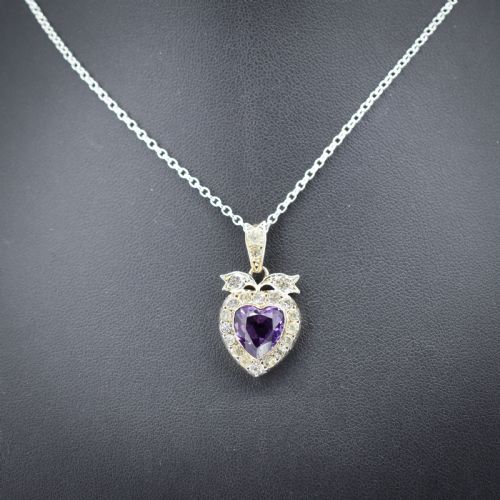
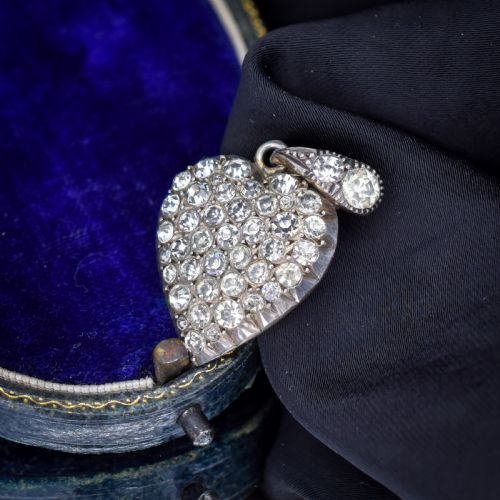
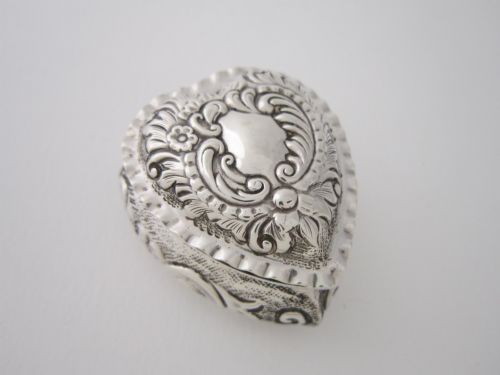
Gemstones such as diamonds, turquoise, seed pearls, green garnets, amethysts, and old-cut paste stones were flush-set or claw-set into pendants, brooches, and rings. Silver trinket boxes and sovereign holders utilised repoussé work and hinged construction, pairing metal bodies with velvet linings or tortoiseshell mounts.
Several silver boxes include tiny velvet interiors that have quietly stored hidden love tokens for over a century.
What varies in quality
The distinction between standard and superior pieces rests on the weight of the metal and the depth of the hand-engraving. Solid 15ct or 18ct gold pieces and heavy sterling silver boxes demonstrate a substantial build compared to lighter rolled gold or hollow forms.
Quality also shows in the selection and setting of the stones. Matched natural pearls, well-cut diamonds, and secure claw settings elevate a pendant or brooch above items set with simple paste or minimal decoration.
William Comyns
The Victorian Heart Jewellery Glossary
- Padlock
- A heart-shaped clasp commonly found on late nineteenth-century gate bracelets and curb chains. It served both as a functional fastener and a symbol of attachment.
- Puffy heart
- A hollow charm or pendant formed from two convex metal halves joined together to create a three-dimensional shape. These pieces gained popularity for their light weight and bold visual impact.
- Gate bracelet
- A flexible wristband constructed from parallel metal links joined by vertical bars. They frequently terminate in a heart padlock.
- Paste
- Hand-cut and polished lead glass used to imitate gemstones. In antique jewellery, old-cut paste displays distinct facets and soft brilliance.
- Sovereign holder
- A small pocket container designed to hold gold coin currency. Many examples from the period took a heart shape to combine utility with sentiment.
Victorian Heart Jewellery: Frequently Asked Questions
How do I date victorian heart jewellery?
Dating relies on hallmarks, metal purities, and prevailing design styles across the nineteenth and twentieth centuries. Hallmarks stamped into silver and gold provide specific assay office marks and date letters for exact verification.
Stylistic shifts also offer clues, such as the heavier engraved motifs of the late Victorian era compared to the lighter filigree work of the Edwardian period.
Were heart padlocks meant to be opened?
Heart padlocks on curb and gate bracelets functioned as working clasps rather than permanent locks. They allowed the wearer to secure the bracelet safely around the wrist.
Many incorporated a small spring-loaded lever that released the shanka, enabling daily wear and removal.
What is rolled gold jewellery?
Rolled gold involves a sheet of gold mechanically bonded to a base metal core under heat and pressure. This technique provided the rich appearance of solid gold at a more accessible cost.
It differs from modern plating through its thicker layer of gold, which withstands decades of careful wear.
How were silver heart boxes used?
Silver heart boxes served on dressing tables as containers for pins, rings, and small keepsakes. Their velvet-lined interiors protected delicate personal items from tarnish and surface scratches.
They also functioned as decorative objects gifted for romantic occasions or milestones.