





Victorian Hat Holder
These Victorian hat holder pieces are practical hallway furniture items that organise entranceways while offering solid period character for your home.
Victorian Hat Holder
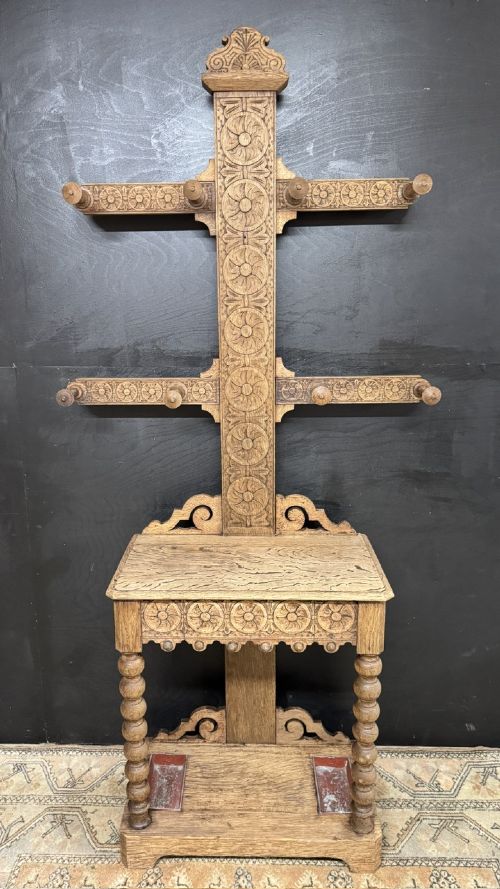
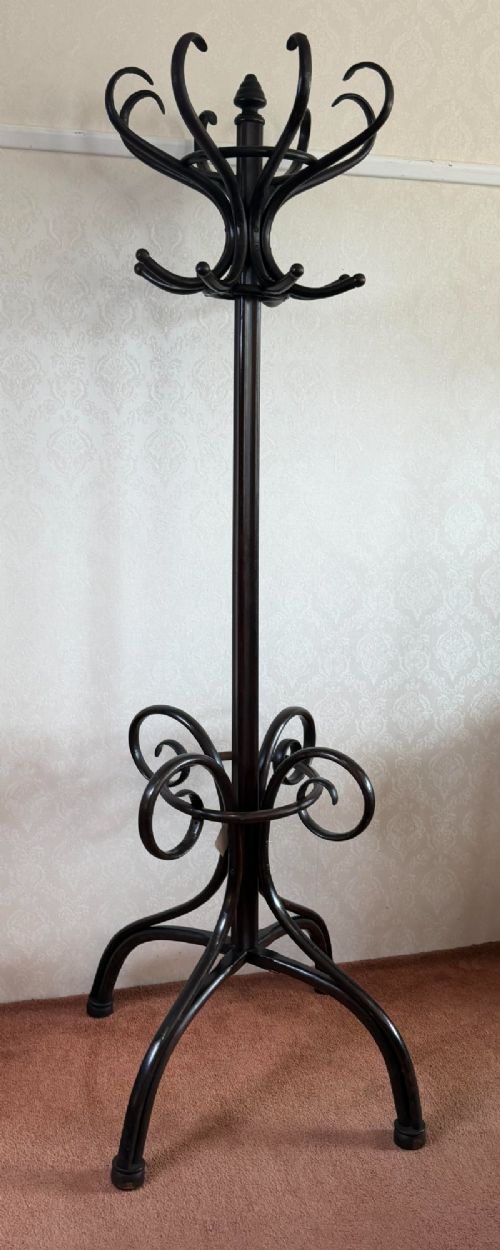
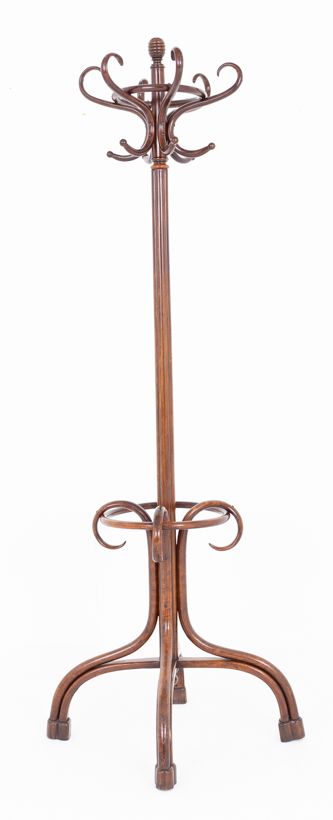
A Victorian hat holder serves as a dedicated spot for headwear in the hallway, often appearing within larger hall stands or as individual countertop brass examples. You will frequently encounter these in robust oak, mahogany, and bentwood forms dating through the nineteenth century.
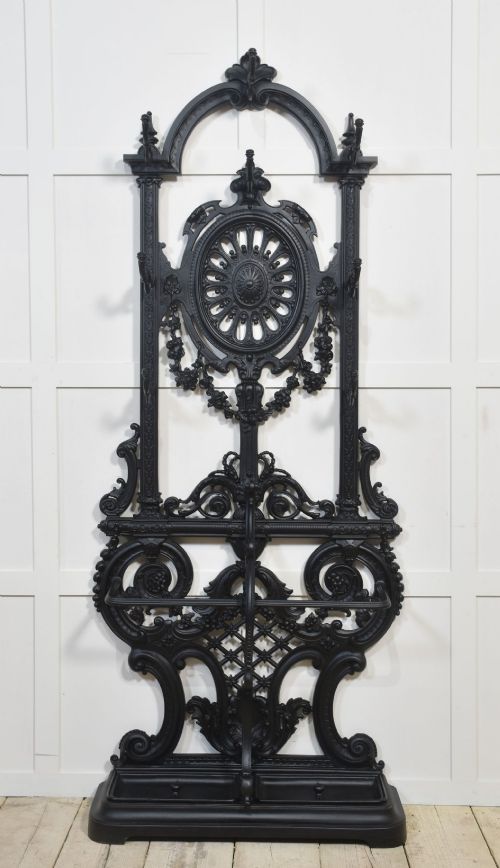
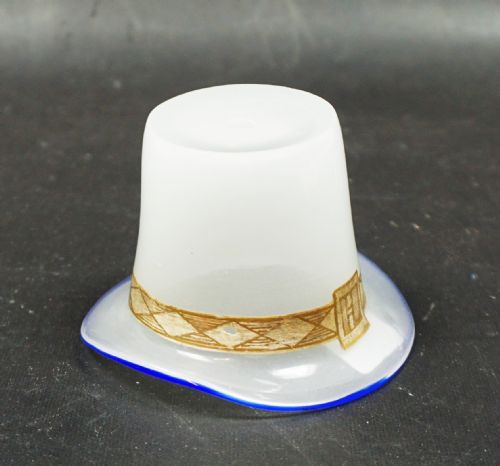
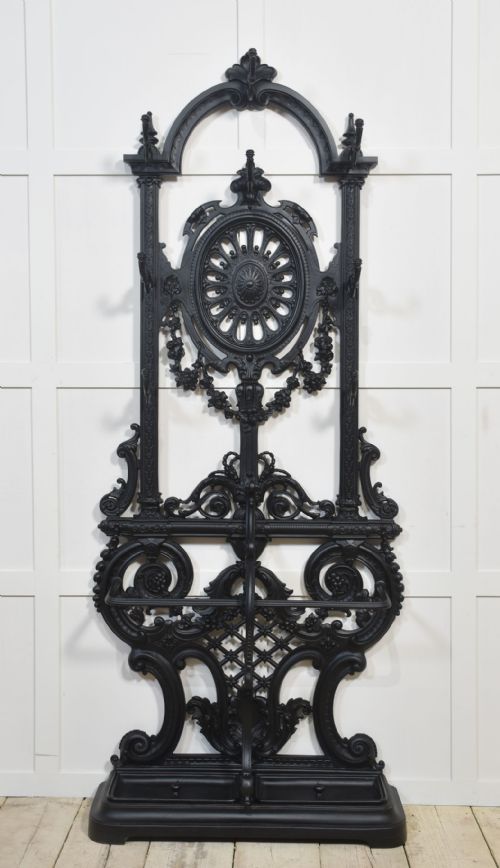
The selection ranges from tall freestanding coat and umbrella stands with integrated hat hooks to wall-mounted hooks and specialised glass pieces. Pieces span from the 1850s French opaline glass items to substantial late nineteenth-century carved oak and cast iron designs.
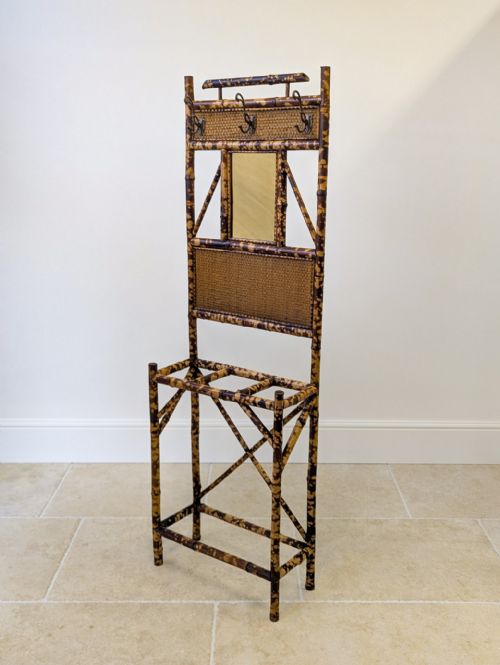
Makers utilised various regional styles including Austrian bentwood, Aesthetic Movement bamboo, and Victorian Gothic influences. This variety ensures you can match a specific period aesthetic to your entrance hall.
Materials and construction methods
Craftsmen built these items using hard timbers such as oak, mahogany, and beech, alongside steam-bent wood for curved bentwood frames. Metal components incorporate cast iron, often in Coalbrookdale styles, alongside polished brass and metal hooks for enduring strength.
Decorative elements include carved wood details like Greenman motifs, mirrored panels, and marble shelves fitted into the hall stands. Glass examples demonstrate French opaline techniques featuring applied cane rims and gilt bands.
Victorian Hat Holder Retail Price Guide 2026
Typical asking prices for victorian hat holder among the pieces listed under this phrase on Sellingantiques today, from the lower quarter to the upper quarter. They describe what is for sale here now, not the wider market.
Materials documented across the selection include brass, glass, cast iron, oak, mahogany, beech, and standard wood.
Assessing quality in period stands
Quality shows in the substance of the timber and the crispness of carved details, distinguishing mass-produced items from finer workshop pieces. Heavier cast iron foundations and sturdy joints indicate superior structural integrity for daily hallway use.
The finish of the materials, from the depth of the wood polish to the clarity of the mirror and the weight of the brass, marks the difference between standard utility items and higher-grade examples.
The Victorian Hat Holder Glossary
- Bentwood
- Wood that is shaped by heating it in steam and bending it into curves. This technique created lightweight, durable frames popular in the late nineteenth century.
- Aesthetic Movement
- A late nineteenth-century design style that emphasised visual beauty over narrative subject matter. Pieces in this style often incorporate materials like bamboo.
- Opaline glass
- An opaque or translucent glass produced in various colours during the nineteenth century. French makers frequently shaped this material into decorative items.
- Coalbrookdale style
- A style of decorative cast ironwork named after an influential English ironworks. It is recognised for intricate openwork patterns found on hall stands.
- Hall stand
- A large piece of hallway furniture combining hooks for hats and coats, umbrella racks, and frequently a mirror or glove box.
Victorian Hat Holder: Frequently Asked Questions
How do I style a hall stand at home?
Place a hall stand in your entrance hall or vestibule where it can function practically for daily coats, hats, and umbrellas. Ensure there is adequate clearance around the piece for daily access.
Pair the stand with complementary period furnishings to enhance the nineteenth-century character of your hallway space.
What materials were used?
Maker materials typically include solid hardwoods like oak and mahogany, alongside beech and steam-bent wood. Metal elements feature cast iron, brass, and specialised hooks.
Decorative accents occasionally incorporate glass, mirrors, and marble shelving into the overall structure.
How can I tell the period?
Dating relies on observing construction techniques, wood types, and stylistic indicators such as Aesthetic Movement bamboo or Gothic revival motifs. Nineteenth-century pieces often display hand-carving and heavy timber construction.
Reference specific stylistic movements associated with the dates recorded on the pieces to verify their era.