

Victorian Hand Painted Lustre
Victorian hand painted lustre pieces bring vibrant colour and reflective charm to a mantelpiece through rich glass, copper glaze, and delicate floral motifs.
Victorian Hand Painted Lustre
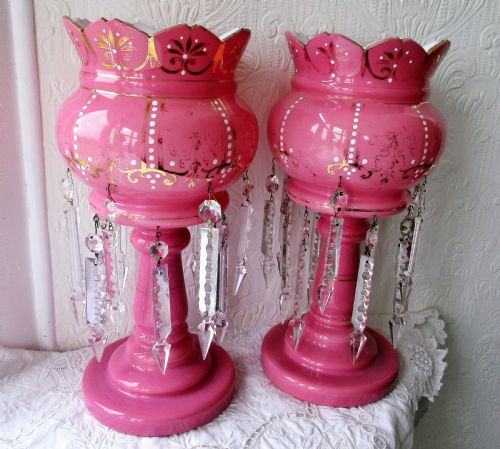
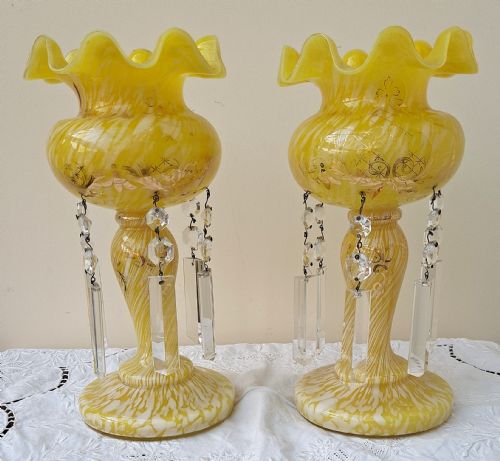
When you search for Victorian hand painted lustre, you encounter mantel lustres, table lustres, and decorative jugs shaped from glass, ceramic, and earthenware.
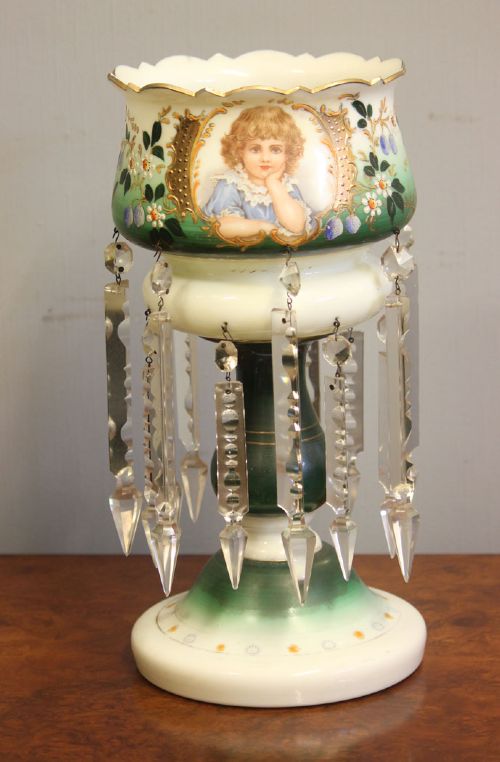
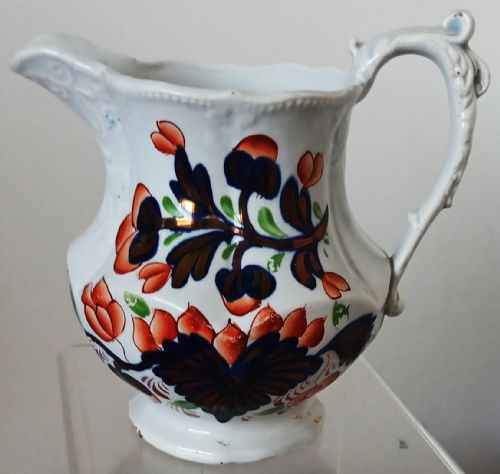
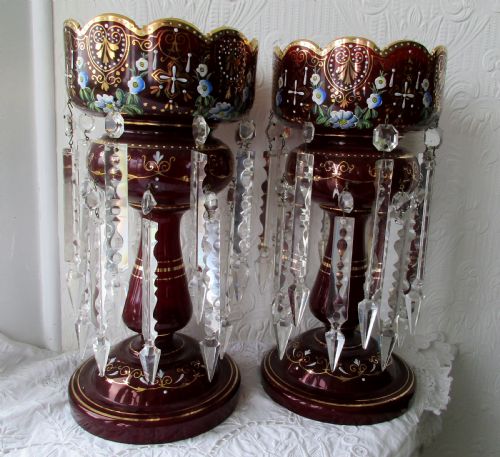
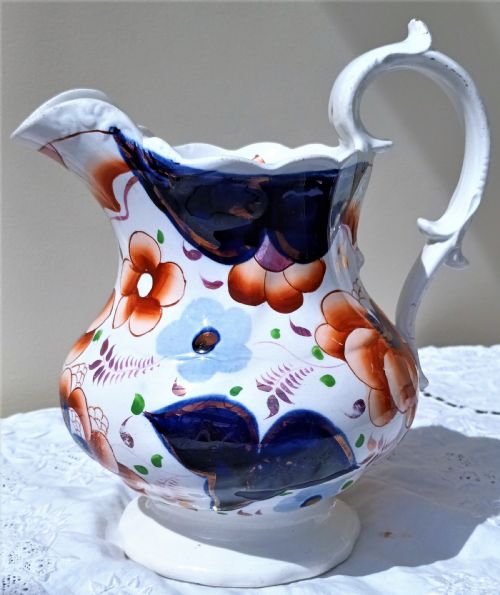
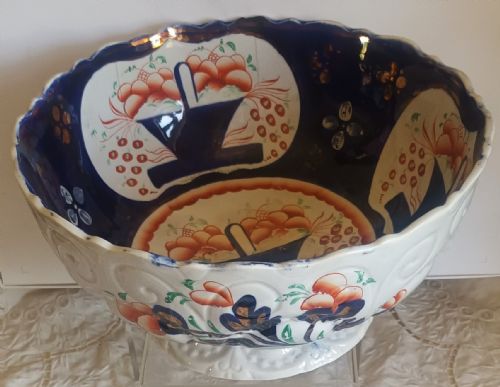
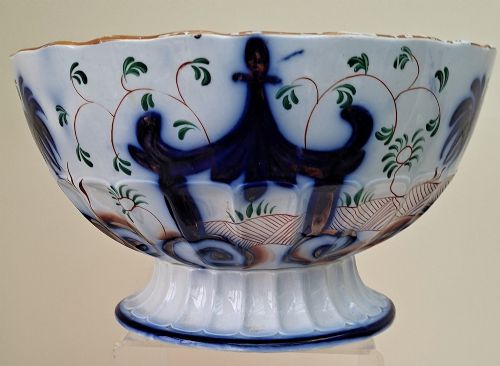
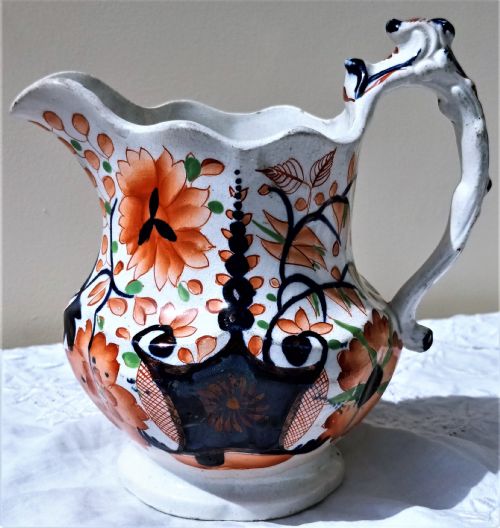
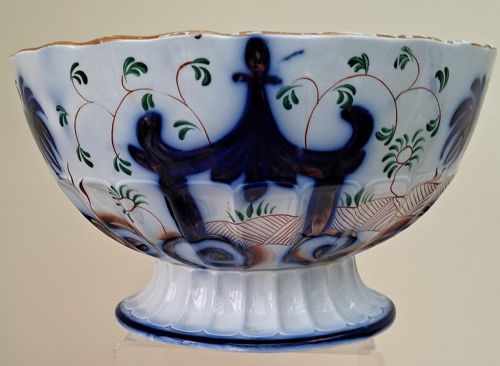
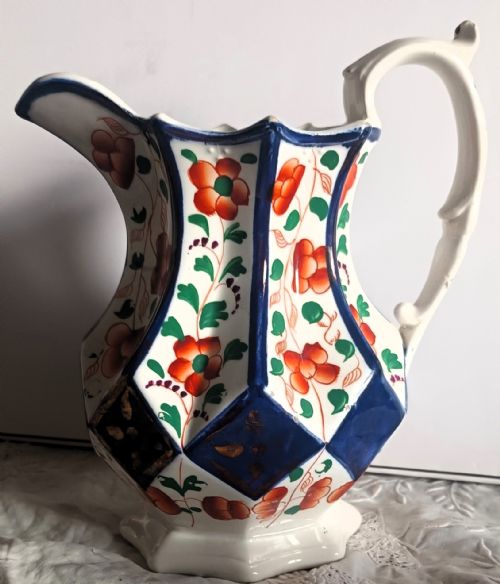
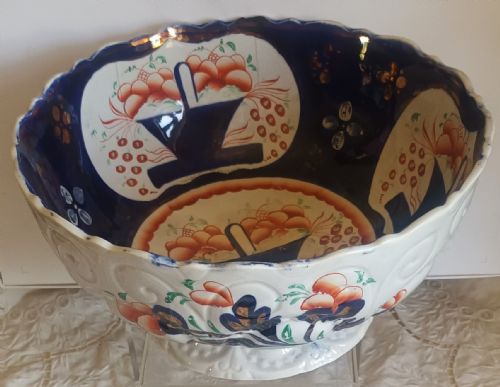
The glass examples often appear in pairs with hanging crystal prisms, whilst earthenware vessels showcase traditional pottery patterns like Gaudy Welsh and Staffordshire copper glaze.
Originating largely from the nineteenth century, these items span periods from the Georgian era through to nineteen hundred, reflecting diverse British and continental manufacturing traditions.
Distinctions in craftsmanship and finish
Quality separates objects by the precision of the hand painting and the depth of the coloured glass or glaze, where finer examples display crisper floral motifs and intact gilding.
The presence of matching original crystal prisms and unblemished glass domes elevates certain pairs, distinguishing standard decorative production from superior studio output.
Listings feature nineteenth-century items spanning glass, copper lustre, earthenware, and enamel.
The Victorian Hand Painted Lustre Glossary
- Mantel Lustre
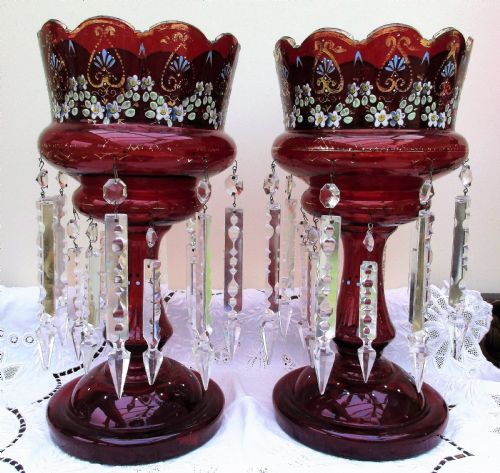
- A decorative vase or candlestick fitted with hanging glass prisms designed to catch candlelight. These ornaments sat prominently on nineteenth-century fireplaces.
- Copper Lustre
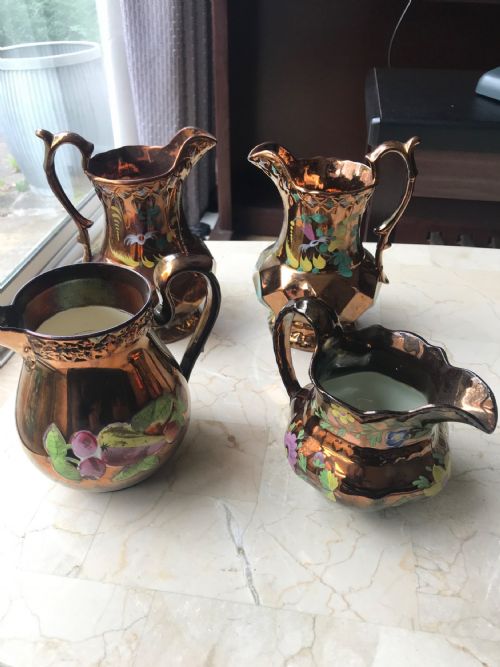
- A pottery glaze incorporating metallic copper compounds that create a coppery, reflective sheen. It frequently appears on nineteenth-century jugs and bowls.
- Overlay Glass
- A method of casing one layer of coloured glass over another before cutting through the top layer. This technique exposes the contrasting base colour beneath.
- Prism
- A cut glass pendant suspended from the rim of a lustre to refract light. Pairs typically feature multiple hanging drops.
Victorian Hand Painted Lustre: Frequently Asked Questions
How do I style mantel lustres?
Place a matched pair symmetrically on a mantelpiece or sideboard where natural light can strike the hanging glass prisms. They create strong focal points when paired with complementary nineteenth-century ceramics.
Ensure they sit securely away from heavy foot traffic to protect the delicate crystal drops from accidental knocks.
What is Gaudy Welsh pottery?
Gaudy Welsh pottery consists of earthenware items decorated with vibrant hand-painted enamels and copper lustre highlights. Common motifs include geometric and floral patterns such as Pagoda and Basket of Flowers.
These pieces were produced in large quantities during the nineteenth century for everyday household use and display.
How are ruby glass lustres different?
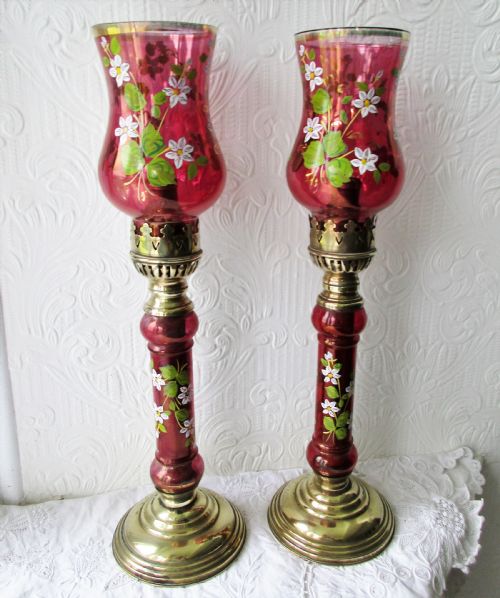
Ruby glass lustres achieve their deep red colour through the addition of gold or copper compounds during the glass-melting process. This rich hue distinguishes them from green, pink, or yellow glass variants.
Craftsmen often enhanced these ruby pieces with hand-painted enamel flowers and elaborate gilding around the rim.
Are copper lustre jugs earthenware?
Copper lustre jugs are formed from earthenware or ceramic bodies coated in a metallic glaze. Staffordshire potteries produced many of these jugs in various sizes for milk and water service.
The metallic sheen gives them an appearance similar to polished metal while retaining a ceramic core.