

Victorian Hall Table with Drawers
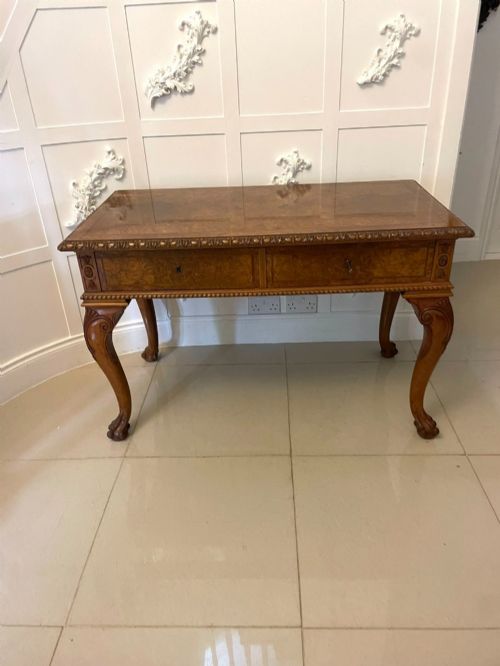
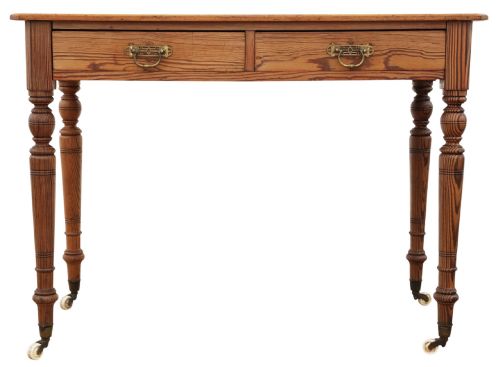
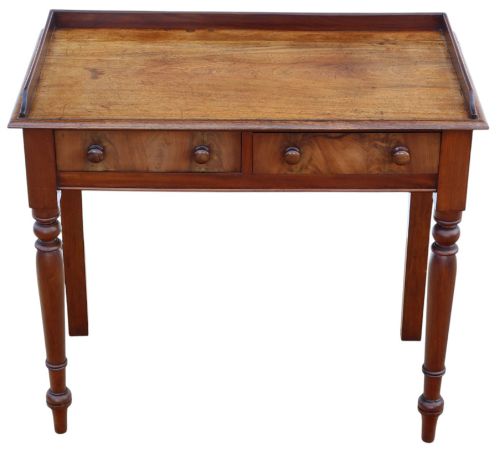
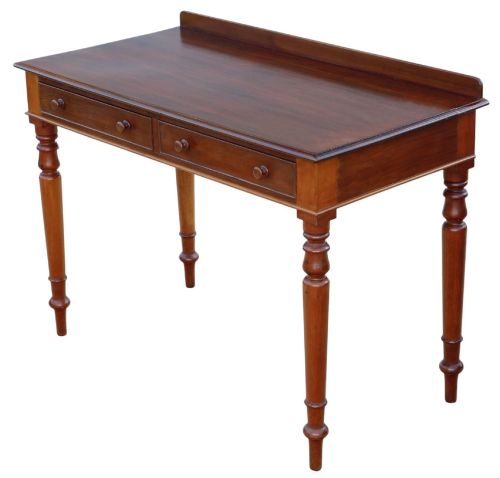
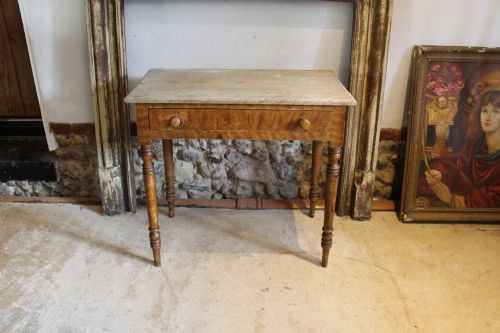
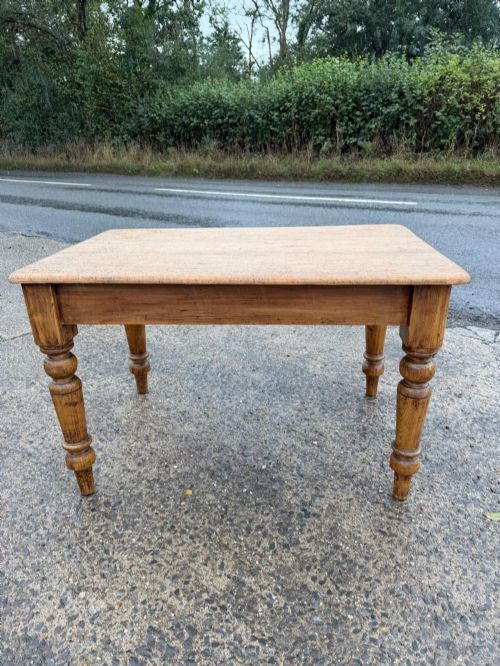
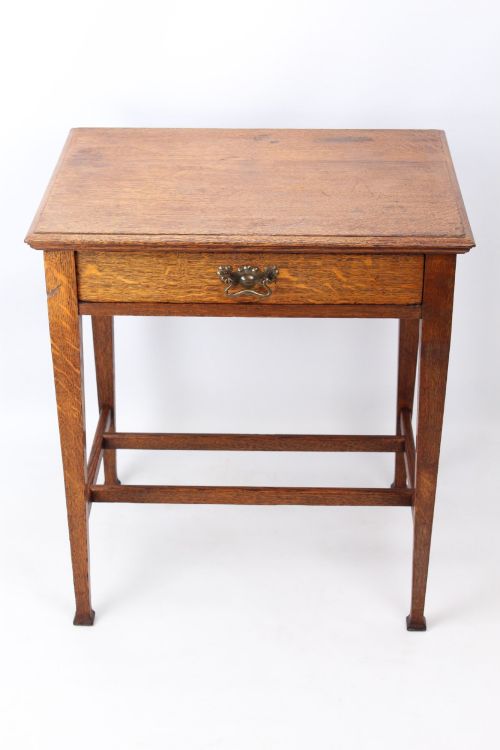
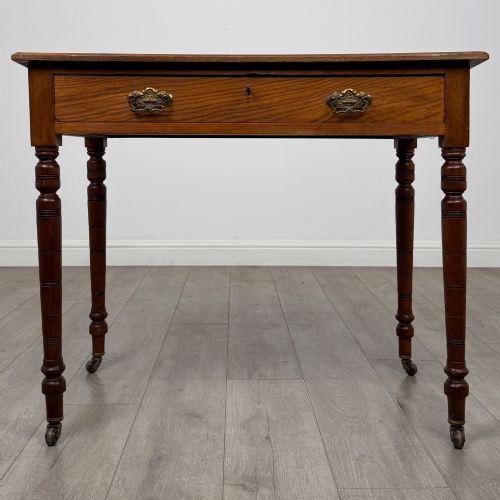
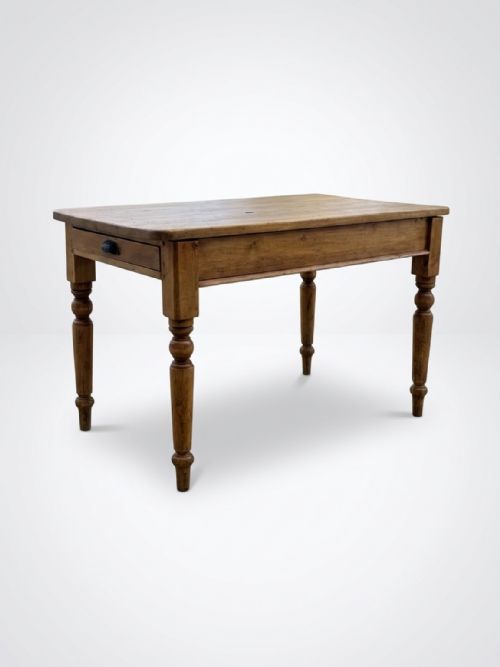
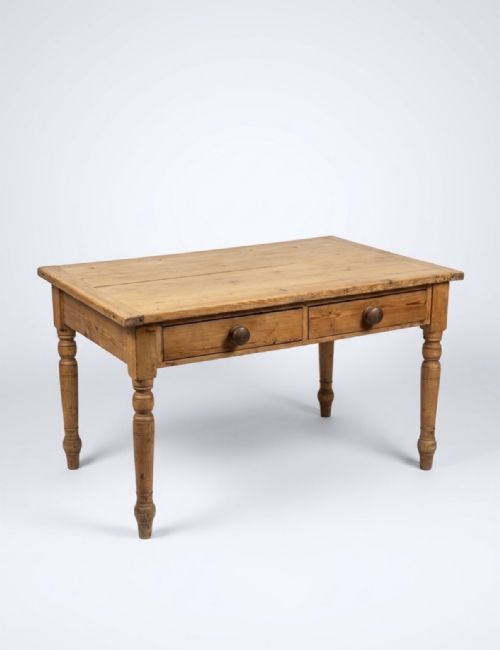
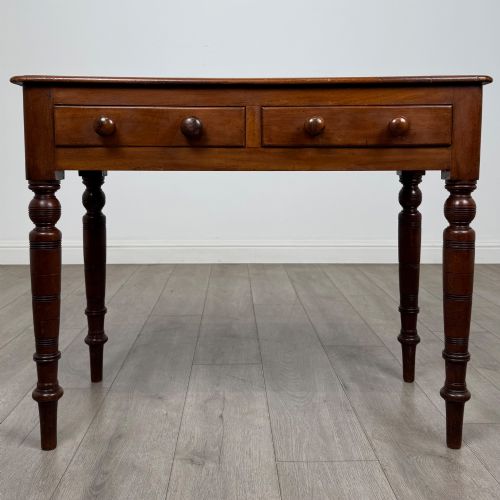
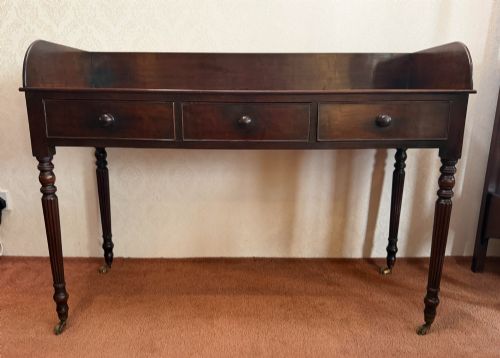
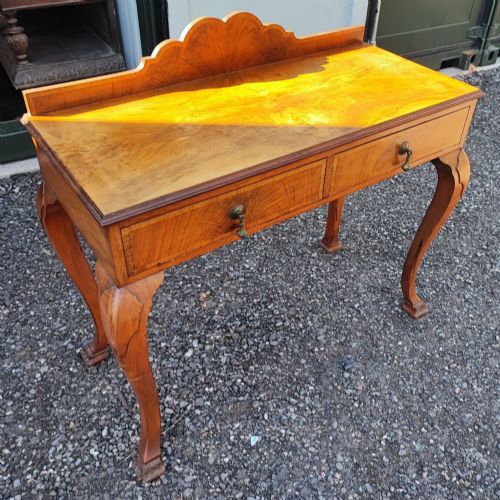
A victorian hall table with drawers sits neatly in a narrow entrance, offering practical storage and sturdy timber construction.
Victorian Hall Table with Drawers
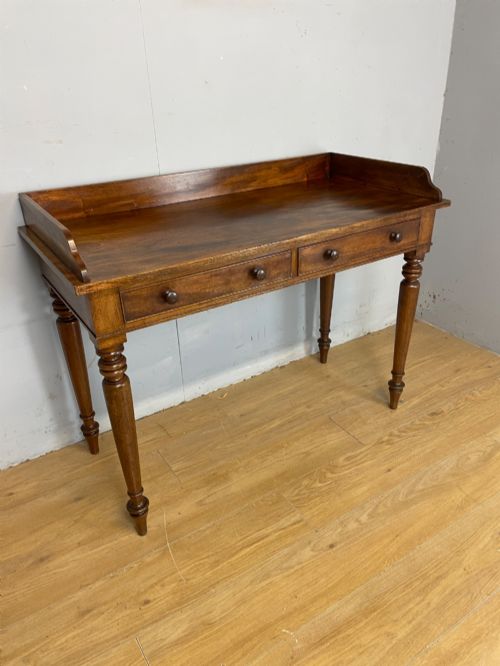
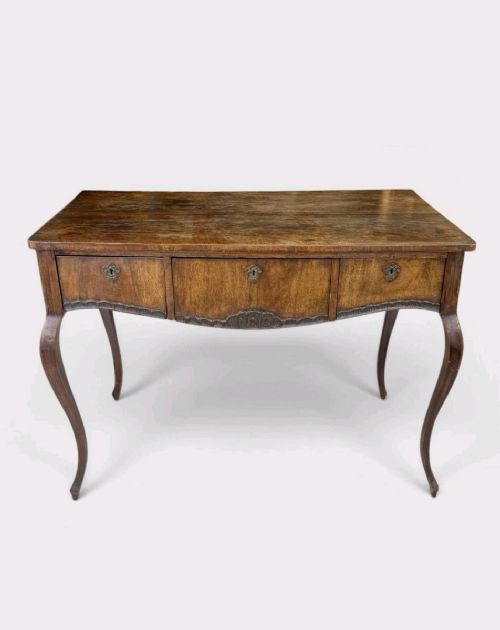
A victorian hall table with drawers provides a functional surface for correspondence and household items in a narrow hallway or passage. These pieces appear in forms ranging from simple side tables to more fitted writing desks and servers.
The materials span from durable hardwoods such as mahogany and oak to softer timbers like pine and pitch pine, often finished with paint. Regional workshops and larger firms produced these items during the nineteenth century to suit various domestic settings.
Buyers will encounter stylistic variations that include plain Victorian Country examples alongside Gothic Revival, Arts and Crafts, and Renaissance Revival designs. Many retain single or double frieze drawers fitted with original handles.
What Varies in Quality
The choice of timber dictates much of the distinction across these tables, moving from utilitarian painted pine to figured mahogany, walnut, and golden oak. Higher grade examples often display decorative carving, such as Green Man motifs, or bear the stamp of a known maker.
Construction refinement also separates standard utility pieces from exceptional commissions, seen in the precision of the drawer dovetails and the integrity of the secondary woods. Retaining original hardware and surface finishes significantly alters the character of the piece.
Several oak tables feature carved Green Man masks keeping a watchful eye over the hallway mail.
J A Mein Edinburgh·Druce and Co·Holland and Sons·Phillips Bristol·Lamb of Manchester
The Victorian Hall Table with Drawers Glossary
- Frieze
- The horizontal band beneath the tabletop that typically houses the drawers. This structural section often carries decorative carving or simple moulding.
- Dovetail
- A joint used to secure the sides of a drawer to the front. Hand-cut dovetails indicate traditional nineteenth-century cabinet making techniques.
- Washstand
- A domestic table type often adapted as a side table or hall furniture. These pieces frequently feature lower shelves or marble tops alongside drawer storage.
- Secondary wood
- The timber used for unseen parts of a piece, such as drawer linings and backboards. Common examples in these tables include pine and oak.
Victorian Hall Table with Drawers: Frequently Asked Questions
Where should I place a hall table?
These tables fit well in narrow hallways, landings, or reception rooms where surface space is needed without blocking movement. Their shallow depth allows them to sit flush against a wall.
The drawers provide convenient storage for keys, letters, and small household items, keeping entryways tidy while offering a display surface for lamps or decorative objects.
How do I care for antique timber?
Keep wooden furniture away from direct heat sources and sudden temperature changes to prevent the timber from splitting or warping. Dust regularly with a dry cloth.
Apply a traditional beeswax polish occasionally to nourish the grain and maintain the protective finish on hardwood surfaces without building up heavy residues.
What is the difference between a side table and a writing table?
Side tables are generally designed for display and general surface use against a wall, sometimes featuring simpler drawer arrangements. Writing tables are built with ergonomics for sitting and working.
Writing tables often incorporate more substantial kneehole clearance and fitted interior compartments within the drawers for correspondence and stationery supplies.
Are painted pine tables original?
Many nineteenth-century pine tables retain their original paint finish, which was applied to protect the softwood and suit domestic interiors. Original paint adds character and historical value.
Buyers should examine the surface for wear patterns and underlying layers to determine whether the paint application dates to the period of manufacture.