
Victorian Hall Lamp
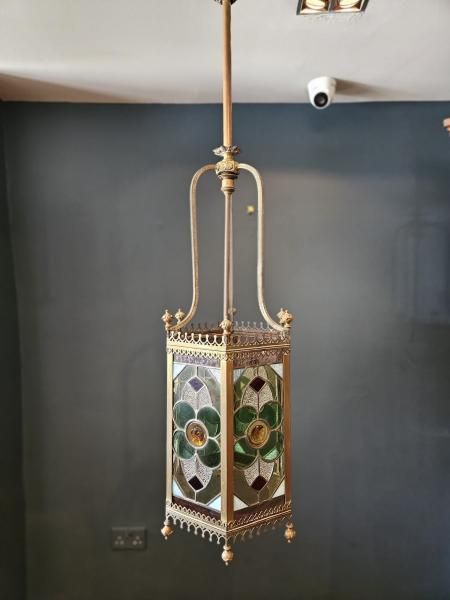
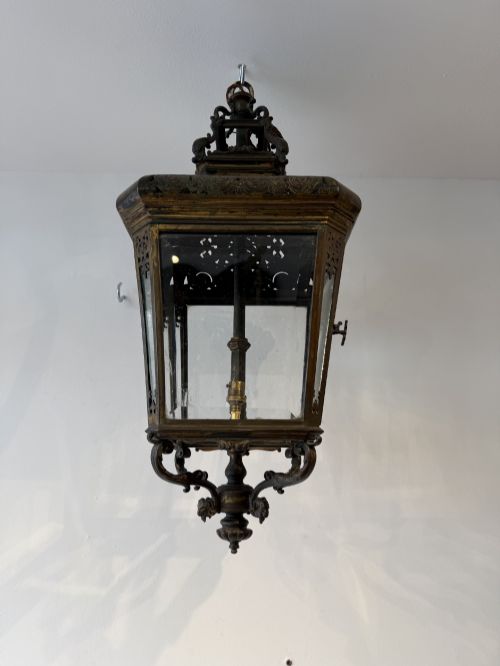
When you search for a victorian hall lamp, you are looking for period lighting designed to illuminate entrance spaces with traditional character.
Victorian Hall Lamp
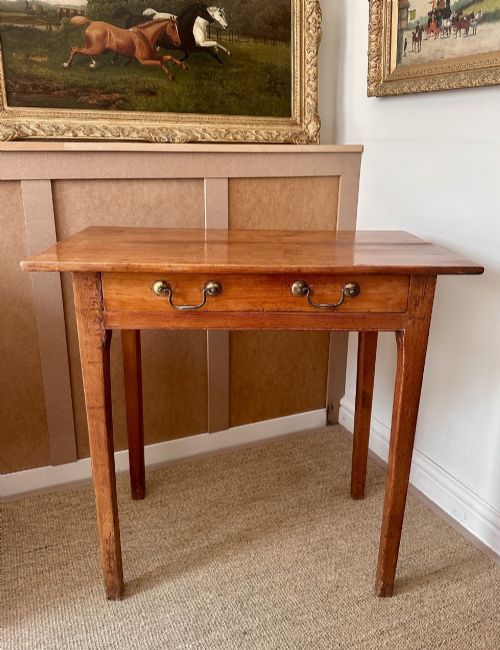
A victorian hall lamp search encompasses both hanging lanterns and the small side tables historically used to hold them or place them in corridors and entryways.
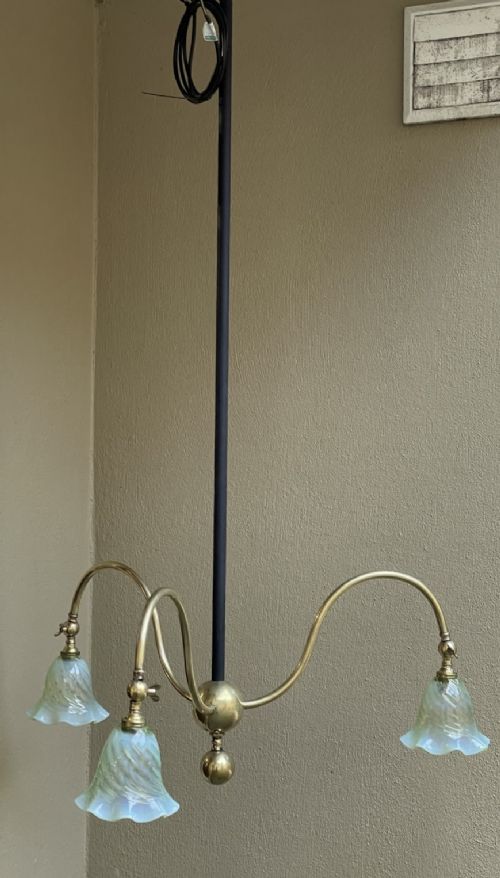
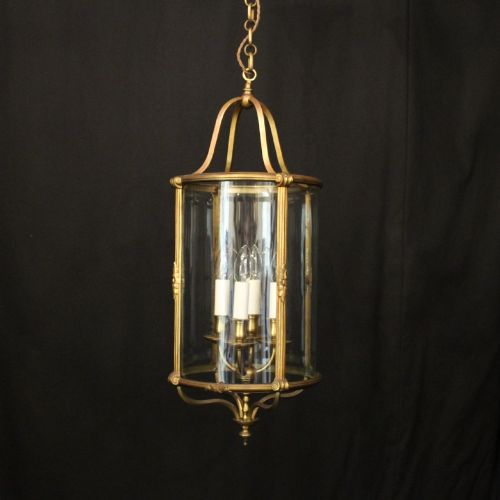
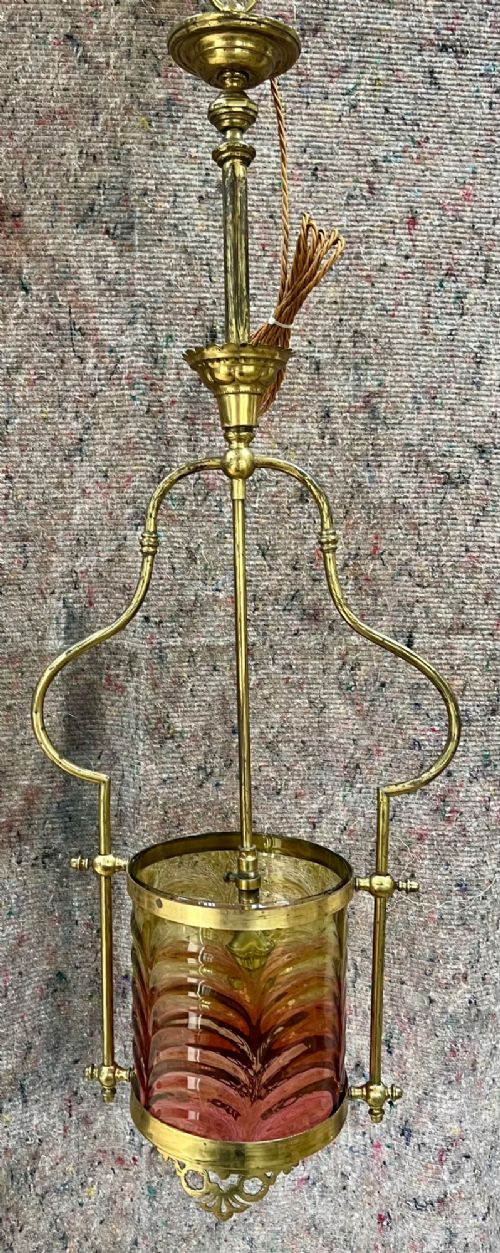
The hanging fixtures appear in metals like brass and bronze paired with leaded, coloured or opaline glass.
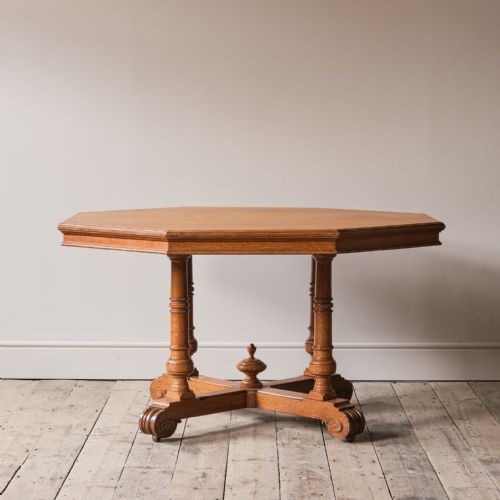
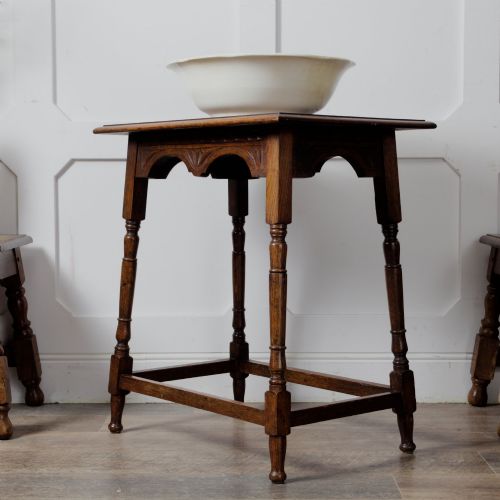
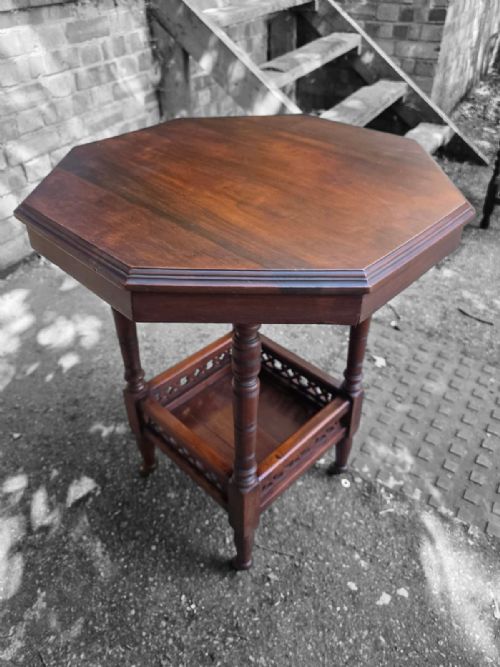
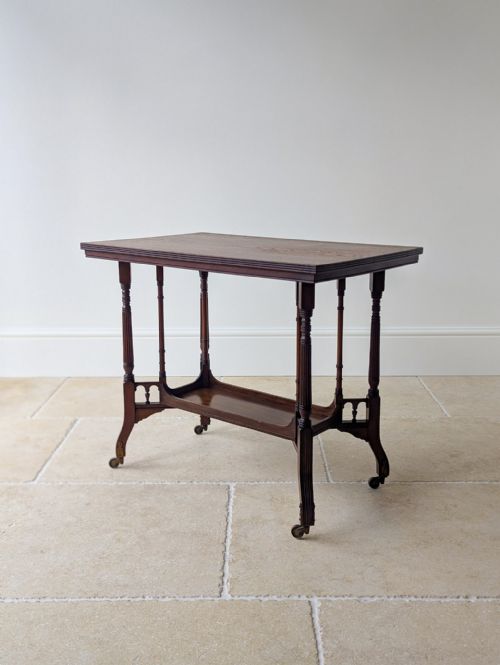
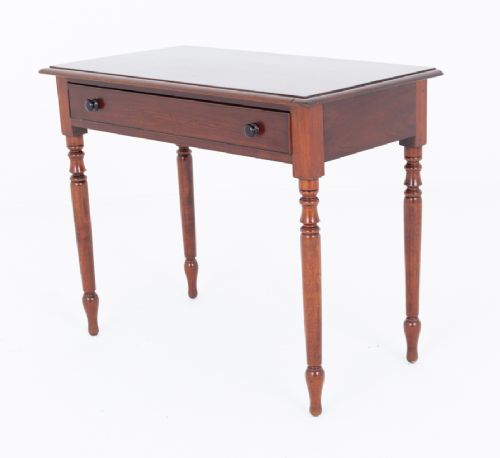
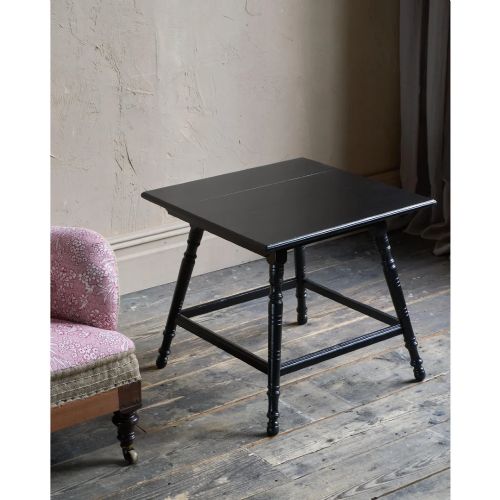
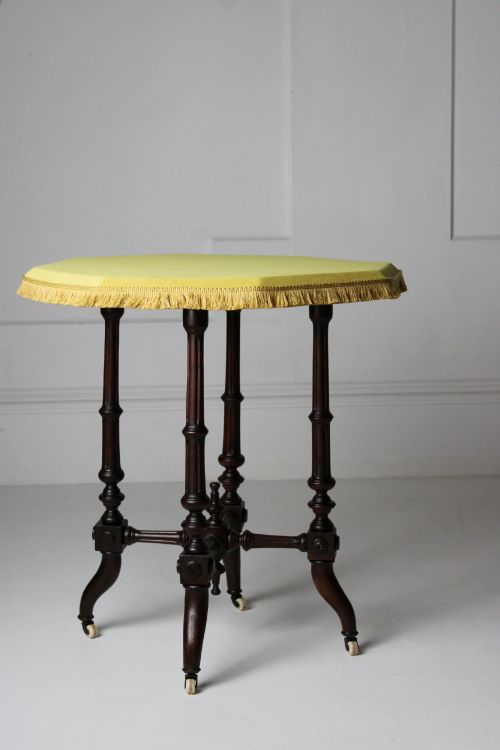
The associated furniture pieces span side tables, occasional tables and centre tables fashioned from mahogany, oak and walnut.
You will encounter pieces reflecting Victorian, Arts and Crafts, Gothic Revival and Aesthetic Movement styles from across the nineteenth century.
Materials and Construction
Metalwork utilises cast bronze, brass and silver plating to form the durable frames of lanterns and wall lights.
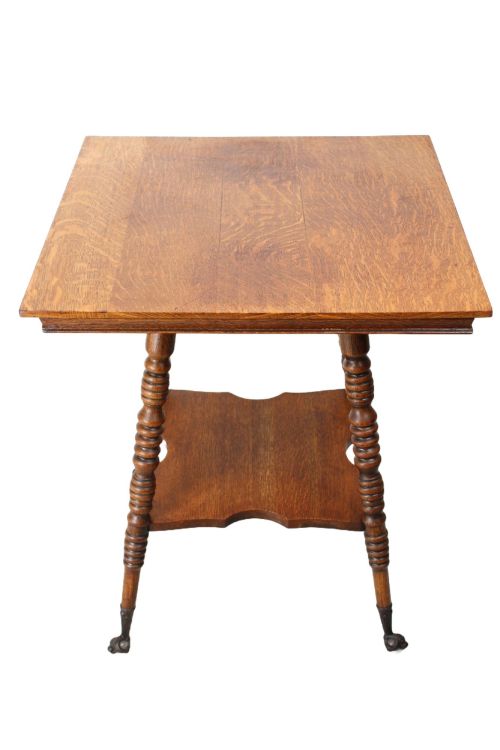
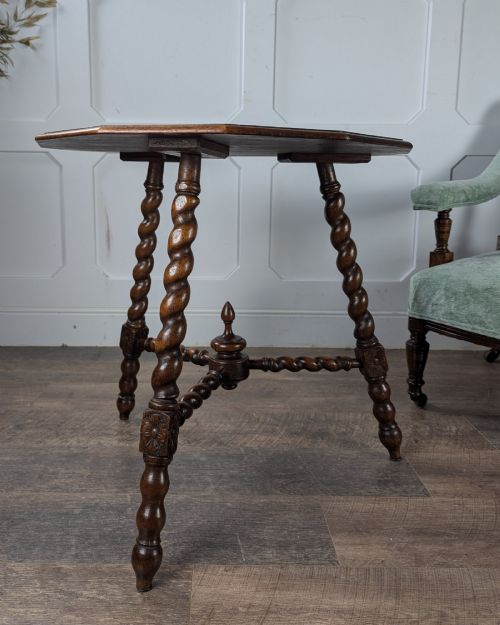
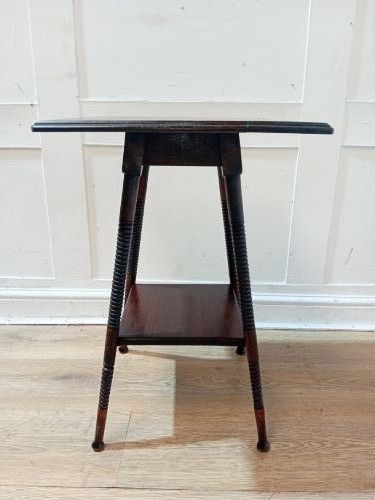
Cabinetmakers constructed tables using solid timbers such as mahogany, oak and walnut, often featuring turned barley twist supports or carved detailing.
Glazing techniques combine leaded sections, opaline glass and coloured panels to diffuse light within hanging pendant fixtures.
Listings feature woods including mahogany, oak, walnut, pine and ash alongside metals like brass, bronze and silver plating.
Assessing Quality
Quality rests upon the crispness of timber carving, the choice of figured wood veneers like burr walnut, and the structural integrity of the joinery.
In lighting fixtures, the weight of the metal casting, the complexity of the bronze work and the integrity of the glass panels distinguish finer examples.
Maker attribution through stamps or documented workshop styles adds significant distinction to individual pieces.
Gregory and Co·Hindley and Sons·William Birch·Walker and Hall·Perry and Co·Halliday of Eton
The Victorian Hall Lamp Glossary
- Barley twist
- A form of woodturning resembling a spiral rope. This decorative column style frequently appears on table legs and supports.
- Opaline glass
- A pale, translucent glass popular in nineteenth-century lighting. It softens and diffuses bulb illumination effectively.
- Gothic Revival
- An architectural and decorative style drawing inspiration from medieval forms. Pieces often display pointed arches and heavy carved oak.
- Demi lune
- A half-moon shape used for console tables. These flat-backed items sit snugly against entrance walls.
Victorian Hall Lamp: Frequently Asked Questions
What is a hall lamp table?
A hall lamp table is a compact item of nineteenth-century furniture designed to stand in an entranceway. It typically supported a candle or oil lamp before electricity became common.
These pieces often featured drawers for small items like gloves or calling cards. Their slim proportions suited narrow corridors.
How do I hang a hanging lantern?
Hanging lanterns require secure ceiling fixings capable of supporting the combined weight of the metal frame and glass panels. Professional electrical installation ensures safe operation with modern wiring.
Position the fixture at a height that clears head traffic while providing adequate illumination for the hallway.
What woods were used for Victorian tables?
Cabinetmakers primarily utilised mahogany, oak and walnut for hallway furniture. Figured timbers like burr walnut and flame mahogany provided decorative surface patterns.
Secondary woods such as pine occasionally appear in drawer linings and internal framing.