


Victorian Haberdashery Stand
These victorian haberdashery stand pieces are functional shop fittings and dressing table accessories shaped by nineteenth century trade and domestic craft.
Victorian Haberdashery Stand
A victorian haberdashery stand encompasses practical retail display items and personal sewing accessories created during the nineteenth century and the early twentieth century. Buyers seeking this phrase encounter shop fittings like cotton reel display trees, hat stretchers, and countertop display stands alongside dressing table sewing sets and collectors cabinets.
The pieces on this page lean heavily towards English shop fittings and millinery tools from the Victorian, Late Victorian, and Edwardian periods. Brass, iron, and various hardwoods dominate the forms, reflecting both commercial utility and domestic needlework organisation.
Materials and construction
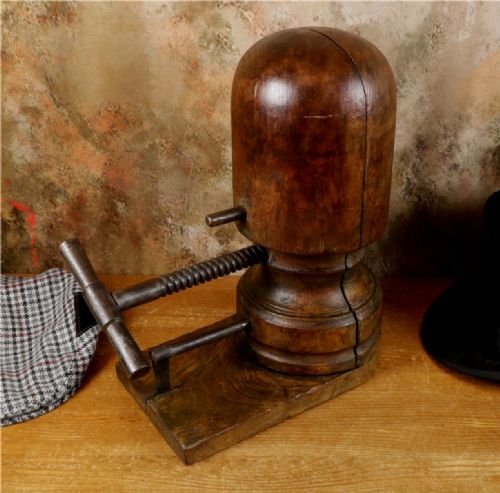
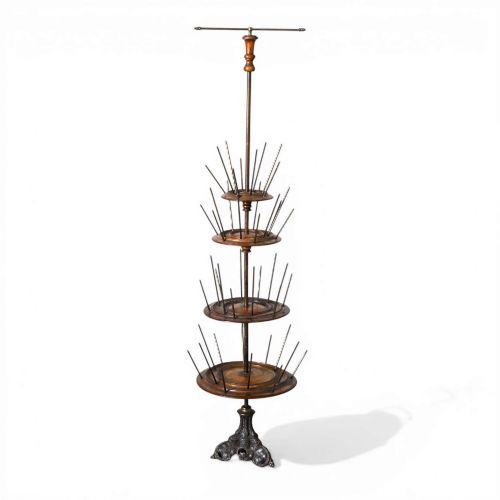
Makers utilised durable metals and dense timbers such as brass, cast iron, mahogany, and ebony to withstand daily commercial handling and frequent adjustment. Structural components often combined turned wood with cast metal fittings to provide stability for items like multi-tiered cotton reel holders and adjustable hat sizers.
Surface finishes and subsidiary elements incorporate glass and sterling silver details, particularly on dressing table sewing sets and cotton reel holders designed for domestic display. Joinery and turning techniques follow standard nineteenth century workshop practices suited to retail display shelving and millinery tools.
Listings span periods from the nineteenth century through to nineteen twenty, incorporating brass, cast iron, hardwood, and sterling silver.
Distinguishing quality
Quality rests upon the integrity of the original mechanism, the weight and choice of materials, and the crispness of turned wooden or cast metal components. Pieces retaining their original brass patination and complete tiered structures demonstrate superior craftsmanship compared to heavily altered examples.
Commercial shop fittings show distinction in their functional complexity, such as functioning hat stretchers and multi-tiered cotton reel display trees with intact fittings. Finer domestic sewing sets exhibit careful selection of ebony and sterling silver details that elevate them above standard utility objects.
The Victorian Haberdashery Stand Glossary
- Haberdashery stand
- A retail or domestic fixture designed to display or organise sewing requisites, millinery items, or small haberdashery goods. These pieces range from countertop hat stands to multi-tiered cotton reel holders.
- Hat stretcher
- A mechanical tool utilised by hatters and milliners to measure, size, or enlarge hats. Wooden examples often feature expanding segments operated via a central screw mechanism.
- Cotton reel holder
- A display tree or stand configured with multiple tiers or spindles to hold spools of thread for retail selection or needlework. They appear in brass and turned wood.
- Millinery tool
- An implement employed in the manufacture or display of hats, including sizers, stretchers, and display stands. These objects combine utilitarian strength with workshop utility.
Victorian Haberdashery Stand: Frequently Asked Questions
What is a victorian haberdashery stand used for?
These pieces served practical roles in nineteenth century shops and homes, organising cotton reels, displaying hats, or holding sewing accessories.
Today, collectors utilise them as decorative display pieces or functional organisers in domestic interiors.
How do I identify a Victorian piece?
Identification relies on observing the materials, construction methods, and stylistic cues characteristic of the nineteenth century. Look for traditional turning on hardwoods, combined with cast iron and brass elements typical of period shop fittings.
Matching the object type to recorded retail and domestic uses from the era helps confirm its origins.
What materials are common in these stands?
The evidence shows a strong presence of brass, cast iron, and hardwoods such as mahogany and ebony.
Subsidiary materials include glass and sterling silver, particularly on dressing table items and smaller holders.
How should I care for brass and wood?
Preserve the metal surfaces by dusting gently and avoiding harsh chemical polishes that strip historical patination. Wood components benefit from occasional gentle cleaning and maintenance appropriate for antique furniture.
Keep pieces away from direct heat sources and excessive moisture to protect the joins and finishes.