




Victorian Gothic Writing Stand
These Victorian gothic writing stand pieces are robust desk accessories built for the nineteenth century study, offering heavy timber construction and practical compartments.
Victorian Gothic Writing Stand
A Victorian gothic writing stand sits on a library table or partner desk to hold ink, pens and writing paper. Most examples encountered here date from the nineteenth century, emerging from the Victorian era around eighteen fifty to nineteen hundred.
The form usually incorporates a fitted base with one or two glass inkwells alongside channels for dip pens and storage for stationery. Oak and walnut dominate the selection, often enriched with brass fittings or carved details.
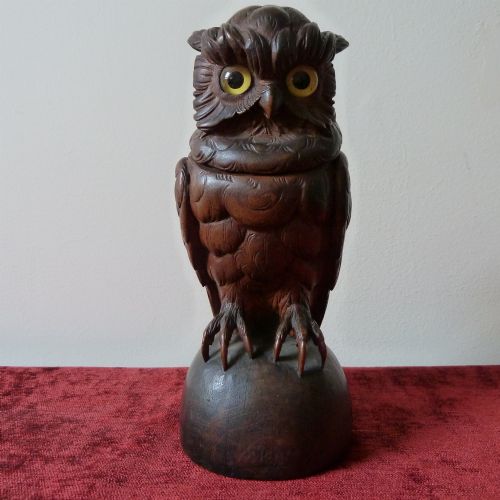
Certain items display the heavy carving typical of Black Forest production or the distinct architectural lines of the Gothic Revival style. Buyers will also find related desk accessories such as stationary boxes and clerks desks.
Materials and construction
Cabinetmakers utilised dense hardwoods like oak, walnut, coromandel and golden mahogany to build these sturdy desk stands. These timbers were selected for their durability and grain, then polished to a deep lustre.
Metal elements including brass and ormolu provide structural mounts, hinges and inkwell collars. Glass forms the internal inkwell inserts, while selected pieces feature silk linings or mother of pearl inlay.
Victorian Gothic Writing Stand Retail Price Guide 2026
Typical asking prices for victorian gothic writing stand among the pieces listed under this phrase on Sellingantiques today, from the lower quarter to the upper quarter. They describe what is for sale here now, not the wider market.
Listings feature oak, walnut, coromandel, brass, and glass across the nineteenth century.
Assessing quality and execution
Execution of carved ornament separates standard desk accessories from superior examples. Crisp, deep relief work in oak or walnut indicates a skilled hand at the bench rather than routine workshop production.
The integration of materials dictates the overall calibre of the piece. Heavy cast brass mounts and well-fitted coromandel compartments demonstrate a higher standard of manufacture than simpler domestic boxes.
The Victorian Gothic Writing Stand Glossary
- Inkstand
- A fitted tray or stand holding inkwells and pen rests for a writing desk. It keeps writing implements organised and protects the desktop.
- Coromandel
- A dense, dark exotic timber with contrasting light brown grain used for luxury nineteenth century boxes. It provides a striking decorative surface.
- Ormolu
- Gilded bronze or brass applied to furniture and desk accessories as mounts. This technique adds metallic contrast to the timber base.
- Black Forest
- A regional style of wood carving originating in Central Europe known for naturalistic animal and foliage motifs. Owls and bears frequently feature in these designs.
Victorian Gothic Writing Stand: Frequently Asked Questions
What is a Victorian gothic writing stand?
A Victorian gothic writing stand is a nineteenth century desk accessory designed to hold inkwells, pens and stationery. These items combine practical writing compartments with architectural gothic revival decoration.
They were placed on desks in studies and libraries to keep writing materials close at hand. The solid construction reflects the period's preference for durable, heavy timber furnishings.
How do I use an inkstand today?
An antique inkstand serves as a decorative desk organiser for modern stationery, fountain pens or business cards. The glass inkwells can hold small items or paper clips.
Placing one on a modern desk adds period character and creates a designated spot for daily writing tools. The enclosed compartments help manage clutter while maintaining a traditional aesthetic.
What woods were used for these desks?
Cabinetmakers built these pieces using domestic and exotic hardwoods suited to heavy daily use. Oak and walnut appear frequently in standard Victorian examples.
More luxurious pieces utilise dense coromandel or golden mahogany. These timbers were chosen for their strength and decorative grain patterns.