

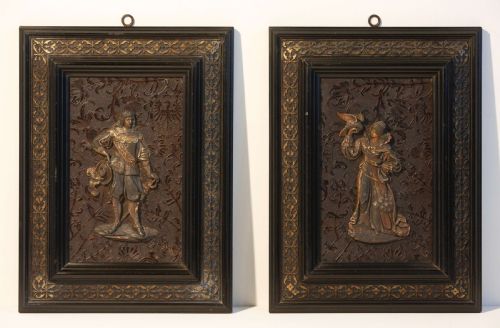



Victorian Gothic Wood Panel
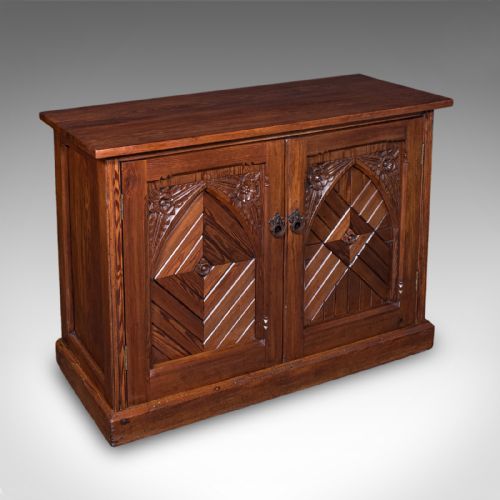
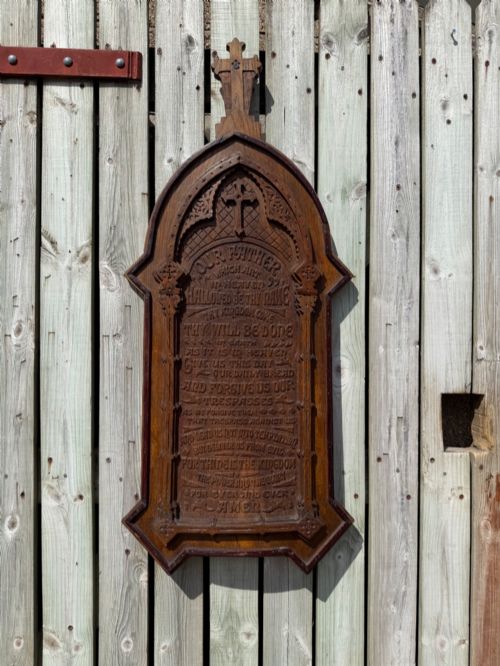
These pieces of victorian gothic wood panel bring medieval architectural punch into domestic rooms through heavy timber and pointed arches.
Victorian Gothic Wood Panel
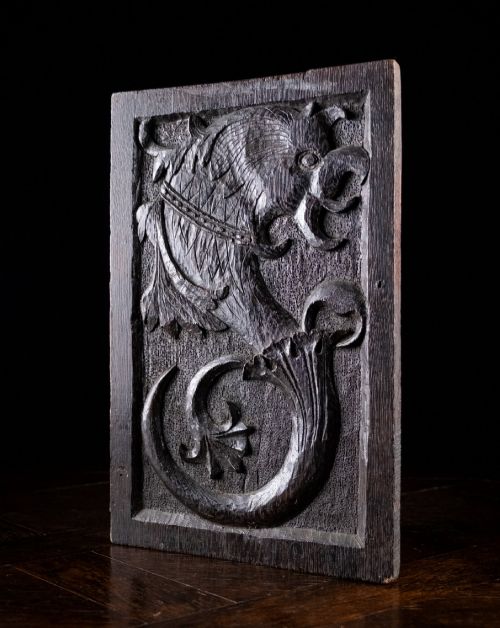
When buyers search for a victorian gothic wood panel, they encounter architectural salvage, wall plaques, and church fragments dating through the nineteenth century. These objects include repurposed ceiling panels, crests, and church tracery made from heavy timber.
The most common forms on this page stem from the Victorian era and use revival styles like Gothic Revival and Victorian & Gothic. They often originate as rescued pieces from ecclesiastical settings or larger country house schemes.
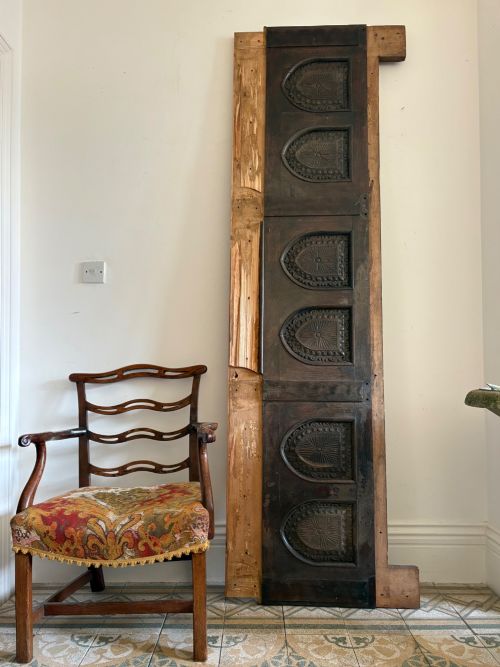
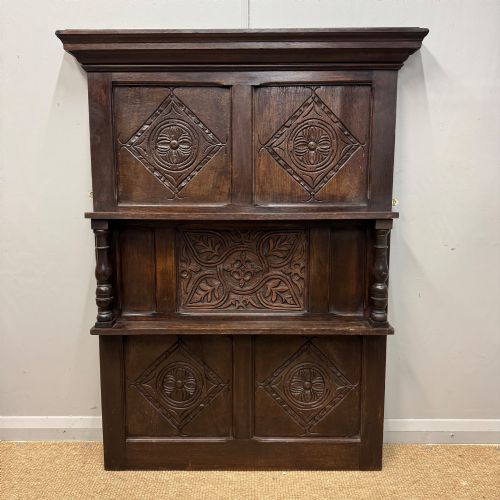
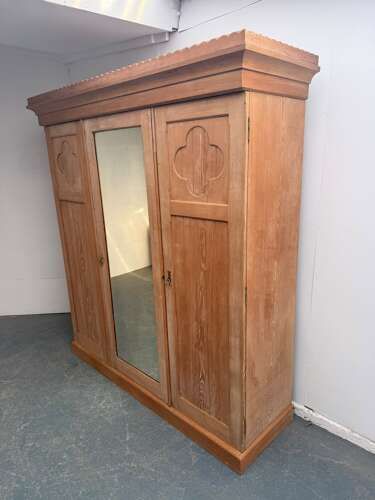
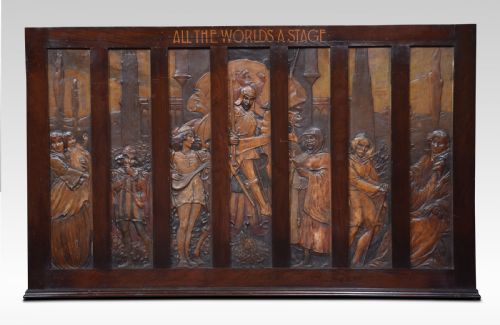
Beyond flat panels, the selection stretches to benches, settles, and architectural screens carrying deep carving. The focus remains on timber elements featuring linenfold, parchemin, or figural motifs.
Materials and construction
Makers relied heavily on oak, mahogany, pine, and fruitwood to construct these items. Oak dominates the surviving woodwork, often selected for its durability and suitability for deep relief carving.
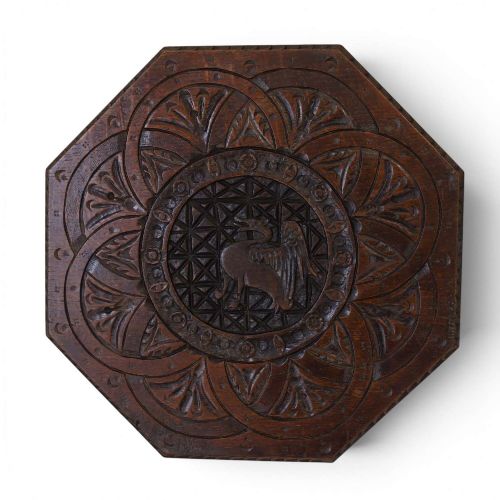
Carpenters and carvers utilised traditional hand tools to produce linenfold, parchemin, and tracery patterns directly into the timber. Assemblages frequently incorporated brass frames, glass, or gilding to accent the carved wood.
Victorian Gothic Wood Panel Retail Price Guide 2026
Typical asking prices for victorian gothic wood panel among the pieces listed under this phrase on Sellingantiques today, from the lower quarter to the upper quarter. They describe what is for sale here now, not the wider market.
Recorded periods stretch from the eighteenth century through the Victorian era up to nineteen-ten.
Judging quality in these items
The depth and crispness of the hand carving separate standard items from superior examples. Skilled work shows sharp undercut details in foliage, figures, and tracery rather than soft, mechanical rounding.
The integrity of the timber and the honesty of its preservation dictate the standing of a piece. Original surfaces, such as aged wax or untouched polish, carry more authority than heavily stripped or modernly refinished wood.
The Victorian Gothic Wood Panel Glossary
- Linenfold
- A style of wood panel carving resembling folded linen or parchment. It became popular in late medieval joinery and saw revival use during the Victorian period.
- Tracery
- Openwork stonework or woodwork ornamentation, typically seen in Gothic windows and screens. In wood panels, it forms interlocking geometric patterns.
- Parchemin
- A flat panel carved to resemble a parchment scroll with turned-back edges. This decorative motif frequently appears on sixteenth-century style woodwork.
- Ecclesiastical
- Relrelating to the Christian Church or its clergy. Many pieces carrying this label originate from church pews, vestries, or pulpits.
- Architectural salvage
- Building materials rescued from demolition or alteration for reuse. These items range from wall panels to complete entrance screens.
Victorian Gothic Wood Panel: Frequently Asked Questions
Where were these wooden panels originally placed?
These panels often formed part of church interiors, grand hall panelling, or ecclesiastical furniture like pews and screens. Craftsmen carved them to decorate domestic or religious spaces with medieval motifs.
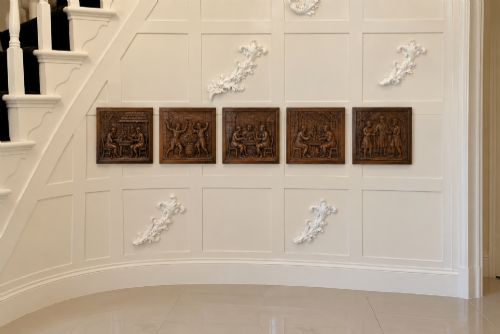
Over time, many were salvaged from demolished buildings or dismantled during interior alterations. They now function primarily as decorative wall art or architectural accents in modern rooms.
How do I mount a heavy wood panel?
Heavy timber panels require secure fixings into structural wall studs or masonry rather than simple plasterboard anchors. Professional framing or custom metal brackets help distribute the weight safely.
Consulting a specialist installer ensures the panel remains stable without placing undue stress on the antique wood itself.
How do I care for nineteenth-century oak?
Maintain nineteenth-century oak by keeping it away from direct heat sources and dramatic humidity swings that cause timber to split. Dust the surface regularly with a dry, soft cloth.
Apply a traditional beeswax sparingly to nourish the grain, avoiding modern silicone-based polishes that build up and damage the finish.
What defines the Gothic Revival style?
Gothic Revival draws inspiration from medieval architecture, featuring pointed arches, trefoils, and heavy carved relief work. Designers sought to recapture the spiritual atmosphere of the Middle Ages.
In woodwork, this translates to dense foliage, linenfold panels, and dramatic ecclesiastical forms adapted for Victorian homes.