


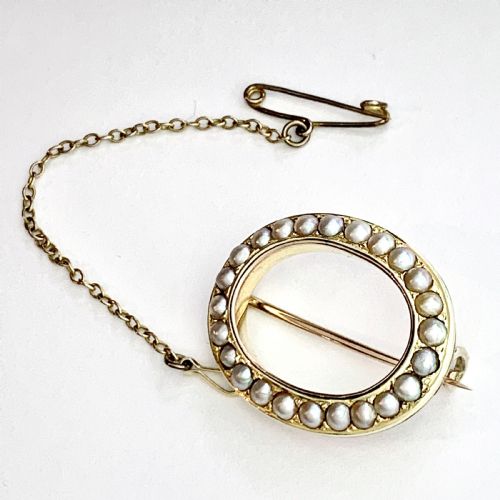


Victorian Gold Safety Pin
These Victorian gold safety pin pieces are clever fastener designs transformed into wearable jewels, prized for their secure clasps and fine gems.
Victorian Gold Safety Pin
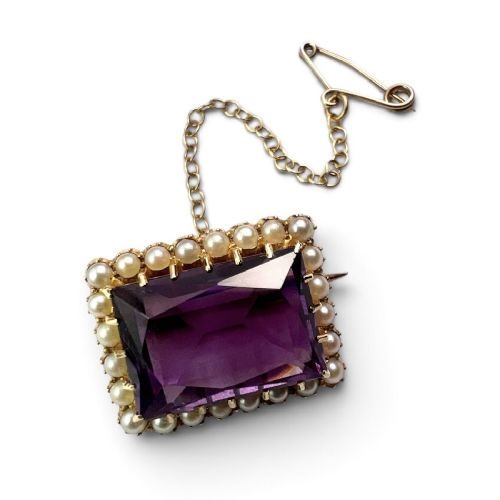
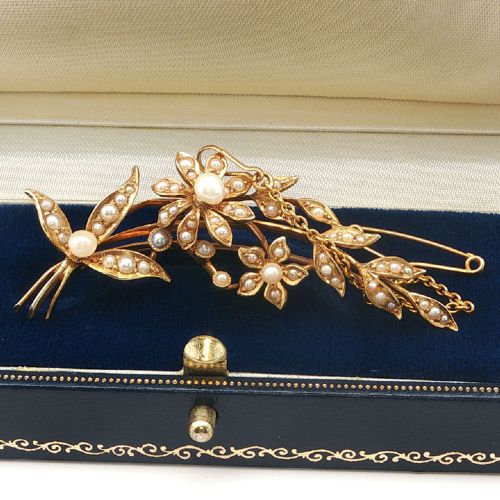
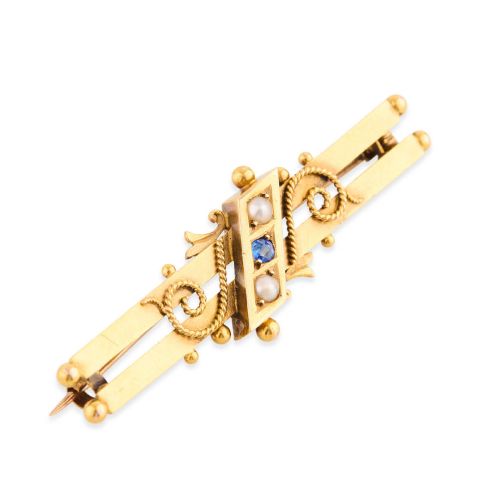
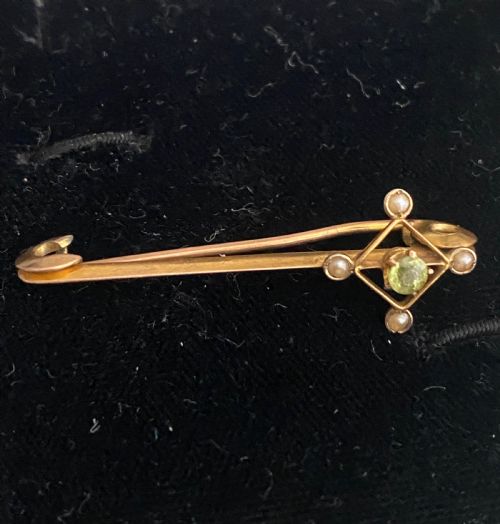
A victorian gold safety pin typically takes the form of a bar brooch, double bar, or figurative design secured with a functional pin mechanism. Buyers encounter variations ranging from simple gold bars to elaborate floral sprays and insect motifs.
The selections span the Victorian, Edwardian, and later periods well into the 1920s and 1930s. Most examples incorporate high karat golds alongside precious and semi-precious stones.
Makers shaped these jewels as practical dress accessories for pinning scarves, lapels, and collars. Many include historical safety chains to secure the piece during daily wear.
Materials and Construction
Goldsmiths utilised nine, fourteen, and fifteen carat yellow gold as the primary structural metal for these brooches. Workers also applied specialist techniques such as cannetille wirework to build intricate surface texture.
Workshops set old cut diamonds, sapphires, turquoises, aquamarines, peridots, and citrines directly into the metal frame. Jewellers accented these central stones with seed pearls, split pearls, and dark enamel details.
Swallows, dragonflies, and butterflies make frequent appearances, letting insects double as high-value fashion accessories.
Assessing the Range
Quality separates simple cast bars from pieces featuring meticulous handiwork and balanced gemstone arrangements. Finer examples display precise prong settings and well-proportioned motifs like dragonflies, swallows, and butterflies.
The inclusion of matched gemstones such as graduated pearls or clean sapphires lifts a piece above standard production. Survival of original safety chains and functional pin mechanisms also distinguishes better preserved survivals.
The Victorian Gold Safety Pin Glossary
- Cannetille
- Fine gold wirework soldered onto a metal surface to create intricate lace-like patterns. This technique evokes older embroidery styles popular in mid nineteenth-century jewellery.
- Jabot pin
- A long decorative pin originally designed to fasten jabot neckwear in place. These pieces often feature an ornamental terminal at each end.
- Bar brooch
- A narrow horizontal metal rod configured to span a length of fabric. Jewelers frequently adorned these simple frames with central gemstones or clustered floral sprays.
- Old cut diamond
- A hand-faceted diamond shape characteristic of nineteenth-century cutting techniques. These stones feature smaller tables and larger culets than modern brilliant cuts.
- Split pearl
- A natural pearl sliced in half to allow flush mounting onto a flat backing. Workers frequently used these halved pearls to line the borders of floral and heart motifs.
Victorian Gold Safety Pin: Frequently Asked Questions
How do I wear a victorian gold safety pin?
These pieces function traditionally as brooches to secure heavy fabrics, scarves, and lapels during cooler weather. Many designs incorporate sturdy pin stems and functional clasps designed to anchor firmly into cloth.
For extra security, specimens equipped with removable safety chains allow you to pin the chain to an undergarment. This ensures the jewel remains attached if the primary pin mechanism loosens.
Are these pins safe for delicate fabrics?
Most antique pins feature relatively thick pin stems designed to pierce wool, velvet, and structured cotton. Using them on fine silk or thin modern knits can stretch or tear the threads.
Select heavier garments or heavier weaves when displaying your brooch. Placing the pin through thick structural seams helps protect fragile materials from strain.
How do I date a gold safety pin?
Dating relies on examining the combination of materials, gemstone cuts, and overall motif styles. Pieces from the middle nineteenth century often display cannetille work and heavier gold weights.
Later Edwardian and nineteen-twenties examples tend to feature lighter bar mounts and alternative stones like aquamarine and peridot. Reviewing the closure mechanism also provides clues to the manufacturing decade.