





Victorian Gold Lapel Pin
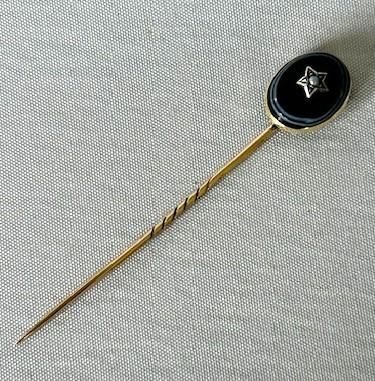
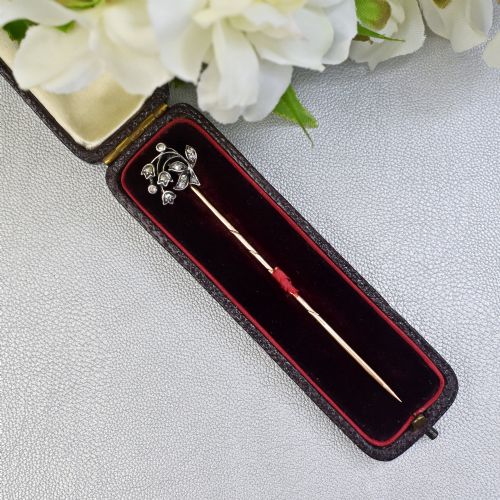
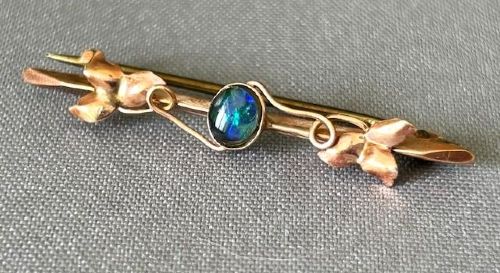
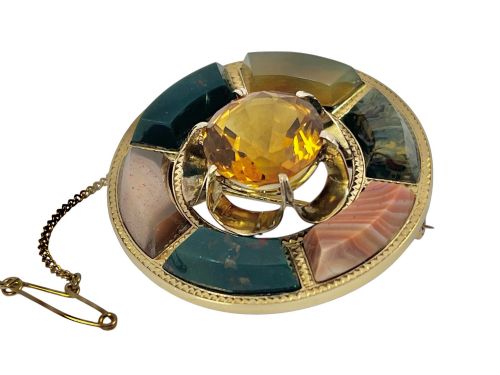
These Victorian gold lapel pin examples combine nineteenth-century metalwork with precious gems to fasten through a lapel or cravat.
Victorian Gold Lapel Pin
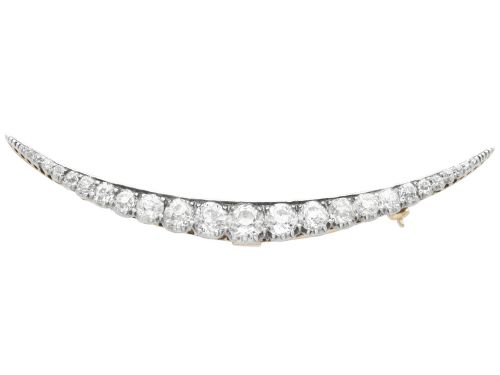
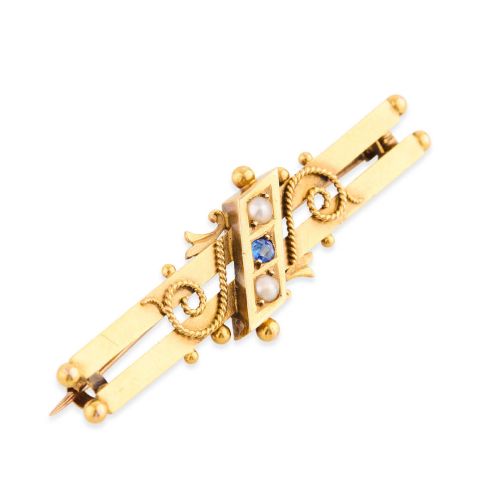
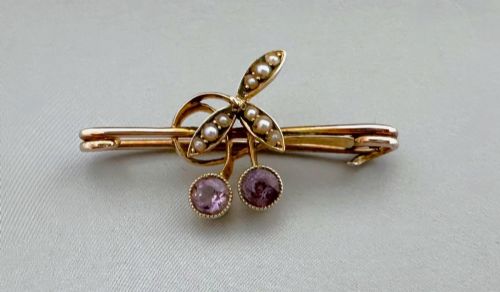
The selections visible here lean heavily towards bar brooches and slender pins incorporating regional motifs like sporting gear, maritime insignia, and floral sprays. Many items display hallmarks originating from British assay offices alongside continental European pieces from the same decades.
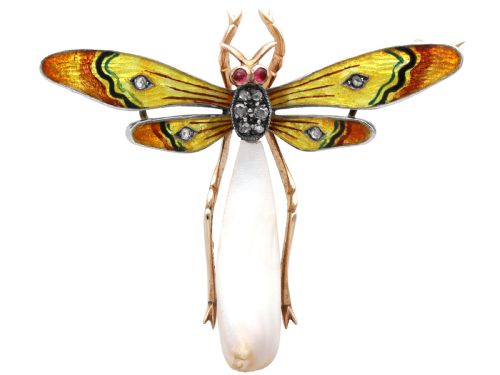
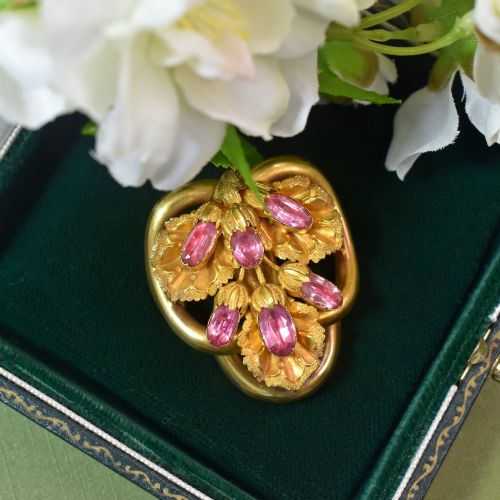
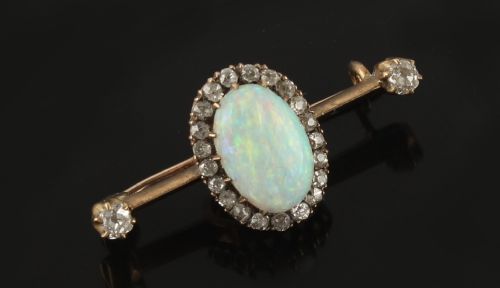
Makers frequently turned to natural subjects, shaping gold into dragonflies, swallows, hunting bugles, and hearts. These forms often incorporate small configurations of diamonds, pearls, or coloured stones such as garnets, opals, and aquamarines.
Materials and technique
Goldsmiths utilised varying purities including 9ct, 12ct, 14ct, 15ct, 18ct, and 22ct yellow and rose gold, occasionally combining silver settings to highlight diamond brilliance. Metalwork techniques combined casting and hand fabrication with delicate decorative wirework such as cannetille.
Gemstones including old-cut and rose-cut diamonds, seed pearls, foil-backed topaz, and bullseye agate were secured using collet settings, grain settings, or bezel mounts. Enamel details in blue or multi-coloured variations frequently added contrasting colour to the metallic bodies.
Victorian Gold Lapel Pin Retail Price Guide 2026
Typical asking prices for victorian gold lapel pin among the pieces listed under this phrase on Sellingantiques today, from the lower quarter to the upper quarter. They describe what is for sale here now, not the wider market.
Listings feature gold purities ranging from 9ct to 22ct alongside diamond, pearl, agate, and enamel elements.
Assessing quality
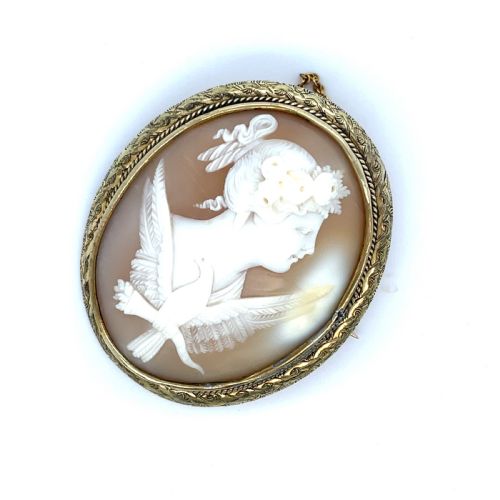
Quality differences emerge in the precision of the stone-cutting and the finesse of the metalwork, distinguishing standard production items from finer jewellers' output. Hand-carved cameos, detailed miniature portraits, and intricate pierced gold galleries demonstrate superior craftsmanship compared to simpler stamped designs.
The integrity of fragile components, such as thin pin stems, enamel panels, and delicate seed pearl settings, governs the preservation state. Superior pieces retain their original fastenings, uncompromised gemstones, and crisp surface detailing without excessive wear to the gold.
The Victorian Gold Lapel Pin Glossary
- Stick Pin
- A long pin featuring a decorative head designed to secure a cravat, tie, or lapel fabric.
- Bar Brooch
- A horizontal bar of precious metal, often set with gemstones or central motifs, fitted with a pin mechanism on the reverse.
- Cannetille
- An intricate form of filigree metalwork resembling fine gold wire lace popular in mid-nineteenth-century jewellery.
- Rose-Cut
- A vintage diamond-cutting style featuring a flat base and a domed crown composed of triangular facets.
- Jabot Pin
- A long ornamental pin originally designed to fasten jabot neckwear, featuring decorative terminals at both ends or a secure catch.
Victorian Gold Lapel Pin: Frequently Asked Questions
How were lapel pins worn?
Wearers historically placed these ornaments through the buttonhole of a lapel or secured cravats and scarves in place.
They functioned both as functional fasteners and as visible accessories indicating personal affiliations or aesthetic preferences.
Are these pins marked with gold purity?
Many British examples feature hallmarks indicating assay offices like Chester alongside specific gold standards.
Continental pieces or earlier items often rely on maker's marks or acid testing rather than complete official stamps.
How should fragile antique pins be stored?
Store these pieces in lined jewellery boxes or padded compartments to prevent the thin pin stems from bending.
Keeping them separate avoids scratching delicate stones like opals, pearls, or soft enamel surfaces.
Can these pins be worn on modern clothing?
The slender stems fit easily through standard buttonholes on jackets, coats, and heavy knitwear.
Care should be taken with delicate modern silks where the thicker vintage pin shafts might cause fabric damage.