


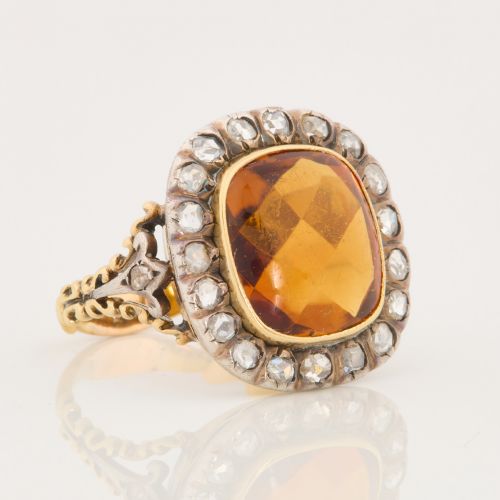
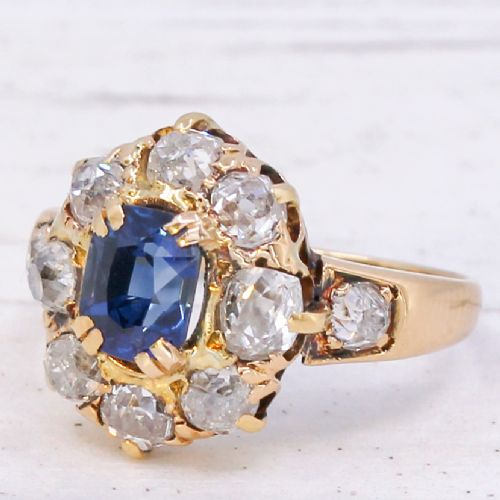
Victorian Gold Cluster Ring
Discover a Victorian gold cluster ring featuring central gemstones framed by diamonds or smaller stones in nineteenth-century goldsmithing.
Victorian Gold Cluster Ring
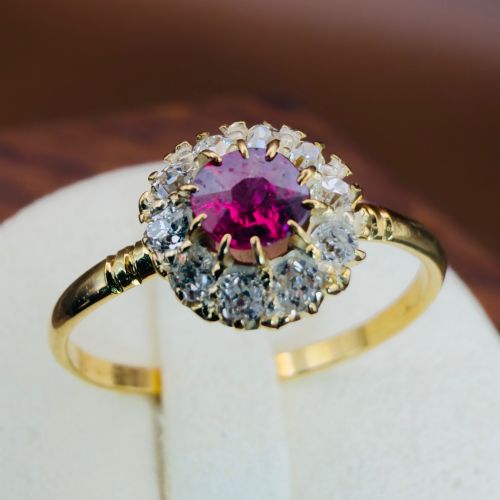
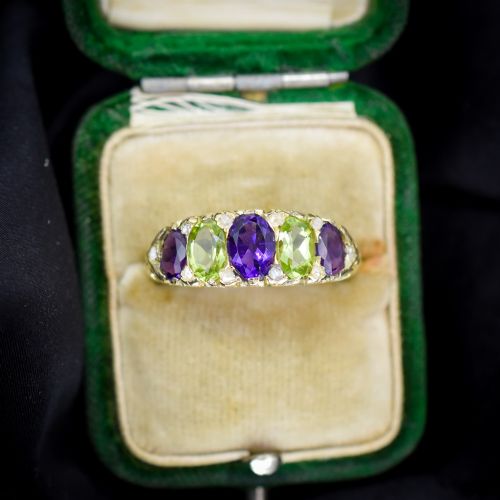
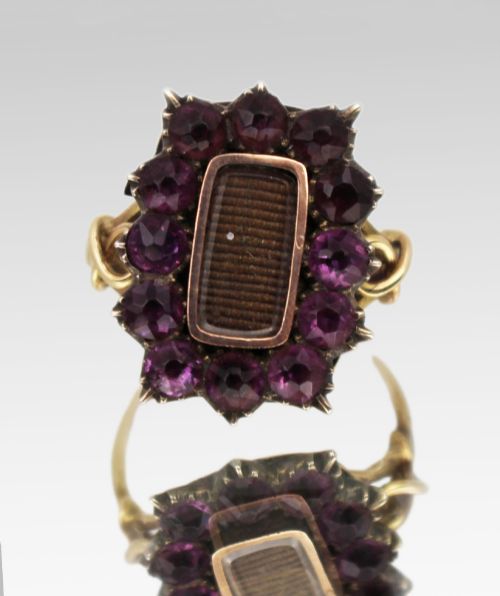
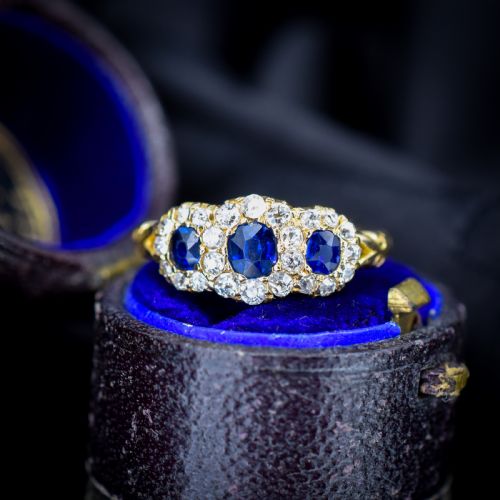
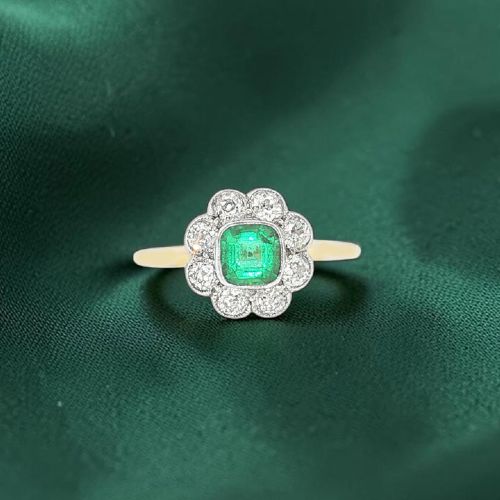
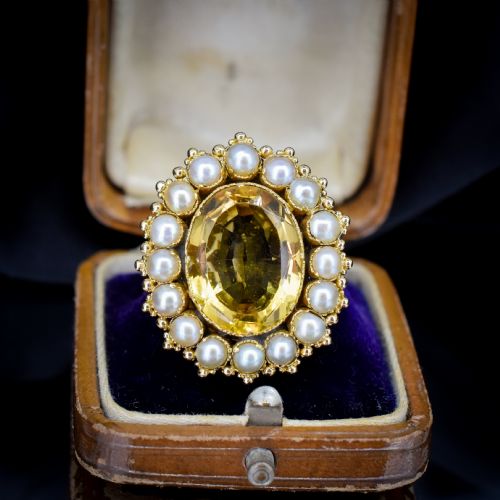
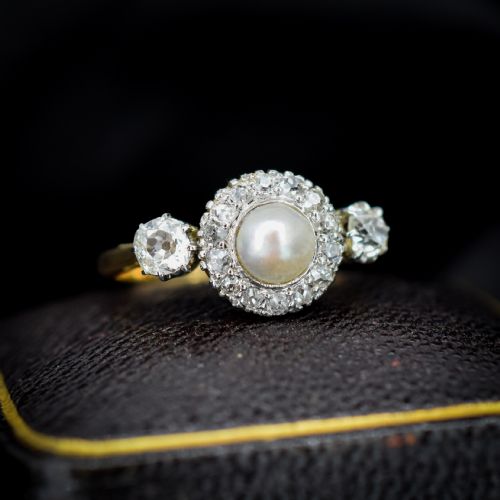
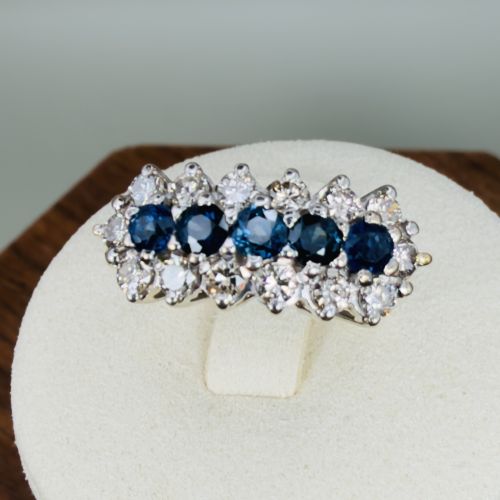
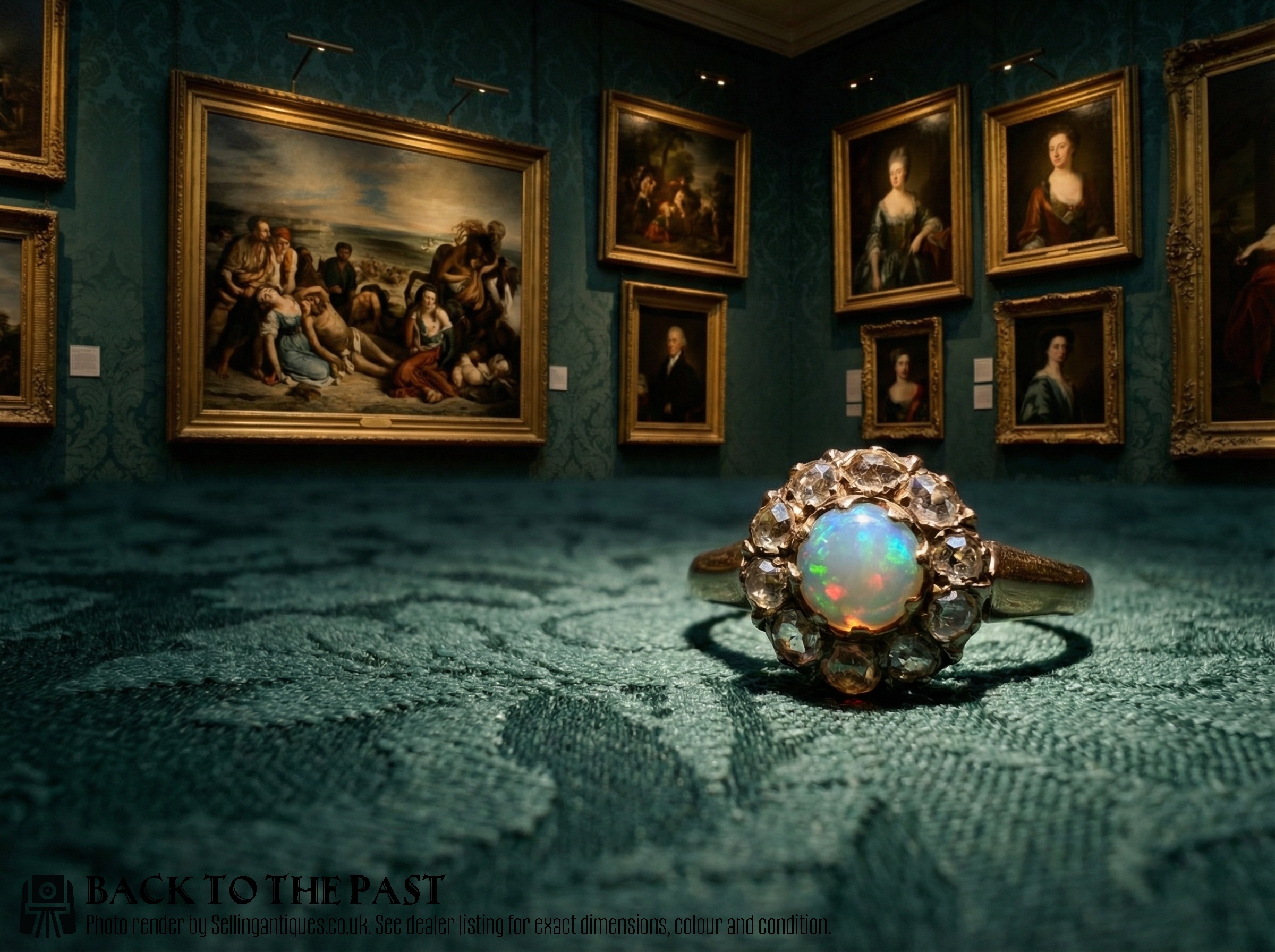
A victorian gold cluster ring brings together a prominent central stone surrounded by a distinct border of smaller gems. The arrangement creates maximum brilliance and colour on the hand.
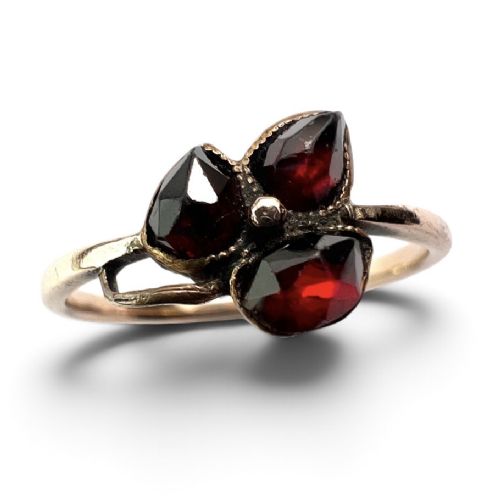
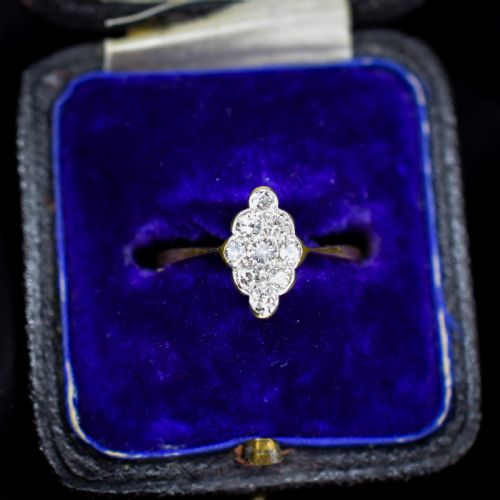
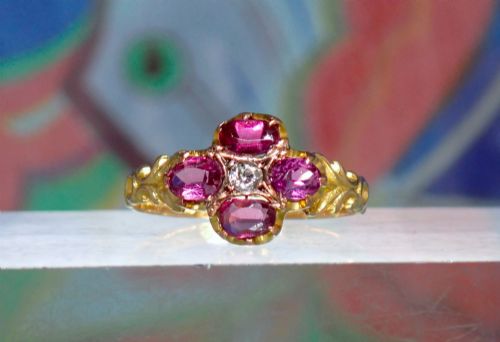
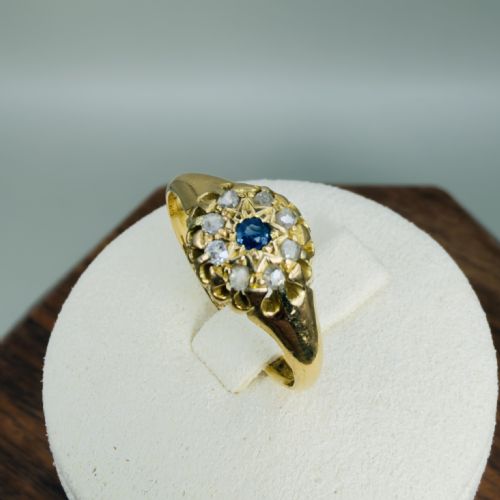
Examples on this page span early, mid and late nineteenth-century periods alongside later revivals. Common configurations include floral, navette, and daisy shapes set upon yellow gold bands.
Materials and Construction
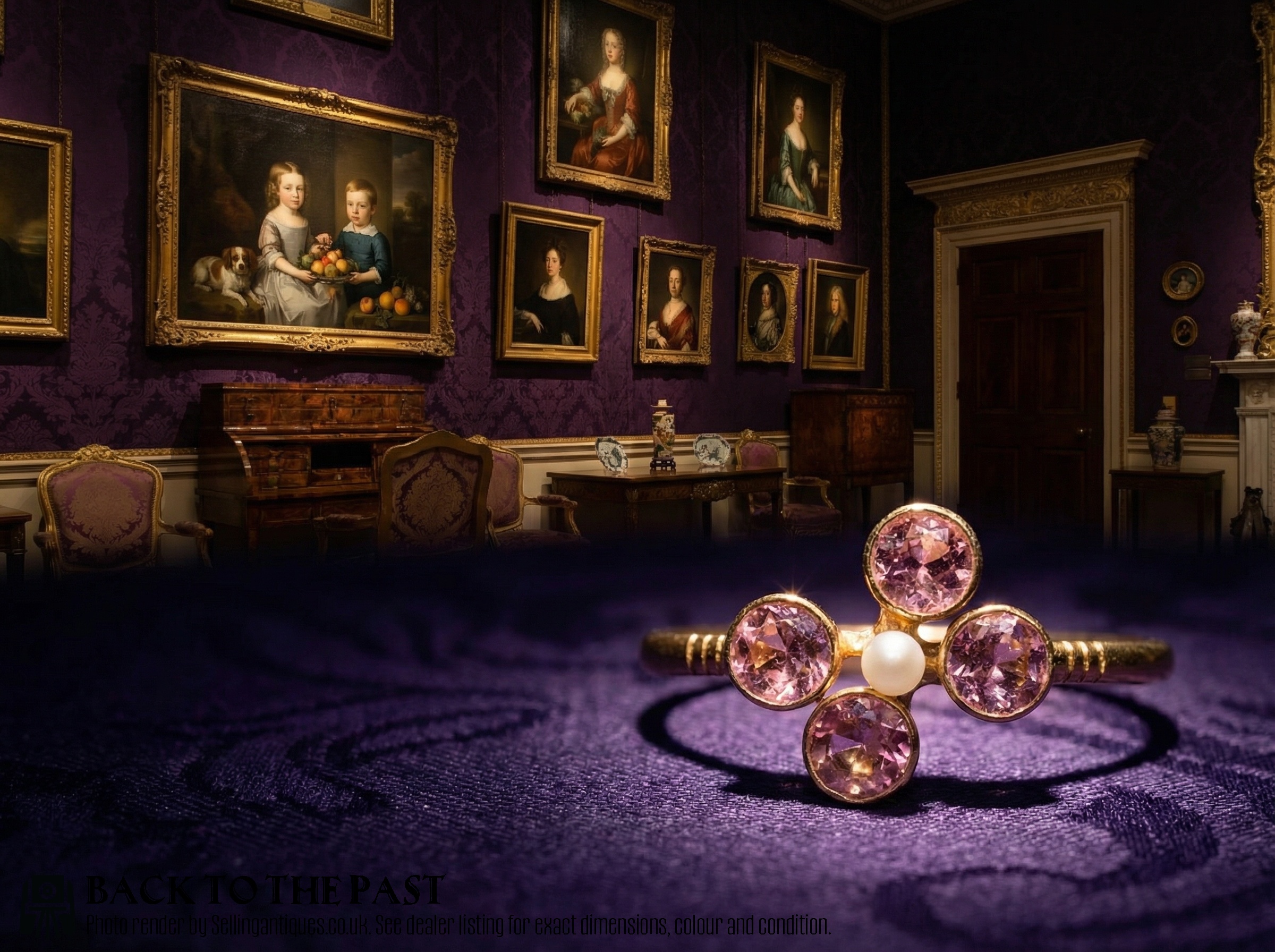
Goldsmiths utilised fifteen and eighteen-carat yellow gold alongside lower nine-carat alloys for the mountings. Stones were secured using collet settings, often with silver applied over gold to enhance the whiteness around old-cut diamonds.
Gemstones selection included rubies, sapphires, emeralds, garnets, turquoise, and pearls alongside mined diamonds. Stones were shaped with old mine cuts, rose cuts, or cabochon polishes.
Victorian Gold Cluster Ring Retail Price Guide 2026
Typical asking prices for victorian gold cluster ring among the pieces listed under this phrase on Sellingantiques today, from the lower quarter to the upper quarter. They describe what is for sale here now, not the wider market.
Several Victorian rings incorporate lucky motifs such as tiny silver pigs, bugles, and ivy leaves dangling from split rings.
Evaluating the Pieces
Quality depends upon the matching and saturation of the selected gemstones within the cluster. Uniformity in diamond cuts and intensity in coloured stones elevate the piece.
The delicacy of the metalwork, including granulation, wirework, and the structural integrity of the claw or bezel settings, distinguishes finer workshops.
The Victorian Gold Cluster Ring Glossary
- Cluster ring
- A ring featuring a central gemstone surrounded by a border of smaller stones. This design was particularly popular during the nineteenth century to maximise visual impact.
- Navette
- A boat-shaped or marquise stone setting that extends along the finger. The elongated silhouette typifies many period cluster designs.
- Old mine cut
- An early diamond cut characterised by a cushion shape, high crown, and large culet facet. These stones display distinctive hand-polished facets under candlelight.
- Rose cut
- A gemstone cut with a flat base and a domed crown composed of triangular facets. It imparts a soft, translucent shimmer rather than modern brilliant sparkle.
- Canetille
- An intricate goldsmithing technique utilising fine gold wires and tiny granules to resemble delicate lace embroidery. It appears on mid-nineteenth-century items.
Victorian Gold Cluster Ring: Frequently Asked Questions
How do I care for my ring?
Clean your jewellery gently using warm water and a soft brush, avoiding harsh chemical dips. Many antique pieces contain pearls or soft gems that require careful handling.
Store each ring separately in a lined box to prevent metal and stones from scratching against other items in your collection.
Can these rings be resized easily?
Most gold bands can be adjusted by a skilled jeweller experienced in antique pieces. The feasibility depends on the shank thickness and whether shoulder decorations extend too far.
Consult a specialist who can alter the band without compromising historic hallmarks or the structural integrity of the cluster setting.
Were these rings worn daily?
Original owners frequently wore these items as engagement tokens, fashionable dress pieces, or mourning jewellery. Everyday wear was common, though delicate pearl and turquoise versions required more attention.
Today, modern wearers often reserve them for special occasions or wear them with mindful care to preserve the antique prongs and settings.