


Victorian Glass Vessel
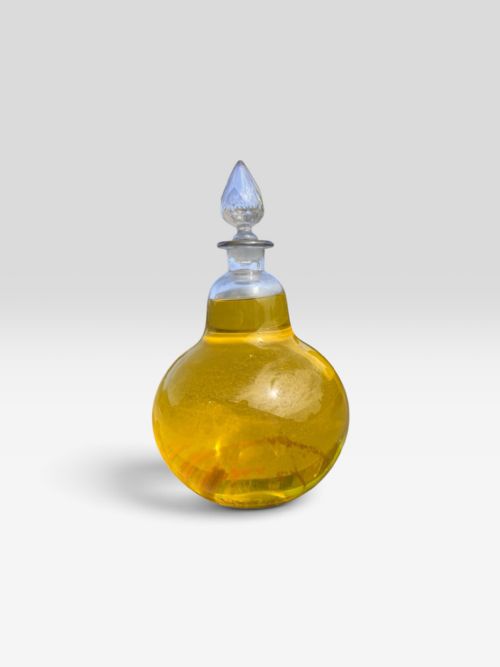
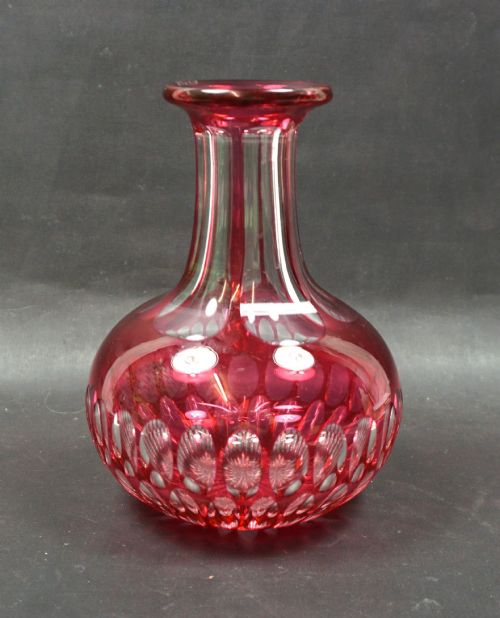
A victorian glass vessel brings colour and weight to a room, holding everything from cut crystal to rich cranberry glass.
Victorian Glass Vessel
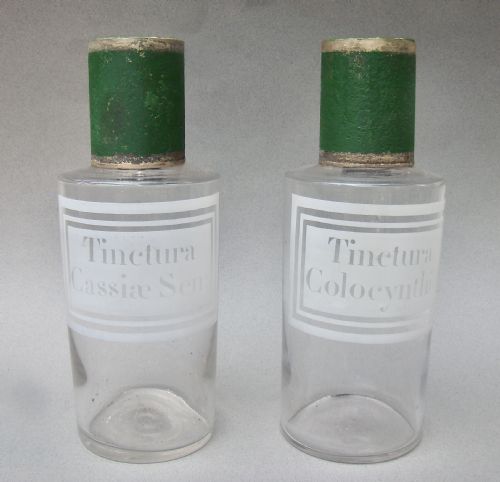
When you search for a victorian glass vessel, you encounter a diverse array of utilitarian and decorative objects spanning the nineteenth century. The selection ranges from apothecary jars and pharmacy carboys to table decanters, claret jugs, and ornamental vases.
Vases and decanters dominate the selection on this page, often appearing alongside functional condiment pots and large display pieces. These items originate from English, Bohemian, and French workshops, reflecting varied domestic and commercial uses of glass during the period.
How they were made
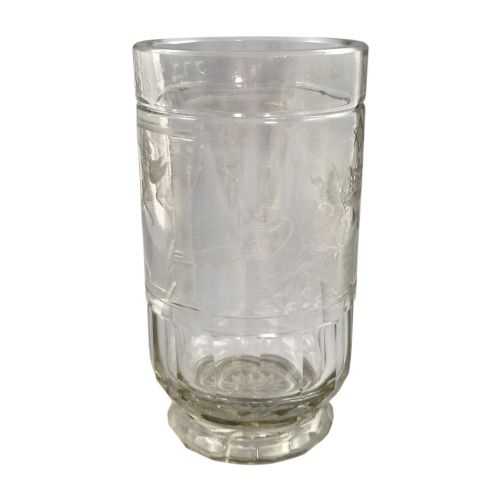
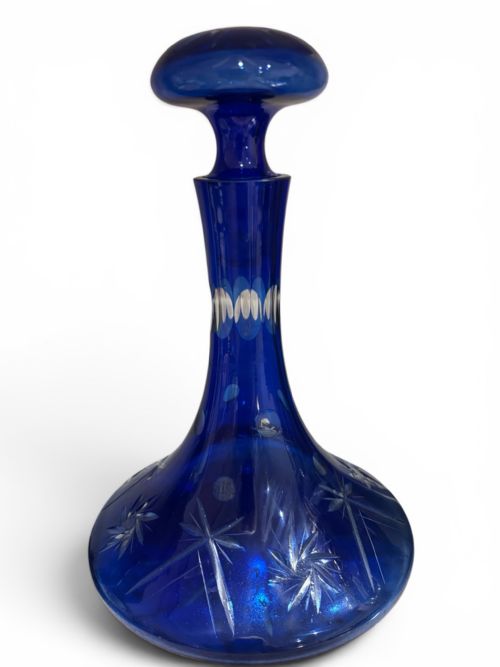
Many of these vessels utilise hand-blown and cased glass techniques, sometimes layering colours like cranberry over crystal or cutting back cobalt layers to reveal clear glass beneath. Artisans applied gold leaf, enamel paint, and intricate intaglio or etched engravings to decorate the surfaces.
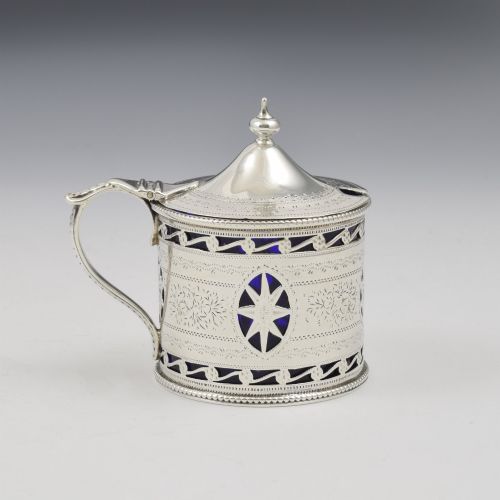
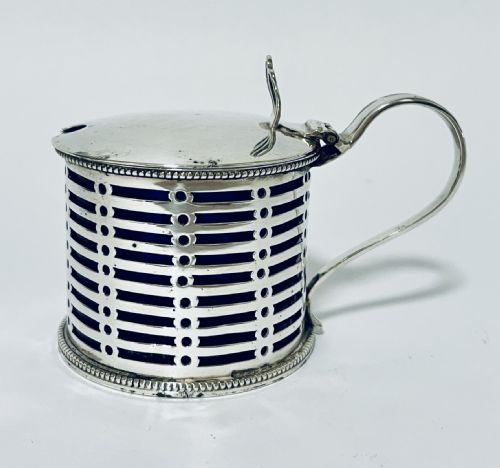
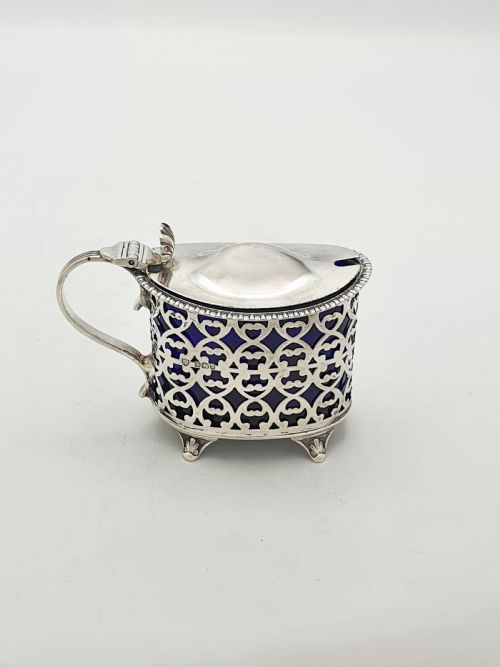
Mounts in sterling silver, silver plate, and gilt bronze frequently secure the glass bodies, particularly on mustard pots, claret jugs, and decanters. Nailsea-type patterns, aventurine inclusions, and decalcomania methods further demonstrate the varied technical repertoire of nineteenth-century glassmakers.
One enterprising nineteenth-century maker even shaped a glass decanter into the form of a dog.
What varies in quality
The standard of craftsmanship shows in the depth of the wheel-cut facets, the crispness of the enamel painting, and the weight of the metal mounts. Superior pieces display clean, even hand-blowing without distracting bubbles or surface distortion in the glass.
Makers known for exceptional output, such as Webb's or Moser, achieve a precision in colour saturation and engraving that elevates simple tableware to high decorative art. The integration between silver lids and glass lips also dictates the overall merit of mounted mustard pots and claret jugs.
Nathan and Hayes·Moser·Stevens and Williams
The Victorian Glass Vessel Glossary
- Carboy
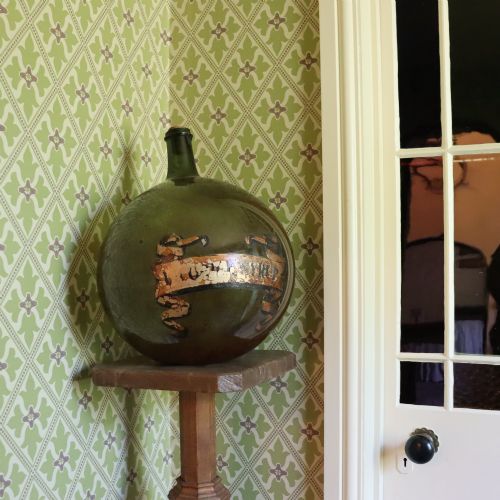
- A large globular glass bottle used traditionally for holding chemical or pharmaceutical liquids in a pharmacy. They often stood in shop windows as trade signs.
- Cranberry glass
- A rich red-pink transparent glass coloured with gold chloride during the melting process. It remains a defining aesthetic of nineteenth-century tableware.
- Intaglio
- A design carved into the surface of the glass rather than raised in relief. This technique creates a frosted, recessed motif.
- Claret jug
- A pouring vessel designed specifically for serving red wine at the dining table. They frequently combine blown glass bodies with hinged silver-plated or sterling silver mounts.
- Cased glass
- Glass made from two or more distinct layers of different colours. Craftsmen cut through the outer layer to expose the contrasting colour underneath.
Victorian Glass Vessel: Frequently Asked Questions
How do I clean a cloudy decanter?
Cloudiness inside old glass results from mineral deposits or chemical etching over long periods of time. Gentle soaking with warm water and specialised cleaning beads helps restore clarity without scratching the interior.
Harsh chemical abrasives should be avoided to protect the delicate surface and any original gilding or cut decoration on the vessel.
Were apothecary jars used in homes?
Most large carboys and apothecary jars served a commercial purpose in nineteenth-century chemist shops and dispensaries. Their bright colours and large scale attracted customers from the street.
Smaller examples occasionally found their way into domestic spaces as decorative curiosities or storage containers, though their primary life was functional.
How do I identify Mary Gregory glass?
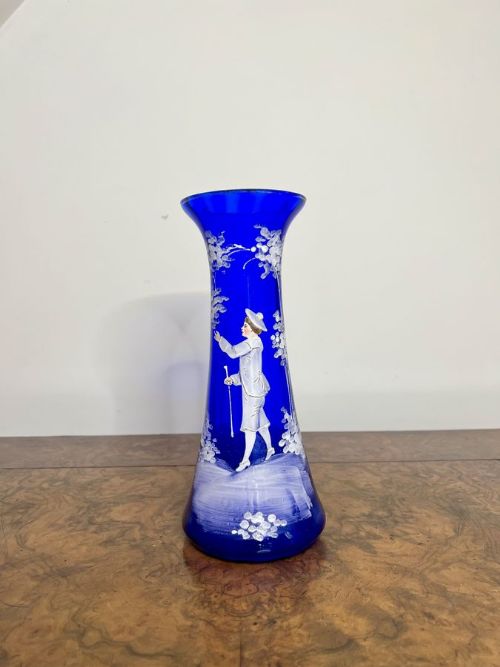
Mary Gregory pieces feature white enamel silhouettes of children playing, framed within natural or pastoral settings. While named after a specific American decorator, most pieces with this style actually originated in Bohemia during the late nineteenth century.
The enamel work sits slightly raised on the surface of cranberry, blue, or green glass vessels.
Can I use silver mounted decanters daily?
Silver mounted decanters and jugs remain usable for serving drinks, provided they receive careful hand washing. The silver mounts require occasional polishing with a soft cloth to prevent tarnish accumulation.
Sudden temperature changes can crack old blown glass, so warm water should be used instead of boiling liquids.