




Victorian Glass Stopper Bottle
A victorian glass stopper bottle brings utilitarian nineteenth-century craftsmanship into domestic display through vibrant hues and practical stoppers.

Victorian Glass Stopper Bottle
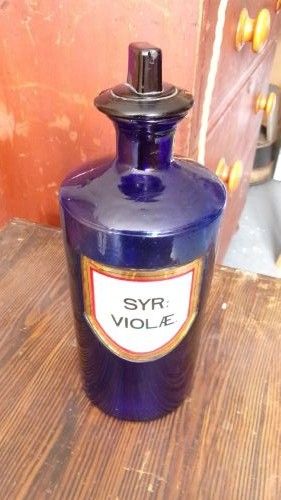
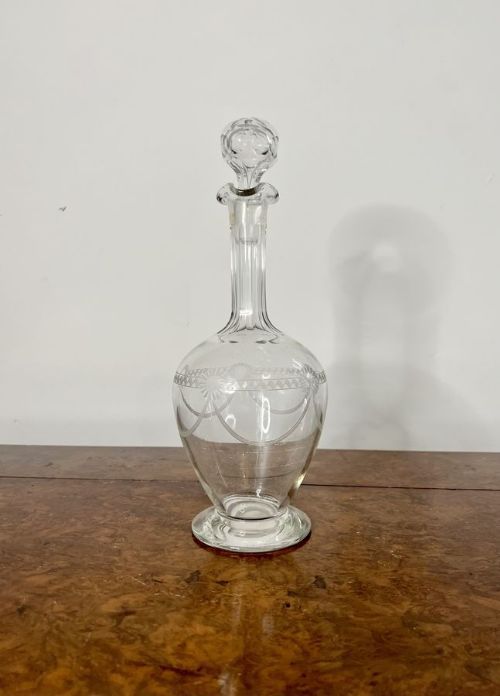
When searching for a victorian glass stopper bottle, collectors encounter domestic decanters, spirit bottles, and pharmacy vessels spanning the nineteenth century. These items range from clear cut crystal table pieces to coloured chemist jars fitted with matching stoppers.
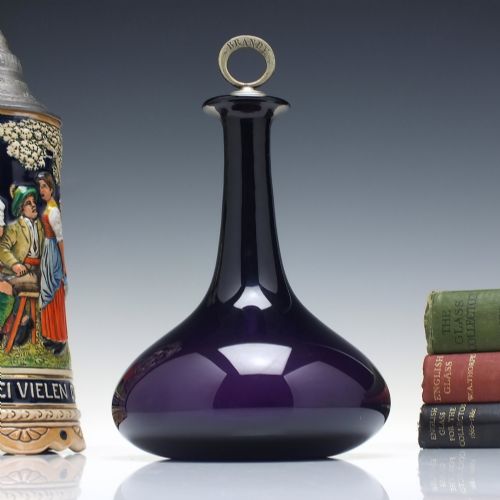
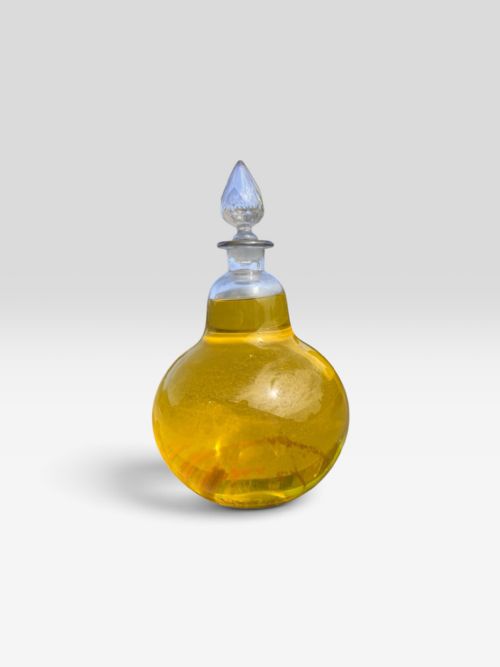
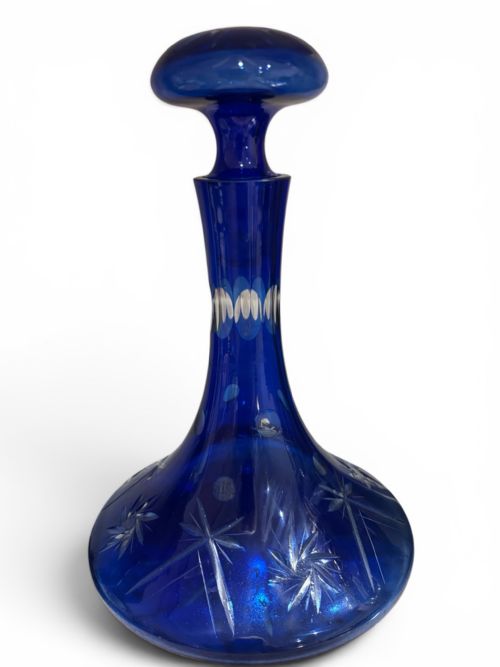
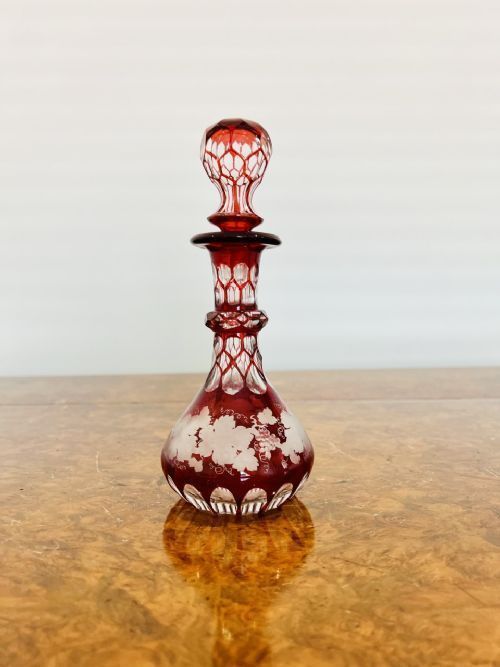
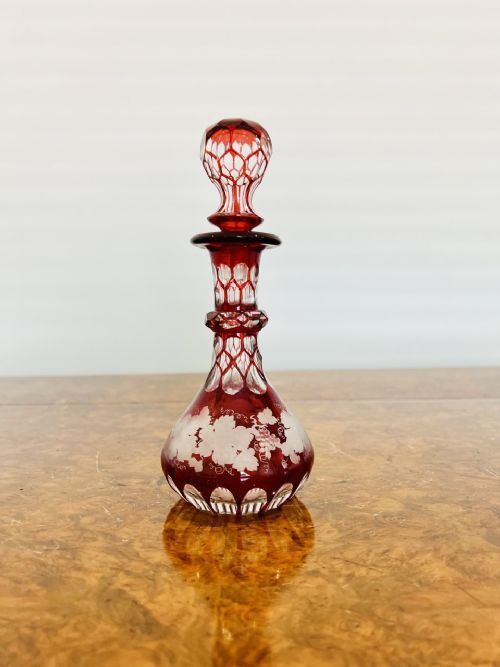
The most common examples on this page are table decanters and scent bottles produced across the Victorian period, frequently utilising rich tones like cranberry, amber, and cobalt alongside standard clear glass.
Materials and production techniques
Objects in this category rely upon lead crystal and standard glass formed through hand blowing, optical blowing, or cutting techniques. Makers shaped molten material into heavy decanter bodies and pharmacy carboys before grinding individual stoppers to fit specific necks.
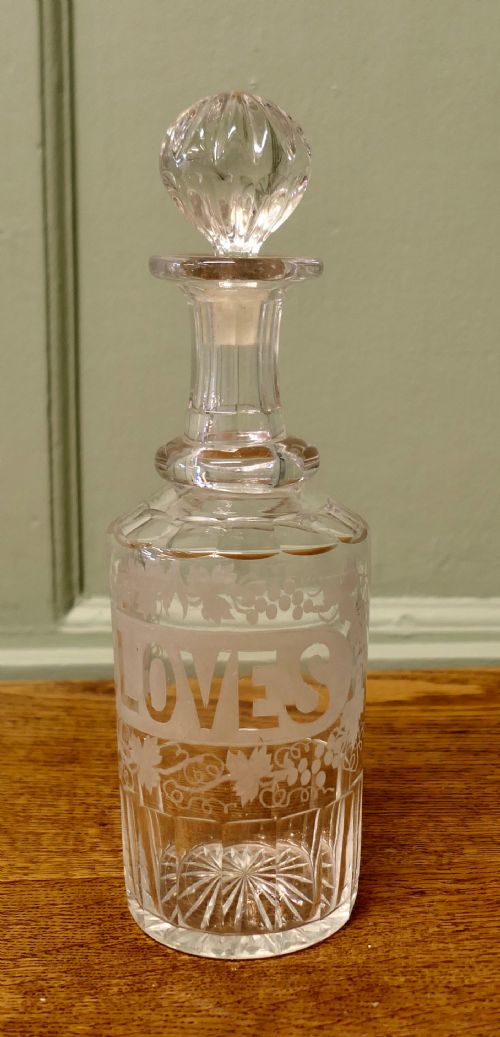
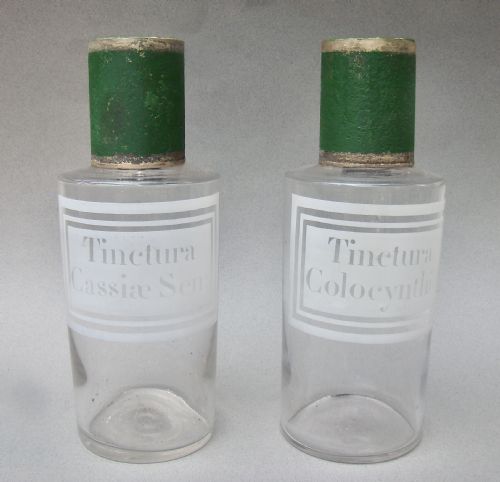
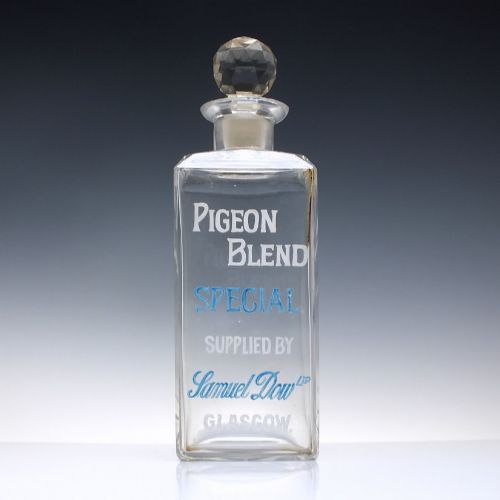
Many specimens incorporate sterling silver collars, silver plate mounts, or enamel lettering to label contents such as whisky or medicinal compounds.
Glasgow pigeon blend whisky once poured from vessels now preserved as cabinet showpieces.
Distinctions in quality
Quality rests upon the clarity of the glass, the depth of hand-cut facets, and the precision with which the stopper matches the original bottle neck. Heavier lead crystal and complex overlay glass distinguish superior domestic decanters from standard utility vessels.
The presence of undamaged original stoppers, intact enamel work, and hallmarked silver mounts elevates the standing of individual pieces.
James Powell
The Victorian Glass Stopper Bottle Glossary
- Stopper
- The glass plug designed to seal the neck of a bottle and preserve the contents. These components are ground to fit an individual vessel.
- Carboy
- A large glass bottle or jar used historically in laboratories and pharmacies for holding liquids. They often feature hand-blown bodies with pontil marks.
- Overlay glass
- A technique involving layers of different coloured glass fused together, where portions are cut away to reveal the contrasting hue beneath.
- Pontil mark
- The rough scar left on the base of a vessel where the iron rod was detached after blowing. Its presence indicates traditional hand-manufacturing methods.
- Nailsea glass
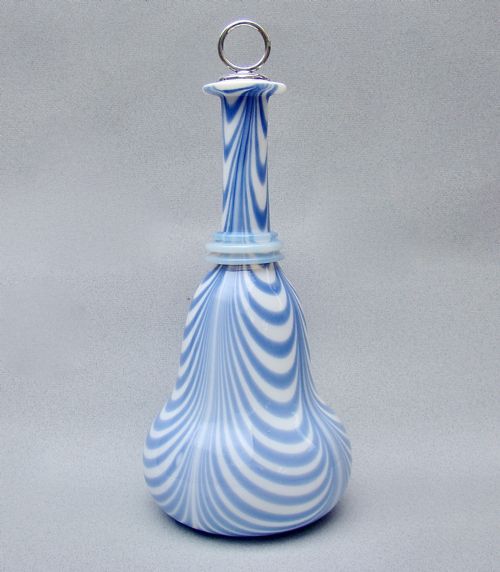
- A style of nineteenth-century glasswork associated with looped or splashed coloured threads embedded in a clear or milky white body.
Victorian Glass Stopper Bottle: Frequently Asked Questions
How do I clean a cloudy bottle?
Resin and sediment accumulation inside old bottles responds best to warm water and non-abrasive cleaning beads rather than harsh chemicals.
Avoid submerging pieces with silver mounts or fragile enamel decoration to protect the metal and applied details.
Are these stoppers original to the bottles?
Original stoppers were ground to fit a specific neck during production, meaning they often possess matching inventory numbers or identical cutting patterns.
Uneven wear between the stopper peg and the inner neck indicates a later replacement.
What is the difference between a decanter and a chemist bottle?
Decanters are designed for serving wine or spirits at the dining table, typically featuring heavy cut crystal or decorative enamel labels.
Chemist bottles served a functional pharmaceutical role, often displaying wide lollipop stoppers and painted labels for medicinal ingredients.
How can I tell the period?
Dating relies upon manufacturing traits such as pontil marks, the weight of the lead crystal, and stylistic indicators like silver hallmarks.
Late Victorian pieces often display machine-assisted finishing, whereas mid-century examples show heavier reliance on hand-blown techniques.