
Victorian Glass Set
A victorian glass set brings matched vessels and tableware from the nineteenth century into modern dining and display.
Victorian Glass Set
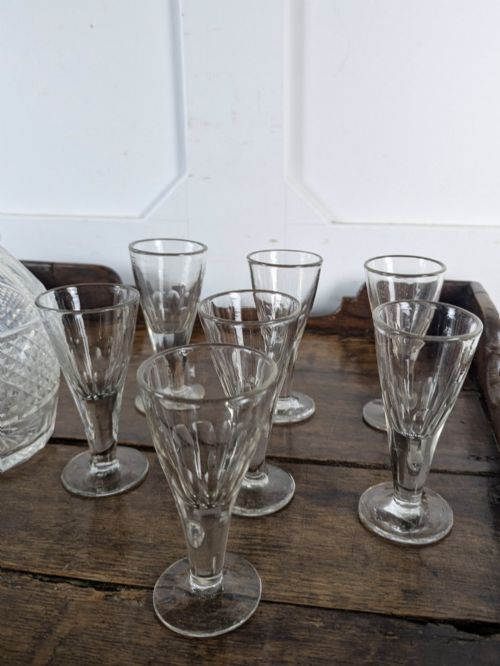
A victorian glass set comprises matching or harmonised drinking vessels, table condiments or decanting containers produced during the nineteenth century. Buyers encounter wine glasses, champagne coupes, rummers and cordial containers alongside cruets and spirit sets.
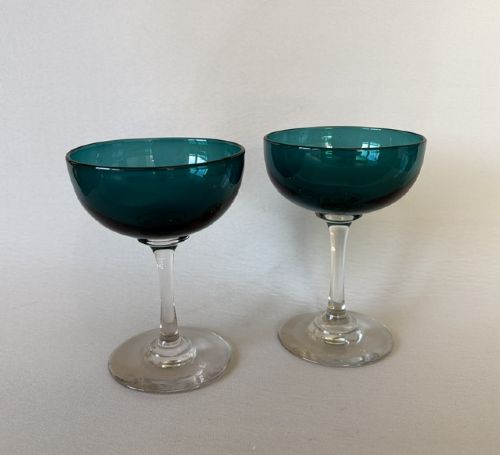
The pieces often feature coordinated suites of table glassware, sometimes formed as harlequin groups gathered together historically. Coloured glass variants in cranberry, green, blue and uranium feature heavily alongside clear crystal formations.
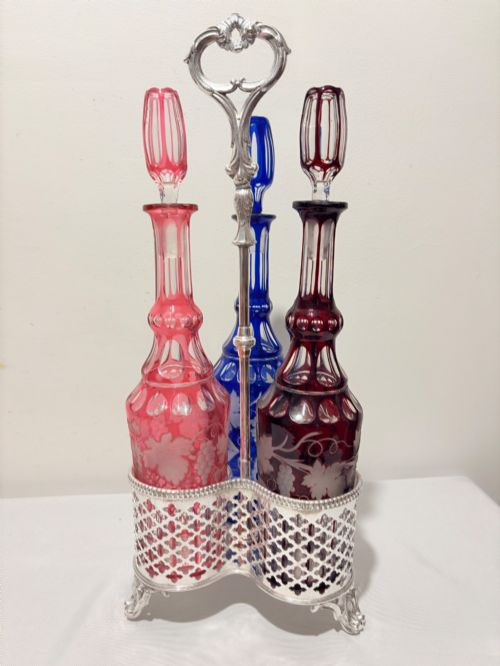
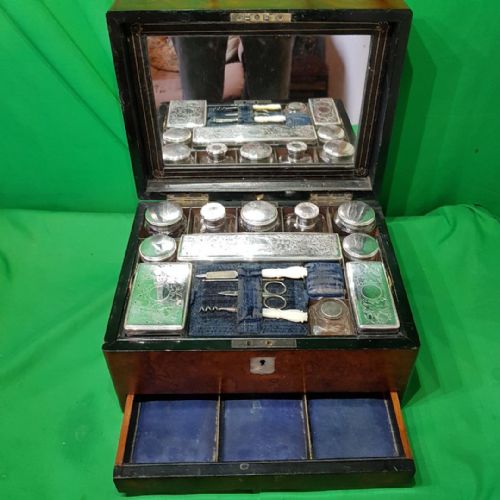
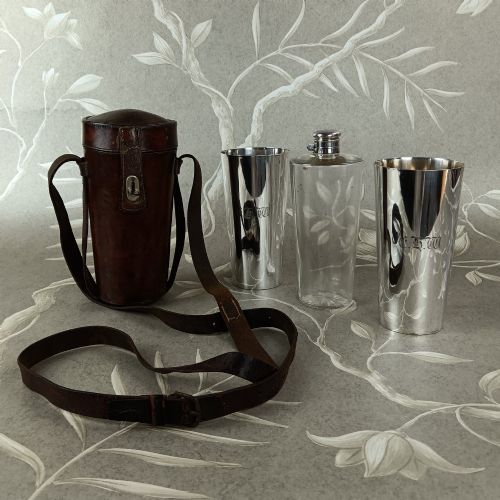
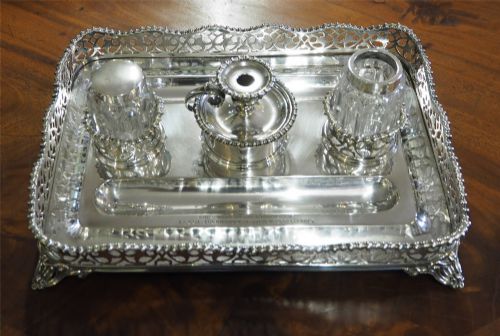
Vessels are frequently accompanied by silver plate, sterling silver or brass mounts, frames and stands designed to hold the glass securely. These functional groupings reflect formal dining and entertaining customs of the period.
Materials and production methods
Makers utilised lead crystal and soda glass, shaping vessels through free-blowing, mould-blowing or pressing techniques. Many items show hand-finishing, with skilled artisans applying thumb-cuts, facet-cutting, wheel-engraving or star-etching to the surfaces.
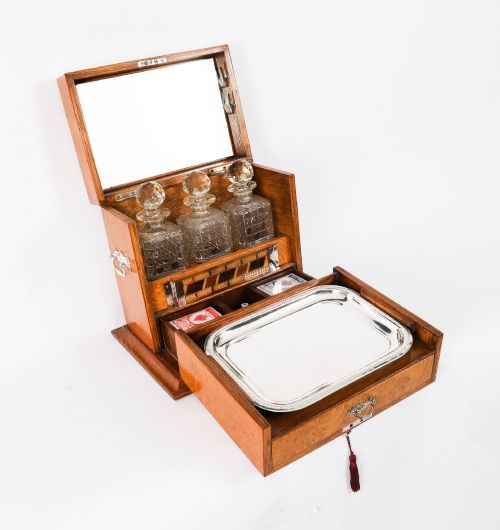
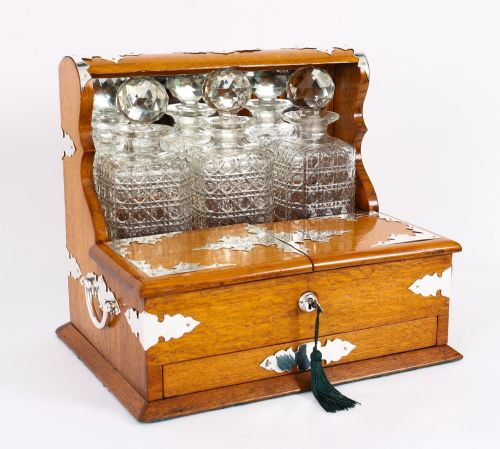
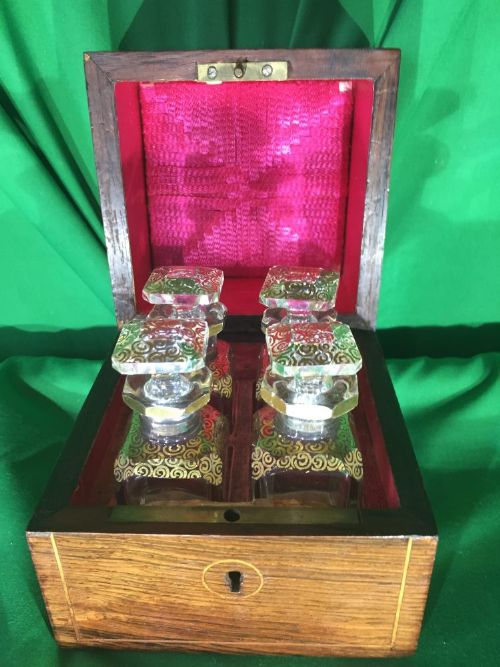
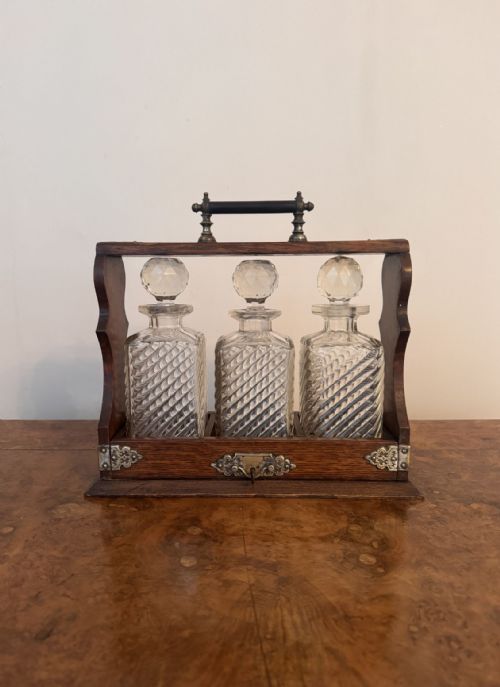
Metal components incorporate sterling silver, silver plate and brass, often stamped, pierced or cast with decorative motifs. Fitted timber cases, stands and tantalus frames utilise oak, walnut, coromandel or mahogany.
Interior elements frequently rely on matched glass liners or bottles secured within fitted metal frameworks. Craftsmanship spans utilitarian tavern glass to intricate luxury table services.
Listings feature items spanning the Victorian era through to the early twentieth century, incorporating clear crystal, cranberry glass, and silver-plated stands.
Distinctions in craftsmanship and condition
Quality rests on the depth and crispness of the cutting, engraving or etching upon the glass body. Sharp, well-defined facets and clear, resonant metal indicate superior initial manufacture.
The integrity of matching sets dictates value, with complete, unalterable groupings of identical or harmonious vessels scoring above assembled harlequin collections. The weight and clarity of the glass itself distinguish standard utilitarian wares from luxury productions.
Associated metal mountings show variation in execution, from simple plated frames to substantial sterling silver structures stamped by recognised silversmiths.
James Dixon And Sons·Elkington·Walker And Hall·Wilkinson And Co·William Comyns
The Victorian Glass Set Glossary
- Thumb-cut
- A decorative pattern of broad, shallow depressions ground into the exterior of glass vessels, providing both grip and visual refraction.
- Rummer
- A large, heavy-stemmed drinking glass used in the nineteenth century for ale, wine or punch, frequently featuring cut or engraved decoration.
- Harlequin set
- A collection of drinking vessels that match in style, period or general appearance rather than being cast from the exact same original mould.
- Cruet set
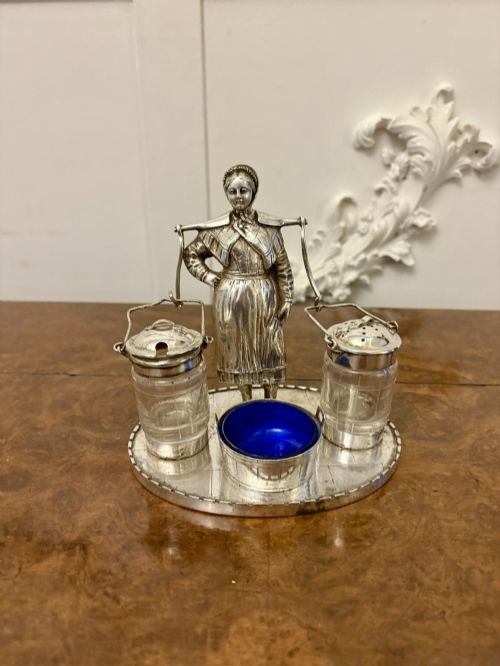
- A collection of glass bottles or jars mounted in a metal stand, used for holding condiments such as oil, vinegar, salt and mustard at the dining table.
- Cranberry glass
- Transparent red-pink glass created by adding gold chloride to the molten mixture, highly popular for Victorian tableware and decorative items.
Victorian Glass Set: Frequently Asked Questions
Are harlequin sets authentic?
Harlequin sets consist of individual glasses that share period, form and decorative traits but were gathered together rather than blown as a single original batch. These grouped assemblages were common in period households.
Collectors value them for their charming visual consistency around a dining table. They offer an accessible way to acquire matching numbers of antique vessels.
What is uranium glass?
Uranium glass contains trace amounts of uranium oxide added as a colouring agent, resulting in a distinct green or yellow hue. Under ultraviolet light, these pieces emit a bright fluorescent glow.
The glass was produced in large quantities during the nineteenth century for decorative and table use. The material is safe for display and normal handling under standard conditions.
How can I date my glassware?
Dating relies on stylistic clues, manufacturing techniques such as pontil marks on the base, and accompanying metal stands or hallmarked silver mounts. The presence of registration marks can also narrow down the year of production.
Comparing the decorative motifs, such as Aesthetic Movement engravings or Victorian Gothic Revival elements, helps place the items within the broader nineteenth-century timeline.