

Victorian Glass Scent
Victorian glass scent bottles combine coloured or clear vessels with precious metal mounts, offering a glimpse into nineteenth-century personal grooming habits.
Victorian Glass Scent
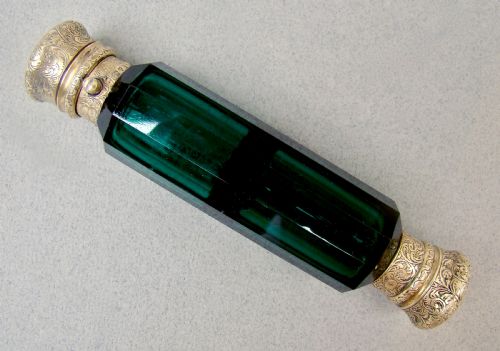
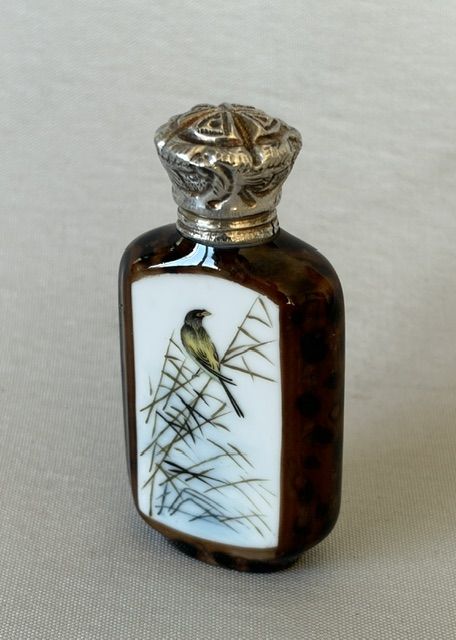
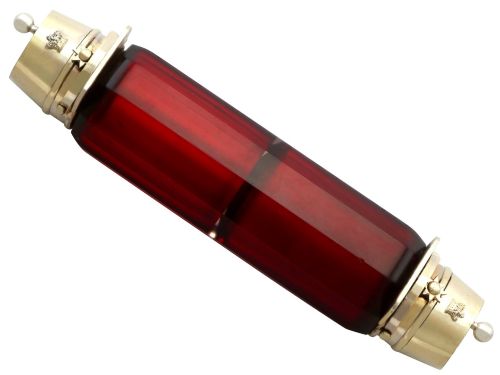
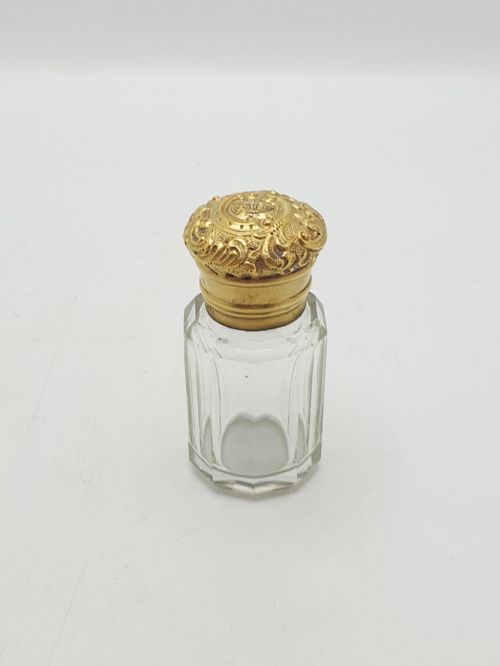
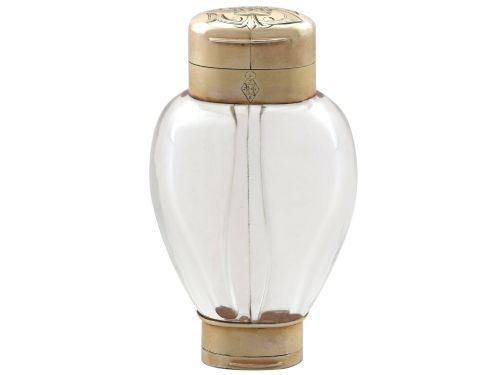
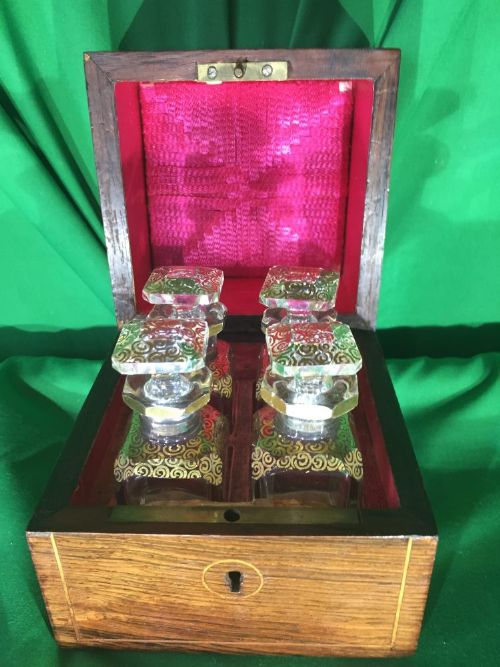
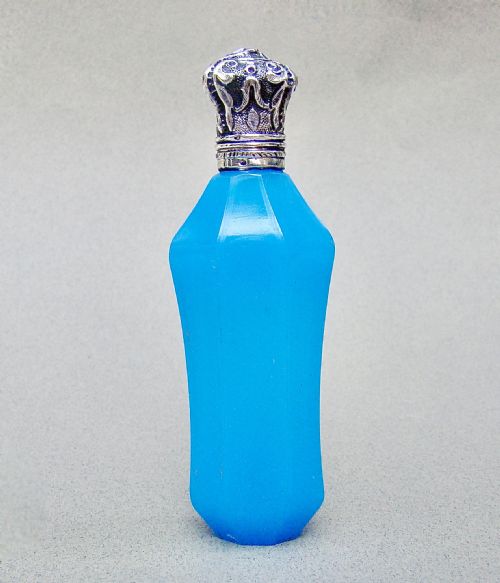
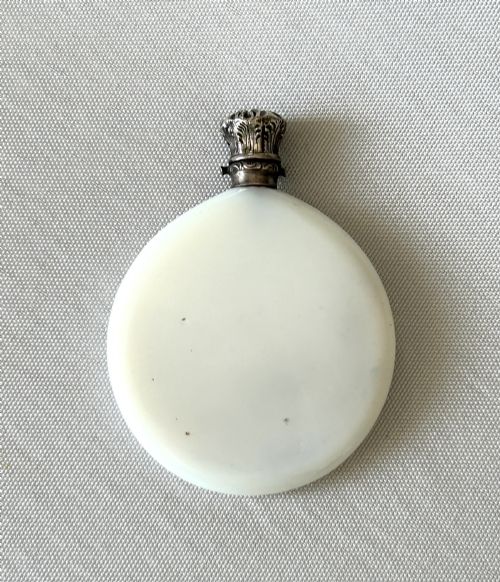
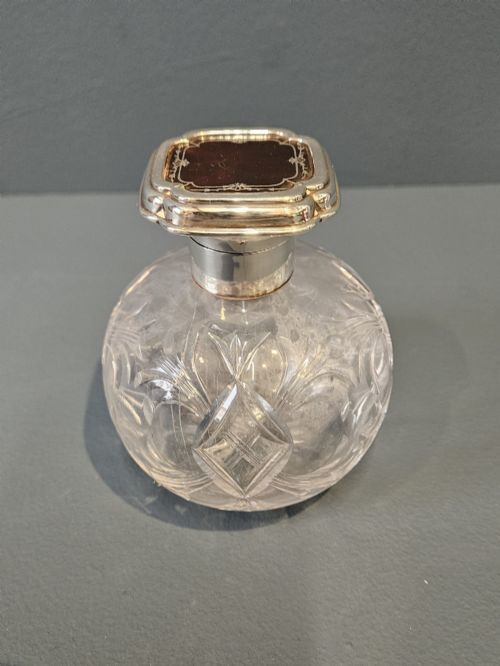
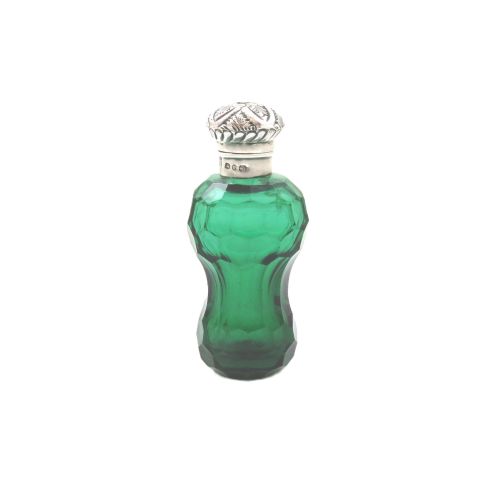
Victorian glass scent pieces comprise portable perfume flasks, vinaigrettes, and vanity containers created during the nineteenth century. Buyers seeking this phrase encounter objects ranging from small pocket vials to multi-bottle cased sets housed in rosewood or coromandel boxes.
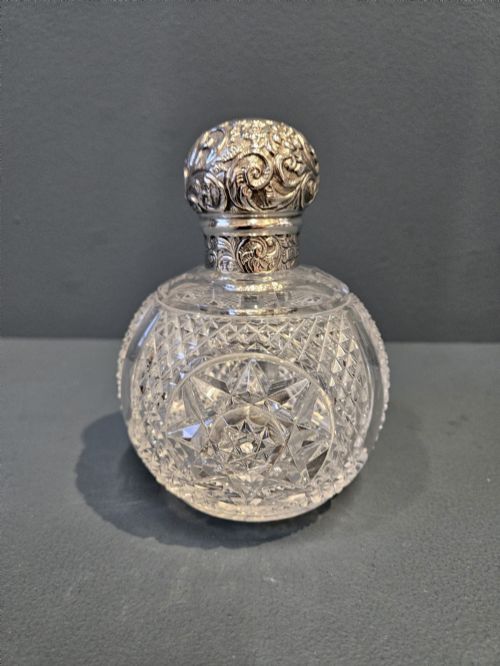
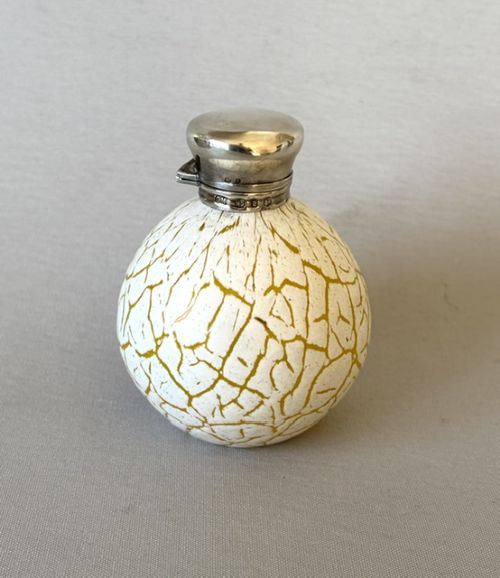
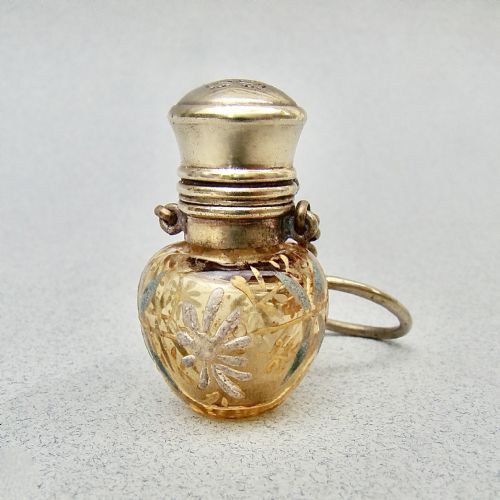
The selections span standard domestic items alongside continental examples, notably French creations featuring ormolu mounts and chatelaine fittings. Many pieces integrate hinged silver collars or screw caps designed to prevent the evaporation of volatile oils.
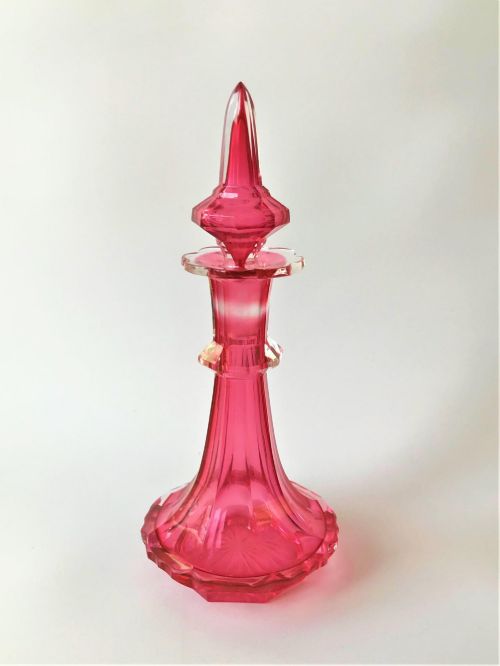
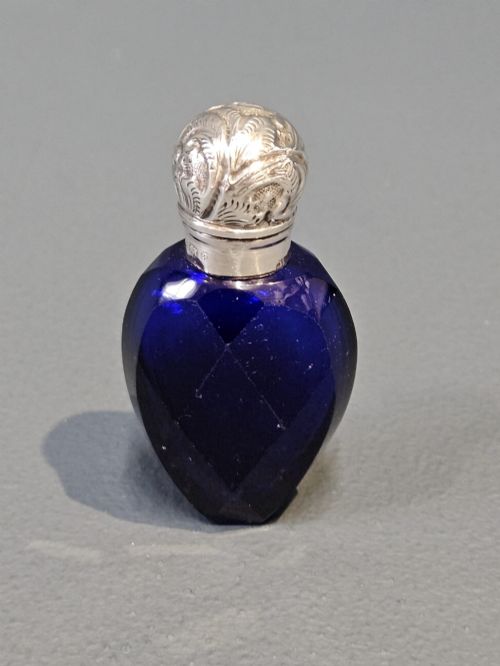
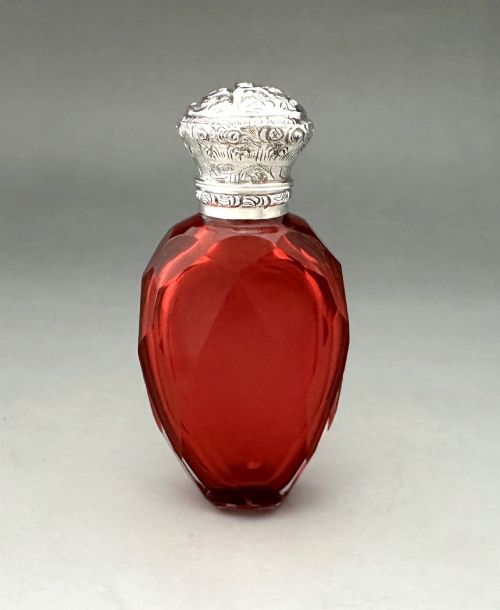
Colours dominate the form, with ruby, cranberry, opaline, and amethyst glass appearing frequently alongside cut crystal and crackle variants. These vessels served both practical carrying functions on chatelaines and decorative roles on dressing tables.
Evaluating the Pieces
Quality rests in the precision of the glass cutting and the richness of the coloured metal oxides used in the batch. Depth of hue, uniformity in overlaid layers, and the crispness of enamelled decoration distinguish finer examples from standard production.
The metalwork provides another measure, where heavier gauge silver mounts, intact original glass stoppers, and secure hinge mechanisms elevate a piece. Cased sets and chatelaine attachments maintain higher integrity when the original velvet linings and fitted compartments survive intact.
Victorian Glass Scent Retail Price Guide 2026
Typical asking prices for victorian glass scent among the pieces listed under this phrase on Sellingantiques today, from the lower quarter to the upper quarter. They describe what is for sale here now, not the wider market.
Continental output on this site includes French Second Empire and Venetian productions alongside traditional English Victorian silver-mounted wares.
Moser·Franchini And Bigaglia
The Victorian Glass Scent Glossary
- Vinaigrette
- A small ornamental container featuring an internal pierced grille, designed to hold a sponge soaked in aromatic vinegar. These pieces typically appear mounted in silver alongside perfume vials.
- Chatelaine
- A decorative belt hook worn with a series of suspended chains carrying functional household items including scent bottles, keys, and watches. French examples from the nineteenth century frequently utilise this format.
- Opaline glass
- An opaque or semi-translucent glass developed in various pastel shades such as turquoise, blue, and white. It provides a smooth, porcelain-like surface popular for nineteenth-century vanity items.
- Overlay glass
- A technique where a glass vessel is cased in one or more contrasting outer layers of coloured glass. Artisans then cut through the exterior layers by hand to expose the contrasting base colour underneath.
- Murrine
- Coloured glass cane slices heated and fused together within a clear or coloured matrix to form complex patterns. This intricate Venetian technique appears in specialised mid-nineteenth-century scent bottles.
Victorian Glass Scent: Frequently Asked Questions
What is the difference between a scent bottle and a vinaigrette?
Scent bottles held liquid perfumes and relied on tight stoppers or screw caps to contain volatile oils. Vinaigrettes contained solid aromatics or vinegars held behind a pierced internal silver grille rather than a liquid reservoir.
While both served personal fragrance needs during the nineteenth century, their internal fittings and functional mechanics differ entirely.
How do I know if the silver mount is original?
Original mounts fit the contours of the glass vessel precisely, utilising cork or specialised washers to secure the collar without placing undue stress on the material. Hallmarks on the silver should align with the estimated production period of the glass body.
Matching patination between the metal cap and collar also indicates an authentic pairing from the period of manufacture.
Can I still use these bottles for perfume today?
Many antique bottles retain functional ground glass stoppers that seal adequately, though natural cork liners inside silver caps may degrade over time. Replacement cork or rubber washers can restore a secure seal for modern use.
Careful cleaning is recommended to remove residue from old contents before introducing fresh perfume oils to the vessel.
What caused the popularity of chatelaine scent bottles?
Chatelaine scent bottles allowed nineteenth-century women to carry refreshing aromas and vinegars conveniently while navigating crowded urban environments. The suspended chains attached securely to a waistband, keeping essential grooming tools immediately accessible.
This practical fashion combined personal utility with visible displays of decorative metalwork and coloured glass.