




Victorian Glass Prints
Victorian glass prints are charming reverse-painted and framed pictures from the nineteenth century that bring historic character and rich colour to any room.
Victorian Glass Prints
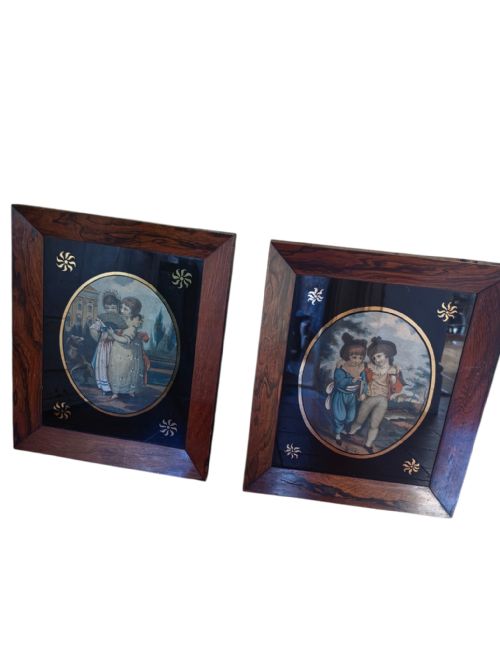
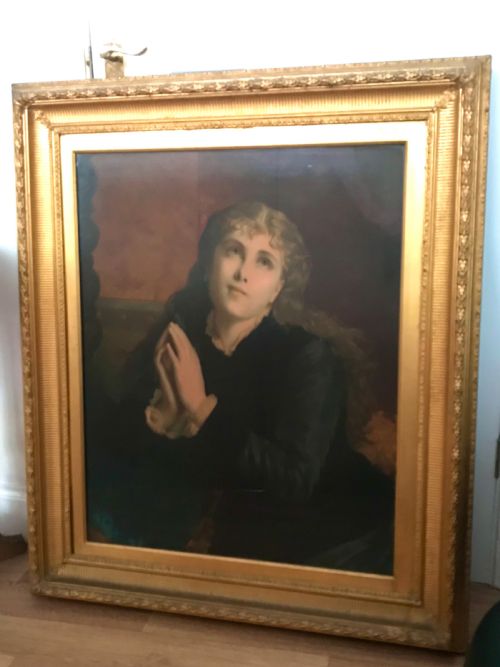
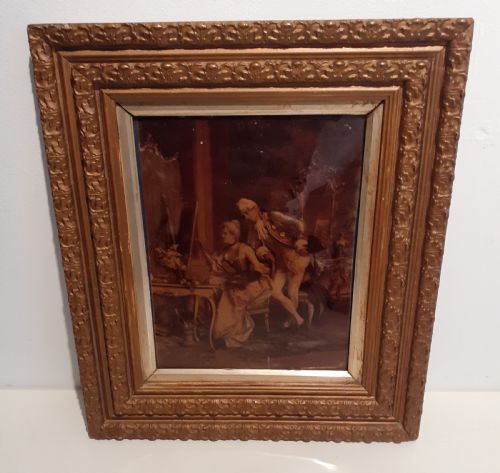
When you search for Victorian glass prints, you encounter fascinating decorative items that primarily take the form of crystoleoms and reverse-painted glass pictures from the nineteenth century. These pieces encompass framed artwork and wall art featuring subjects ranging from courtly scenes and female beauties to continental views.
The selection on this page demonstrates the diversity of these historic works, spanning periods from the mid-nineteenth century through to early twentieth-century examples like nineteen-ten items. Alongside traditional crystoleoms, the evidence shows related wall art including optical illusion lithographs and religious portraits under glass.
Most examples arrive securely housed in their period frames, frequently constructed from gilt wood, gesso, or rosewood. Collectors appreciate how these framed pictures preserve nineteenth-century visual culture through specialised glass techniques.
Materials and construction
The manufacture of these works relies on glass as the primary medium for the image surface, paired with paper for the underlying print. Artisans applied pigments directly behind the glass in meticulous layers to achieve depth and luminosity.
Frames play a vital structural and aesthetic role in the survival of these pieces, utilising materials such as wood, gesso, and gold leaf. Giltwood and rosewood mouldings provide the classic nineteenth-century finish that completes the presentation.
Some nineteenth-century makers hid optical illusions behind glass to trick visiting guests.
Judging quality in glass prints
Quality reveals itself in the delicacy of the hand-tinting behind the glass and the precision of the underlying print. Superior examples display subtle tonal gradations in portraiture and landscape details rather than flat or heavy-handed colour application.
The sophistication of the framing contributes significantly to the overall merit of a piece. Original gilt wood, gesso, or rosewood frames that complement the period of the artwork elevate the desirability of the object.
Schweninger
The Victorian Glass Prints Glossary
- Crystoleum
- A specialised Victorian technique where a paper print was pasted face-down to glass, the paper backing rubbed away, and the remaining transparent image hand-painted from behind before being framed.
- Giltwood
- Wood that has been coated with a thin layer of gold leaf or metallic gilt powder. It was widely used for nineteenth-century picture frames to catch the light.
- Gesso
- A plaster-like mixture applied to wood frames before gilding. It allowed artisans to carve intricate decorative moulding details.
- Lithograph
- A planographic printmaking process based on the chemical repulsion of oil and water. These prints sometimes served as the base for reverse-glass painting techniques.
- Convex glass
- Curved glass panels used in framing to add physical depth to the picture. They protect the delicate painted surface underneath.
Victorian Glass Prints: Frequently Asked Questions
What is a crystoleum?
A crystoleum is a nineteenth-century picture created by adhering a photograph or print to the inside of a glass convex panel. The paper was thinned down and hand-painted with oils or watercolours from the reverse side to produce a rich, luminous image.
This meticulous process gave flat printed portraits and genre scenes an extraordinary sense of depth and three-dimensional realism that fascinated Victorian viewers.
How should I hang them?
These framed pieces require careful placement away from direct sunlight and damp environments to protect the delicate pigments applied behind the glass. Use sturdy picture hooks suited to the weight of the timber and gesso frames.
Because the image sits directly against or behind glass, stable indoor temperatures prevent condensation from forming inside the frame and damaging the paper elements.
Are original frames important?
Original gilt wood, gesso, or rosewood frames greatly enhance the historical integrity of these works. They show the intended aesthetic context of the nineteenth century and often feature period mouldings unique to the maker's workshop.
Matching frames also confirm that the artwork has remained undisturbed for generations, preserving the assembly methods used when the piece was first sold.
What subjects are common?
Popular themes span romantic courtships, idealized female beauties, classical or Egyptian revival scenes, and domestic genre moments. Religious portraits and continental landscapes also appear frequently among surviving nineteenth-century examples.
These subjects reflect the Victorian appetite for narrative art that told a sentimental or dramatic story within the domestic interior.