




Victorian Glass Decanter Stopper
These Victorian glass decanter stopper pieces are crafted to seal historic vessels with substance and style.
Victorian Glass Decanter Stopper
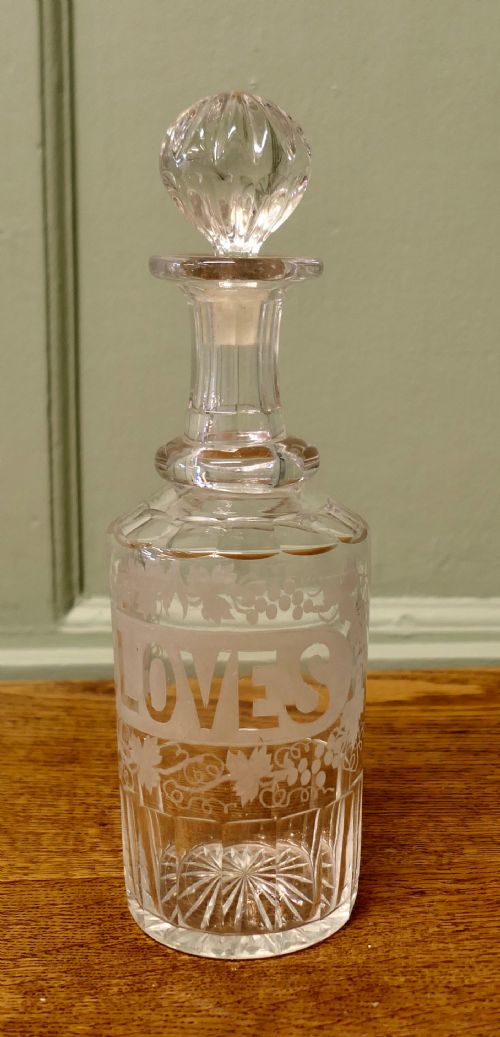
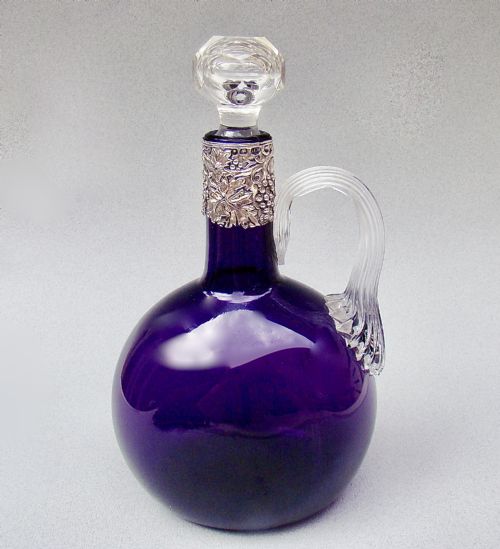
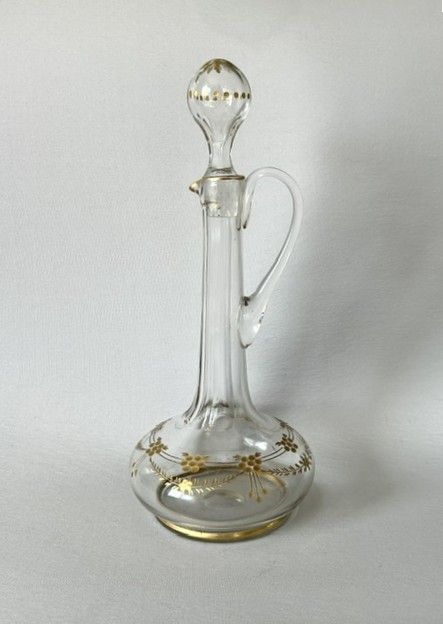
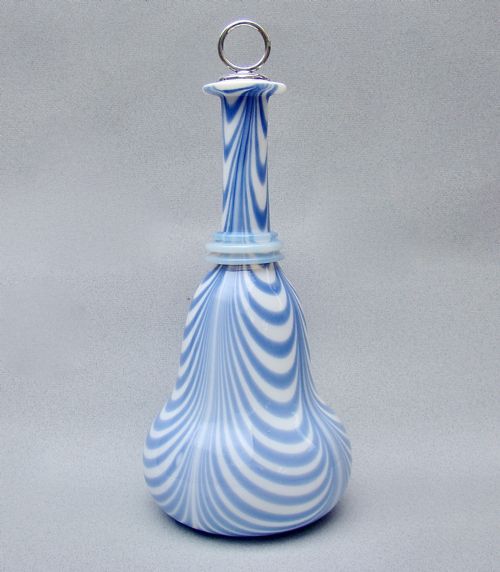
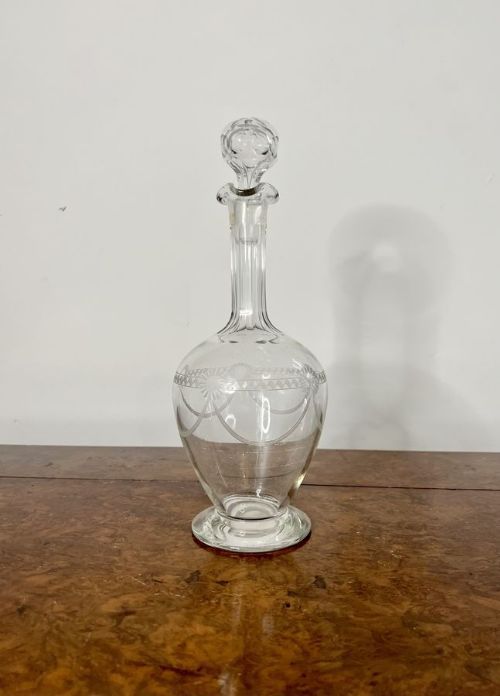
A victorian glass decanter stopper is a utilitarian yet decorative closure designed to fit tightly into the neck of a nineteenth century bottle, preserving the contents within. The items appearing on this page span the Victorian era, alongside related nineteenth century and Edwardian pieces, taking forms such as decanters, scent bottles, and perfume bottles.
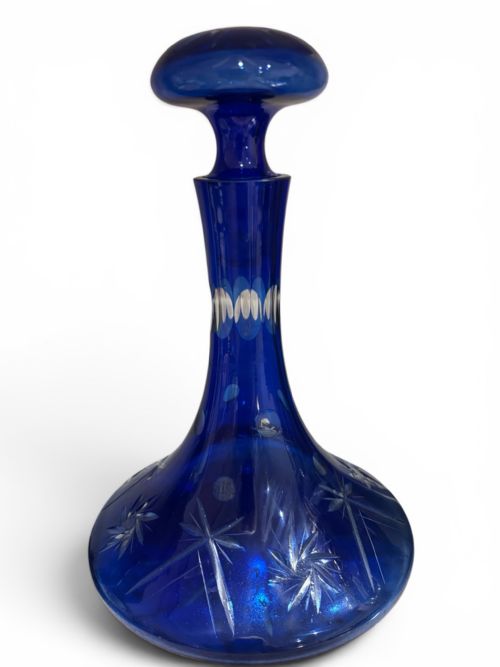
Buyers will encounter these stoppers either accompanying complete vessels like spirit decanters, wine jugs, and carafes, or occasionally as individual finials. The predominant style is Victorian, though Bohemian, Arts and Crafts, and Highland Revival examples also feature among the selection.
What varies in quality
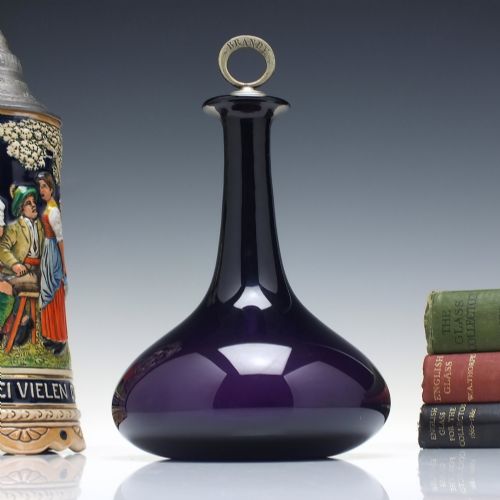
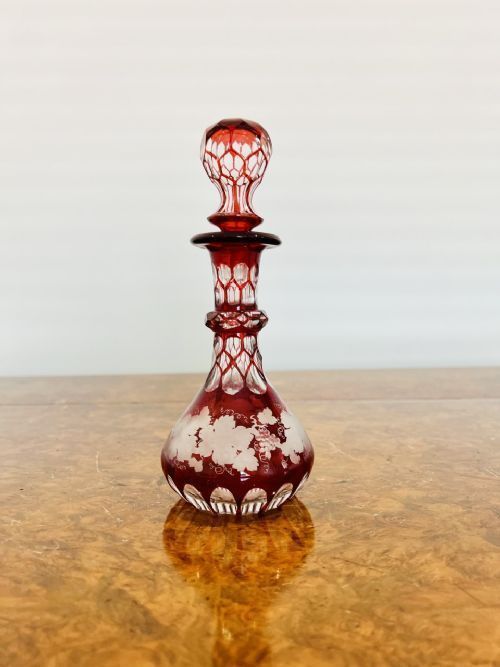
Quality reveals itself in the crispness of the glass cutting, the weight and purity of the lead crystal or clear glass, and the depth of colour in ruby, green, amethyst, or amber pieces. Superior examples show precise wheel-cutting and well-proportioned forms that sit harmoniously with their mounts.
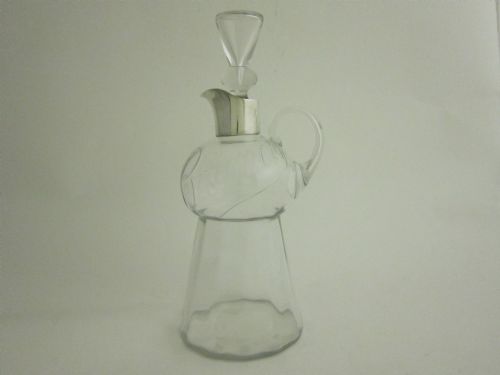
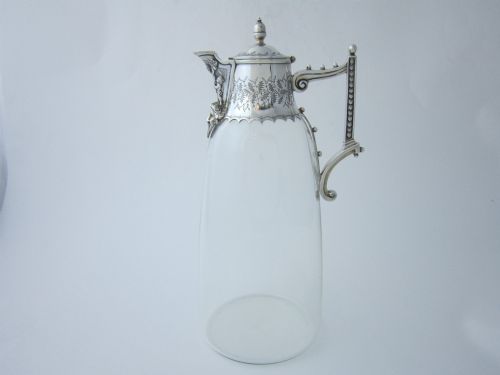
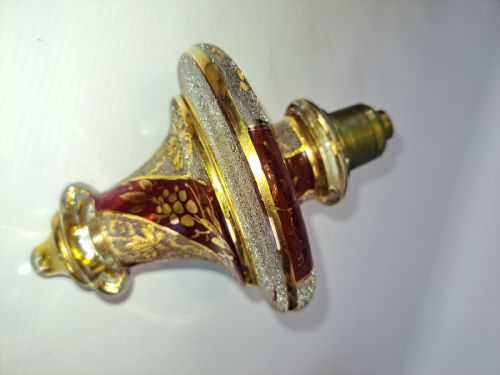
The integration of metalwork also dictates standing, where hallmarked sterling silver mounts, intricate enamel painting, or careful gilding elevate a piece above standard utilitarian wares.
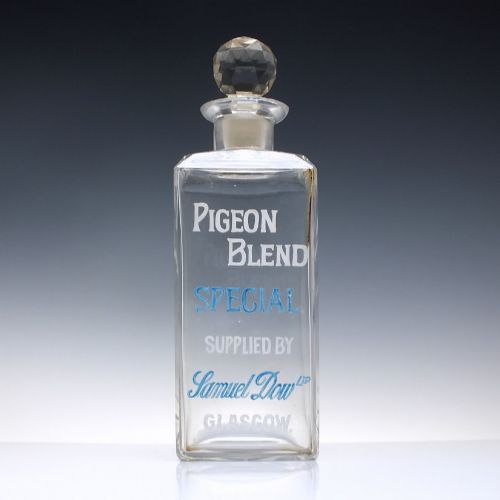
Several decanters proudly advertised Scottish pigeon blend and whisky contents through bright enamel lettering on the glass.
Henry Matthews·James Powell
The Victorian Glass Decanter Stopper Glossary
- Lead crystal
- A type of glass containing lead oxide, which increases weight, clarity, and brilliance. This material allows for deep, sharp facets when cut.
- Old Sheffield plate
- A composite material made by fusing a thin sheet of silver to a copper base. It appears on nineteenth century wine vessels and mounts.
- Optical blowing
- A glassblowing technique where molten glass is inflated inside a ribbed mould to create subtle internal patterns. It produces a distinctive textured effect in the walls of the vessel.
- Ruby overlay
- A glassmaking method involving a layer of intense red glass fused over a clear or contrasting body. Portions of the outer layer are often cut away to reveal the base material beneath.
Victorian Glass Decanter Stopper: Frequently Asked Questions
What fits a Victorian glass decanter stopper?
These stoppers are designed to match the hand-ground necks of nineteenth century decanters, carafes, and perfume bottles from the same period.
Because nineteenth century glass was finished individually by hand, interchangeability between different bottles is uncommon.
How are coloured glass decanters cleaned?
Cleaning requires warm water and mild detergent, avoiding harsh abrasives that might damage surface gilding or enamel work.
Silver mounts and collars should be polished separately with appropriate cloths to prevent chemical contact with the glass.
Are these stoppers solid crystal?
Many examples are fashioned from heavy lead crystal or clear glass, while others utilise coloured glass bodies with cut facets.
Some pieces integrate metal components such as sterling silver collars and mounts alongside the glass.
How do I identify a Victorian decanter?
Victorian decanters typically display nineteenth century manufacturing traits such as pontil marks on the base, hand-cut facets, and heavy lead content.
Stylistic markers range from heavy Victorian cut glass to Arts and Crafts optical blowing and Bohemian enamelling.