




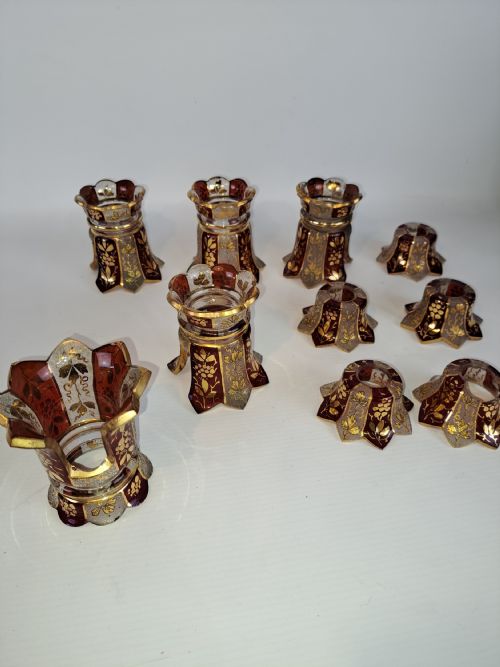


Victorian Glass Cup
When you search for a victorian glass cup, you find everything from delicate custard sets to silver-mounted spirit flasks.
Victorian Glass Cup
A victorian glass cup encompasses a varied group of vessels spanning the nineteenth century, including sets of custard cups, table wine glasses, and beakers. You encounter matching sets intended for dining alongside single novelty items.
The material takes many forms, shifting from clear cut glass to coloured ruby, aqua green, and cranberry glass. Some feature gilded capitals or engraved floral motifs.
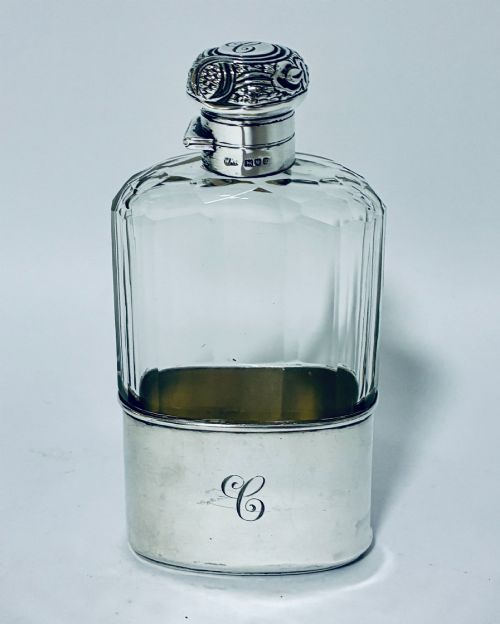
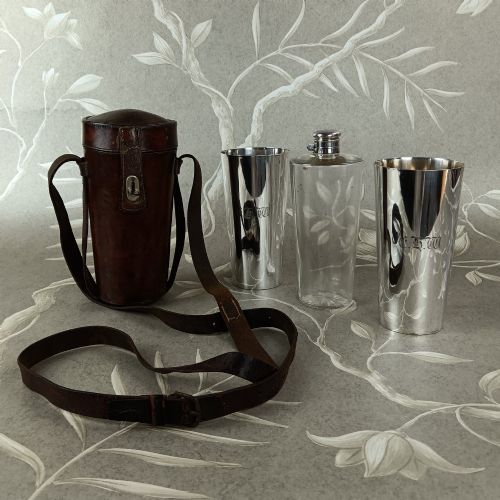
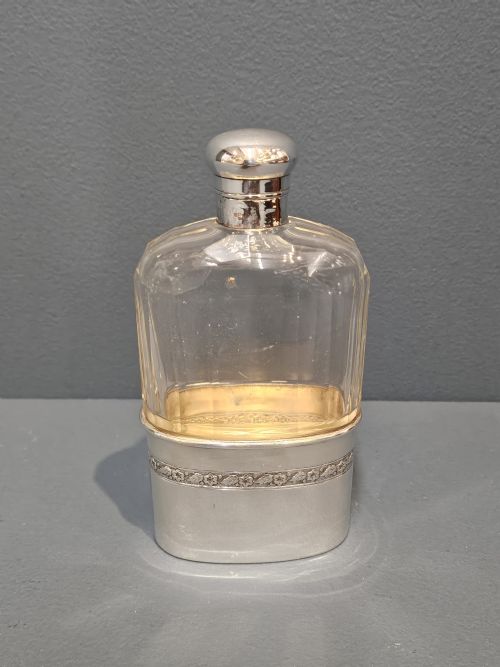
Many examples combine glass bodies with mounts in sterling silver or silver plate, particularly in the category of spirit flasks featuring removable drinking cups.
How they were made
Makers utilised free-blowing and mould-blowing techniques to shape the glass, sometimes layering different colours of crystal together before cutting back the surface. Hand-gilding and enamel work frequently decorated the exterior of Bohemian and English pieces.
Silver mounts, screw caps, and removable cups were cast and hallmarked in assay offices such as London, Birmingham, and Glasgow. Leather sheathing and crocodile skin appeared on the bodies of field campaign flasks.
Victorian Glass Cup Retail Price Guide 2026
Typical asking prices for victorian glass cup among the pieces listed under this phrase on Sellingantiques today, from the lower quarter to the upper quarter. They describe what is for sale here now, not the wider market.
Listings for a victorian glass cup span clear cut glass, coloured crystal, and silver-mounted leather spirit flasks from the nineteenth century.
What varies in quality
The clarity of the crystal and the precision of the wheel-cut facets determine the visual weight of the vessel. Crisp engraving and well-preserved parcel gilt surfaces distinguish finer tableware.
Heft and balance matter in pieces with precious metal mounts, where solid sterling silver and intact maker's marks elevate the object above standard silver-plated wares.
James Dixon & Sons·Asprey London·Salviati·Moser·Aleksandr Timofeyevich Shevyakov
The Victorian Glass Cup Glossary
- Custard cup
- A small, handled or unhandled vessel used for serving desserts in sets during the Victorian period. They often feature heavy cut glass patterns.
- Parcel gilt
- Silver or another metal surface partially coated with gold leaf or a gold wash. This technique highlights engraved details and rims.
- Spirit flask
- A pocket vessel combining a glass body with a metal cap and a detachable cup at the base. They were designed for travel and field use.
- Cranberry glass
- A rich red-pink glass created by adding gold chloride to the molten batch. It gained popularity in nineteenth-century tableware.
- Pontil mark
- A rough scar on the base of a hand-blown glass vessel where the pontil rod was snapped off. Its presence indicates traditional manufacturing methods.
Victorian Glass Cup: Frequently Asked Questions
What were glass custard cups used for?
These small vessels served sweet custards and creams at the Victorian dining table, usually presented in matching sets of six or ten.
They allowed diners to enjoy individual portions of rich desserts following the main courses of a meal.
How do I identify a spirit flask with a cup?
A spirit flask typically combines a glass body with a solid silver or plated cap and a matching metal cup that slides over the lower half.
These combination pieces were carried during travel and field sports to provide a quick drink on the move.
Are coloured glass cups genuine Victorian?
Coloured glass in shades of cranberry, Bristol green, and aqua was widely produced throughout the nineteenth century for wine glasses and table sets.
Techniques such as hand-gilding and enamel decoration help confirm the period origins of these vibrant tablewares.
What is the difference between cut glass and moulded glass?
Cut glass vessels were shaped on a wheel to carve sharp facets into the thick crystal surface, creating crisp edges that catch the light.
Moulded pieces relied on pressing the hot glass into a form, resulting in softer contours and simpler decorative patterns.