





Victorian Gilt Jewellery
Victorian gilt jewellery brings together warm metallic surfaces and decorative stones, offering distinct character through nineteenth-century design.
Victorian Gilt Jewellery
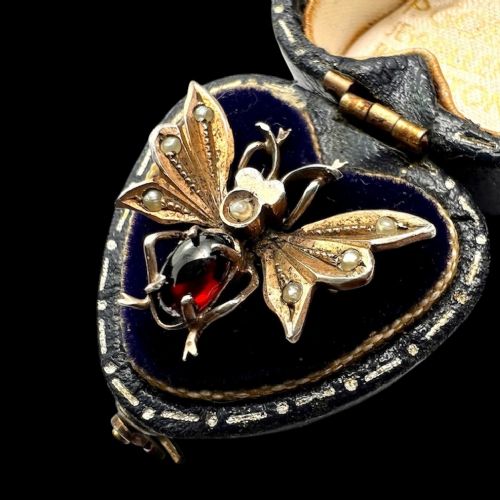
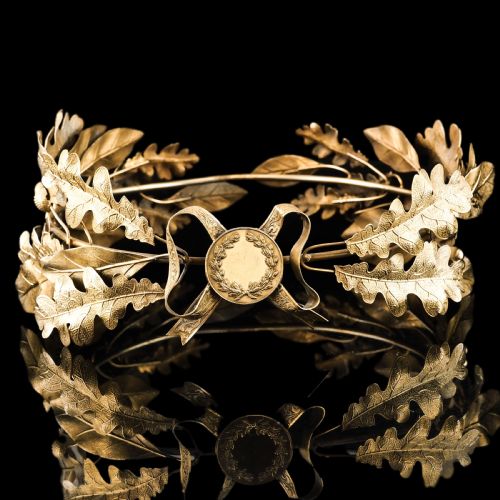
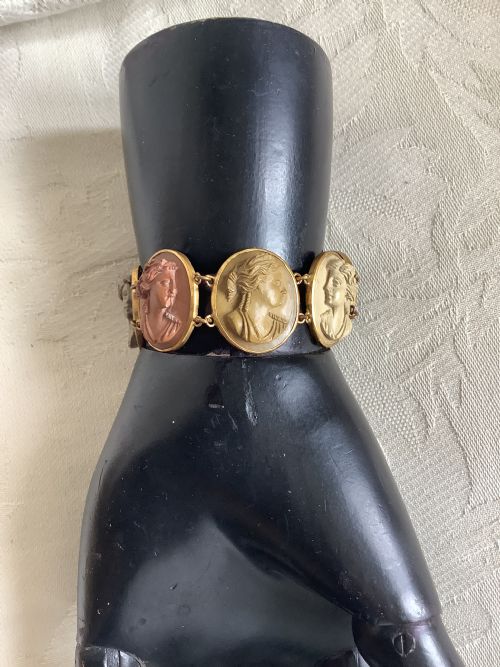
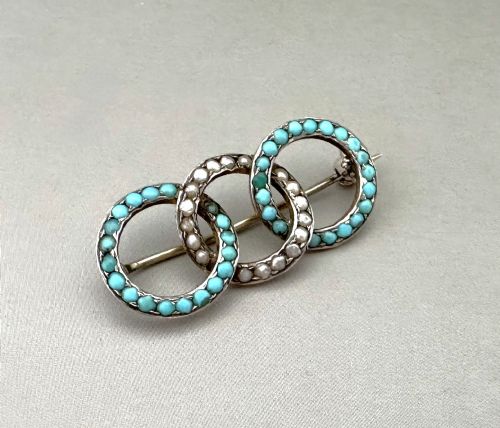
Victorian gilt jewellery encompasses a variety of wearable ornaments, from detailed brooches and drop earrings to chatelaines and decorative pendants. Pieces frequently incorporate silver gilt, gilt metal, and gold alongside stones like garnet, turquoise, and paste.
The selection on this page leans heavily into nineteenth-century forms, displaying stylistic revivals such as Renaissance, Etruscan, and Rococo influences. Buyers often encounter these distinctive designs paired with enamel work or delicate filigree settings.
Materials and construction
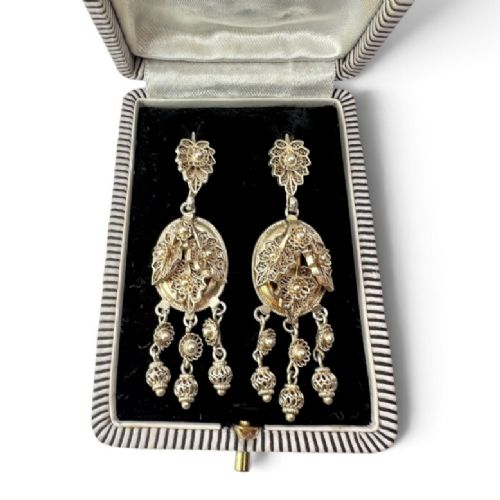
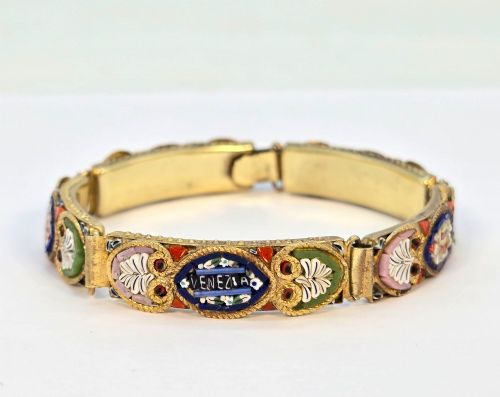
Makers utilised base metals or silver coated with a layer of gold, alongside materials like porcelain, enamel, and carved stones. Techniques such as filigree wirework, hand-painting, and micro-mosaic inlay defined the production of these items.
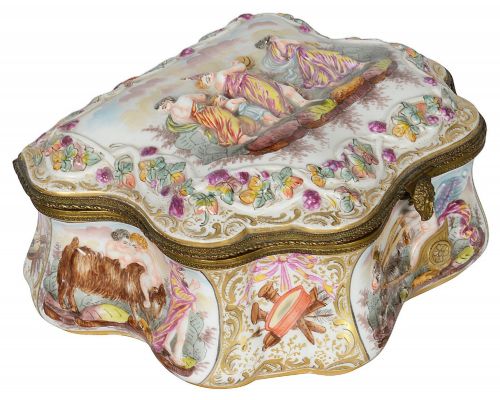
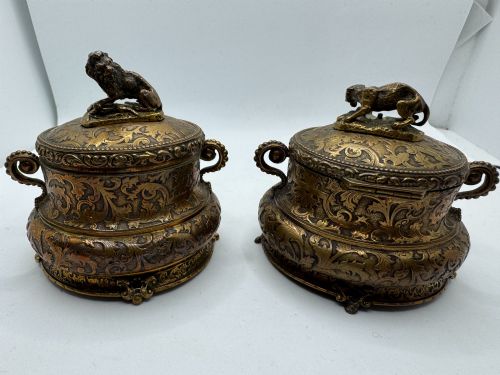
Structural elements include cast bronze or ormolu mounts, chased surface decorations, and applied appliques. These traditional methods ensure the durability and detailed finish characteristic of nineteenth-century workshop output.
Victorian Gilt Jewellery Retail Price Guide 2026
Typical asking prices for victorian gilt jewellery among the pieces listed under this phrase on Sellingantiques today, from the lower quarter to the upper quarter. They describe what is for sale here now, not the wider market.
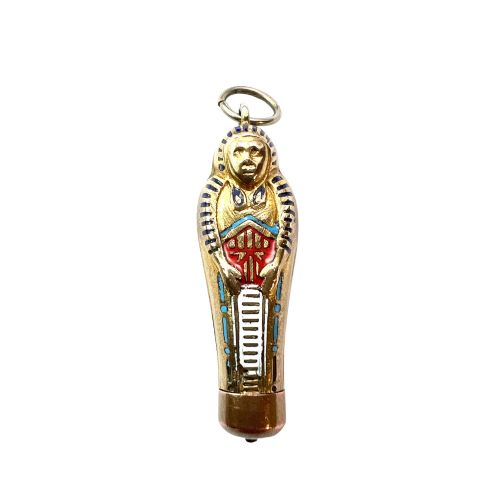
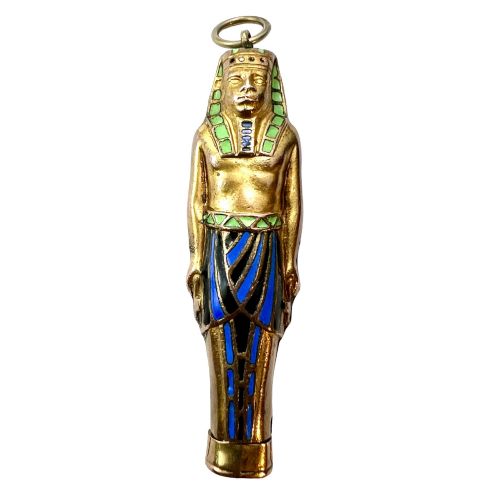
Several pieces conceal their utility cleverly, turning standard writing tools into miniature pharaoh sarcophagi.
Distinctions in quality
Quality rests upon the precision of the metalwork, whether in the crisp casting of ormolu mounts or the fine execution of silver filigree. Superior pieces display securely set stones and well-preserved gilt surfaces without excessive rubbing.
The artistry of the decorative components, such as hand-painted porcelain panels or finely detailed enamel work, elevates the standing of an item. Greater depth in design and refined assembly distinguish the finest examples.
A & J Zimmerman Ltd·Gustav Gaudernack
The Victorian Gilt Jewellery Glossary
- Silver gilt
- Silver that has been coated with a thin layer of gold. This technique provides the rich appearance of solid gold while utilising silver as the base metal.
- Ormolu
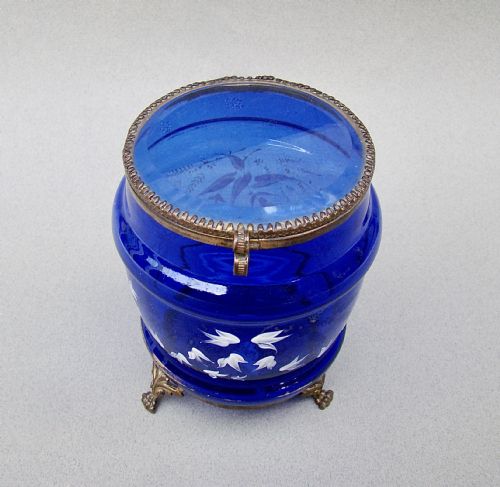
- Finely chopped high-zinc brass applied as a surface gilding to bronze objects. French nineteenth-century caskets and decorative boxes frequently employ this bright finish.
- Filigree
- Delicate jewellery metalwork formed from fine twisted wires soldered together in open patterns. It appears frequently in earrings and decorative brooches.
- Chatelaine
- A decorative belt hook worn to suspend everyday household items such as scissors or keys. Victorian examples often feature ornate rococo decorations in silver gilt.
- Paste
- Hand-cut glass used as a gemstone substitute in antique jewellery. It allows for vibrant colour and sparkle within nineteenth-century brooches and earrings.
Victorian Gilt Jewellery: Frequently Asked Questions
How should I clean antique gilt jewellery?
Clean these delicate pieces gently with a soft, dry cloth to remove surface dust. Avoid liquid dips or harsh chemical cleaners, as they can strip the thin gilt layer from the underlying metal.
Store each item separately in a lined box to prevent friction against other pieces. Keeping them away from moisture helps preserve the integrity of enamel and applied stones.
What is the difference between ormolu and gilt metal?
Ormolu specifically describes a high-zinc brass applied to bronze objects, commonly found on nineteenth-century French decorative caskets. It requires precise casting and mercury gilding techniques to achieve its characteristic bright sheen.
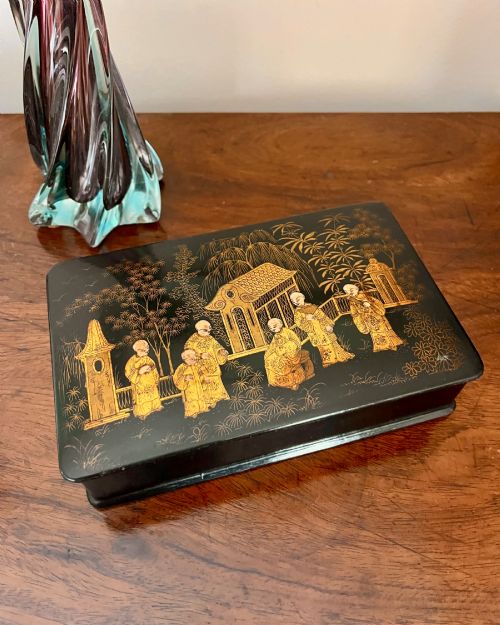
Gilt metal is a broader term covering various base metals treated with a gold wash or plate. This finish appears frequently across a wider range of Victorian trinket boxes and accessories.
How can I identify revival styles in these pieces?
Renaissance and Etruscan revival styles draw inspiration from classical antiquity, featuring archaeological motifs like granulation, cameos, and geometric enamel appliques. Rococo revival pieces are distinguished by asymmetric scrollwork, organic curves, and floral embellishments.
Examining the specific combination of stones, such as garnets or turquoise set in silver gilt, helps place the item within its nineteenth-century design context.
Were these items worn daily or kept in boxes?
Many items, such as earrings, brooches, and chatelaines, served as daily personal adornments for Victorian wearers. Others, including chatelaines, functioned as practical accessories for holding daily implements.
Conversely, larger trinket and jewellery caskets remained on dressing tables to store these valued personal ornaments. Both categories reflect the material culture of the period.