



Victorian Gilt Candlesticks
Victorian gilt candlesticks bring nineteenth-century warmth to a room, combining cast metalwork with rich gilding across various revival styles.
Victorian Gilt Candlesticks
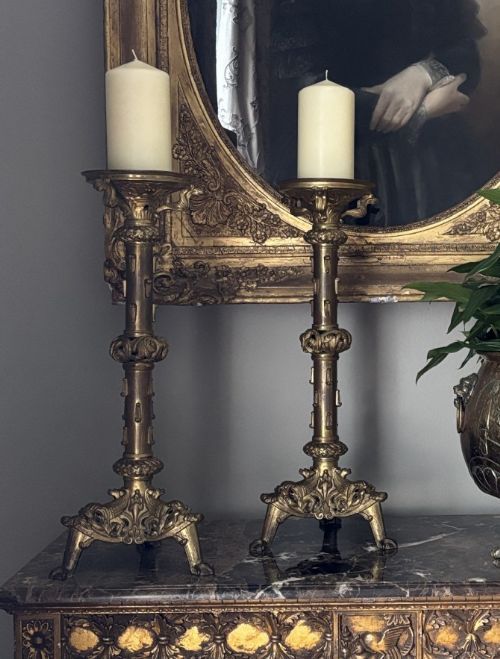
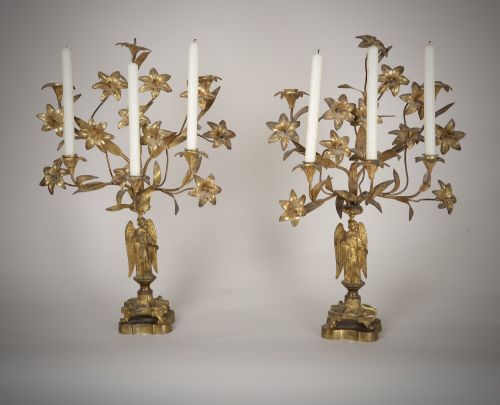
When searching for victorian gilt candlesticks, a buyer encounters paired lighting objects intended for mantelpieces, dining tables and sideboards. These pieces span the nineteenth century, emerging from periods such as the eighteen-eighties and eighteen-sixties alongside broader Victorian and Regency eras.
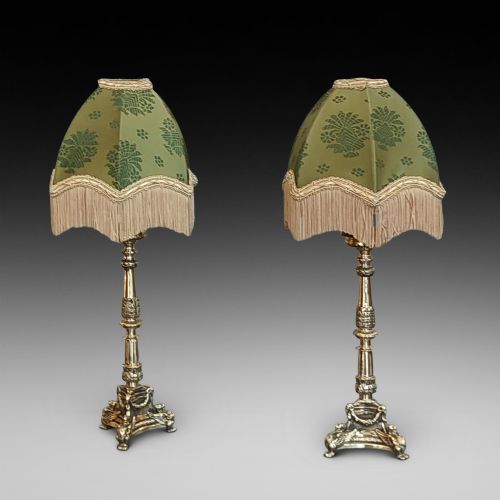
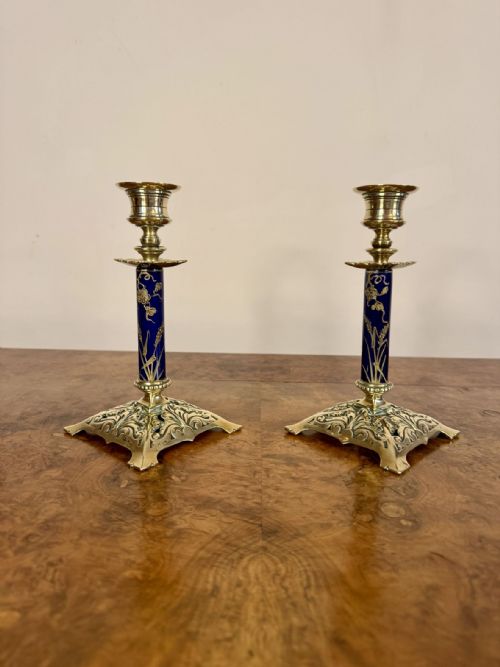
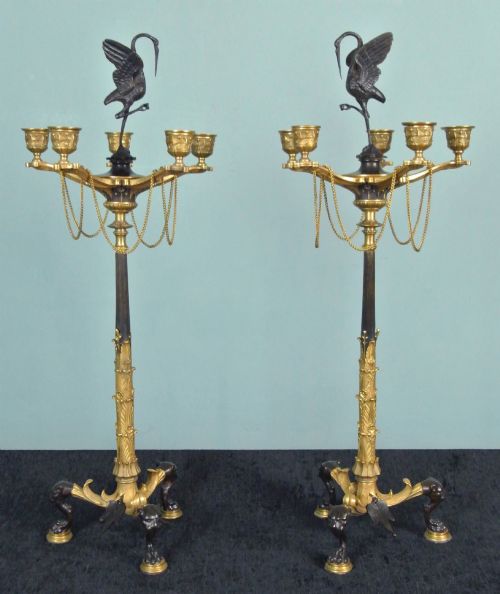
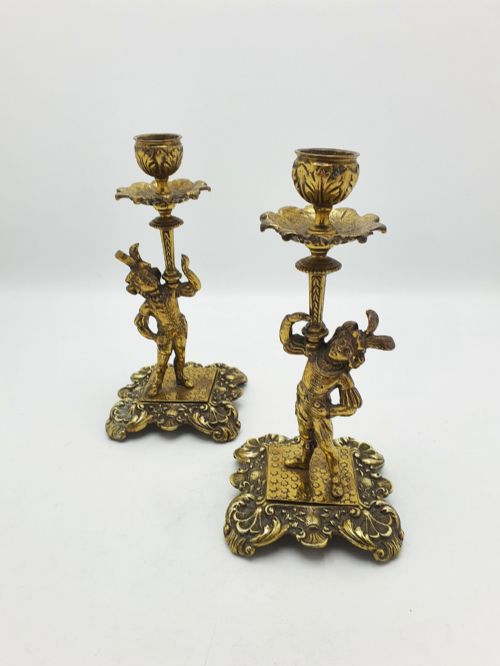
The selection on this page runs from simple brass and porcelain designs to ornate French rococo revival and gothic revival candelabra. Many items combine gilded surfaces with contrasting materials, while others appear converted into table lamps or paired with lustre drops.
How they were made
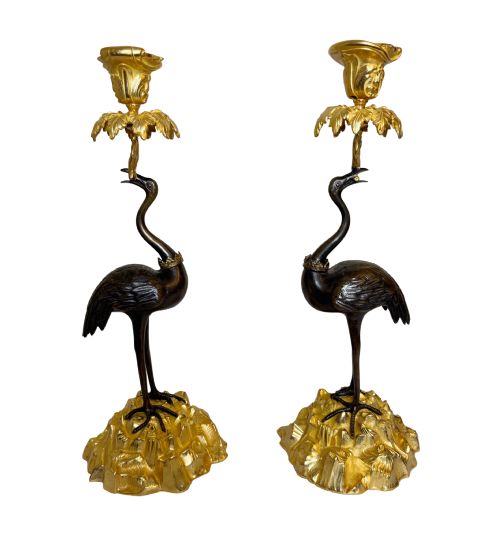
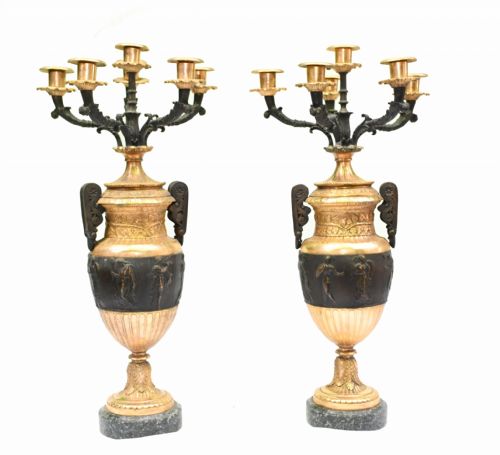
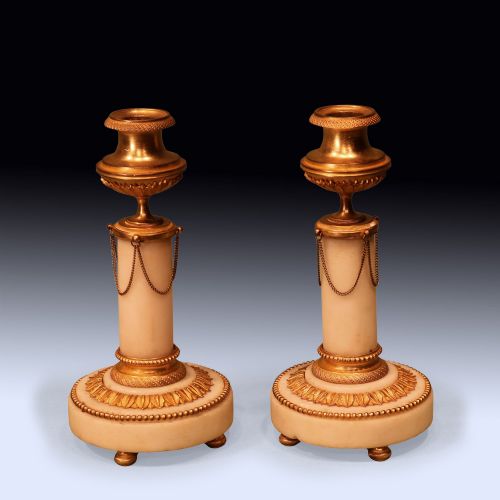
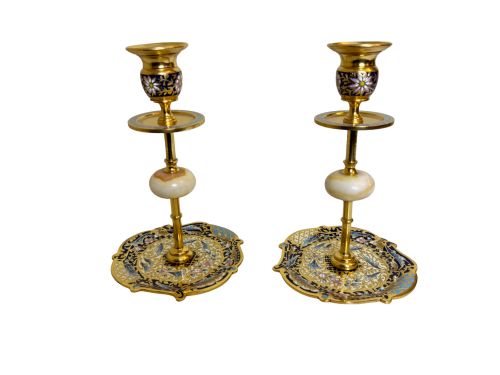
The makers of these objects relied heavily on cast metals, utilising gilt bronze, ormolu, brass and gilt metal to build sturdy frames. Many pieces incorporate decorative insets and bases made from white marble, onyx or painted porcelain.
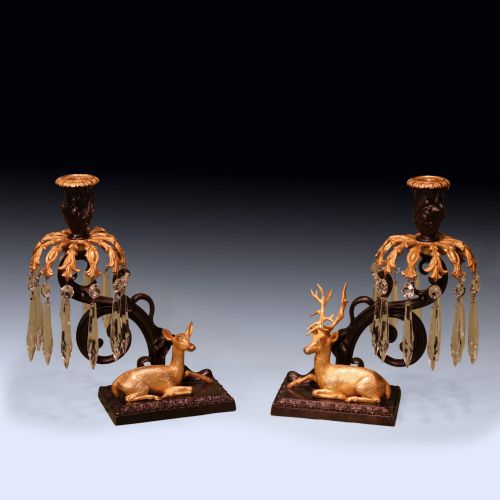
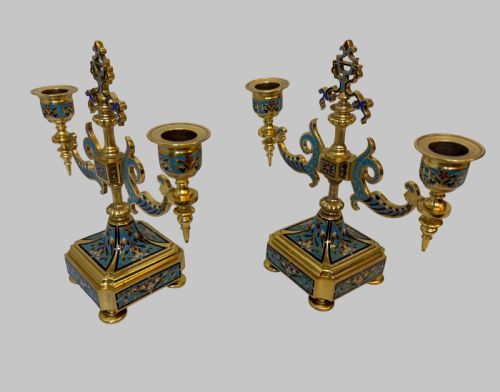
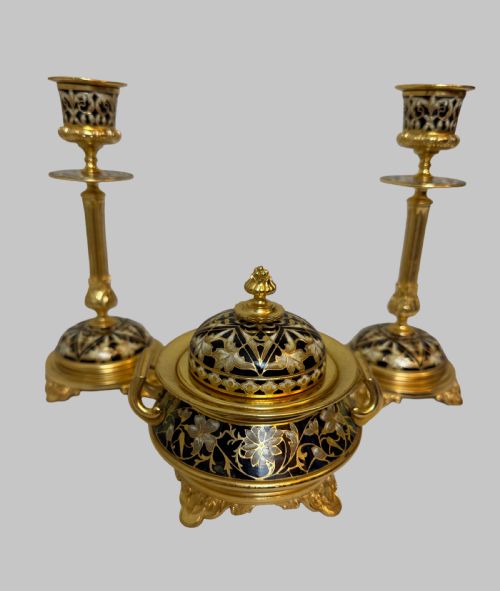
Surface decoration frequently involved intricate champlevé enamel work alongside applied bronze motifs such as flamingos, stags, cherubs and stork figures. Some examples also combine glass lustres with metal arms to catch and reflect candlelight.
Victorian Gilt Candlesticks Retail Price Guide 2026
Typical asking prices for victorian gilt candlesticks among the pieces listed under this phrase on Sellingantiques today, from the lower quarter to the upper quarter. They describe what is for sale here now, not the wider market.
Several nineteenth-century bronze desk sets and candlesticks feature playful cats, kittens, and dancing cherubs rather than solemn classical figures.
What varies in quality
The distinction between standard items and superior examples lies in the crispness of the metal casting and the depth of the gilding. Heavier foundational materials like bronze and solid marble indicate a higher grade of production than lighter brass alternatives.
Artisanal detail also separates ordinary domestic lighting from exceptional salon pieces. Fine chasing, complex figurative motifs, and intact champlevé enamel work elevate the status of a pair significantly.
Mappin and Webb·Barbedienne·Thomas Hope
The Victorian Gilt Candlesticks Glossary
- Ormolu
- A technique of applying finely ground high-carat gold to a bronze base using mercury amalgamation. This process yields a warm, durable golden finish found on fine nineteenth-century French and English pieces.
- Champlevé
- An enamelling technique where troughs are dug into a metal surface and filled with vitreous enamel powder before firing. The resulting coloured patterns decorate many nineteenth-century bronze items.
- Lustre
- A type of candlestick or candelabra hung with cut glass pendants designed to refract light. These drops catch the flame's glow and amplify the illumination.
- Candelabra
- A branched candlestick holding multiple candles on separate arms. These pieces often stand taller than single candlesticks and served as grand table or mantel centrepieces.
Victorian Gilt Candlesticks: Frequently Asked Questions
Were these converted to lamps?
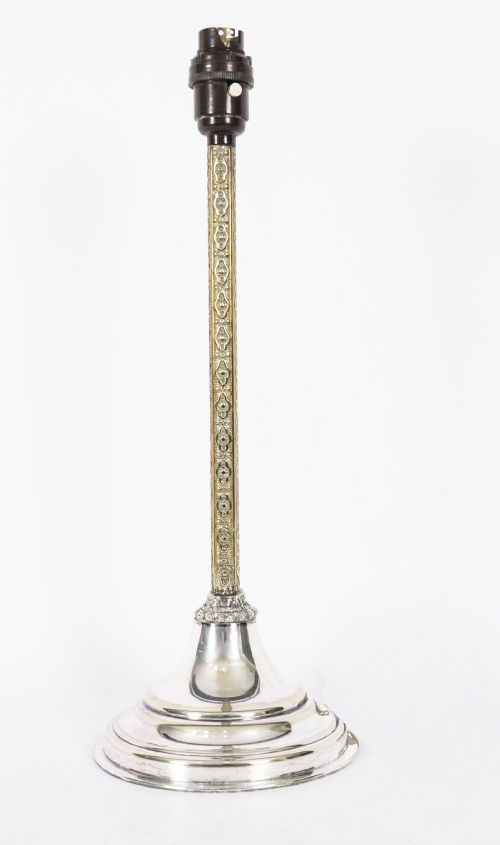
Many nineteenth-century lighting pieces underwent conversion to electricity during the twentieth century. Wiring often runs through the central shaft or uses existing apertures without altering the core structure.
Buyers often find both original candle-holding formats and electrified lamp bases listed under this category. Some collectors prefer unalterable candle use, while others value the practicality of wired table lamps.
What styles are most common?
French rococo revival and gothic revival styles appear frequently among nineteenth-century metalwork. These designs draw heavily on earlier historical motifs adapted for Victorian drawing rooms.
Neoclassical and ornate architectural columns also feature prominently in the surviving output. Ecclesiastical designs offer a simpler, more austere alternative to domestic decorative metalwork.
How do I date these pieces?
Dating relies on stylistic clues, manufacturing techniques, and occasional stamped factory marks on the base metal. Mid-century examples from eighteen-sixty often display heavier cast bronze and marble combinations.
Later Victorian items from the eighteen-eighties frequently introduce champlevé enamel and varied porcelain elements. Comparing construction methods helps narrow the decade of production.