


Victorian Gilded Pier Mirror
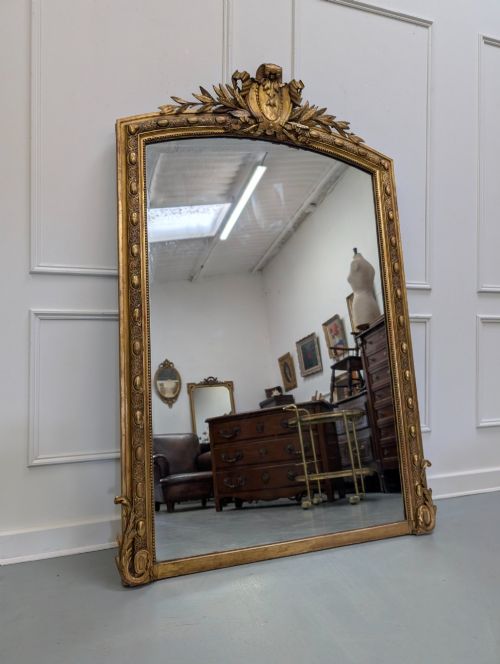
A victorian gilded pier mirror brings height and reflected light to a room, hung traditionally between windows over a low table.
Victorian Gilded Pier Mirror
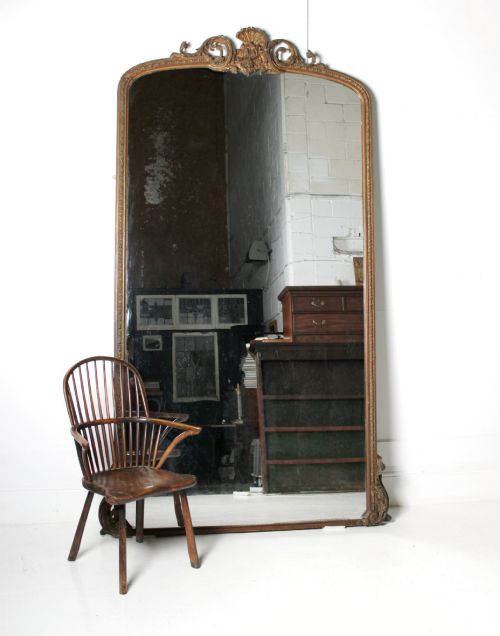
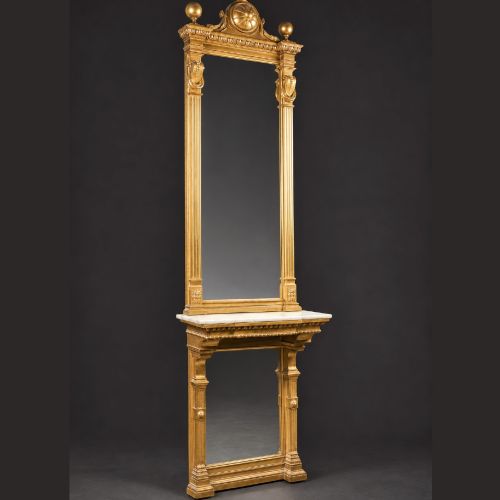
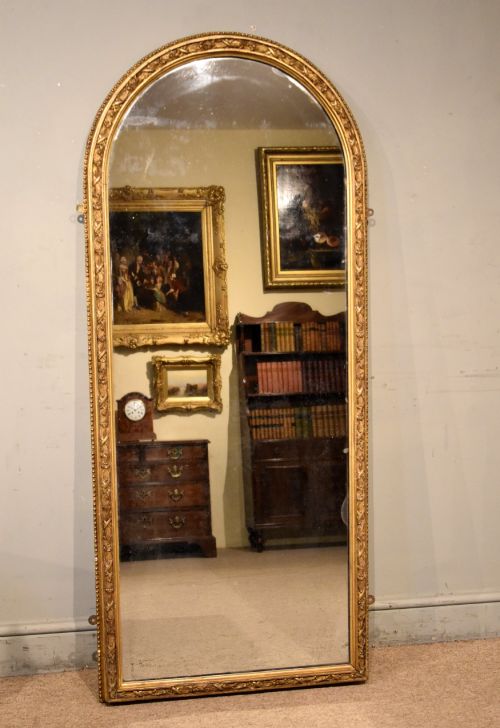
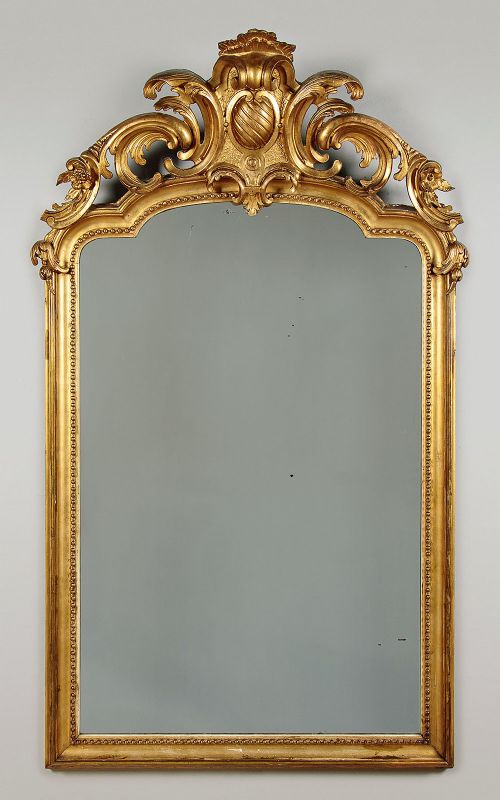
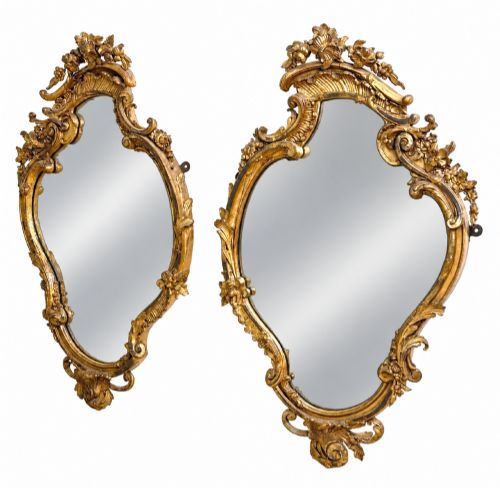
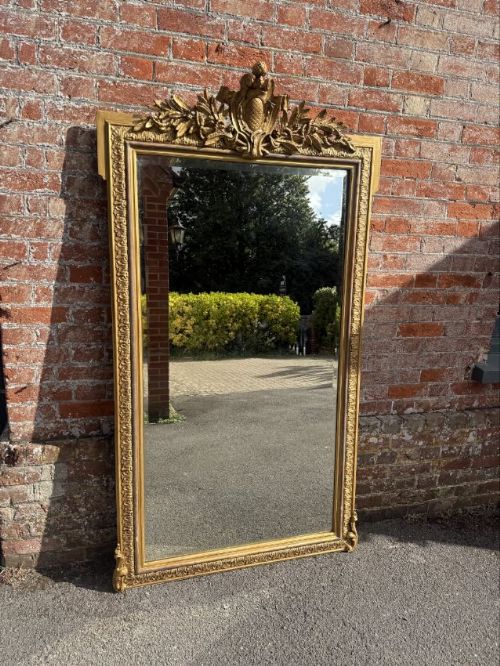
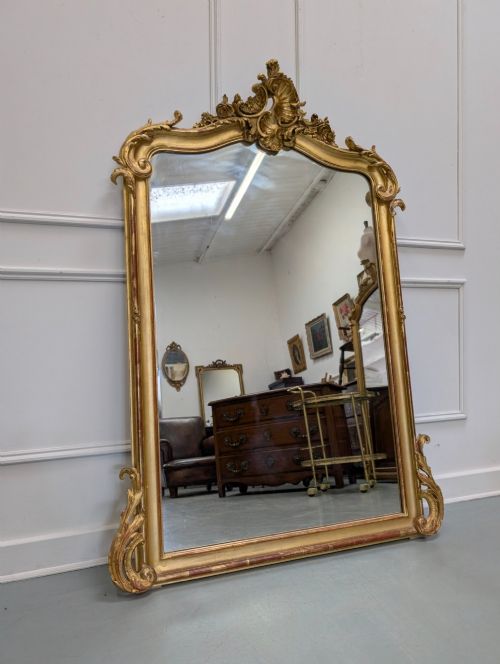
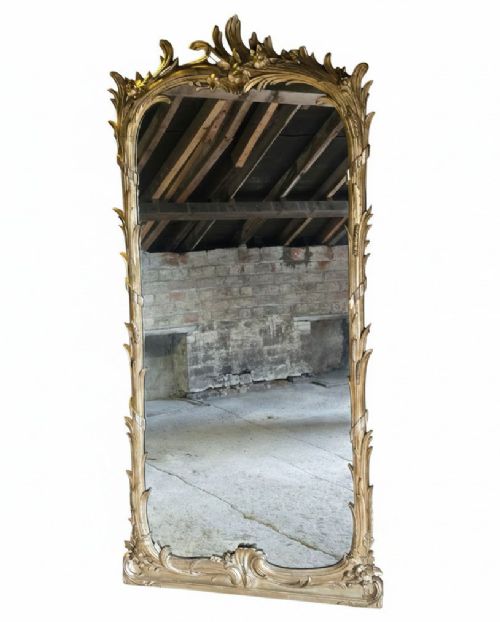
A victorian gilded pier mirror serves as a tall wall glass designed to occupy the narrow wall space between windows. The pieces seen here span the nineteenth century, including specific decades from eighteen fifty to eighteen ninety alongside the broader victorian period. English and French examples dominate, taking forms such as overmantel mirrors, console table combinations, and full length leaner glasses.
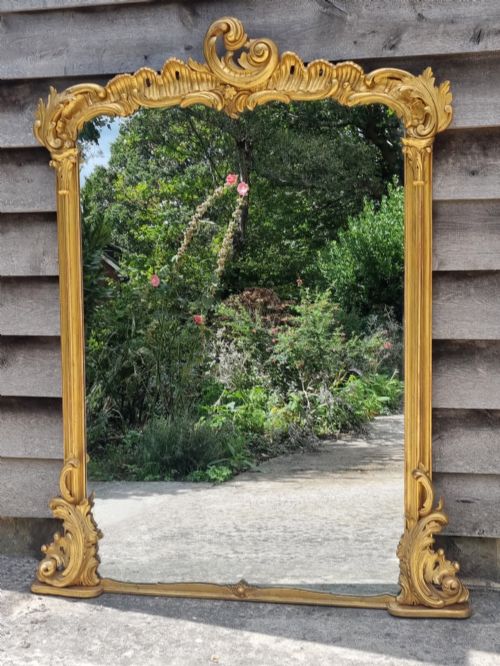
Makers and designers drew upon various stylistic revivals for their frames. Rococo revival, neoclassical, and louis xvi influences appear frequently, alongside cartouche and oval shapes carved from wood or moulded with composition ornament. Scale varies considerably from compact hall mirrors to massive statement pieces standing over a metre and a half high.
How they were made
Craftsmen built these frames using timber carwed directly or constructed with applied gesso details. Giltwood surfaces received layers of gold leaf or paint over prepared grounds to create a luminous metallic finish. Composition ornament, often called compa, allowed intricate moulded details to be fixed onto wooden carcases efficiently.
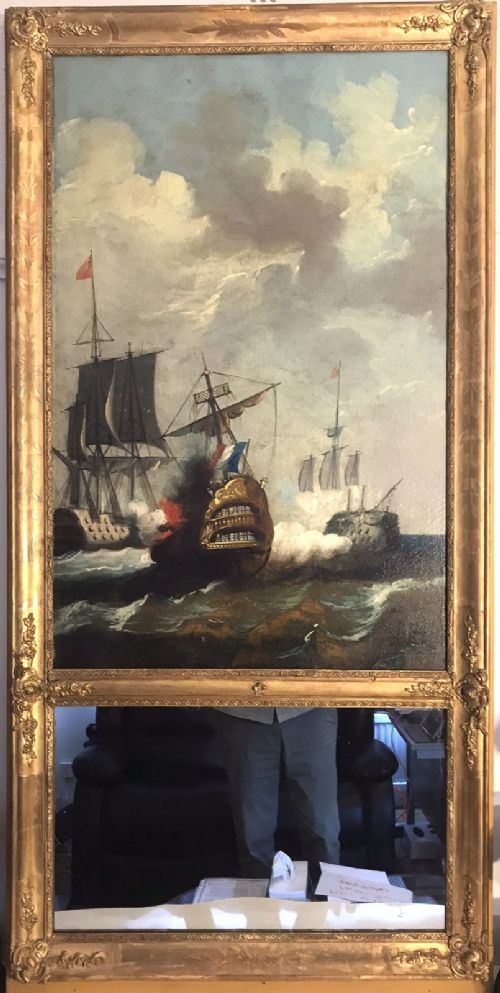
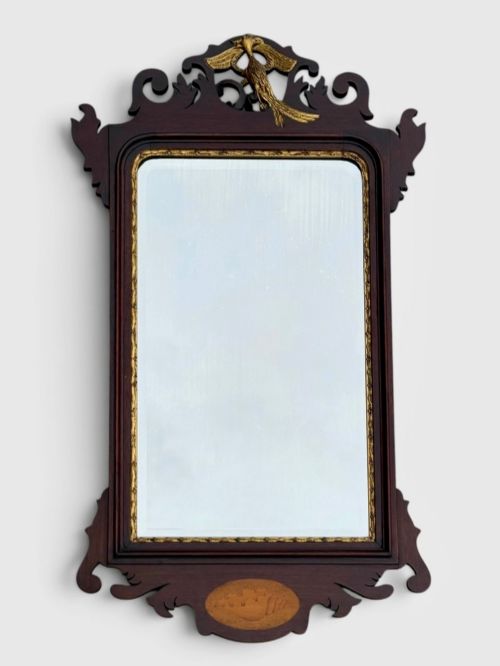
Glass plates were silvered and fitted into heavy frames designed to support the optical weight of the piece. Some examples incorporate decorative oil paintings above the glass, such as seascapes depicting galleons at sea, combining two distinct artisan skills within one single wall hanging.
Victorian Gilded Pier Mirror Retail Price Guide 2026
Typical asking prices for victorian gilded pier mirror among the pieces listed under this phrase on Sellingantiques today, from the lower quarter to the upper quarter. They describe what is for sale here now, not the wider market.
Some maritime pier mirrors feature miniature painted seascapes showing galleons caught in perpetual motion above your reflection.
What varies in quality
The depth and crispness of the carved detail separates ordinary frames from exceptional ones. Hand carved wooden mouldings retain sharp contours and natural movement, whereas mass produced composition ornaments can appear soft or repetitive under close inspection.
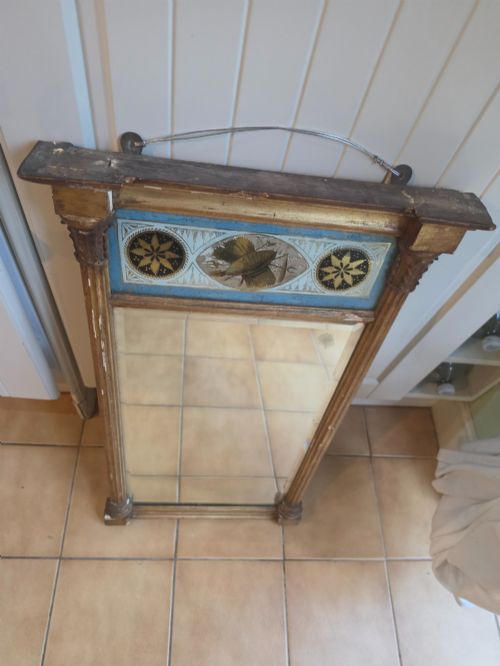
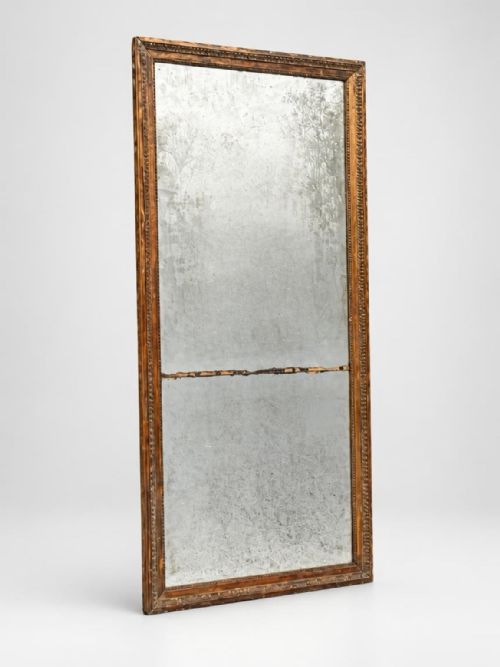
The integrity of the original gilding and the condition of the mirror plate itself define the visual authority of the object. Period glass frequently shows gentle foxing and age spots that evidence historical authenticity, while the original gold leaf layer reflects light with a softer warmth than later overpainting.
The Victorian Gilded Pier Mirror Glossary
- Pier glass
- A tall mirror specifically proportioned to hang on the wall space between two windows. It often sat directly above a matching console table.
- Gesso
- A plaster mixture applied to wood frames to create a smooth surface for gilding or to build up low relief decorative motifs.
- Giltwood
- Timber that has been covered with gold leaf or metal leaf. It forms the primary reflective framing material for nineteenth century wall mirrors.
- Trumeau
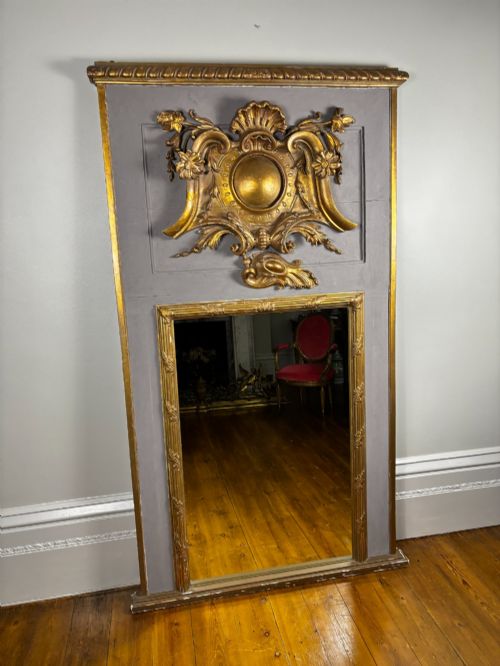
- A decorative wall mirror incorporating an oil painting or panel within the upper section of the frame. French examples frequently showcase this layout.
- Composition
- A moulded mixture of whiting, resin, glue, and oil pressed into ornaments for furniture and frames. It provided a faster alternative to hand carving.
Victorian Gilded Pier Mirror: Frequently Asked Questions
Where should I hang a pier mirror?
These tall glasses fit naturally on narrow walls between windows to bounce daylight across the room. Placing one above a low console table or sideboard completes the traditional room arrangement.
Ensure the wall construction supports the substantial weight of a heavily framed mirror. Secure fixings attached directly to structural studs provide the necessary safety for larger nineteenth century pieces.
How do I identify a Victorian mirror?
Nineteenth century framing often incorporates dense gesso, composition ornament, and characteristic revival styles such as rococo or neoclassical. Construction methods utilise older timber preparation techniques distinct from modern manufacturing.
Examining the reverse reveals period fixings, old pine backing boards, and hand cut fix nails. The mirror glass itself may display subtle distortion or age foxing consistent with nineteenth century production.
What is the difference between a pier mirror and an overmantel mirror?
Pier mirrors are traditionally taller and narrower to suit the wall space between windows. Overmantel mirrors tend to be wider and lower, designed specifically to sit above a fireplace mantelpiece.
Despite their original intended placements, many nineteenth century examples served multiple functions. Surviving records show similar grand frames utilised interchangeably across walls and mantelpieces depending on room proportions.
How do I clean an antique gilt mirror?
Dust the carved frame gently with a soft dry brush to remove surface particles without disturbing the delicate gold leaf. Avoid liquid cleaners entirely near the gilding, as moisture lifts old gesso and leaf.
Clean the glass plate using a minimal amount of glass cleaner applied to a cloth rather than sprayed directly onto the surface. This prevents liquid from seeping behind the frame rabbet and damaging the silvering or backing.