

Victorian Gentleman Wall Art
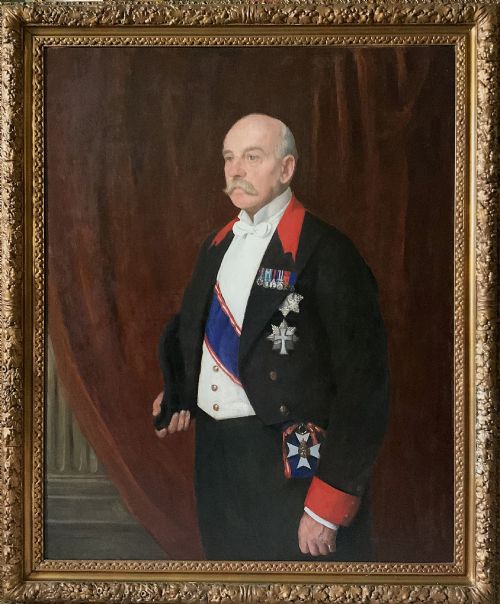
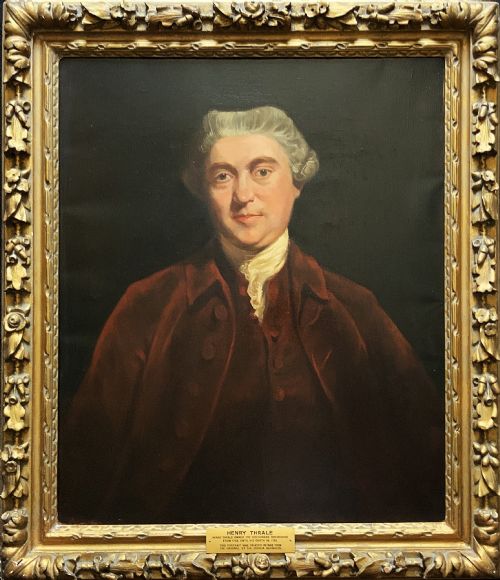
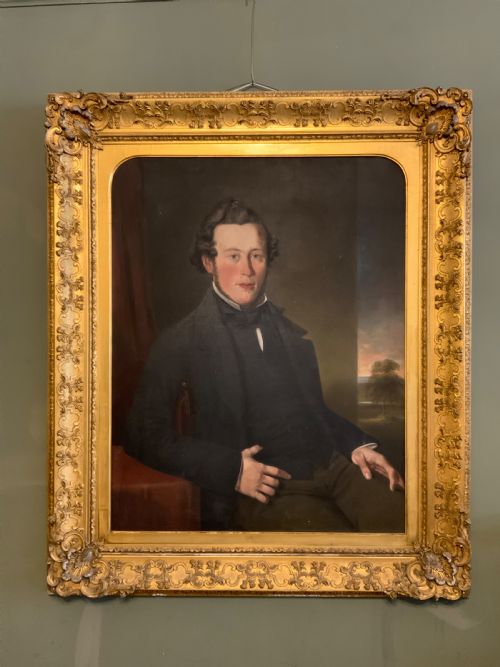
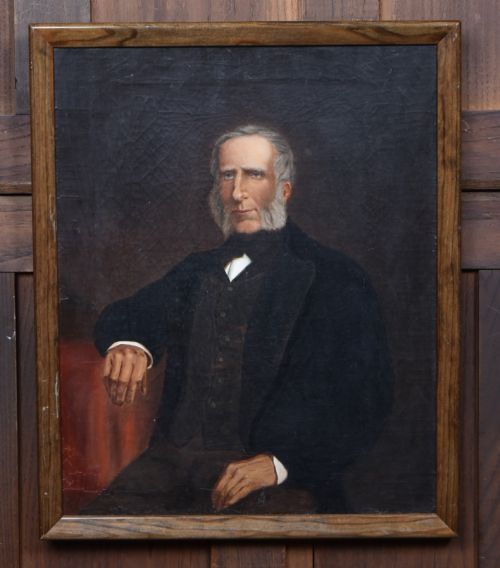
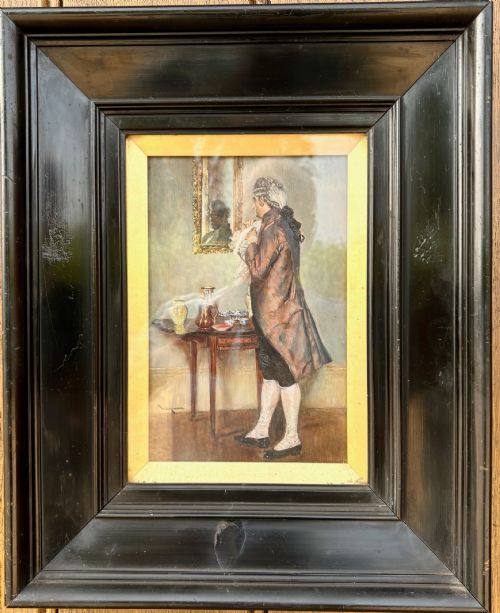
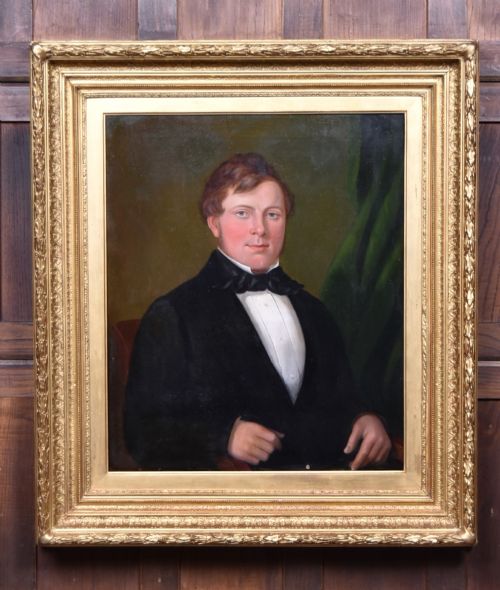
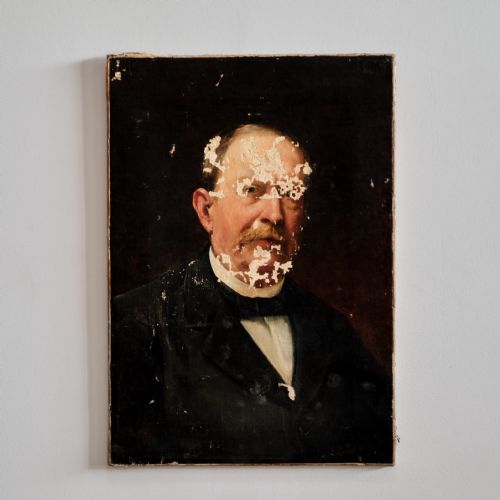
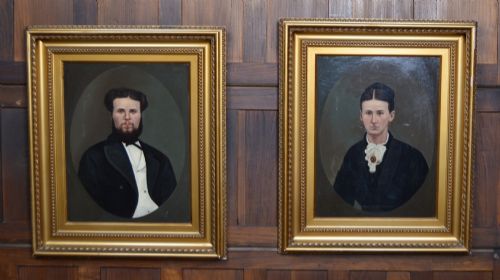
These pieces of victorian gentleman wall art capture the distinct character of past eras through formal portraiture and framed prints.
Victorian Gentleman Wall Art
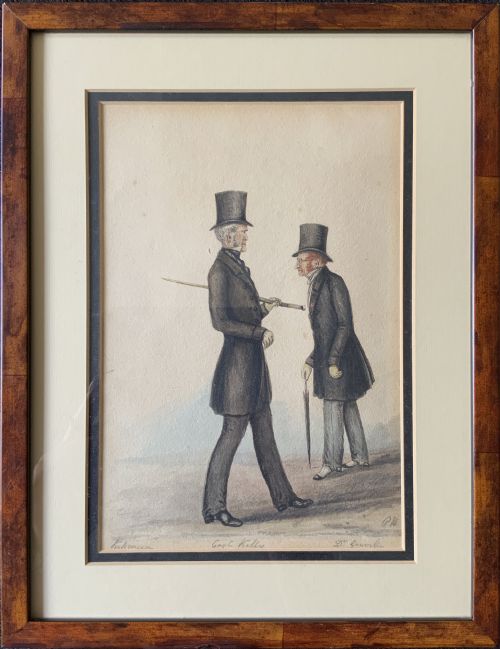
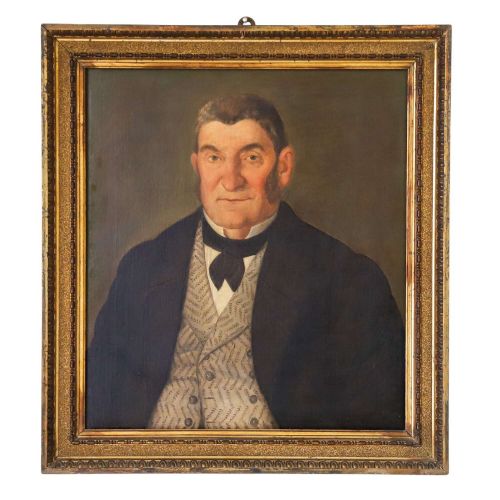
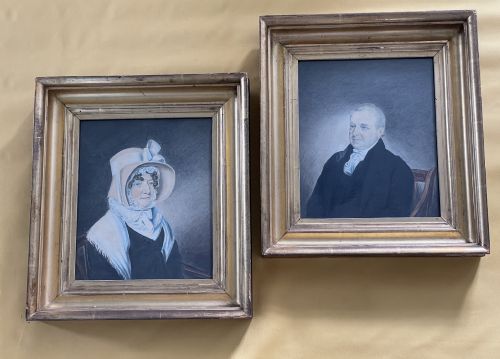
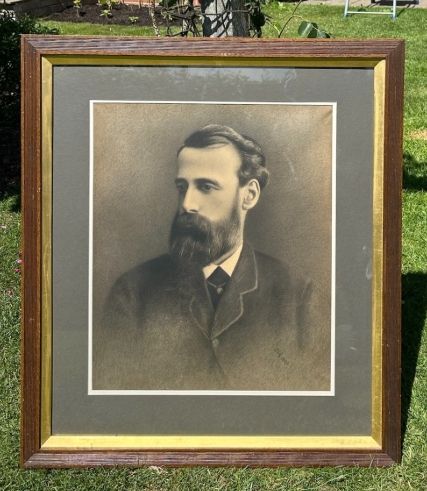
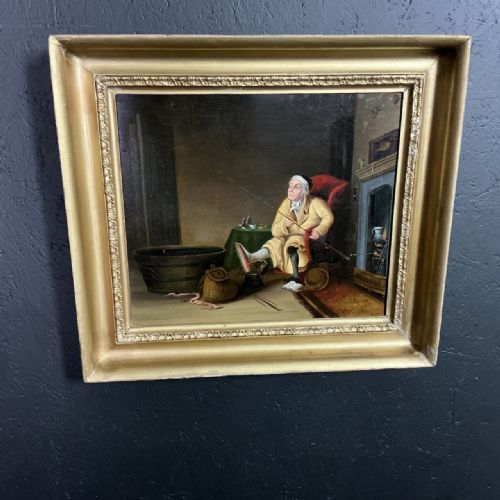
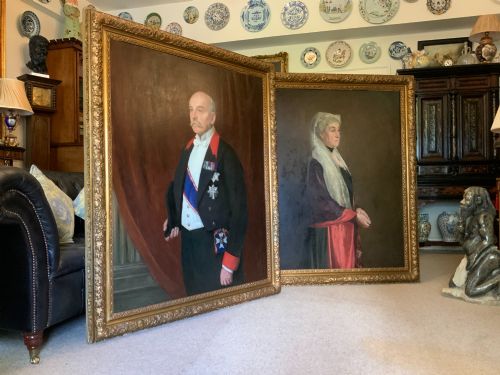
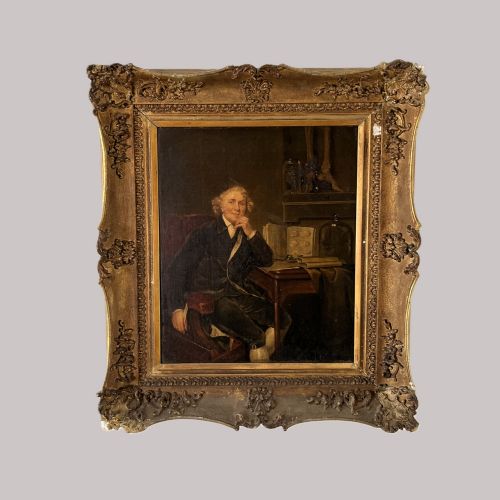
When searching for victorian gentleman wall art, buyers encounter a focused selection of historical portraiture that centres on male subjects from the nineteenth century and surrounding periods. The works span oil paintings on canvas or board, watercolours, charcoal and graphite drawings, silhouettes, and printed series such as Vanity Fair prints.
The most common formats on this page are oil paintings and framed works originating from the Victorian era and the broader nineteenth century. Pieces range from intimate character studies and naive portraits to monumental historical depictions and military figures.
Materials and Techniques
Techniques demonstrate academic portraiture alongside detailed draughtsmanship, caricature, and printmaking methods like the lithography seen in published caricature series. Supporting elements include original brass mounts, oak crests, and velvet backing.
Among the distinguished gentlemen, a nineteenth-century naive portrait deliberately records a sitter equipped with a wooden leg.
Assessing the Works
Framing and material preservation contribute substantially to the standing of a piece. Original giltwood frames, signed inscriptions, and well-preserved canvases or paper grounds elevate the historical weight of the artwork.
W.D. Almond·John Arthur Lomax·John Watkins Chapman·Frederick Goodall·Heywood Hardy
The Victorian Gentleman Wall Art Glossary
- Oil on canvas
- Pigment bound in drying oil applied to a woven fabric stretched across a wooden frame. This primary support underpins many of the grander portraits in the selection.
- Charcoal and graphite
- Dry drawing media made from burnt organic material or carbon set into wood. These materials allow for rapid expressive sketching as well as finely shaded tonal portraiture.
- Silhouette
- A portrait rendered as a solid dark shape in profile, typically cut from paper or painted. This technique gained immense popularity in the eighteenth and nineteenth centuries.
- Vanity Fair print
- A chromolithographic caricature published in the British periodical Vanity Fair. These prints famously depicted notable men of the day with satirical yet recognisable accuracy.
- Giltwood
- Wood carved and coated with gold leaf or metallic powder. It provides the ornate, reflective borders standard on formal nineteenth-century frames.
Victorian Gentleman Wall Art: Frequently Asked Questions
How do I date an antique portrait?
Dating relies heavily on clothing styles, facial hair, and framing materials visible in the piece. Inscriptions on the reverse or signatures by documented artists also provide definitive temporal anchors.
Period styles shifted from the high collars of the Regency era through to Victorian formal attire and Edwardian relaxed tailoring. Comparing these sartorial details with known historical baselines helps secure the decade of creation.
Where were these paintings originally displayed?
These portraits typically hung in the libraries, studies, and drawing rooms of country houses and town residences. They served to commemorate family lineages, respected professionals, or notable public figures.
Larger scale oils often occupied prominent positions above mantelpieces or in grand entrance halls. Smaller watercolours and drawings were traditionally grouped together in intimate private chambers.
How should I hang and light oil portraits?
Portraits require stable interior wall spaces away from direct sunlight and excessive humidity to protect canvas and paper integrity. Secure picture hooks rated for the weight of heavy giltwood frames are essential for safe hanging.
Lighting should be indirect or provided by dedicated picture lights using low-heat bulbs. This approach prevents UV degradation while highlighting the depth of the oil pigments and the detail of the brushwork.
What is the difference between a study and a finished portrait?
A study is typically a preparatory sketch or quicker rendering created to capture posture, lighting, or facial structure before beginning a major canvas. These pieces often exhibit looser brushwork and immediate expressive energy.
Finished portraits represent the polished final commission, featuring meticulous attention to clothing, background details, and formal likeness. Both forms hold distinct appeal for collectors depending on aesthetic preference.