



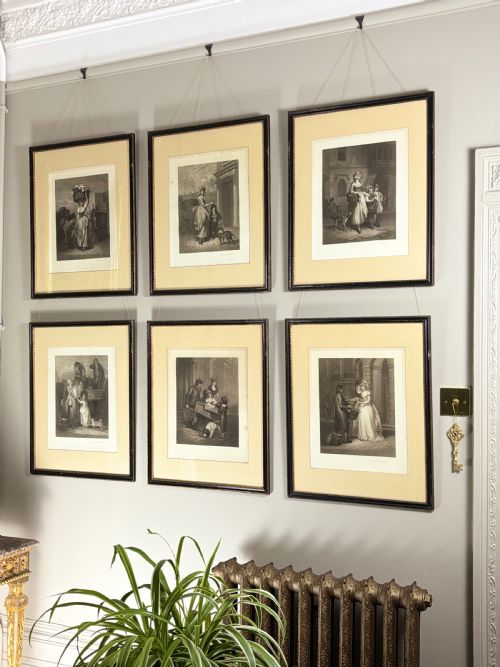
Victorian Genre Scene Picture
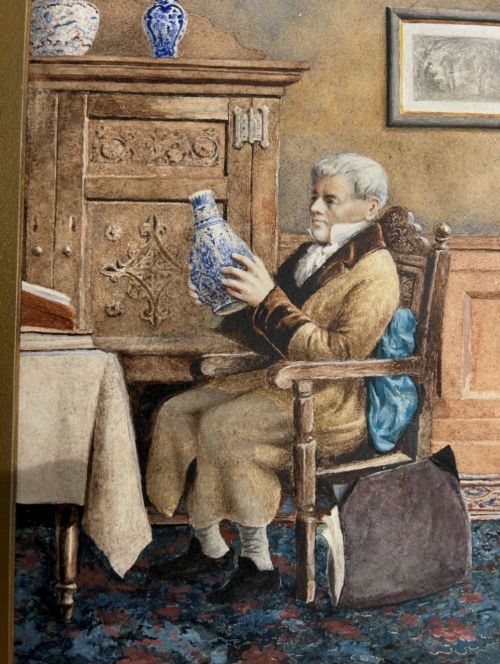
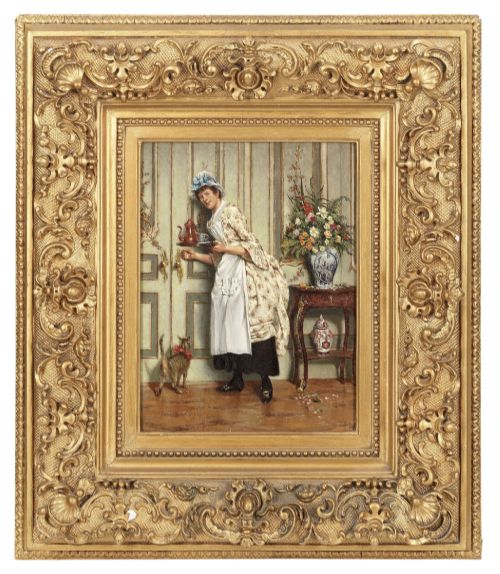
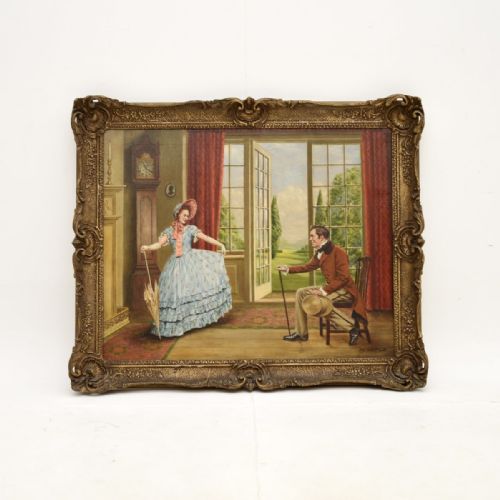
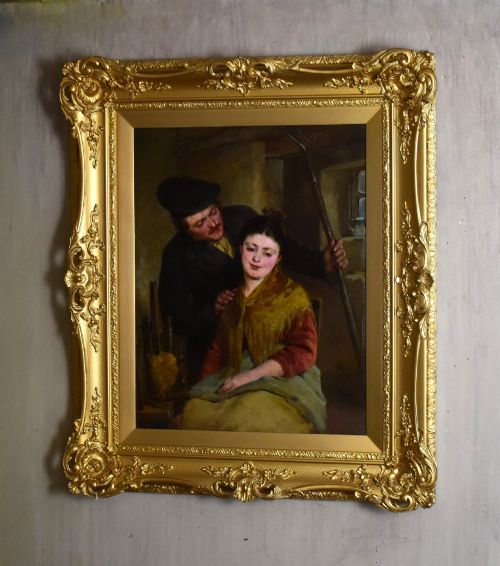
These Victorian genre scene picture examples capture everyday life across the nineteenth century through oil paintings and watercolours.
Victorian Genre Scene Picture
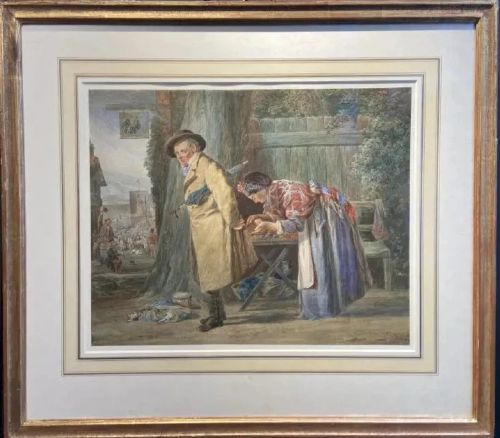
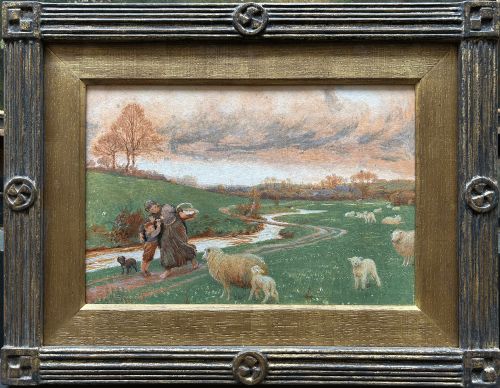
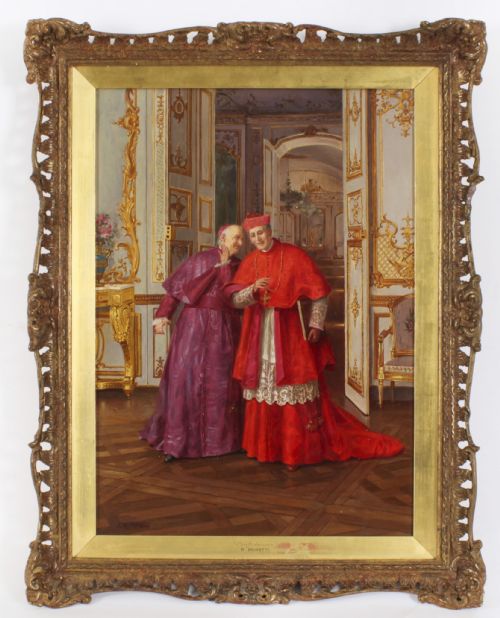
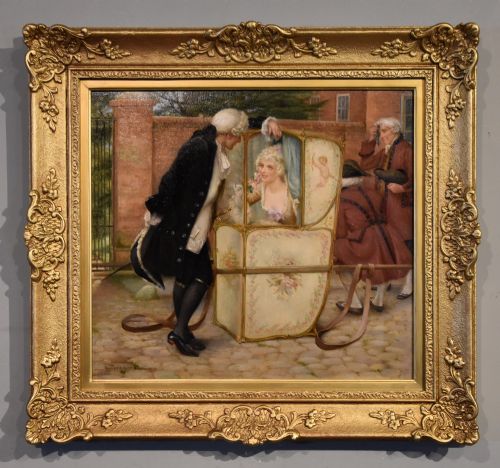
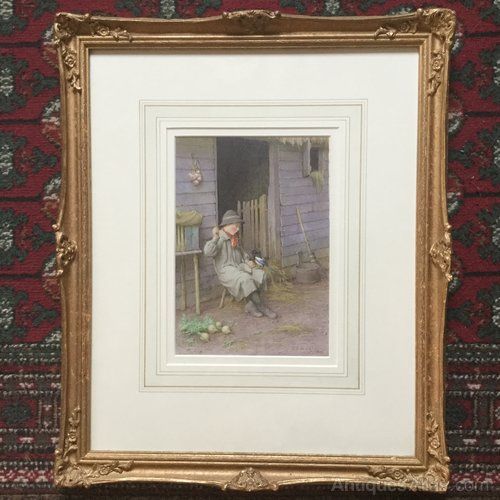
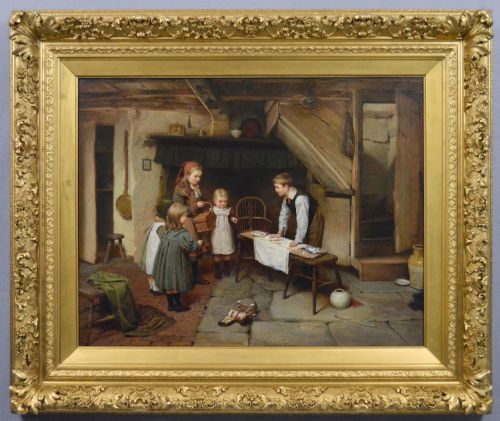
A victorian genre scene picture depicts everyday life, ordinary people, and domestic narratives rather than grand historical or mythological subjects. The works found here span the nineteenth century and into the early twentieth century, taking the form of oil paintings, watercolours, engravings, mezzotints, and crystoleoms.
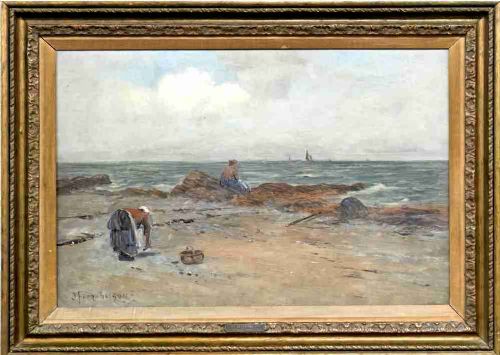
Buyers will encounter interior scenes of country houses, tavern gatherings, children playing in cottages, and coastal communities at work. Many pieces show specific regional character, from Yorkshire coast fishwives to Italian street life and French carriage scenes.
The creators range from named British and continental artists to followers and copiers working within the realist and genre traditions. These works serve as visual records of social history, domestic customs, and rural labour.
Materials and technique
Artists painted primarily in oil on canvas or panel, or applied watercolour pigments to paper, often framing the finished works in giltwood, gesso, or burr maple frames. The physical support frequently dictates whether a piece remains protected behind glass or exposed to the room.
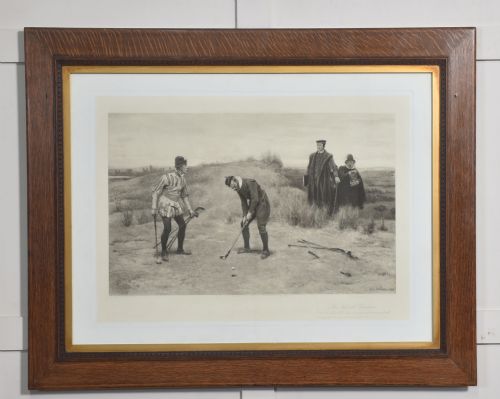
Printmakers utilised engraving and mezzotint techniques on paper to reproduce popular compositions for a wider audience. Gilder work on the frames involved gold leaf applied over composition or gesso moulding.
A foal steals fruit from a basket while a tethered pony watches, captured in watercolour by Helena Maguire in the year nineteen hundred.
Distinctions in quality
Quality rests upon the confidence of the draughtsmanship, the handling of light within the domestic interior or landscape, and the expressiveness of human figures. Stronger works demonstrate individual observation of pose and costume rather than formulaic repetition of stock types.
The material integrity of the primary support, whether canvas, panel, or paper, alongside the preservation of original framing materials such as giltwood and gesso, contributes significantly to the standing of any given piece.
Stephen Samuel Lewin·Alfred Lyndon Grace·Howard Helmick·Joseph H Barnes·Frederick Walker·Joseph Farquharson·Renato Moretti·Delapoer Downing·Albert Ludovici Jnr·Charles Edward Wilson·Harry Brooker·George Kilburne·John Arthur Lomax·Thomas G Appleton·Edward Stodart·Arthur Hopkins·Henry John Yeend King·James Hardy Junior·Edwin Hughes·William Henry Knight·Helena Maguire·Gilbert Scott Wright·John Henry Dell·Kate E Booth·Charles H Poingdestre
The Victorian Genre Scene Picture Glossary
- Genre painting
- The pictorial representation of scenes from everyday life, typically involving ordinary people engaged in common activities. This style flourished in Britain and across Europe during the Victorian period.
- Mezzotint
- A printmaking process of the intaglio family, done on copper, where the plate is roughened to produce dark tones and scraped back to create highlights. It allowed for subtle tonal gradations in reproductive prints.
- Crystoleom
- A Victorian method of rendering a photograph or print transparent, sticking it to glass, and hand-painting the reverse side before backing it. This technique produced a luminous, three-dimensional effect.
- Gesso
- A plaster-like mixture used as a base for moulding or gilding on wooden picture frames. It provided a smooth surface for the application of gold leaf.
- Canvas
- A heavy woven fabric used as a surface for oil painting, stretched over a wooden frame. It became the standard support for fine art oil paintings from the nineteenth century onward.
Victorian Genre Scene Picture: Frequently Asked Questions
What is a Victorian genre scene?
A Victorian genre scene is an artwork that portrays everyday life, domestic interiors, and ordinary people rather than grand historical events. These works provide a window into nineteenth-century social customs, labour, and family life.
Subjects might include children playing, fishermen returning to the coast, or quiet moments inside a country house. Artists of the period observed these daily interactions with meticulous detail and narrative focus.
How do I care for antique watercolours?
Antique watercolours on paper require careful protection from direct sunlight to prevent the pigments from fading. Framing under UV-filtering glass helps preserve the delicate washes and paper support.
Keep these pieces away from damp environments and extreme temperature fluctuations, which can cause foxing spots or mould growth on the paper. Professional framing using acid-free mounts ensures long-term stability.
Are these works original or prints?
The category includes both original hand-painted works, such as oil paintings and watercolours, and historical print formats like mezzotints and engravings. Listings specify whether a piece is an original painting or a print after an original work.
Examining the surface closely reveals the brushstrokes of an oil painting or the plate marks and dot patterns of a printed reproduction. Both original paintings and period prints held significant popularity during the Victorian era.
How can I date a Victorian painting?
Dating a Victorian painting involves examining the artist's active period, the style of dress and interior furnishings depicted, and physical clues on the canvas or frame. Many nineteenth-century works carry signatures, dates, or exhibition labels on the reverse.
The type of canvas, stretcher construction, and framing materials also offer chronological markers. Stylistic shifts from early Victorian realism to later impressionistic touches help narrow the decade of creation.