



Victorian Gas Light
These surviving pieces of victorian gas light engineering combine solid metalwork with functional glass, offering authentic period illumination for contemporary spaces.
Victorian Gas Light
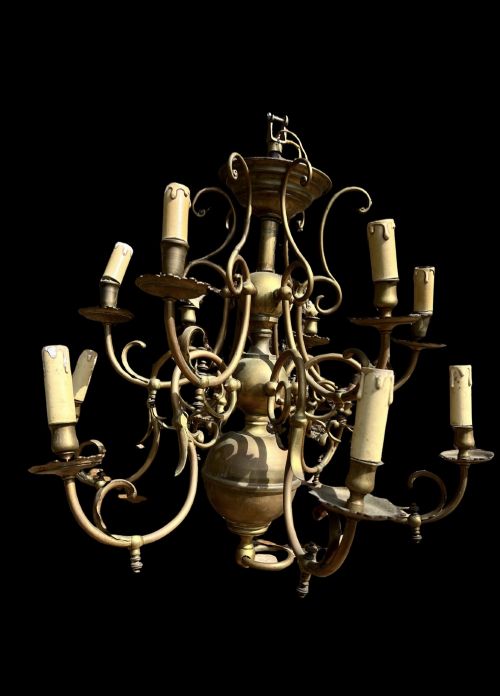
A victorian gas light encompasses a variety of lighting fixtures designed for domestic and municipal use during the nineteenth century. These include wall sconces, ceiling-mounted gasoliers, street lanterns, and floor-standing candelabras.
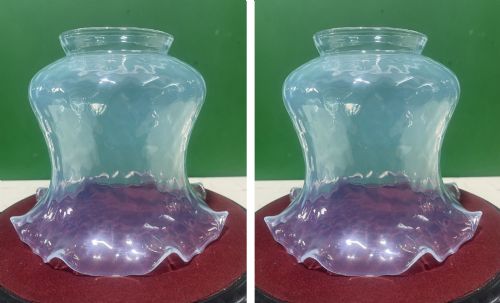
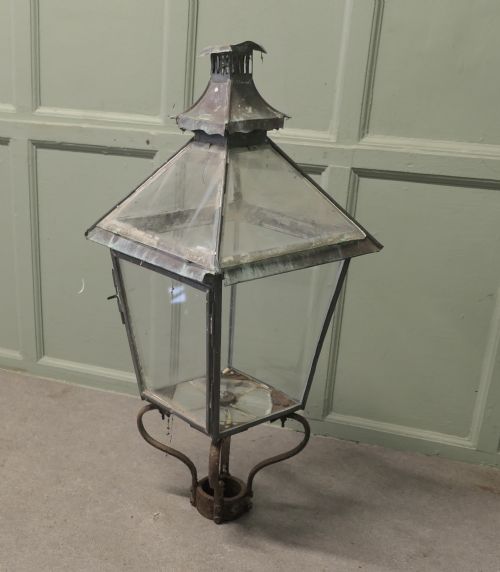
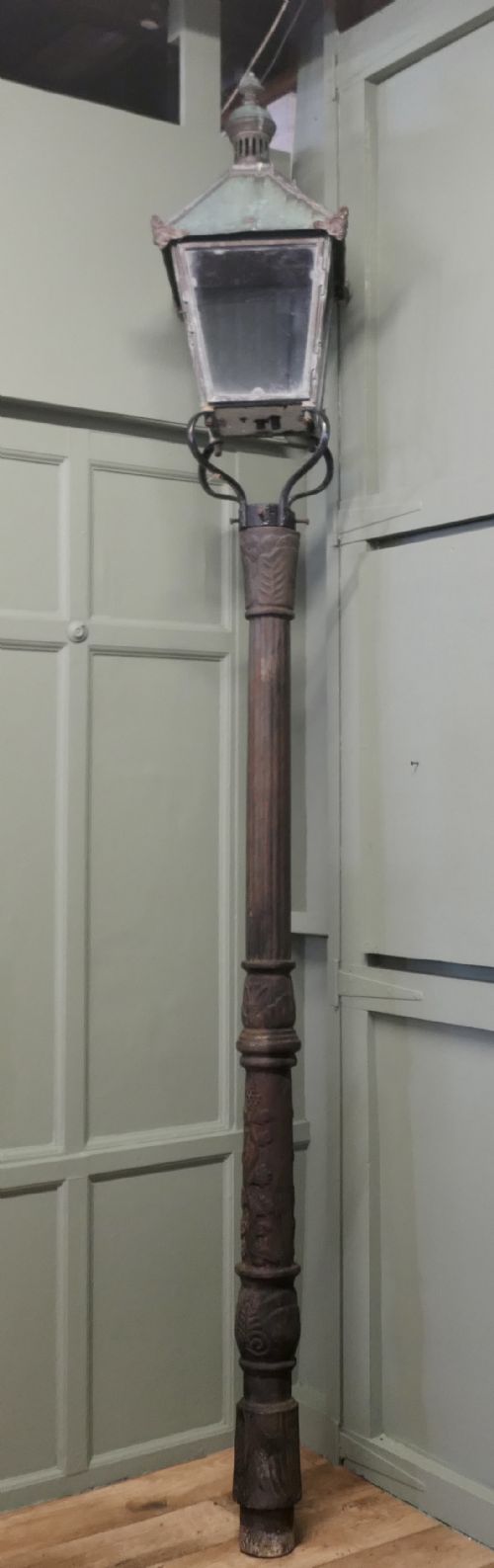
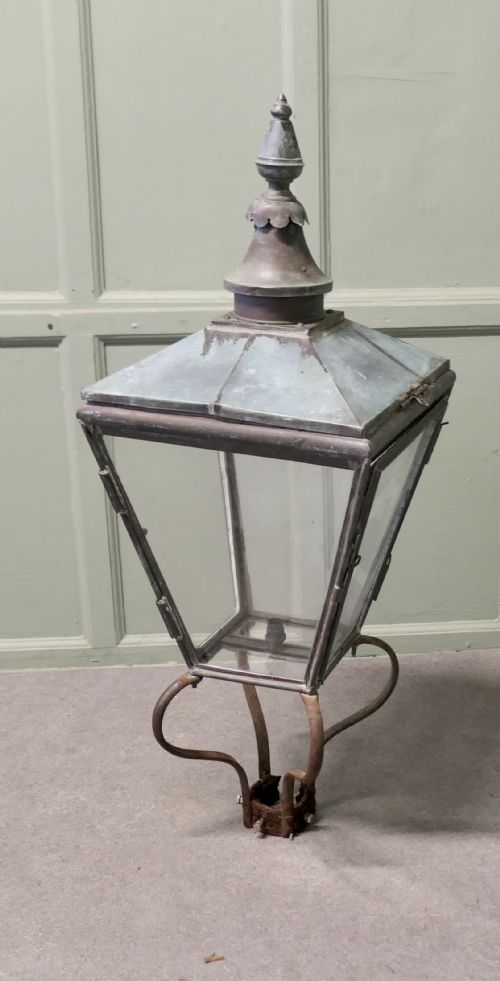
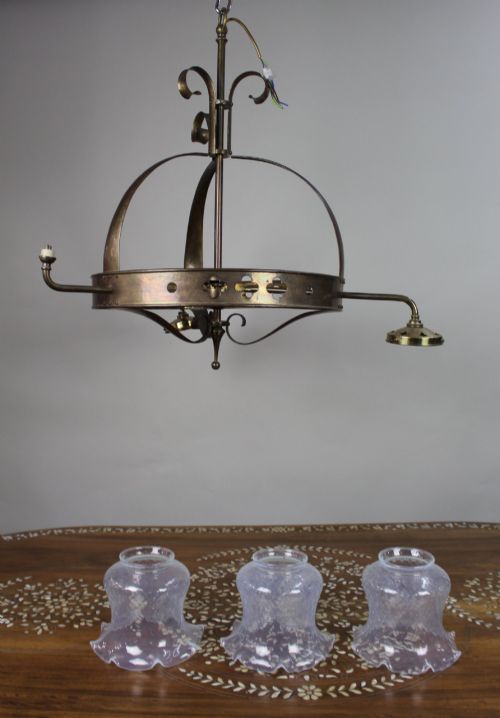
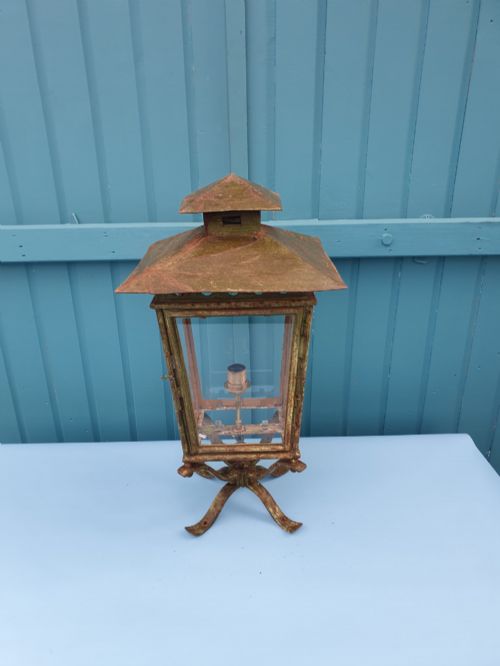
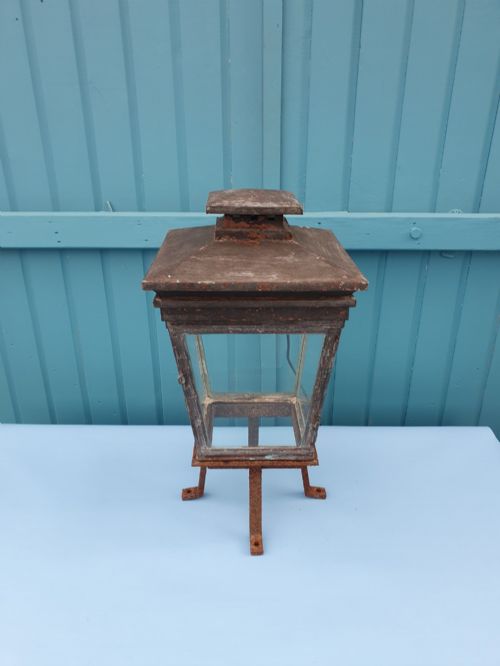
Domestic interiors often utilise intricate brass wall lights and multi-armed gasoliers featuring etched, cut, or opalescent glass shades. Outdoor spaces rely on robust copper, iron, and cast iron street lamps and gate post lanterns built to withstand the elements.
The selection ranges from grand French gilt bronze chandeliers to heavy brass brackets adorned with figural motifs such as mermaids, cherubs, and dragons. Many surviving examples have been adapted for modern electrical wiring while retaining their original form.
Materials and construction
Makers constructed these fixtures using durable metals such as brass, copper, cast iron, wrought iron, and bronze, frequently combining them with blown, pressed, or opalescent glass. Copper and iron served predominantly for exterior street lamps and lanterns, where weather resistance was essential.
Interior gasoliers and wall sconces typically employed cast and spun brass, sometimes finished with gilding or painted surfaces. Decorative components often incorporated moulded glass shades with acid-etched, cut, or rippled patterns to diffuse the gas flame.
Victorian Gas Light Retail Price Guide 2026
Typical asking prices for victorian gas light among the pieces listed under this phrase on Sellingantiques today, from the lower quarter to the upper quarter. They describe what is for sale here now, not the wider market.
Several Victorian wall lights feature winged mermaids, angels, and cherubs holding the gas arms, proving that even municipal utilities required mythical company.
Craftsmanship and detail
Quality in a victorian gas light is evident in the weight of the metal casting, the crispness of chased or moulded details, and the integrity of the original components. Heavier brass fittings and finely articulated figural elements indicate superior workshop production.
The presence of undamaged, period-specific glassware, such as original acid-etched or cranberry glass shades, elevates the character of a piece. Robust joinery in exterior copper and iron street lamps distinguishes standard utilitarian items from more ambitious architectural hardware.
A Foster & Pullen Bradford
The Victorian Gas Light Glossary
- Gasolier
- A gas-burning chandelier suspended from the ceiling, typically featuring multiple arms or branches. These fixtures provided central illumination in large Victorian rooms before the widespread adoption of electricity.
- Opalescent glass
- A milky, translucent glass that diffuses light softly, frequently utilised for shades in nineteenth-century domestic lighting. It adds a gentle warmth to the illumination produced by the burner.
- Sconce
- A wall-mounted lighting bracket designed to hold a burner or candle. Period examples often incorporate decorative backplates cast in brass or bronze.
- Etched glass
- Glass decorated by applying acid to eat away the surface design, creating frosted patterns against clear areas. This technique was widely applied to Victorian lamp shades to soften glare.
- Candelabra
- A branched candlestick or light fitting designed to hold multiple light sources. In nineteenth-century contexts, these were sometimes constructed from cast iron or brass for domestic and public spaces.
Victorian Gas Light: Frequently Asked Questions
How do I install a converted gas light?
Most surviving fixtures have been adapted to house standard electrical wiring for modern use. A qualified electrician should handle the installation to ensure the piece is safely secured to the ceiling or wall.
Because original weight distribution and mounting points vary, professional fitting protects both the historic hardware and your interior structure.
Were all these lights used indoors?
No, the selection includes both domestic interior fittings and robust exterior street lamps. Indoor pieces favor polished brass and delicate glass shades, while outdoor variants utilise heavy copper, iron, and steel.
Gate post lanterns and street lamps were engineered to endure weather exposure, featuring sealed construction and durable metal frames.
How do I identify the period of a gas light?
Dating relies on stylistic markers, material combinations, and manufacturing techniques characteristic of the nineteenth century. Gothic Revival, Victorian industrial, and French designs each display distinct ornament and assembly methods.
Patina on the copper, brass, or iron also provides clues to age, alongside the specific type of glass shade paired with the metal body.
What is the difference between a gasolier and a sconce?
A gasolier is a hanging chandelier designed for ceiling suspension, providing central illumination for a room. A sconce is a bracket fixture attached directly to a wall.
Both utilised gas piping routed through their structures to supply the burners, a design that distinguishes them from standard electrical or candle fixtures.