

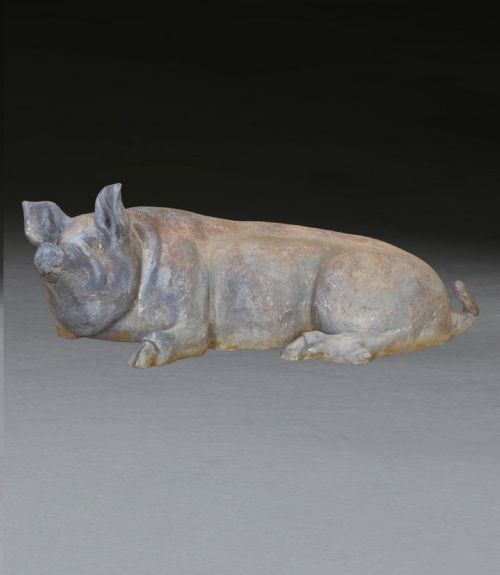


Victorian Garden Sculpture
Victorian garden sculpture brings character to lawns and terraces through figures, animals, and architectural ornaments cast or carved in durable materials.
Victorian Garden Sculpture
Victorian garden sculpture encompasses a diverse range of ornamental pieces designed to populate outdoor spaces, from classical figures to animal statues and functional items like boot scrapers and hitching posts. Buyers seeking this phrase typically encounter robustly cast metal animals, terracotta lions, and carved stone or marble mythological subjects.
The objects span periods from the nineteenth century into the early twentieth century, showing influences from neoclassical revival to English country and folk art traditions. Common forms include garden statues, busts, weathervanes, and bird scarers originating from English, German, and French workshops.
Materials and techniques
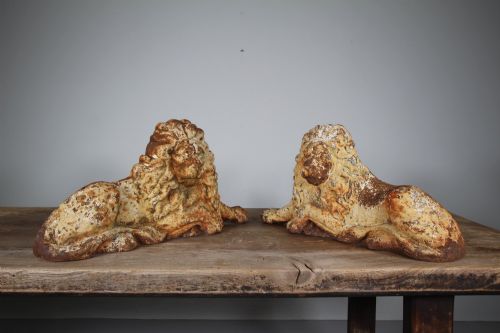
Pieces were produced using heavy outdoor materials capable of withstanding the elements, predominantly cast iron, terracotta, lead, and various stones including marble. Iron figures were cast from moulds, whilst terracotta items were moulded from clay and fired, sometimes salt glazed or painted.
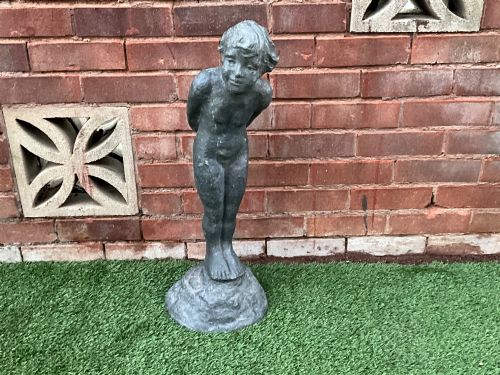
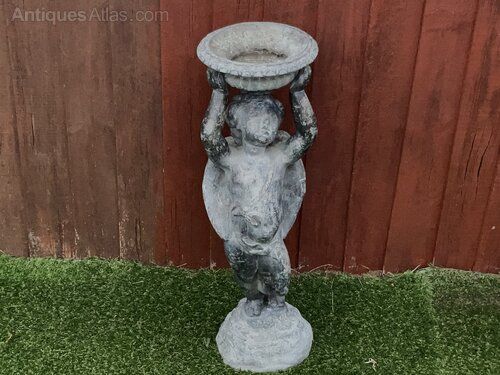
Sculptors and founders also utilised copper for sheet metal work like weathervanes and carved solid marble or plaster for finer busts and classical maidens. Lead pieces allowed for detailed casting of figures such as satyrs and monkeys, often acquiring a desirable weathered patina over time.
Victorian Garden Sculpture Retail Price Guide 2026
Typical asking prices for victorian garden sculpture among the pieces listed under this phrase on Sellingantiques today, from the lower quarter to the upper quarter. They describe what is for sale here now, not the wider market.
Listings feature nineteenth-century garden sculptures in cast iron, terracotta, lead, copper, and marble, representing animal figures, classical statues, and architectural ornaments.
Markers of quality
Quality in these sculptures rests upon the crispness of the casting or carving, where finer examples retain sharp facial expressions, clean anatomical details, and well-defined drapery rather than blurred outlines. The scale and ambition of the piece also matter, with lifesize pairs of terracotta lions or substantial marble busts representing the more substantial end of production.
The integrity of the material over decades of exposure determines the longevity and aesthetic appeal of a sculpture. Original surfaces, whether weathered lead, aged cast iron, or historic paint layers, hold greater visual appeal than poorly executed modern repairs or unsympathetic overpainting.
Hurlford Kilmarnock·Henri Jaquesmart·Greuze
The Victorian Garden Sculpture Glossary
- Cast iron
- An iron-carbon alloy poured into moulds to create rigid, heavy decorative objects. It was widely used for durable statues, hitching posts, and boot scrapers.
- Terracotta
- Fired clay moulded into ornamental forms such as large garden lions and architectural busts. It ranges in colour from buff to reddish tones.
- Lead
- A malleable, heavy metal easily cast into complex figural shapes like satyrs and monkeys. It weathers to a characteristic soft grey patina.
- Neoclassical
- A revival style drawing inspiration from classical Greek and Roman art. It appears frequently in statues of maidens, figures of Venus, and classical busts.
- Boot scraper
- A small metal implement placed near doorways for cleaning mud from footwear. They often take sculptural forms such as pairs of cast iron animals.
- Weathervane
- A pivoting meteorological instrument mounted on roofs or poles. Copper examples from the nineteenth century often feature folk art animal designs.
Victorian Garden Sculpture: Frequently Asked Questions
What materials were used for Victorian garden sculptures?
Foundries and studios utilised a variety of weather-resistant materials depending on the intended form and budget of the patron. Cast iron, terracotta, lead, copper, and carved stone or marble were the primary mediums.
Heavier items like lions and architectural ornaments relied on durable terracotta or iron, whilst detailed figures and weathervanes utilised lead and copper.
Where were these sculptures originally placed?
These decorative works stood throughout nineteenth-century landscapes, adorning formal terraces, lawn edges, entranceways, and kitchen gardens. Larger animal figures flanked gateways or driveways, whilst smaller pieces decorated garden walls.
Functional items like hitching posts and boot scrapers stood near stable blocks and main entrances for daily use.
How do I care for antique garden lead and iron?
Cast iron and lead require minimal intervention beyond regular gentle cleaning to remove debris and organic growth. Allowing the natural patina to develop protects the underlying metal from further weathering.
Avoid aggressive chemical treatments or abrasive scrubbing that might strip historic surface finishes or protective oxides.
Can marble sculptures stay outside year-round?
Solid marble and delicate stone pieces are vulnerable to frost damage if moisture penetrates the porous material during freezing temperatures. Many collectors choose to move marble busts and finer statues indoors or into sheltered glasshouses during winter.
Robust cast iron and terracotta generally endure outdoor conditions better, provided they sit on raised bases to prevent water logging.