







Victorian Gaming Counters
Victorian gaming counters bring the social matches of the nineteenth-century parlour into modern rooms through tactile materials and precise scoring tokens.
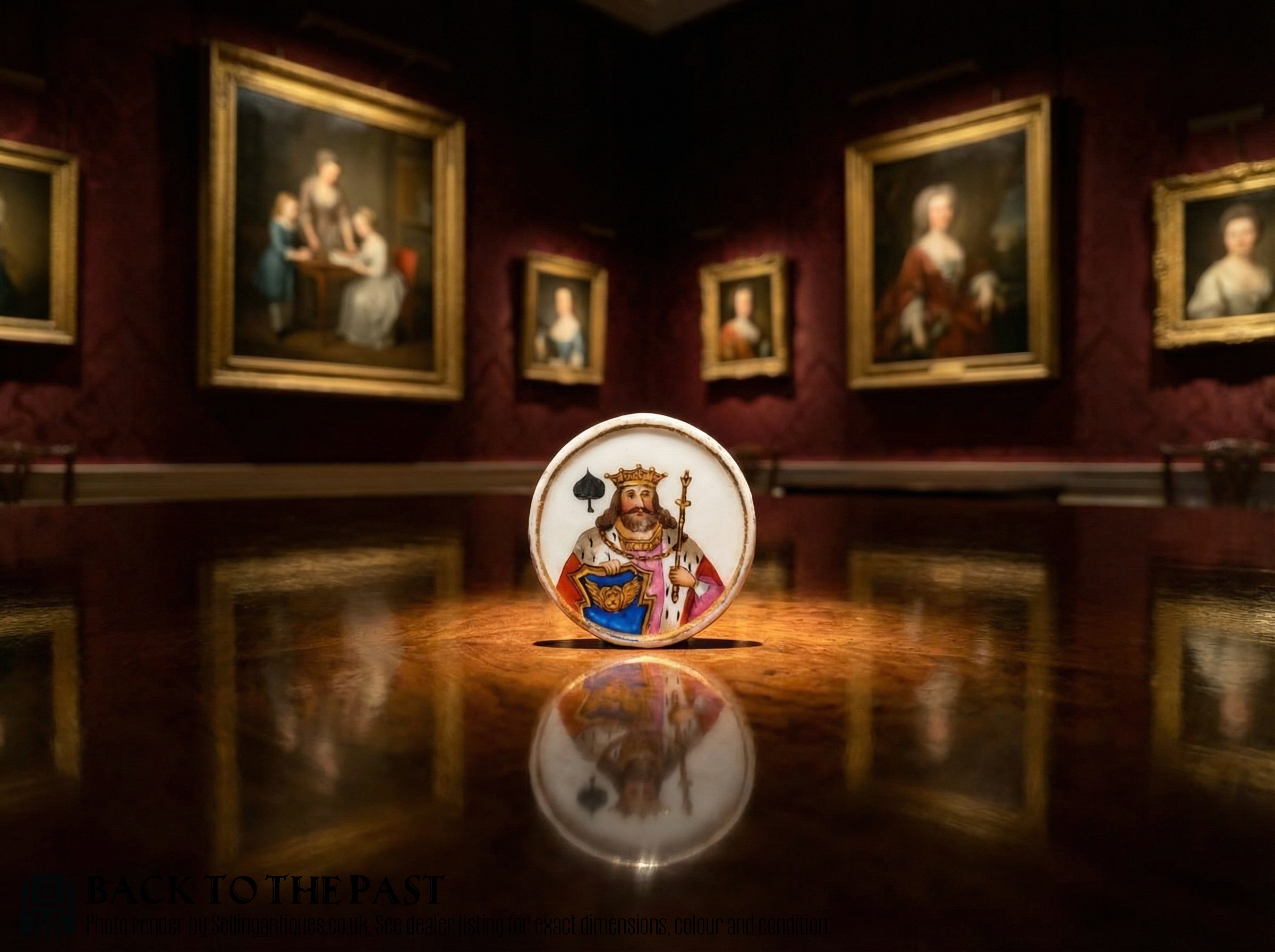
Victorian Gaming Counters
Victorian gaming counters encompass the tokens, boxes, and scoreboards used in nineteenth-century parlour pastimes and billiard rooms. These items emerge from periods spanning the 1860s, 1870s, 1890s, and around 1900, reflecting the structured leisure of the era.
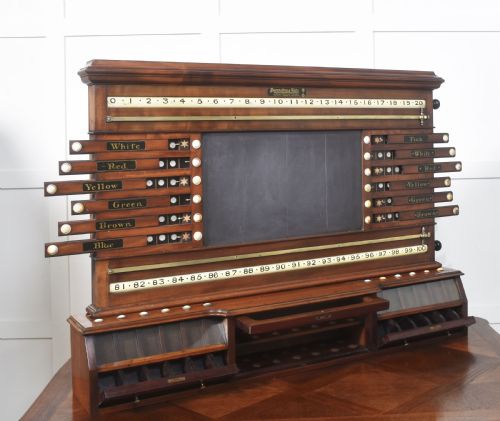
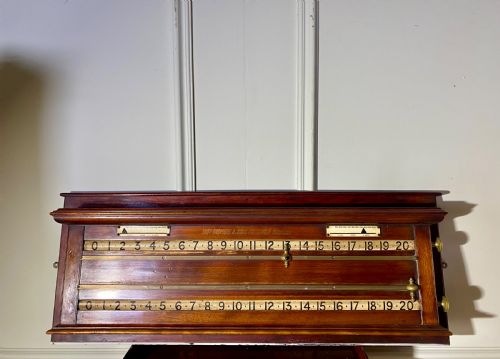
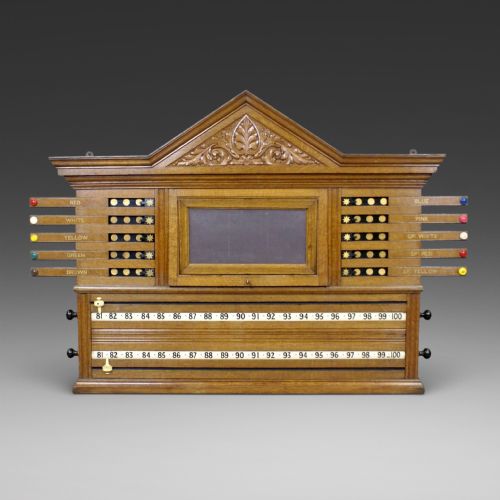
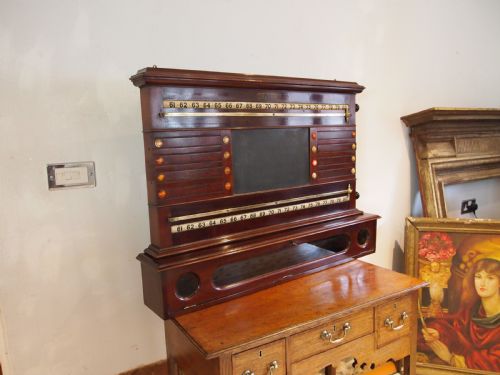
Buyers meet objects ranging from small porcelain and ceramic tokens kept in original leather boxes to substantial mahogany and oak scoreboards designed for billiard and snooker rooms. Cribbage boards fashioned from horn, stag horn, and mahogany appear frequently alongside carved Black Forest game box sets.
The selection bridges intimate card games and larger room accessories like games boards and backgammon sets. Each piece serves as a tangible link to Victorian country pursuits and domestic entertainment.
Materials and construction
Maker construction relies heavily on native and imported timbers, with mahogany, walnut, oak, and general wood providing the structural foundation for scoreboards and decorative boxes. These wooden pieces often feature careful turning, joinery, and carved elements seen in Black Forest sets.
Tokens and smaller accessories utilise ceramic, porcelain, glass, brass, paper, slate, and bone, alongside organic materials like stag horn and horn. These varied substances are shaped into tactile counters and fitted into bespoke brass or leather housings.
Stag horn and plain horn make unexpected appearances as tactile surfaces for keeping score during quiet fireside cribbage matches.
Distinctions in quality
Quality rests in the fidelity of the materials and the precision of the mechanics, visible in smooth-sliding indicators on scoreboards and the crisp execution of carved wooden details. Finer items retain original fitted leather boxes and complete sets of ceramic or bone tokens without replacement parts.
The selection of superior timbers like figured walnut or dense mahogany, paired with documented maker involvement from firms such as Orme and Sons or Cox and Yeman, elevates an object. Lesser examples show simplified joinery, plain secondary woods, and a lack of original packaging or matching counters.
Orme and Sons Manchester·Cox and Yeman London
The Victorian Gaming Counters Glossary
- Cribbage board
- A scoring board with tracks of holes used to record points in the card game cribbage. These boards are frequently fashioned from wood, bone, or horn.
- Scoreboard
- A large wall-mounted or freestanding wooden apparatus featuring sliding markers or dials for tallying points during cue sports. Examples are often constructed from oak, walnut, or mahogany.
- Black Forest style
- A decorative wood-carving tradition originating in the mountainous region of Central Europe, characterised by naturalistic representations of flora and fauna. These pieces often take the form of detailed game box sets.
- Whist counters
- Small markers used to keep score during the popular nineteenth-century card game whist. They are commonly found in ceramic or porcelain housed within protective cases.
Victorian Gaming Counters: Frequently Asked Questions
What games were played with these?
Nineteenth-century households engaged in a variety of pastimes, using these accessories primarily for card games like cribbage and whist, as well as board games such as backgammon and squails.
Larger spaces accommodated cue sports like snooker and billiards, requiring wall-mounted tallies to track points across matches.
Are original boxes important?
Original leather or wooden boxes significantly enhance the historical context of ceramic tokens and smaller gaming accessories. They demonstrate how delicate items were preserved and stored together as complete sets.
Finding counters with their fitted housing confirms the integrity of the ensemble.
How should I display them?
Scoreboards function well mounted on walls in studies or games rooms where their timber grain and brass markers can be appreciated. Smaller boxes and cribbage boards suit tabletops, sideboards, or open shelving.
Keeping them away from direct heat sources protects the vulnerable horn, bone, and polished wood surfaces.