




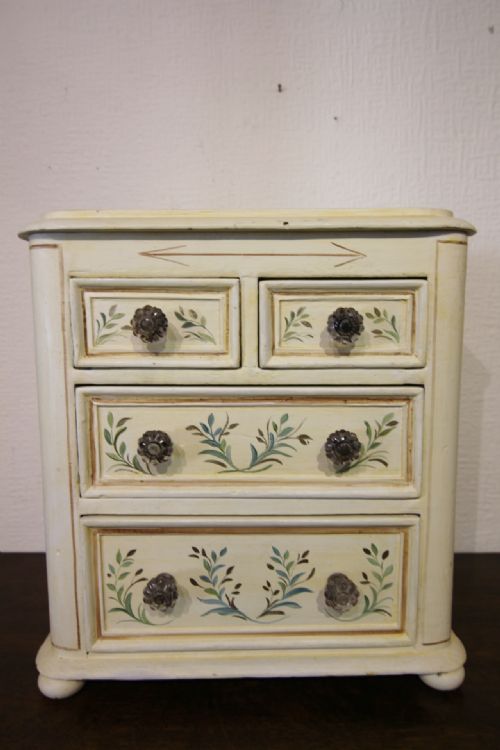
Victorian Furniture Piece
A victorian furniture piece brings domestic craftsmanship into smaller spaces, offering a tangible link to nineteenth-century design.
Victorian Furniture Piece
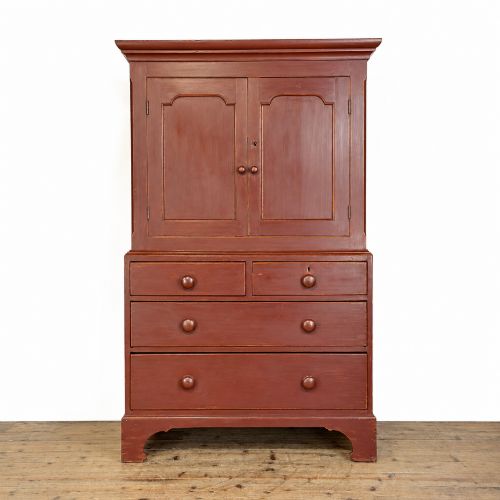
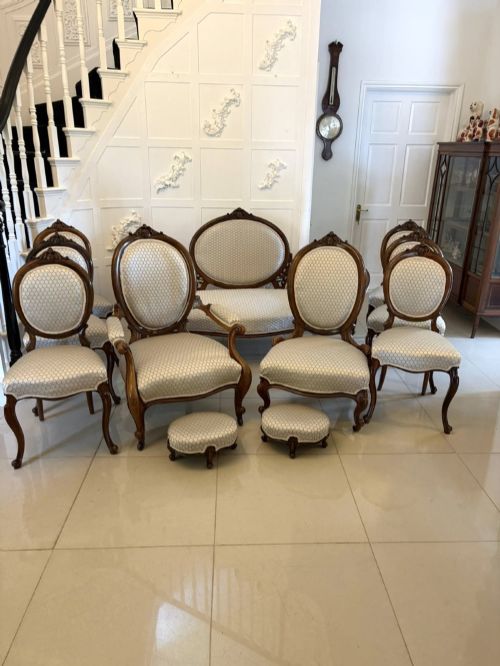
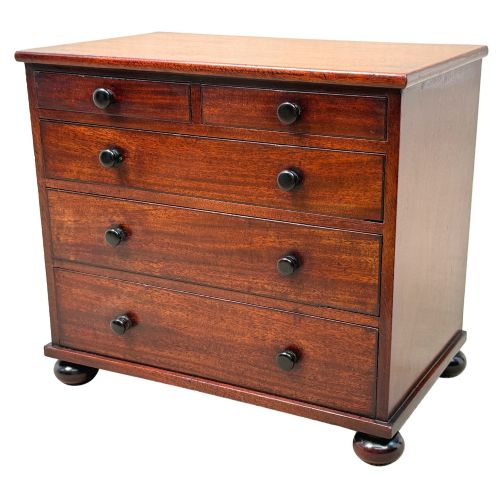
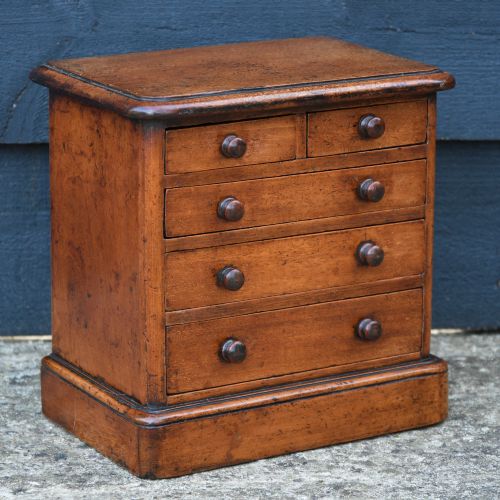
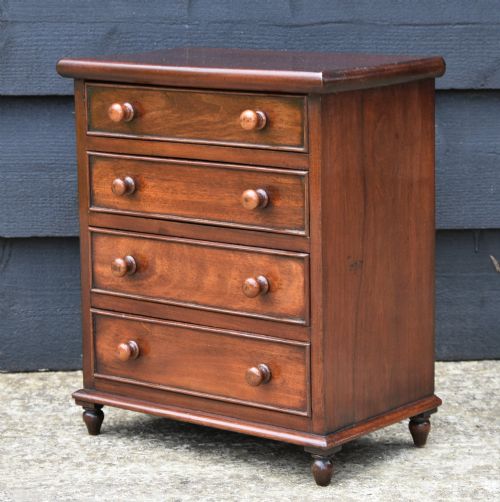
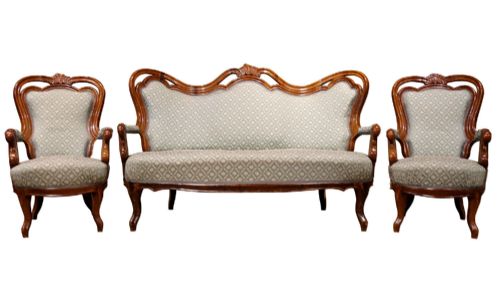
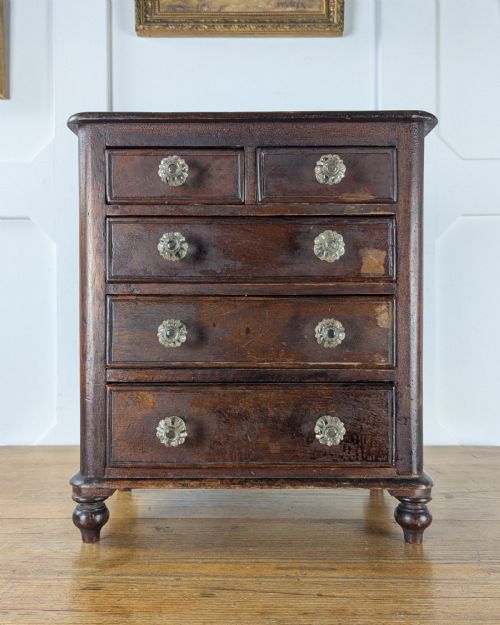
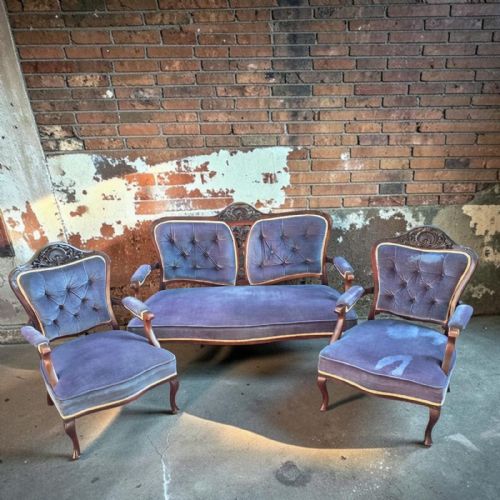
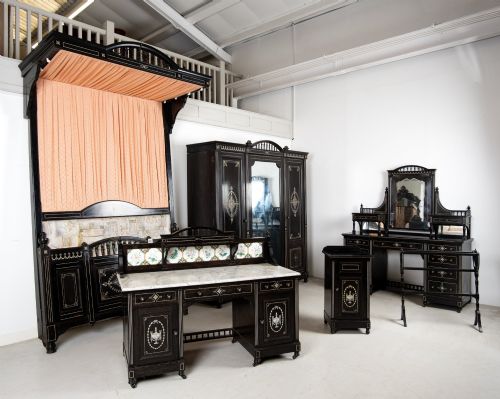
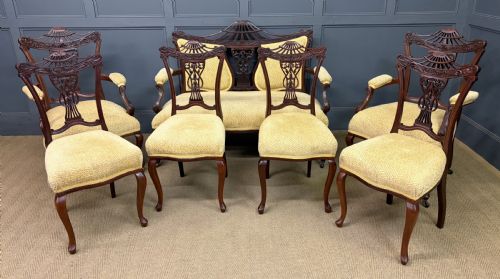
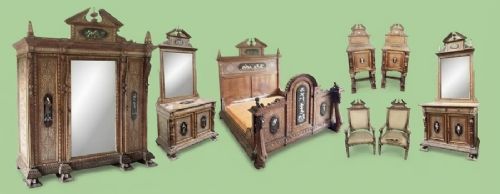
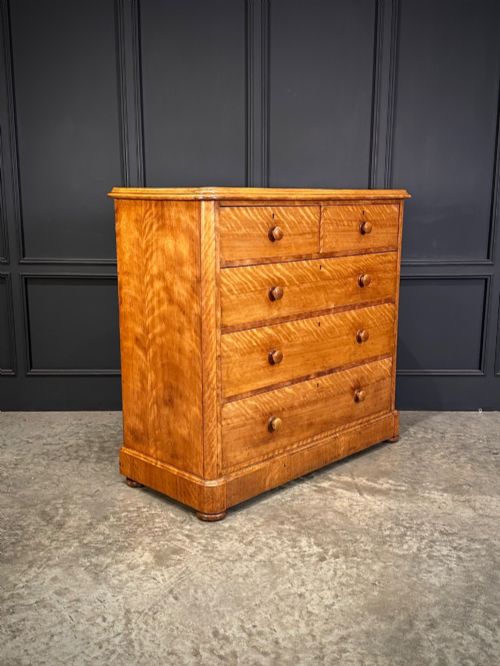
Every victorian furniture piece reflects the diverse domestic requirements of the nineteenth century, ranging from substantial bedroom suites to diminutive cabinetmaker samples. Buyers encounter large-scale wardrobes, bookcases, and multi-piece salon suites alongside miniature chests of drawers and apprentice pieces.
The selection encompasses distinct regional expressions, including Scottish apprentice chests and continental salon suites. Cabinetmakers utilised mahogany, walnut, oak, and pine to construct both grand parlour suites and modest tabletop pieces.
Miniature forms and salesman samples feature prominently alongside domestic seating and storage. These varied objects demonstrate the breadth of nineteenth-century joinery and upholstery traditions.
Materials and construction
Cabinetmakers relied on dense hardwoods such as mahogany, walnut, and oak for structural integrity and refined surface finishes. Pine and painted woods served utility purposes in cupboards, dressers, and housekeeper units.
Brass fittings, leather insets, and carved walnut details provided decorative accents across seating and case pieces. Joinery techniques encompassed dovetailing in miniature drawers and intricate hand-carving on revival parlour frames.
Victorian Furniture Piece Retail Price Guide 2026
Typical asking prices for victorian furniture piece among the pieces listed under this phrase on Sellingantiques today, from the lower quarter to the upper quarter. They describe what is for sale here now, not the wider market.
Miniature chests occasionally hid secret drawers designed to outwit curious houseguests.
Markers of quality
Superior examples demonstrate meticulous timber selection, precise joinery, and restrained decorative carving. Lower-tier items rely on simpler construction methods and plainer secondary woods.
The sophistication of internal components, such as secret drawers in miniature chests or matched veneers across multi-piece suites, distinguishes high-grade workshop production from standard utility items.
Waring & Gillows
The Victorian Furniture Piece Glossary
- Apprentice piece
- A miniature furniture item created by a trainee cabinetmaker to demonstrate technical proficiency before joining a trade guild. These pieces mirror full-scale furniture in construction and detail.
- Salon suite
- A matched set of seating and occasional furniture designed for formal reception rooms. They typically comprise a settee, armchairs, and side chairs executed in a unified style.
- Dentil cornice
- A decorative moulding featuring a series of small, rectangular blocks projecting like teeth beneath the upper edge of a bookcase or wardrobe.
- Mule chest
- A storage chest featuring one or more drawers beneath the main lifting lid compartment. They combine the storage traits of a traditional chest with those of a drawer-base cabinet.
- French polished
- A wood finishing technique that applies numerous shellac coats using a rubbing pad to achieve a high-gloss surface. This method enhances the natural grain patterns of mahogany and walnut.
Victorian Furniture Piece: Frequently Asked Questions
What is an apprentice piece?
An apprentice piece is a small-scale model built by a trainee to prove cabinetmaking skills. These items replicate full-sized wardrobes, desks, and chests with exact proportions.
Craftsmen preserved these models as working references or presentation pieces. They display the same dovetailing and timber selection found in larger domestic furniture.
How were multi-piece salon suites used?
Multi-piece salon suites furnished nineteenth-century formal reception and drawing rooms. A set typically included a settee, armchairs, and side chairs upholstered to match.
Families utilised these coordinated groupings to receive guests and host social gatherings. The uniform walnut or mahogany framing projected household status.
Where were miniature chests placed?
Miniature chests functioned as tabletop storage for jewellery, documents, or personal items. Their compact proportions suited domestic dressing rooms and studies.
Owners often positioned them on larger sideboards or desks. They provided secure compartmentalised storage without occupying floor space.
How do I identify a Victorian piece?
Victorian furniture is identified through period construction methods, timber choices, and stylistic influences such as Rococo Revival or Arts and Crafts. Cabinetmakers favoured solid mahogany, walnut, and oak.
Examination of interior drawer linings and secondary woods helps confirm nineteenth-century origins. Specific decorative elements like dentil cornices or hand-carved walnut frames further indicate the era.