



Victorian Fruit Stand
A victorian fruit stand serves as the focal point of a dining table, holding fruit in raised vessels of glass, ceramic, or metal.
Victorian Fruit Stand
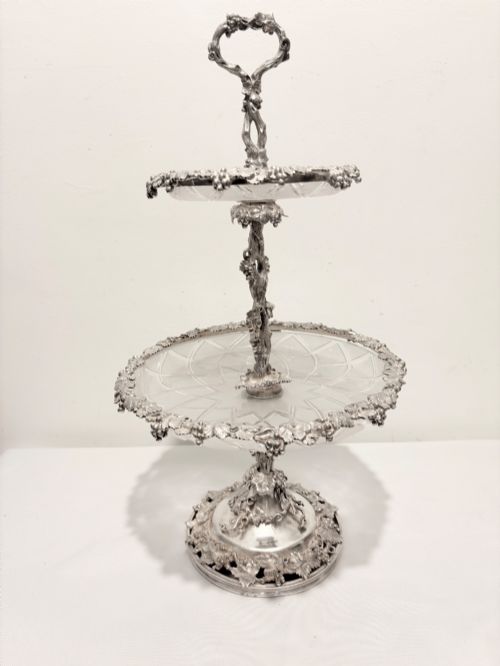
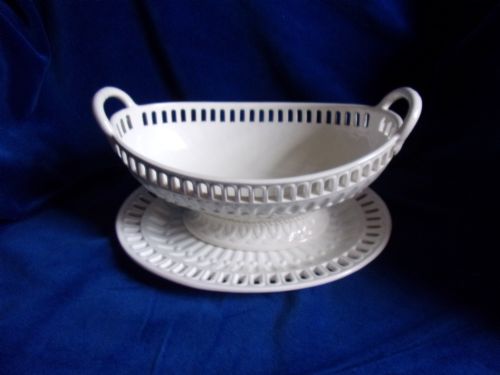
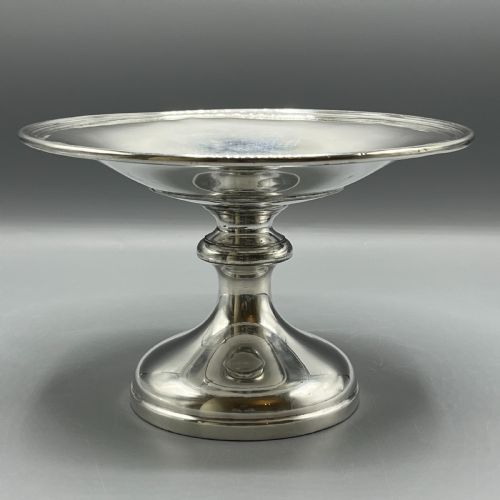
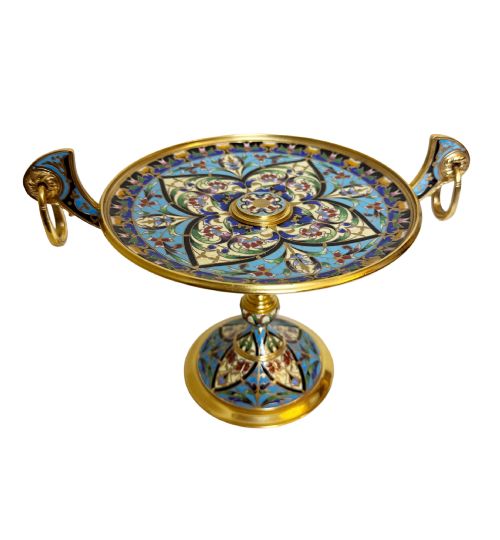
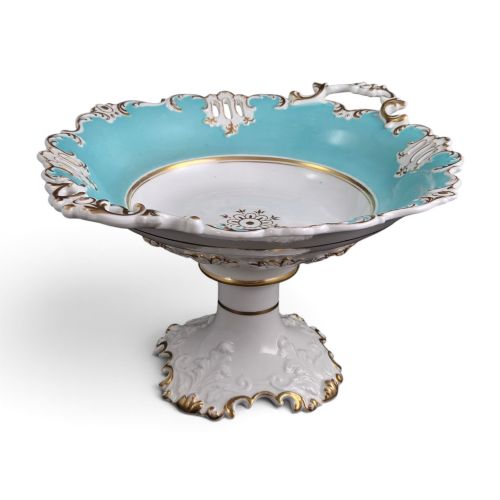
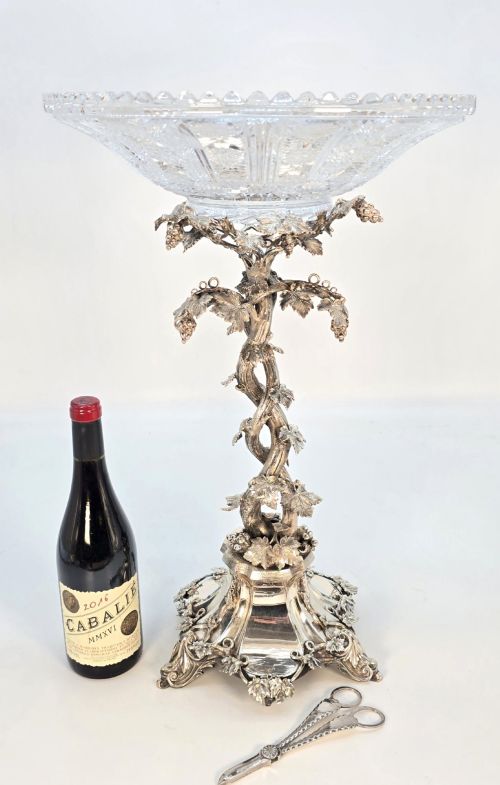
A victorian fruit stand takes the form of a tazza, comport, centrepiece, or decorative basket designed for display upon a table. These pieces emerge across the nineteenth century in various configurations to elevate seasonal offerings for diners.
Ceramic examples appear in earthenware, ironstone, and bone china, often decorated with floral or natural motifs. Glass versions utilise cut crystal, opaline, or etched glass paired with metal stands.
Metal compositions rely on silver plate, gilt bronze, and ormolu, sometimes incorporating figures such as cherubs or cupids. Forms range from single-tier dishes to elaborate épergnes and matching pairs.
Materials and Techniques
Ceramic comports and centrepieces utilise moulded earthenware, bone china, or ironstone, frequently finished with majolica glazes or colourful enamel transfers. Metal pieces combine cast bronze, brass, or silver plate with hand-etched glass inserts.
Glass vessels involve blowing and cutting lead crystal or coloured glass, which workers then engrave or etch with botanical patterns. Gilt bronze and ormolu mounts receive chased surface details before assembly with the central dish.
Victorian Fruit Stand Retail Price Guide 2026
Typical asking prices for victorian fruit stand among the pieces listed under this phrase on Sellingantiques today, from the lower quarter to the upper quarter. They describe what is for sale here now, not the wider market.
Materials represented include silver plate, majolica, cut crystal, ironstone, and gilt bronze.
Assessing Quality
Quality reveals itself in the crispness of the casting on bronze or silver-plated mounts and the depth of hand-cutting on crystal bowls. Elaborate figural supports, such as sculpted putti or naturalistic vine leaves, demand high skill in modelling.
The weight of the silver plate over its base metal and the precision of the ceramic glazing or enamel work distinguish finer pieces. Maker marks from established silversmiths or porcelain factories also separate standard production from superior work.
Coalport·Hukin & Heath·Walker & Hall·Robert Hennell·Minton·James Deakin·James Dixon
The Victorian Fruit Stand Glossary
- Tazza
- A shallow bowl or dish raised on a high foot, frequently utilised for serving fruit or sweets.
- Comport
- An ornamental dish or bowl mounted on a pedestal for table service.
- Epergne
- A large table centrepiece with multiple branching dishes or baskets for fruit and sweetmeats.
- Majolica
- A type of earthenware coated with an opaque tin glaze and painted with bright lead glazes.
- Ormolu
- Gilded bronze used for decorative mounts and sculptural figures on nineteenth-century tableware.
Victorian Fruit Stand: Frequently Asked Questions
What is a victorian fruit stand used for?
These pieces served as formal table decorations intended to hold and present fresh fruit during dessert courses. Hosts placed them centrally on dining tables to display produce alongside other serving vessels.
Over time, their decorative presence often surpassed their utility, becoming permanent ornaments on sideboards and buffets. Today they function similarly as display pieces or decorative table centrepieces.
How do you clean silver plated stands?
Silver plate requires gentle cleaning with a soft cloth and specialised silver cream to preserve the metallic coating underneath. Harsh abrasives will wear away the thin silver layer over the base metal.
Glass or ceramic bowls separate from metal bases on many designs, allowing for safe washing in warm soapy water. Thorough drying prevents water spots on crystal and tarnishing on metal components.
How do I identify a nineteenth-century piece?
Nineteenth-century examples often carry manufacturer stamps, registry lozenges, or silversmith hallmarks stamped directly into the metal or glazed onto the ceramic base. Stylistic clues such as Rococo Revival curves or Victorian Naturalism leaf motifs also point to this era.
Construction methods help confirm age, including hand-cut crystal facets, heavy cast bronze mounts, and traditional earthenware bodies. Comparing marks and materials against known factory production dates narrows down the origin.
Can these stands hold heavy fruit?
Sturdy ironstone, thick cut crystal, and heavy silver plate handle substantial items like apples and pears without risk. Lighter glass and delicate porcelain serve better with softer fruits or decorative displays.
Weight distribution matters when loading a pedestal dish, particularly multi-tiered épergnes with branching arms. Placing heavier produce centrally keeps the stand balanced and secure.