


Victorian Frosted Glass
Victorian frosted glass brings together the soft, diffused illumination and tactile surfaces of nineteenth-century lighting, tableware, and interior fixtures.
Victorian Frosted Glass
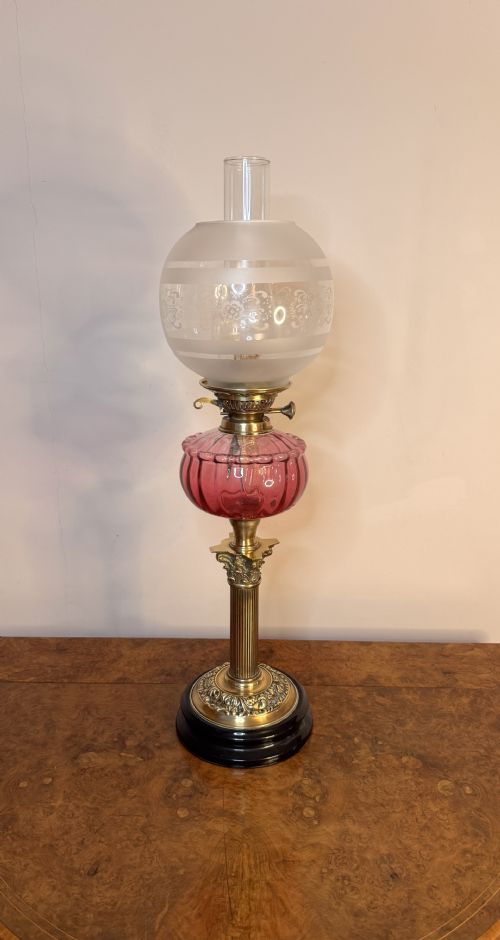
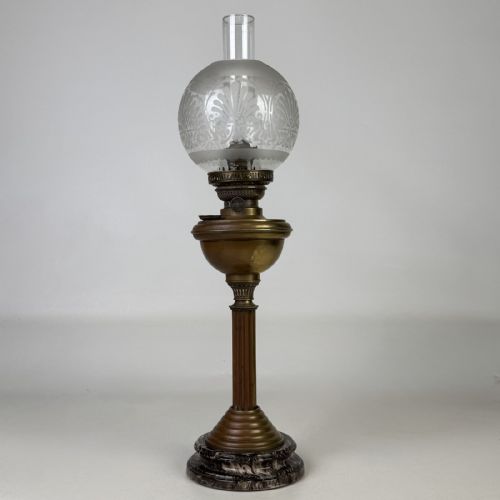
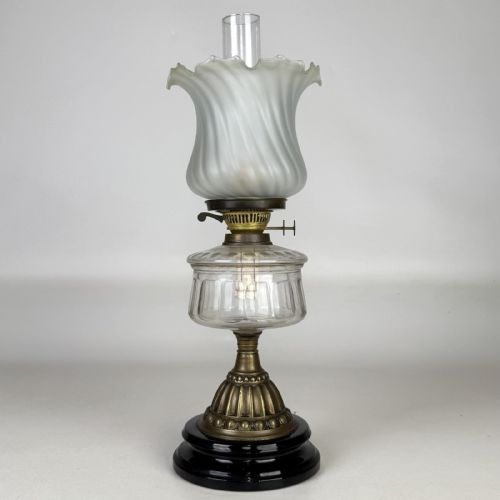
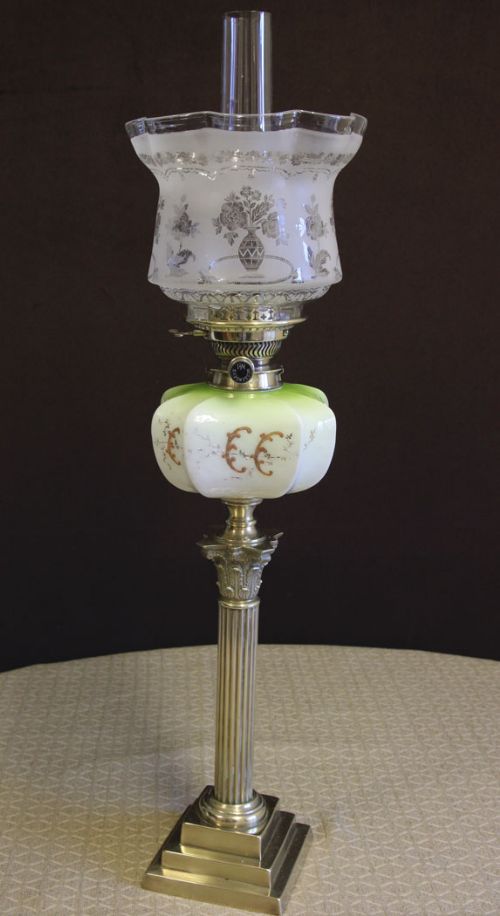
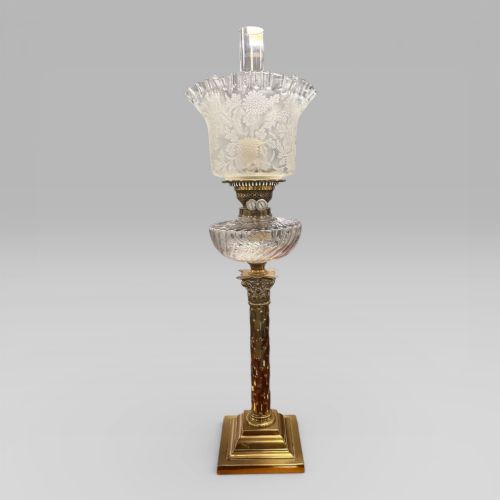
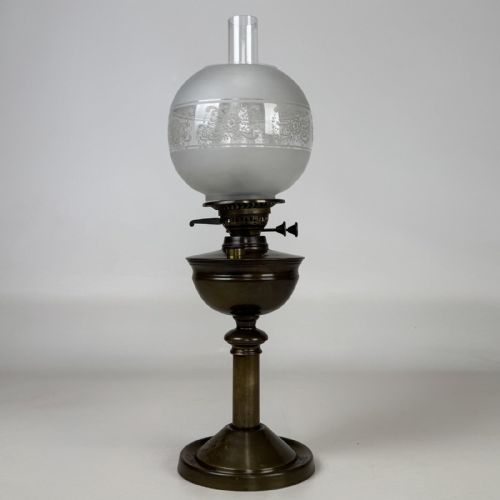
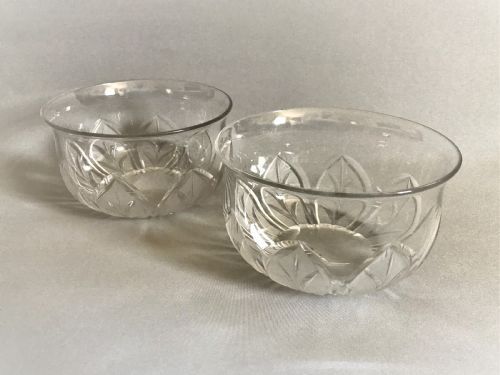
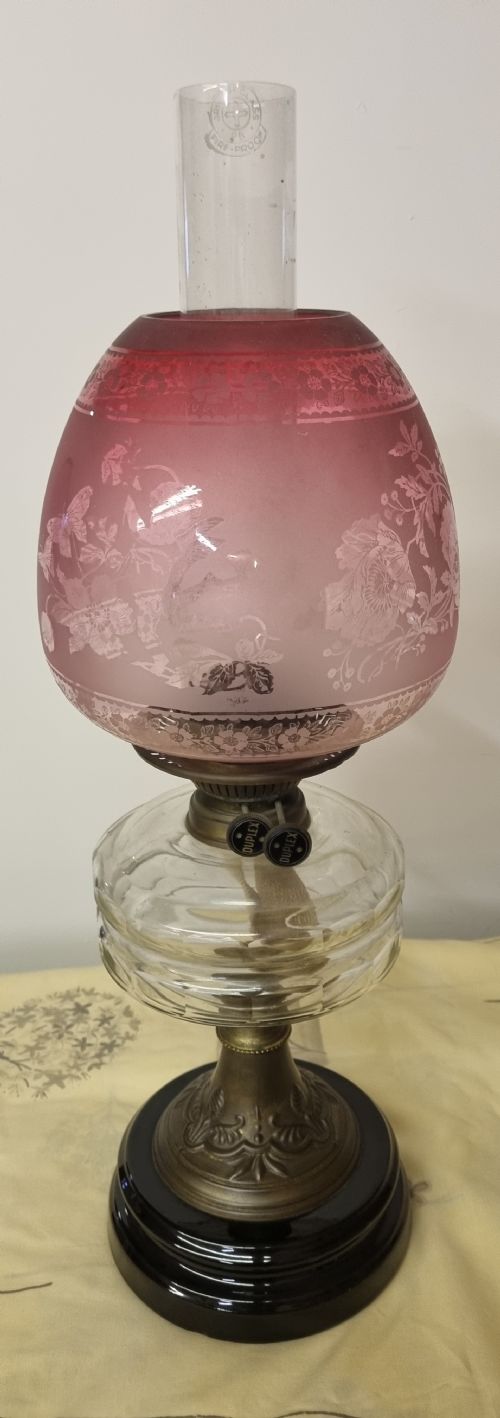
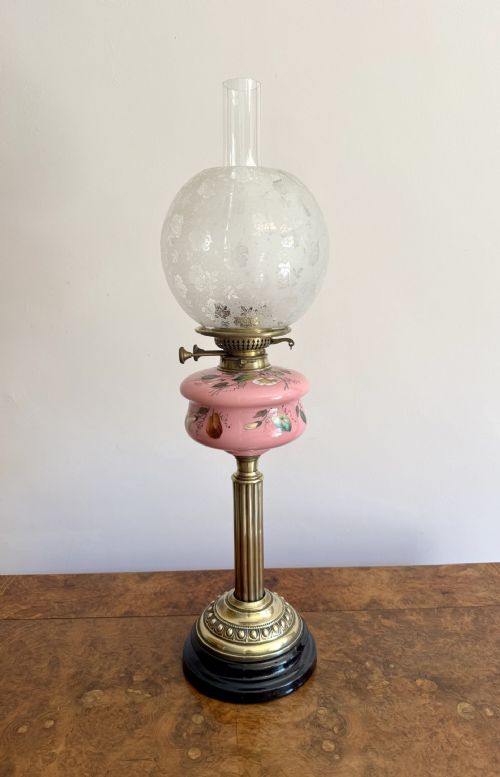
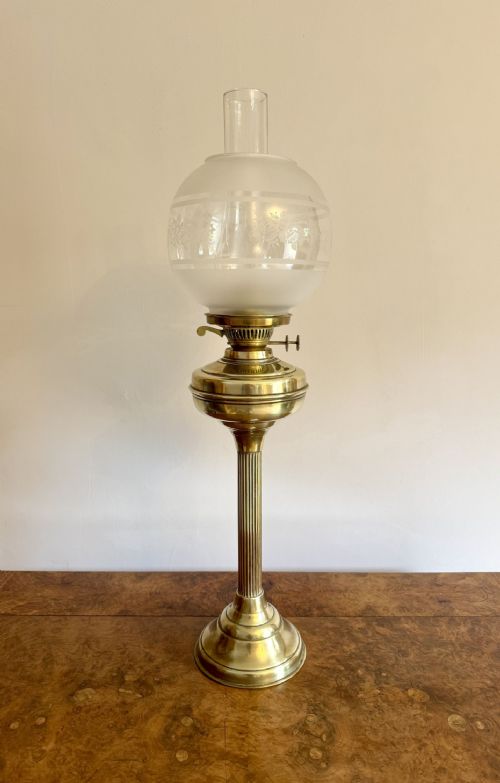
Victorian frosted glass encompasses a diverse array of utilitarian and decorative objects, ranging from domestic lighting fixtures and oil lamp shades to table centerpieces, finger bowls, and scent bottles. These pieces capture the stylistic shifts of the nineteenth century, moving through periods defined by brass mounts, ceramic elements, and heavy crystal forms.
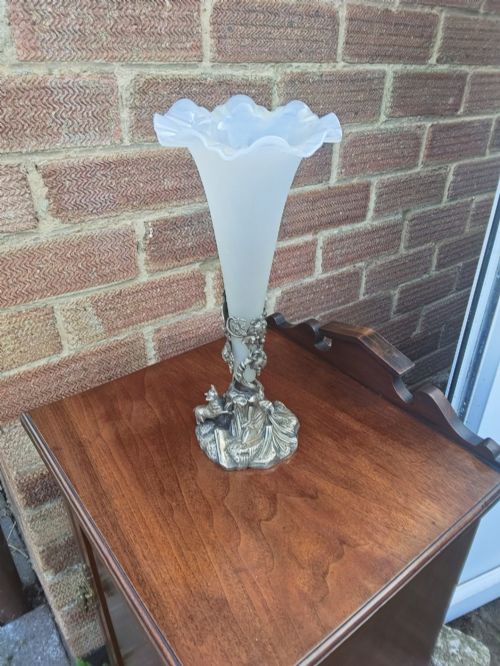
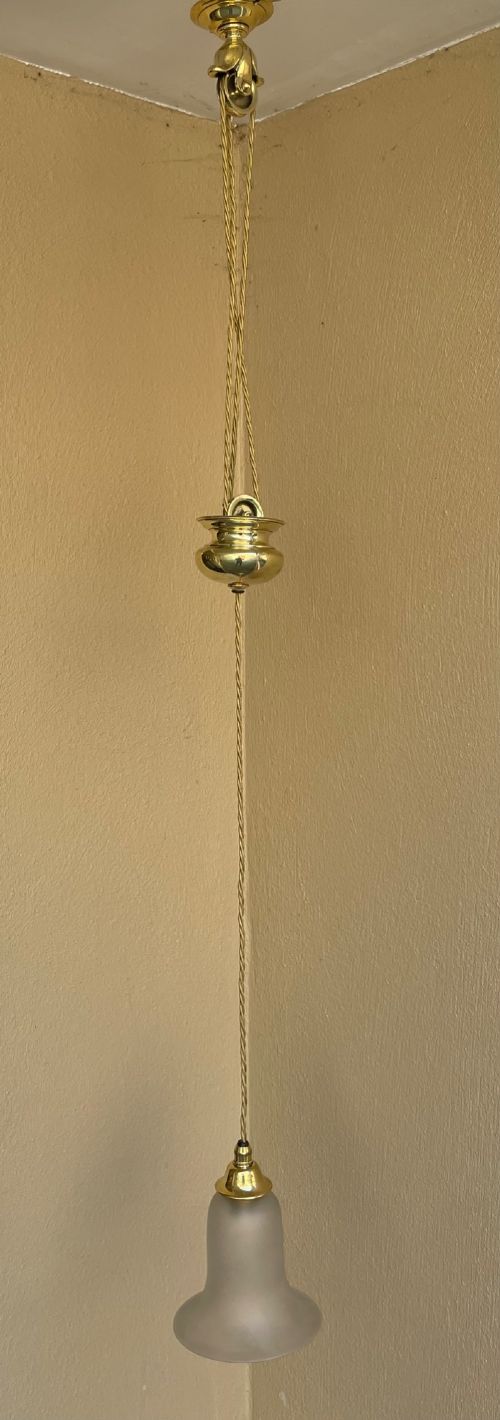
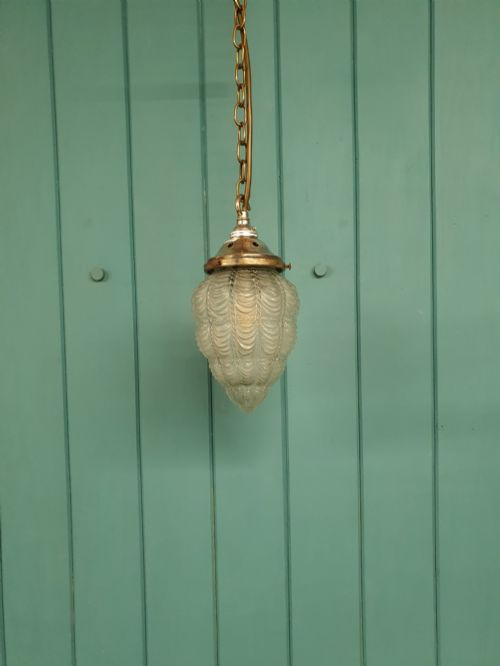
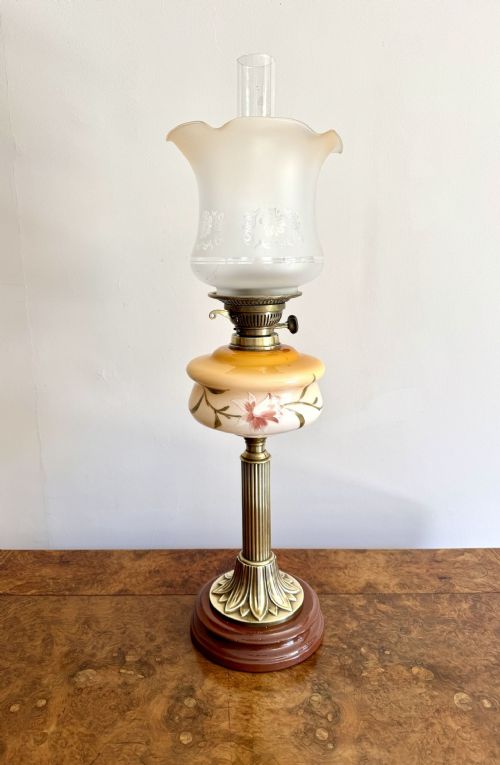
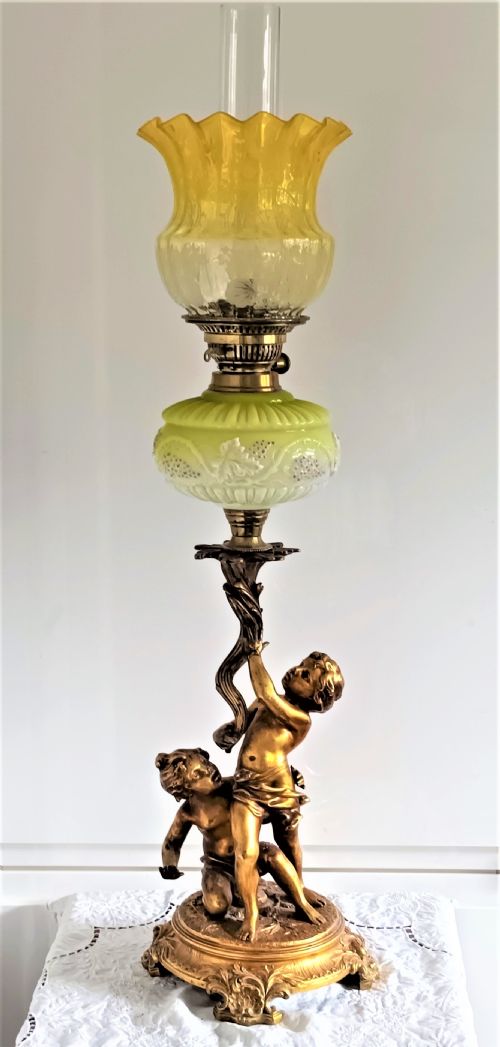
Lighting components dominate the selection, particularly oil lamps, pendant lights, and wall sconces paired with textured glass shades. Alongside these functional items, buyers encounter decorative vessels such as vases, satin glass centerpieces, and ruby-tinted chandelier components that demonstrate the versatility of nineteenth-century glass production.
The aesthetic of these items relies on the interplay between opaque or translucent surfaces and structured metalwork, including brass, white metal, and silver plate. Makers applied frosting techniques to various glass colours, producing white, cranberry, green, and blue objects that fit into domestic interiors from the mid-nineteenth century onward.
Materials and Techniques
Makers utilised glassblowing and moulding methods to form the foundational shapes of bowls, shades, and vases, frequently combining the glass with structural elements of brass, bronze, and iron. Surface texture was achieved through chemical etching, acid cutting, or mechanical abrasion to create the characteristic opaque finish.
Colour was introduced directly into the glass batch through metallic oxides, resulting in rich ruby, cranberry, blue, and green tones, or applied as an enamel layer on satin glass and opaline surfaces. Decorative detailing often involved gilding, cutting, or cameo carving to contrast polished areas against the matte frosted background.
Victorian Frosted Glass Retail Price Guide 2026
Typical asking prices for victorian frosted glass among the pieces listed under this phrase on Sellingantiques today, from the lower quarter to the upper quarter. They describe what is for sale here now, not the wider market.
Listings feature nineteenth-century lighting components, table lustres, and desk accessories in brass, bronze, and coloured glass.
Judging Quality
Quality rests upon the crispness of the glass cutting, the depth and uniformity of the frosted finish, and the weight of the material. Fine pieces display sharp detailing in etched or cameo motifs and balanced proportions between the glass body and any metal mounts.
The integration of secondary materials, such as heavy brass castings, Ormolu, or hand-painted enamel work, distinguishes standard production items from workshop pieces. The clarity of coloured glass layers and the precision of applied gilding indicate the level of craftsmanship involved.
Osler·Emile Picault·Stevens & Williams·Sitzendorf·Richardson
The Victorian Frosted Glass Glossary
- Frosted glass
- Glass treated to impart a matte, translucent surface that diffuses light. This effect is achieved through acid etching, sandblasting, or grinding.
- Satin glass
- Art glass characterised by a velvety, matte texture resembling satin. It was frequently produced with shaded colours during the late nineteenth century.
- Epergne
- A central table ornament featuring a large bowl with multiple branching arms or smaller baskets. They often incorporate coloured, frosted, or cut glass.
- Table lustre
- A decorative glass vase hung with crystal prisms, popular during the nineteenth century. These objects were designed to catch and reflect candlelight or gaslight.
- Acid cut cameo
- A technique where layers of coloured glass are partially eaten away by acid to create raised designs. This method produces intricate contrast between background and motif.
Victorian Frosted Glass: Frequently Asked Questions
How do I clean frosted glass?
Clean frosted glass gently using warm water and a mild detergent with a soft cloth. Avoid abrasive pads or harsh chemicals that can damage the matte texture.
Dry the piece thoroughly with a lint-free cloth to prevent water spots on the etched or textured surface.
Were these glass shades used for oil or gas?
Many nineteenth-century shades accommodated oil burning lamps, while others suited early gas lighting fixtures. The fitter rim size often indicates the type of burner or gallery it required.
Later adaptations sometimes converted these antique shades to electricity during domestic modernization.
How can I date a frosted glass lamp?
Dating relies on examining the construction of the metal collar, burner mechanism, and the mounting style of the base. Victorian examples frequently feature heavy brass fittings and hand-etched botanical or geometric motifs.
Later Edwardian and twentieth-century pieces often incorporate lighter metal alloys and simpler electrical fixings.