
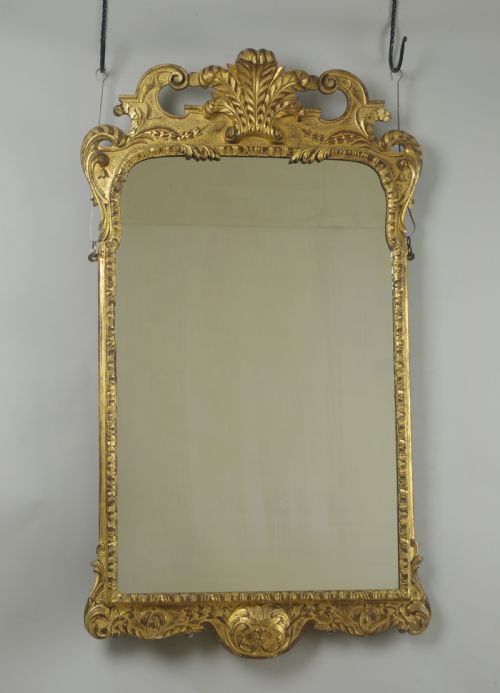
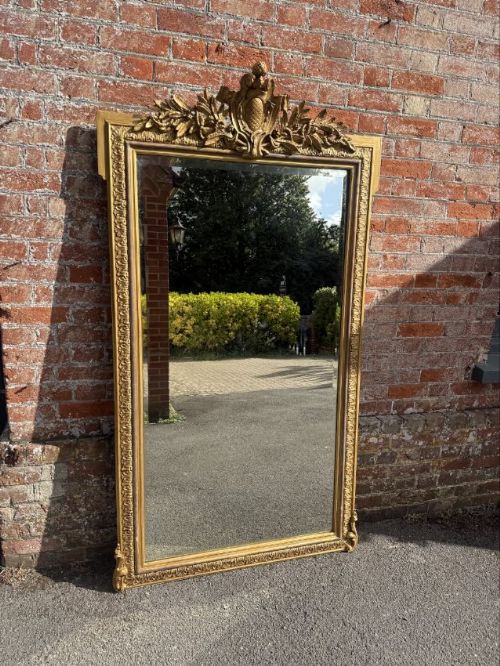
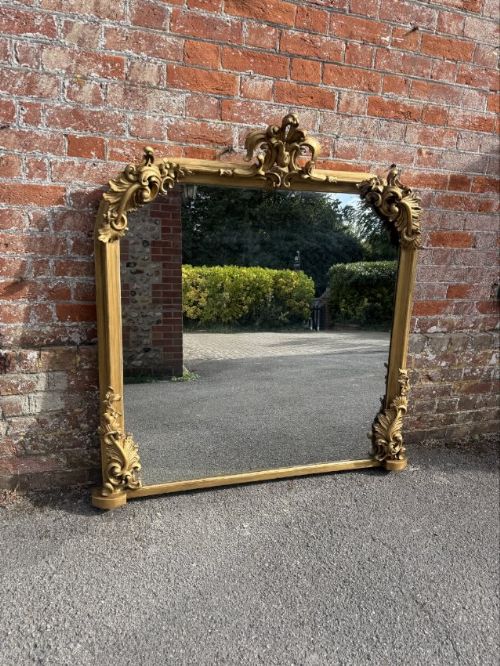
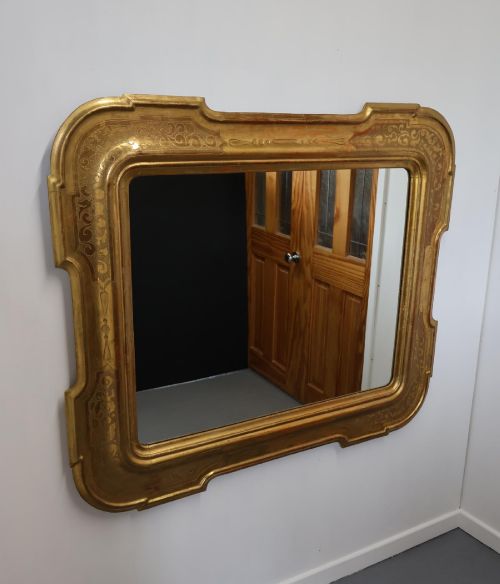
Victorian French Wall Mirror
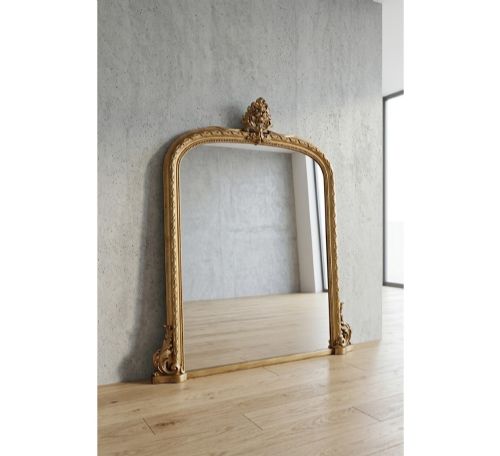
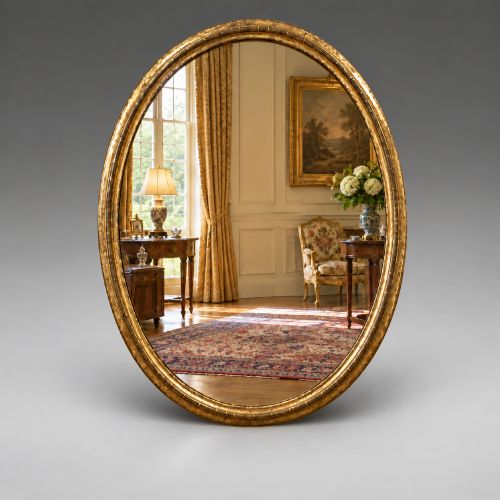
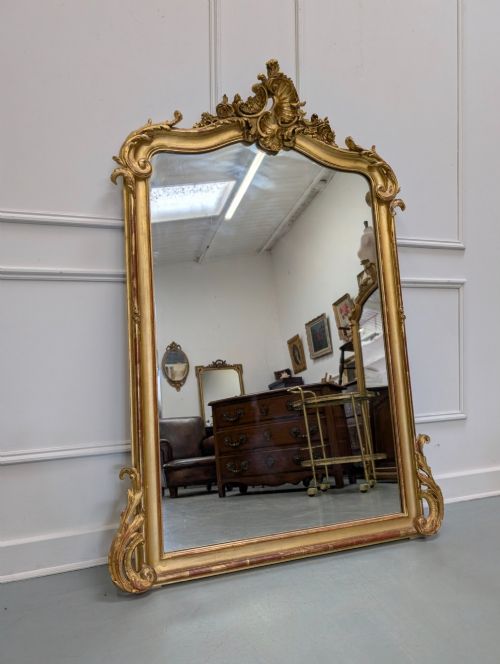
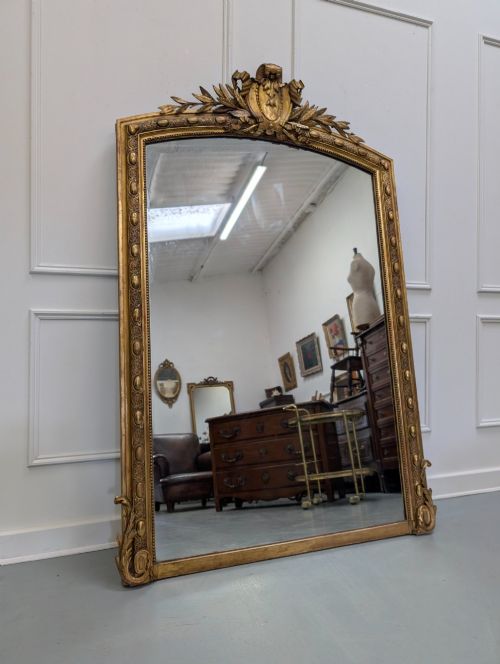
A victorian french wall mirror brings dramatic scale and reflective light to a room through ornate gesso and gilded frames.
Victorian French Wall Mirror
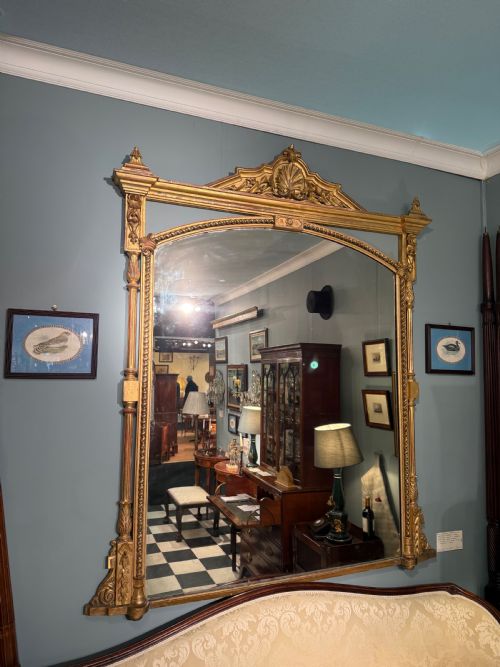
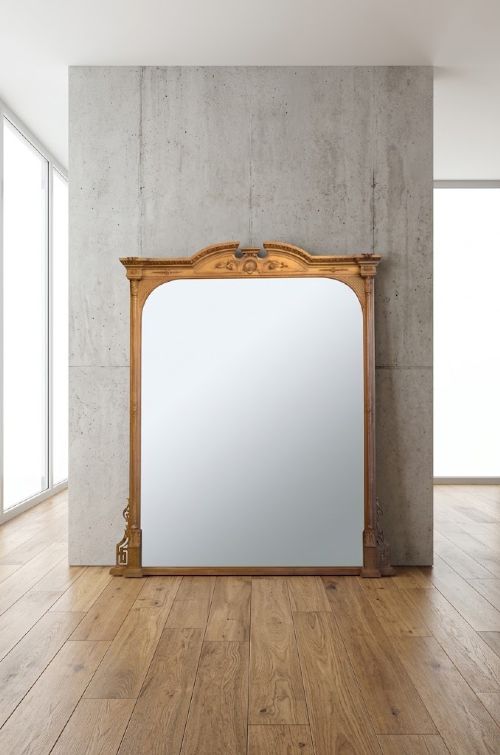
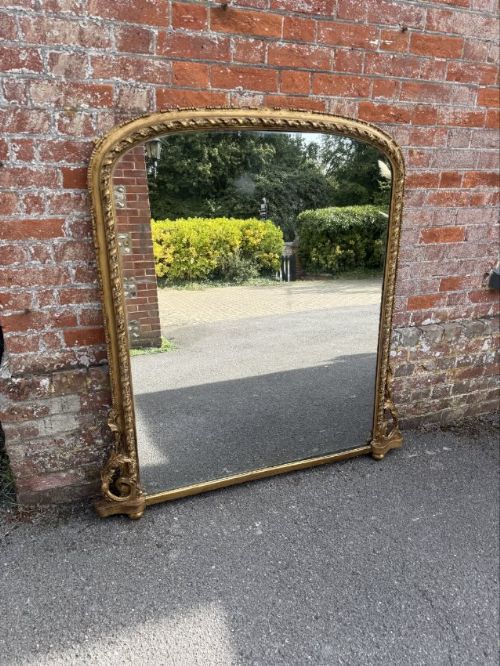
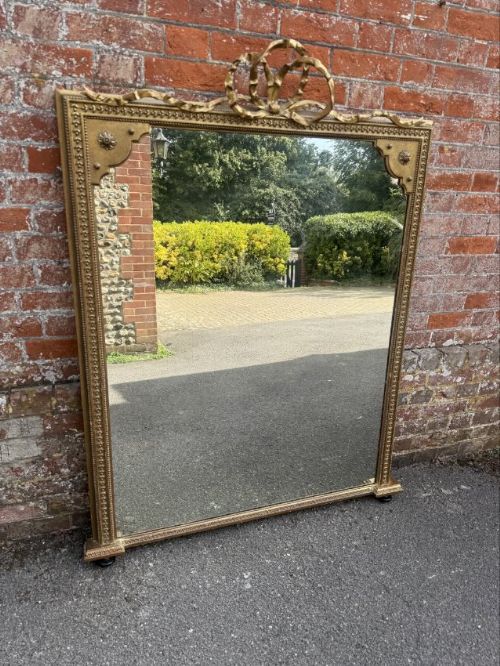
When searching for a victorian french wall mirror, collectors encounter substantial pieces designed to dominate a chimney breast or anchor a principal wall. These items frequently appear as overmantels or tall console companions, dating mainly from the nineteenth century.
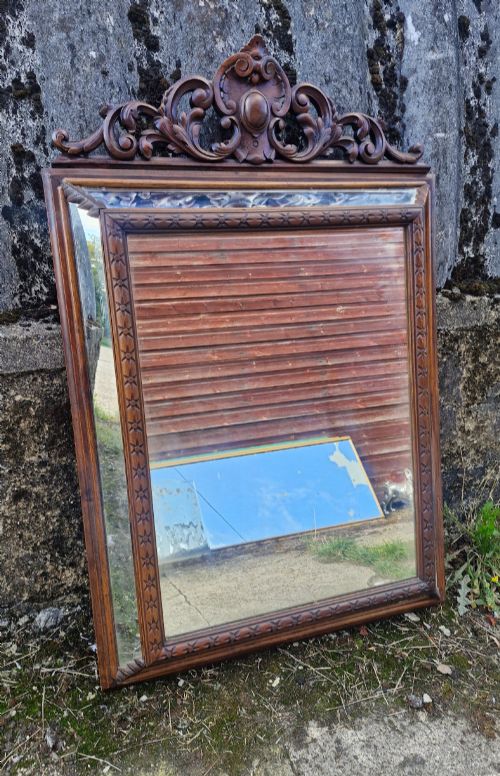
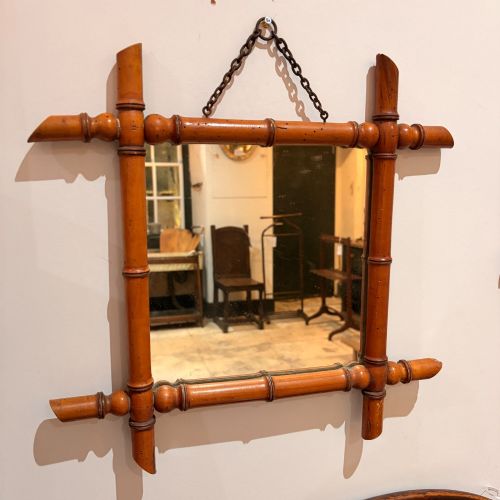
The prevalent forms combine arched tops with decorative crestings, executed in styles ranging from Rococo Revival to French Second Empire. Many retain their original mirror plates, framed in giltwood, oak, or carved wood.
Originating during the Victorian era and the later decades of the nineteenth century, these pieces demonstrate the strong continental influence on British interior decoration of the period.
Materials and construction
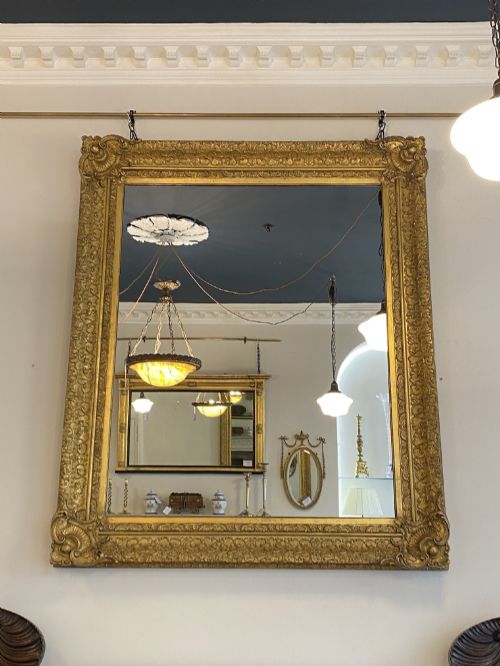
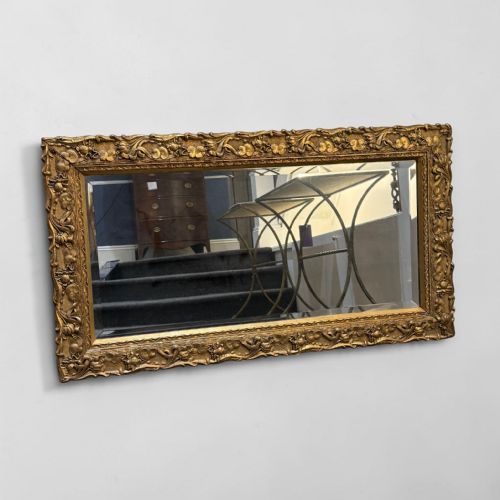
Makers utilised carved wood and composition plaster to build up intricate relief ornament, which was then covered in gold leaf or gilt paint. Giltwood frames required skilled joinery to support the considerable weight of large glass plates.
Gesso applications allowed craftsmen to model elaborate scrolling foliage, floral motifs, and crests directly onto wooden substrates before gilding. Oak and pine served as the primary structural timbers for the heavier overmantel and pier formats.
Some nineteenth-century mirrors feature nautical rope twist carvings, proving that even formal rooms occasionally indulged in a maritime whim.
Distinctions in quality
The depth and crispness of the carved or moulded ornamentation dictate the artistic merit of the piece. Superior examples exhibit hand-carved detail with sharp undercut foliage, whereas simpler versions rely more heavily on moulded composition.
The integrity of the original gilding and the condition of the mirror plate itself determine the baseline quality. Original mercury or early silvered glass plates showing natural foxing hold greater appeal for traditional interiors than modern replacements.
The Victorian French Wall Mirror Glossary
- Overmantel mirror
- A large wall mirror specifically designed to hang above a fireplace mantelpiece. These often feature low profiles or arched tops suited to domestic chimney breasts.
- Gesso
- A plaster-like mixture applied to wood frames to create a smooth surface for gilding. It allows for deep relief moulding and fine decorative detail.
- Giltwood
- Timber that has been coated with gold leaf. This material forms the primary decorative surface for many nineteenth-century formal mirrors.
- Girandole
- A decorative wall mirror featuring attached candle sconces. The candle light reflects off the mirror plate to illuminate the surrounding room.
- Pier glass
- A tall mirror designed to hang on the wall space between two windows. They frequently paired with matching console tables below.
Victorian French Wall Mirror: Frequently Asked Questions
How do I hang a heavy overmantel mirror?
These substantial frames require secure fixing directly into wall studs or masonry using heavy-duty brackets. Professional installation ensures the significant weight is safely supported.
Positioning the mirror at the correct height above a mantelpiece or console balances the proportions of the room and protects the frame from direct excessive heat.
Are original mirror plates common?
Many surviving pieces retain their original glass, which often displays characteristic light oxidation or foxing. This natural ageing process confirms the authenticity of the piece.
Replacement glass occasionally appears in listings where the original plate suffered irreversible damage over the decades of use.
What defines Rococo Revival style?
Rococo Revival pieces draw inspiration from eighteenth-century French design, featuring asymmetric scrolls, C-scrolls, and naturalistic floral motifs. This style dominated much of the nineteenth-century decorative arts.
Frames from this movement prioritise exuberant organic forms over strict geometric symmetry, creating a sense of movement across the gilt surface.
How should I clean a gilded frame?
Dusting gently with a soft dry brush prevents the accumulation of dirt without disturbing fragile gold leaf surfaces. Avoid chemical sprays and water entirely.
Water and commercial cleaners can strip the underlying gesso and ruin the historic finish of nineteenth-century gilding.