

Victorian French Table
A victorian french table brings continental flair to a room, uniting rich woods and metal mounts for everyday use.
Victorian French Table
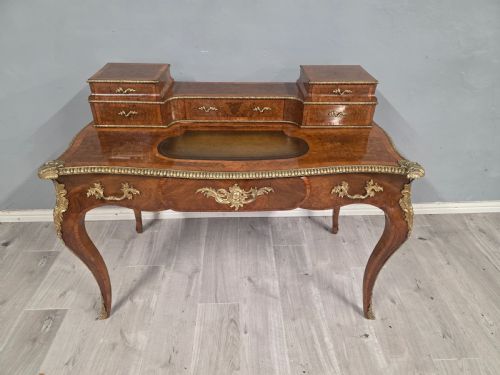
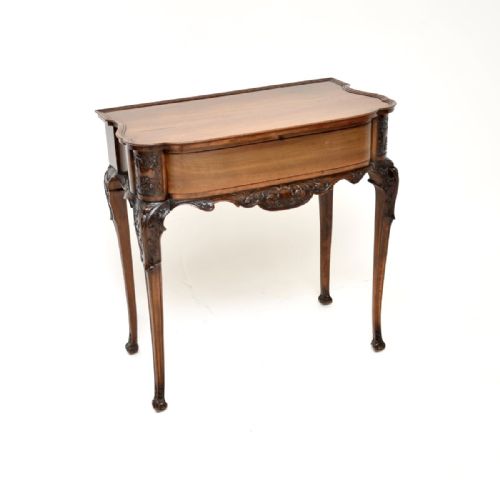
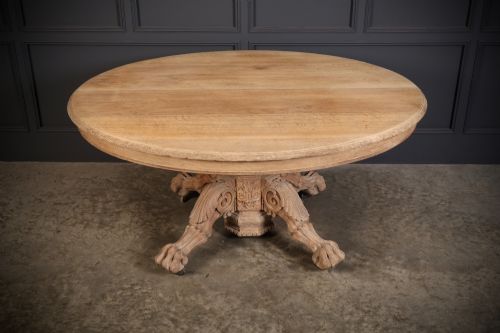
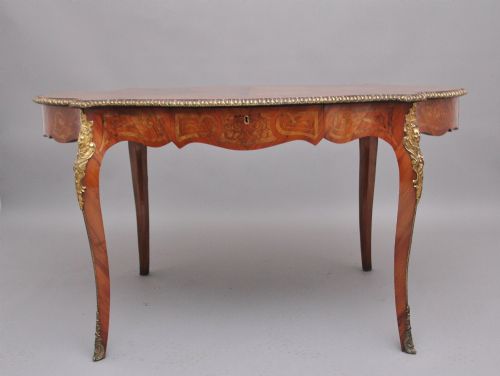
A victorian french table encompasses a variety of forms designed for display and utility, including centre tables, lamp tables, card tables, and occasional tables. Buyers search for these pieces to add distinct continental character and practical surface area to interior spaces.
Originating across the latter half of the nineteenth century, these tables reflect diverse influences from Louis XV revival to general French chateau aesthetics. Walnut, kingwood, and mahogany provide the primary structural woods for these domestic furnishings.
Materials and construction
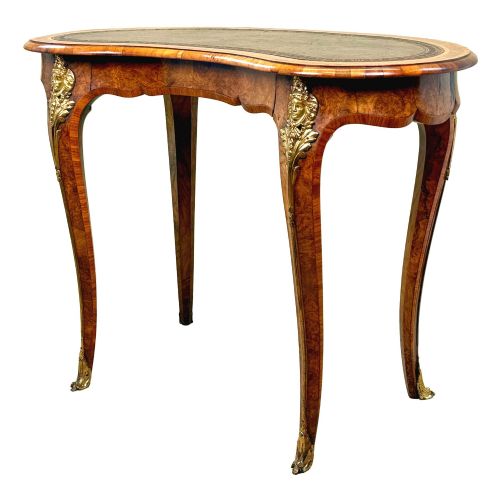
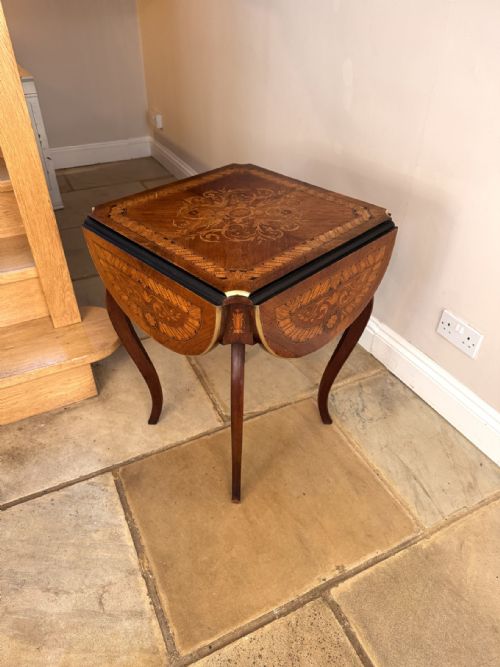
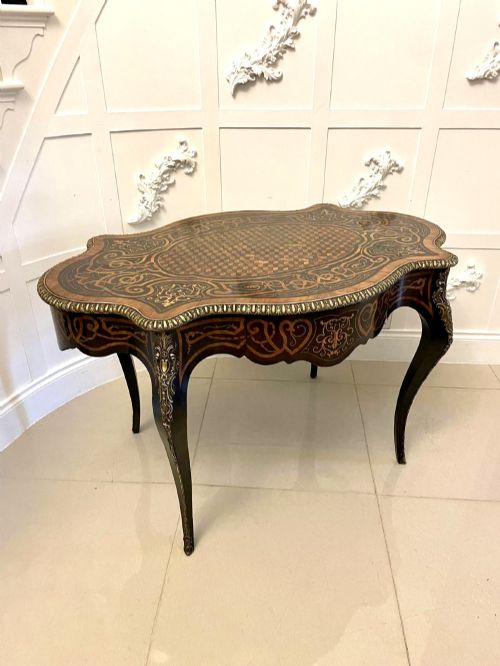
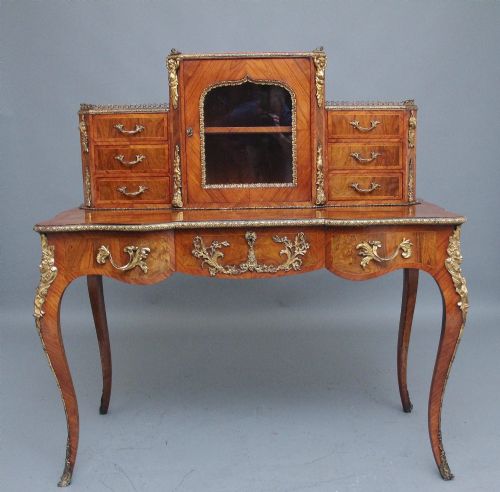
Cabinet makers utilised dense hardwoods such as walnut, kingwood, mahogany, and amboyna as foundations for intricate marquetry and parquetry surface patterns. Satinwood and ebonised elements frequently appear alongside these primary timbers to create contrasting geometric or floral designs.
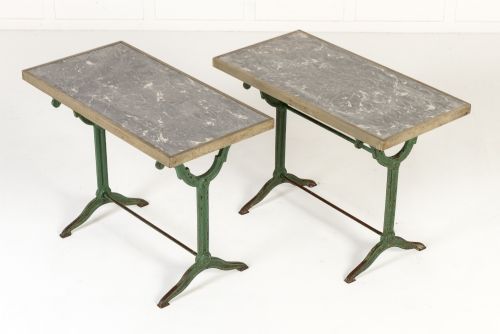
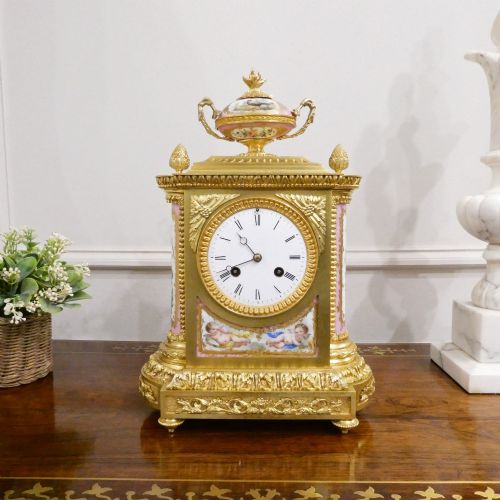
Mounts and decorative details rely heavily on ormolu, gilt bronze, and brass, cast and applied to edges, legs, and aprons. Marble tops also feature prominently on tables and stands, offering durable and cool surfaces.
Victorian French Table Retail Price Guide 2026
Typical asking prices for victorian french table among the pieces listed under this phrase on Sellingantiques today, from the lower quarter to the upper quarter. They describe what is for sale here now, not the wider market.
Some occasional tables hide sophisticated mechanisms beneath their marquetry tops, ready to reveal compartments for cards or writing materials.
Determinants of standard
The refinement of the timber inlays and the complexity of the marquetry distinguish finer pieces from simpler examples. Crisp casting in the ormolu and gilt bronze mounts, alongside the sophistication of any mechanical elements, marks out superior workshops.
The selection of secondary woods and the precision with which marble tops are fitted indicate the level of care taken during construction. Freestanding designs finished on all sides demonstrate a higher tier of production than those intended solely for placement against a wall.
Gillows·Jean Baptiste Delettrez·Henry Marc·Edward Holmes Baldock·JAS Shoolbred
The Victorian French Table Glossary
- Marquetry
- Decorative wood veneer arranged in pictorial or floral patterns. It requires skilled cutting and fitting of various coloured woods into a solid base.
- Parquetry
- Geometric wood inlay forming repeating patterns such as cubes or chevrons. This technique decorates table tops and cabinet panels.
- Ormolu
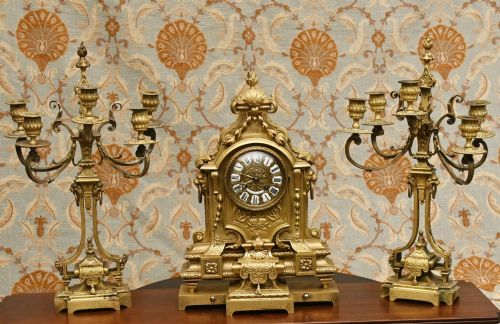
- Gilt bronze applied as mounts and feet on furniture and clocks. The process involves coating bronze with a gold amalgam.
- Kingwood
- A dense, richly grained tropical timber utilised for fine veneers during the nineteenth century. Its dark violet-brown colour makes it distinct in inlaid pieces.
- Bonheur du Jour
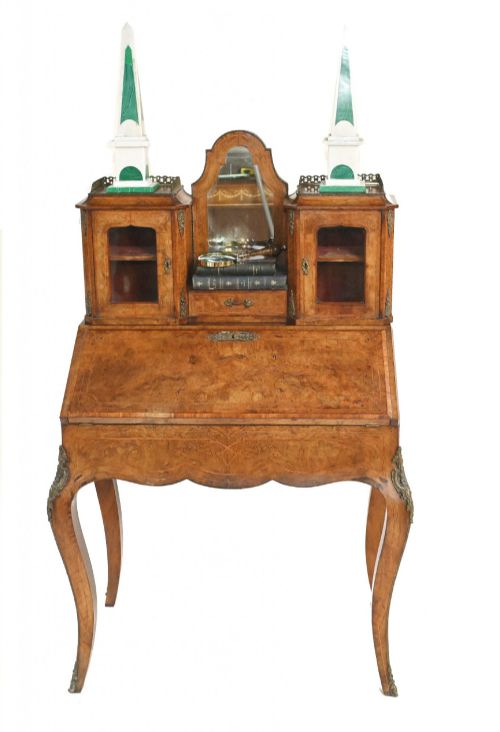
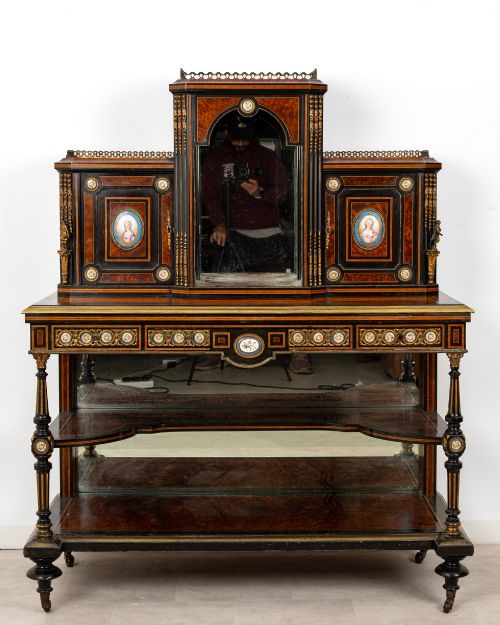
- A small ladies writing desk featuring a set of drawers and compartments on the upper surface. These tables often incorporate porcelain plaques and delicate legs.
Victorian French Table: Frequently Asked Questions
What is a victorian french table?
These pieces are nineteenth-century domestic furnishings produced in revival styles, incorporating continental design elements like gilt bronze mounts and marquetry veneers into forms such as centre tables and lamp tables.
They combine practical surfaces with decorative wood and metal work, reflecting popular tastes for French aesthetics during the Victorian era.
How were centre tables used?
Centre tables served as decorative and functional hubs in principal rooms, placed away from walls to display items such as lamps, clocks, or porcelain.
Card and console versions provided surfaces for evening games and entertainment, while smaller occasional variants held books and decorative objects.
How do I care for inlaid wood?
Maintain inlaid wood surfaces by keeping them away from direct sunlight and steady heat sources to prevent veneer lifting or timber cracking. Use dry, soft cloths for dusting and avoid chemical polishes that might damage delicate French polish or wax finishes.
Treat marble tops with gentle soap and water for cleaning, avoiding acidic substances that can etch the polished stone surface.
How can I tell periods apart?
Differentiating periods relies on observing shifts in decorative motifs, wood choices, and revival styles across the nineteenth century. Earlier pieces often display robust Louis XV revival curves and heavy ormolu, while later items might incorporate simpler lines or different inlay combinations.
Maker stamps, where present, help pinpoint specific decades of production.