

Victorian French Style Chairs
These victorian french style chairs bring Continental elegance to British interiors through curved frames and rich upholstery.
Victorian French Style Chairs
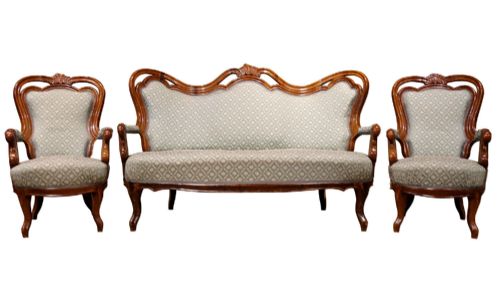
When searching for victorian french style chairs, buyers encounter seating influenced by continental court designs adapted during the nineteenth century. These pieces encompass various forms including armchairs, side chairs, salon suites, and chaise longues.
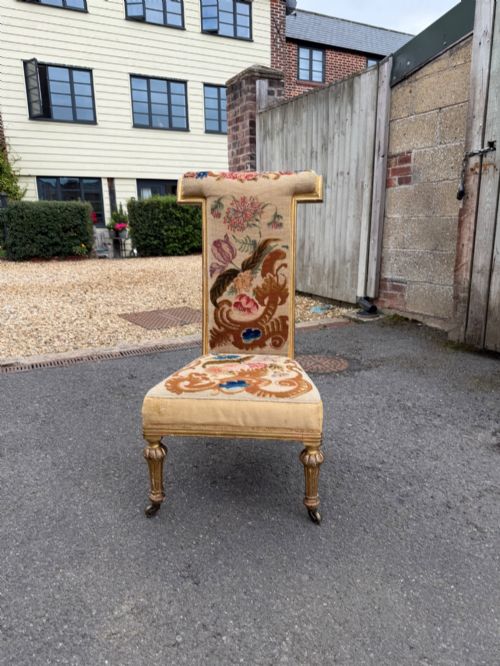
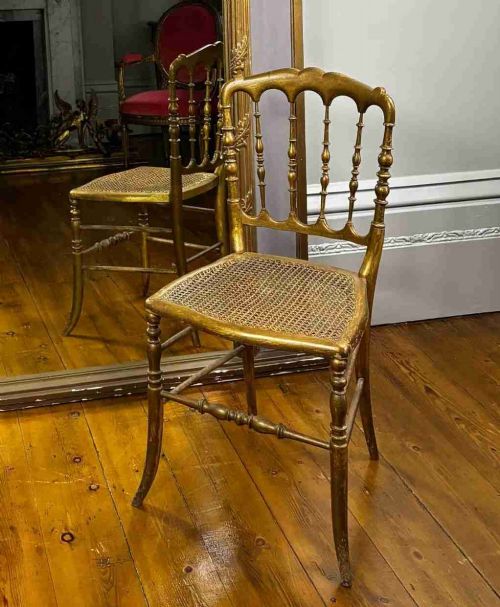
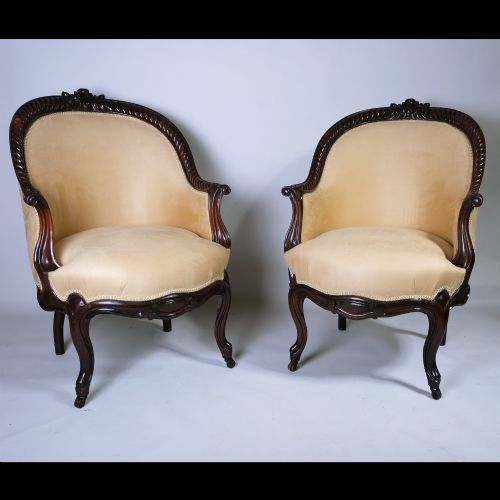
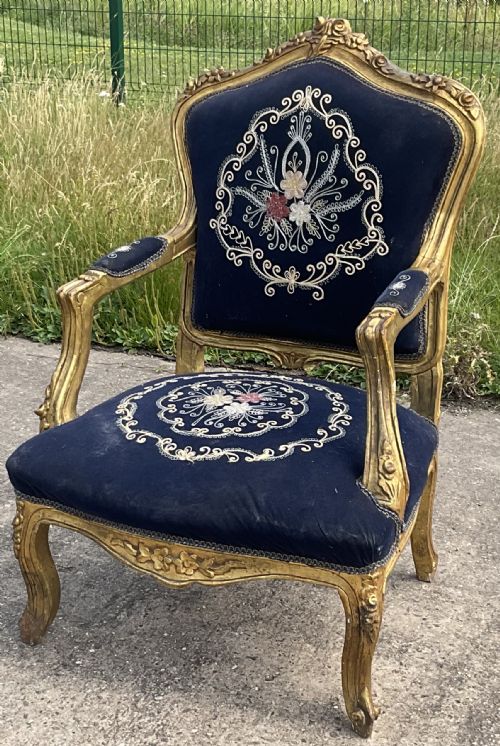
The selection frequently includes walnut or giltwood frames reflecting Rococo Revival and Louis XV or Louis XVI revival aesthetics. Pieces range from mid Victorian salon seating to later nineteenth century tub chairs and nursing chairs.
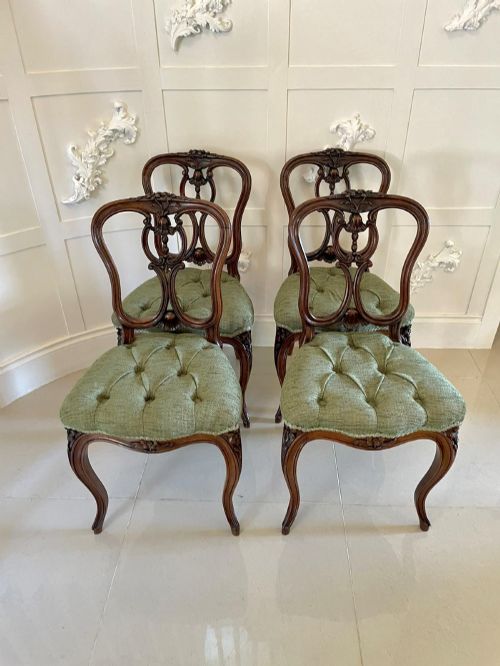
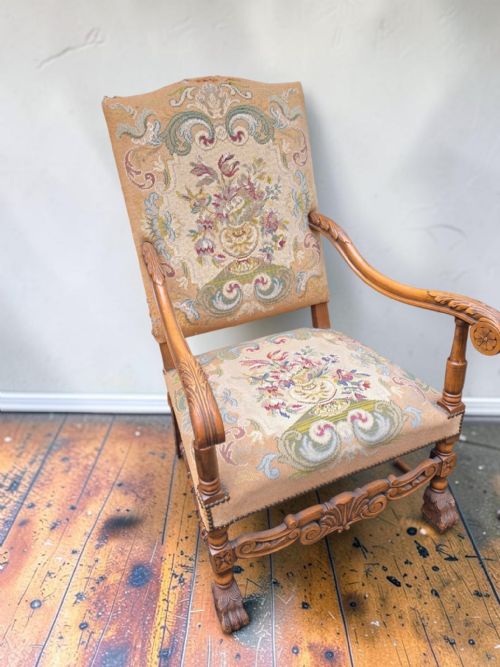
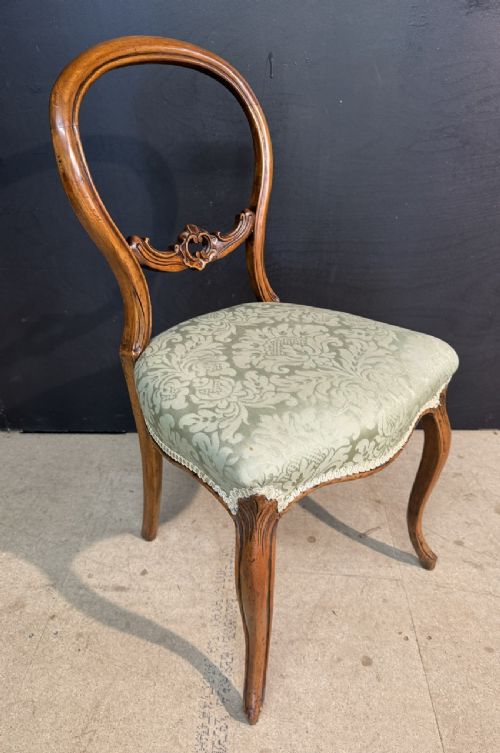
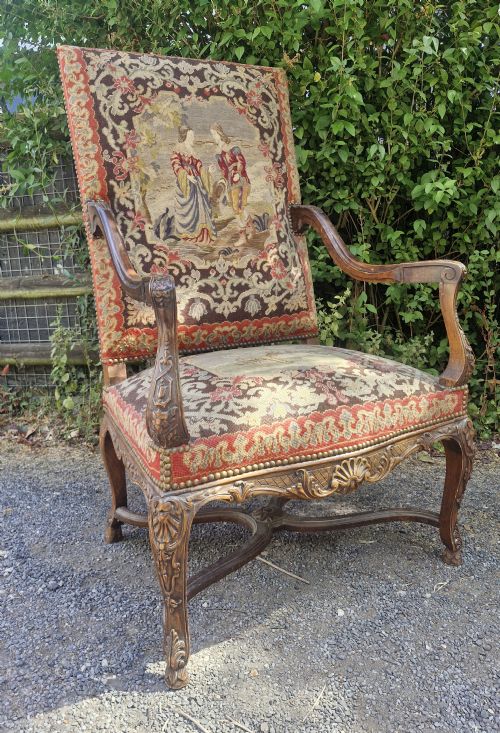
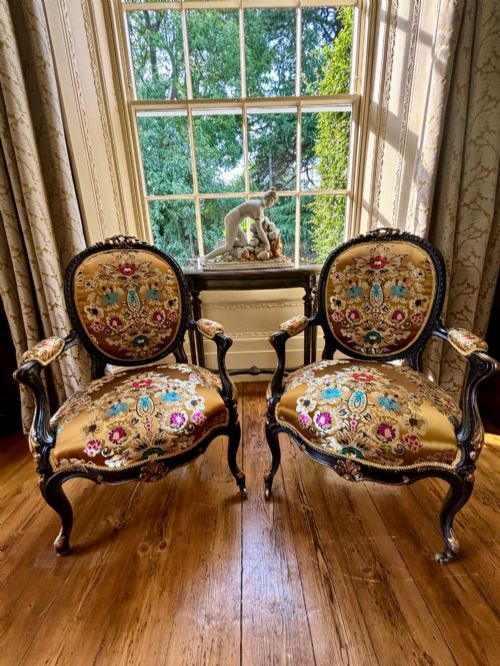
Originating largely from the nineteenth century, these chairs combine British Victorian manufacture with French decorative motifs. Buyers typically find carved walnut frames paired with elaborate textiles, silk, velvet, or needlework upholstery.
Materials and construction methods
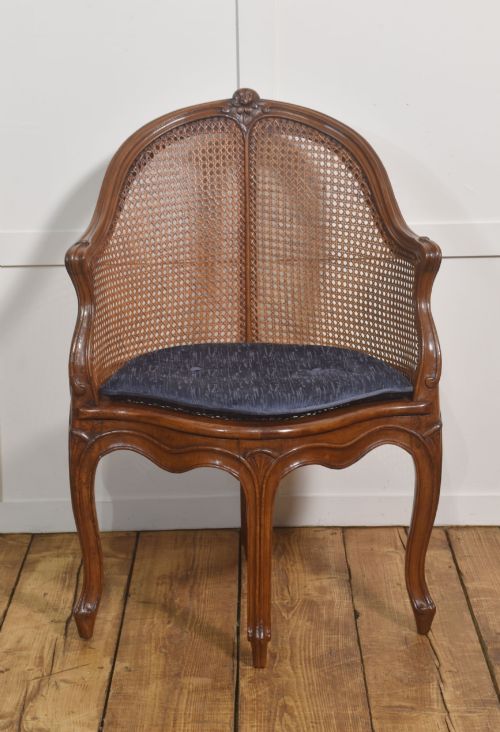
Carpenters utilised solid walnut, mahogany, and giltwood to build the structural frames, often applying intricate hand carving to mimic eighteenth century French models. Caning appears on seats and backs of specific tub chairs and salon chairs.
Upholstery techniques involved deep buttoning, springing, and the application of textiles such as tapestry, silk, and velvet, sometimes finished with fringe trim. Frames were shaped with curved lines and cabriole legs characteristic of the revival styles.
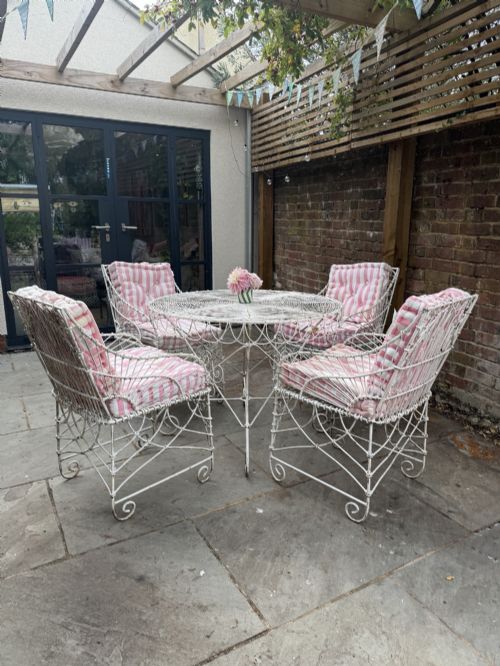
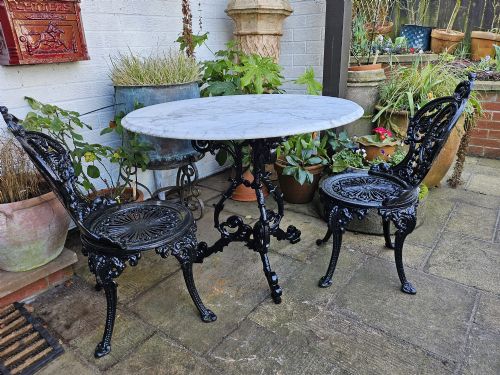
Listings feature walnut, mahogany, giltwood, and iron alongside textiles including velvet, silk, and tapestry across nineteenth century periods.
Evaluating craftsmanship and condition
The crispness of the wood carving and the choice of primary timber distinguish finer examples from simpler production. Walnut and giltwood frames with deep, detailed relief work represent the upper tier of execution.
The integrity of the original frame structure and the quality of the surviving textile upholstery determine the overall standard of the piece. Matching sets and salon suites demonstrate higher original investment than isolated side chairs.
The Victorian French Style Chairs Glossary
- Cabriole leg
- An S-shaped furniture leg curving outward at the knee and inward at the ankle. This form is common in revival seating inspired by French design.
- Giltwood
- Wood that has been coated with gold leaf or gilt paint. It appears frequently on formal Victorian salon chairs and fauteuils.
- Fauteuil
- An open-armed upholstered armchair with wooden sides originating in France. Mid Victorian examples adopt this form within parlour settings.
- Chaise longue
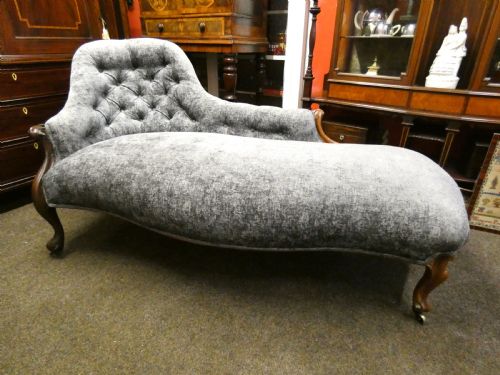
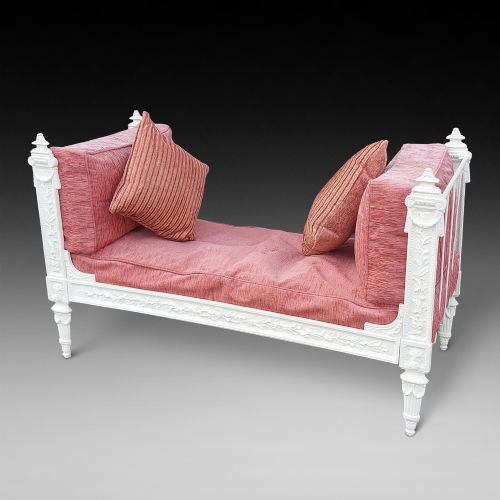
- An elongated upholstered chair designed for reclining. Nineteenth century versions often feature carved walnut frames and buttoned upholstery.
- Napoleon III
- A French design period spanning the mid to late nineteenth century. It is known for eclectic revivals of earlier court styles.
Victorian French Style Chairs: Frequently Asked Questions
What defines victorian french style chairs?
These pieces combine nineteenth century British manufacturing periods with continental French revival aesthetics, notably Rococo and Louis styles. They utilise carved walnut or giltwood frames paired with formal upholstery.
Design characteristics include cabriole legs, curved open arms, and decorative textiles such as silk, velvet, and tapestry.
Where were these chairs used?
Victorian households placed them in formal reception rooms, drawing rooms, and private boudoirs to display taste and status. Salon suites and chaise longues furnished large entertaining spaces.
Smaller pieces like nursing chairs and slipper chairs served bedrooms and private dressing rooms.
How do I care for antique upholstery?
Protect delicate textiles like silk and needlework from direct sunlight to prevent fading and fibre degradation. Vacuum gently using a low suction attachment with a brush guard.
Professional conservation cleaning preserves fragile historical fabrics without damaging the underlying stuffing and frame.
How do I distinguish revival periods?
Examine the timber, carving style, and upholstery methods to determine the approximate decade of production. Mid nineteenth century pieces often display heavier walnut framing and Rococo Revival motifs.
Later Victorian examples may incorporate lighter gilt finishes and different revival influences such as Louis XVI straight-line framing.