


Victorian French Lamp Table
A victorian french lamp table brings continental elegance and domestic utility together, offering an ornamental surface or lighting support rooted in nineteenth-century craftsmanship.
Victorian French Lamp Table
A victorian french lamp table encompasses various small support furniture pieces and lighting fixtures originating from nineteenth-century design idioms. Buyers searching this phrase encounter both small occasional tables intended for display and actual lamp bases transformed from period lighting.
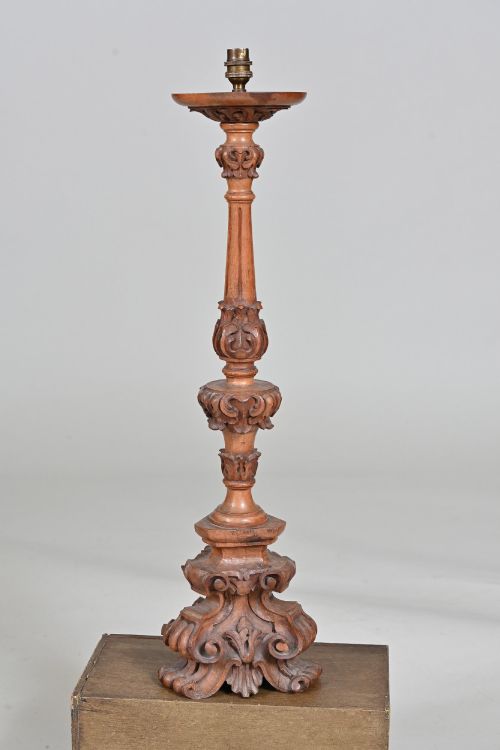
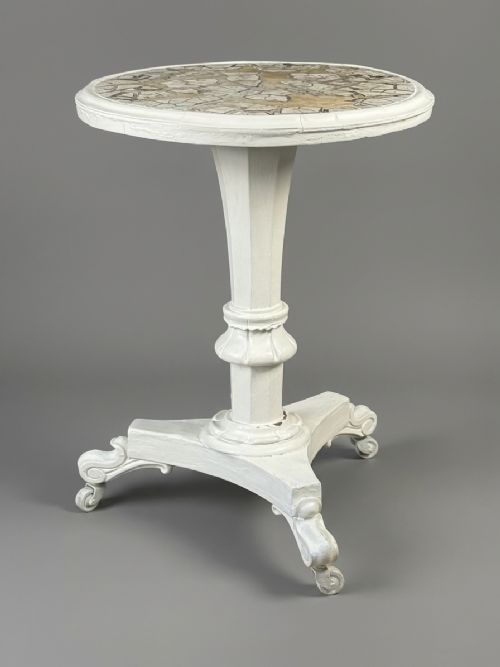
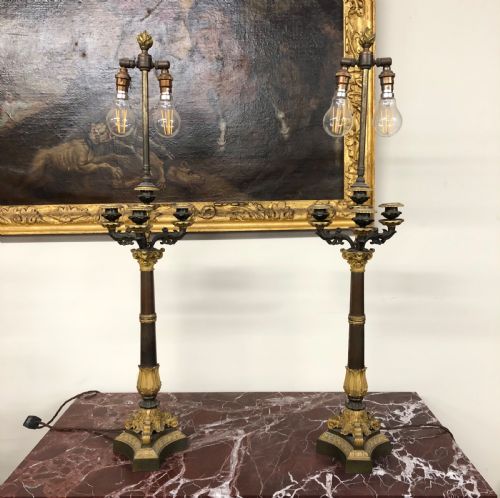
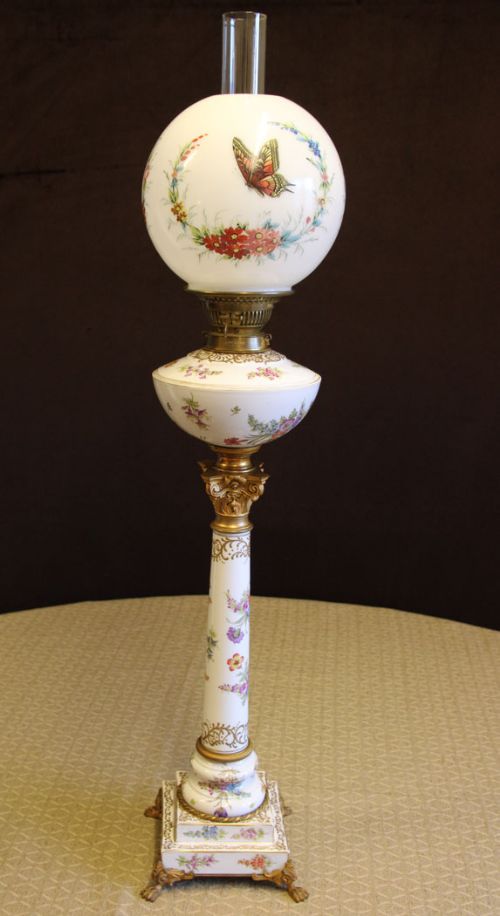
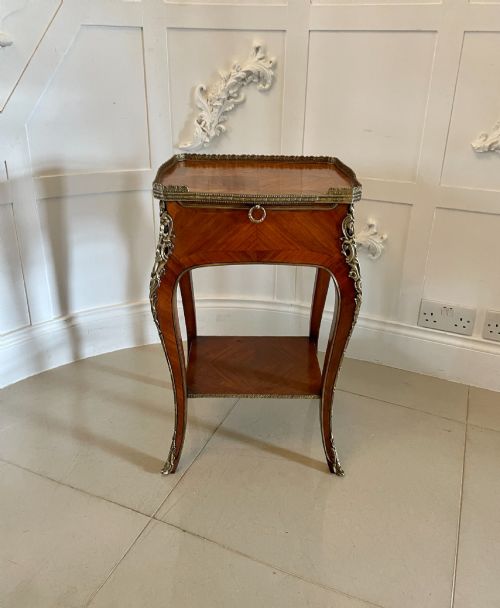
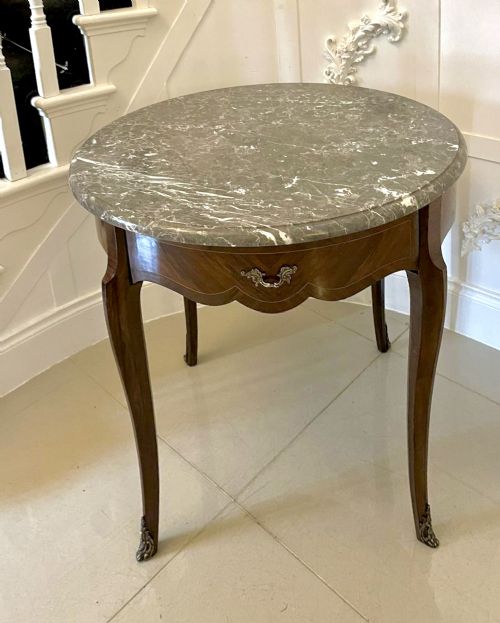
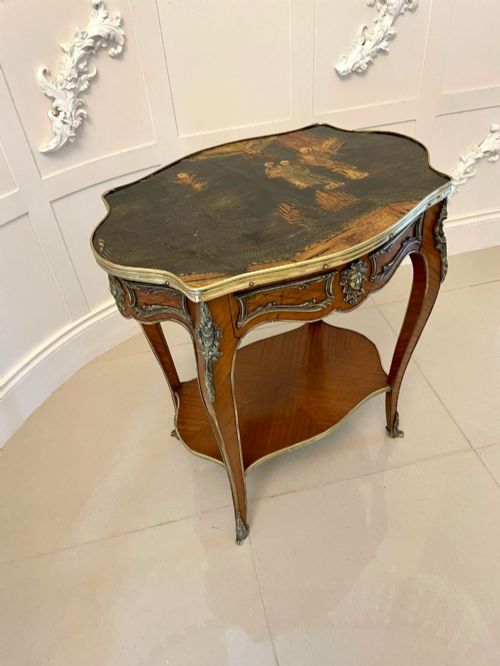
The material forms on this page span freestanding centre tables, side tables, and occasional furniture alongside converted oil lamps and candelabra. Many examples integrate marble tops or gilt bronze mounts reflecting Rococo Revival and Neoclassical tastes.
Tables designed specifically for lamps often feature compact proportions suited for placement beside seating. Meanwhile, lighting pieces themselves utilise porcelain, brass, and bronze to create decorative focal points.
Materials and Construction Methods
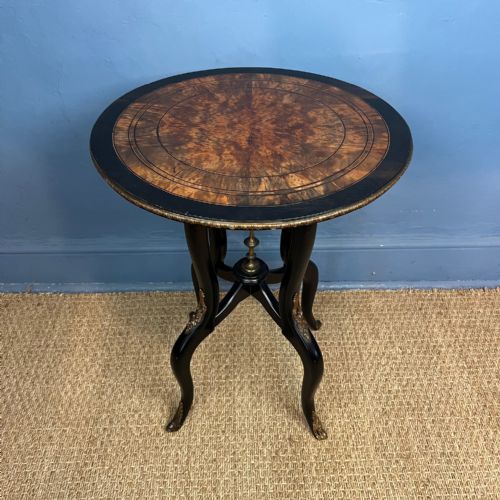
Woodwork relies heavily on timber selections such as kingwood, mahogany, burr walnut, and amboyna, frequently incorporating marquetry or intricate inlay. Cabinet makers constructed these frames to support heavy inserts like Italian marble or glazed porcelain panels.
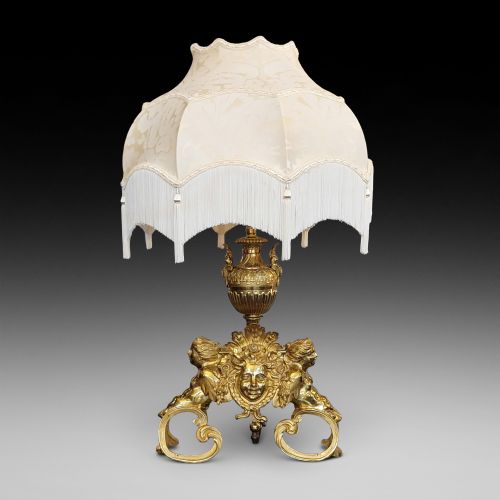
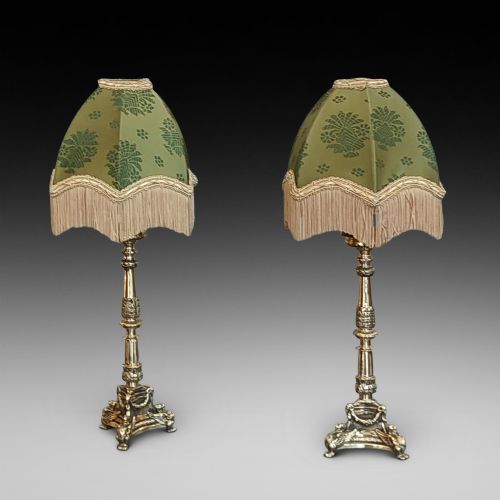
Metalwork defines the decorative vocabulary through cast or chased ormolu, gilt bronze, brass, and gilt metal mounts. Foundries shaped these metallic elements into intricate floral motifs, rams' heads, and figural bases.
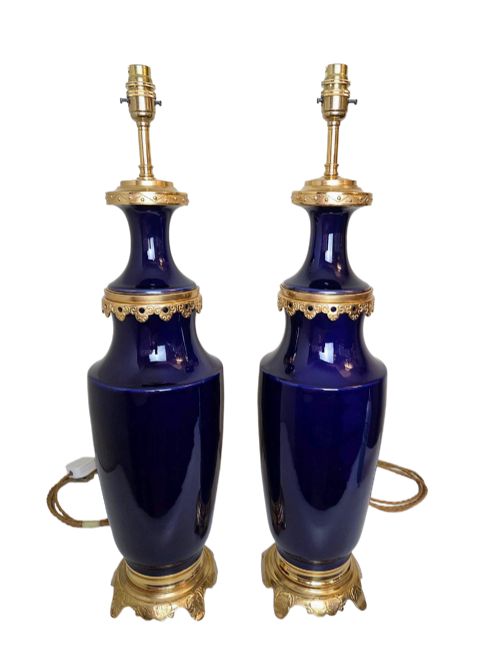
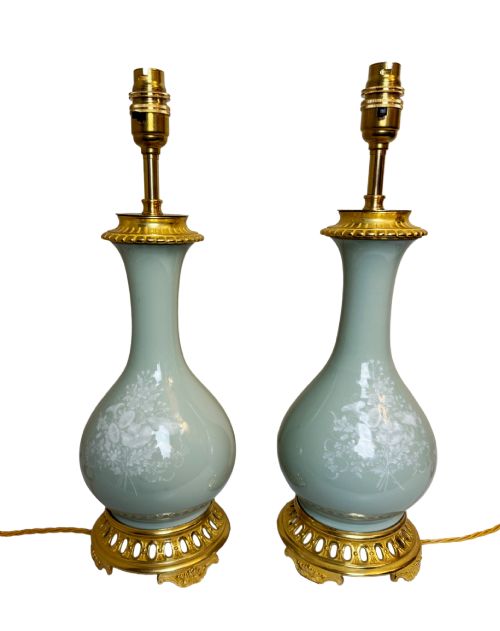
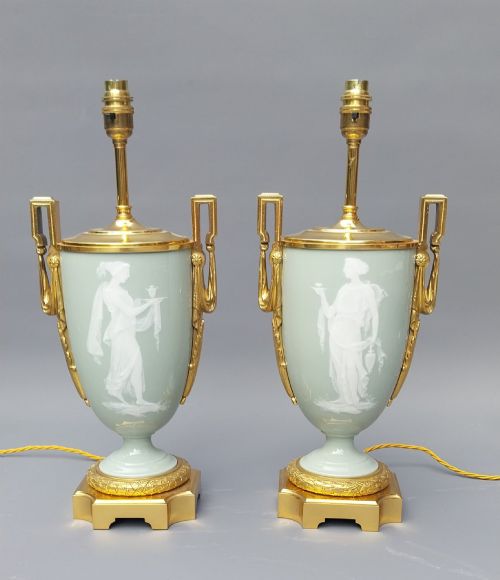
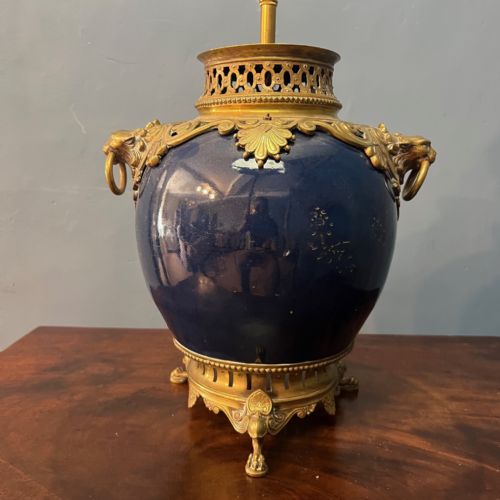
Ceramic and glass components include opaline glass, crackle ware, celadon, and Sevres style porcelain bodies. These elements were frequently combined with metallic collars and wiring conversions during later adaptations.
Victorian French Lamp Table Retail Price Guide 2026
Typical asking prices for victorian french lamp table among the pieces listed under this phrase on Sellingantiques today, from the lower quarter to the upper quarter. They describe what is for sale here now, not the wider market.
Several pieces feature mythical creatures and mermaids supporting the illumination, bringing maritime folklore straight to the parlour table.
Distinctions in Quality and Execution
The refinement of the casting and chasing on ormolu and bronze mounts dictates the visual success of the piece. Crisp detailing in figures and foliage indicates superior foundry work compared to softer, repetitive casting.
Selection of timber veneers and the precision of marquetry inlay separate standard production from master craftsmanship. Grain matching and structural integrity in freestanding centre tables reveal the original maker's investment of time.
Integration of secondary materials like genuine marble tops and hand-painted porcelain distinguishes high-grade examples. Superior pieces maintain harmonious proportions between the supportive furniture base and the decorative elements above.
Emile Picault·Guilmet·Brocot
The Victorian French Lamp Table Glossary
- Ormolu
- Gilded bronze or brass applied to furniture mounts and decorative objects. This technique creates a rich golden finish characteristic of French revival pieces.
- Kingwood
- A dense, richly grained exotic timber utilised in high-end nineteenth-century cabinet making. It frequently appears as veneer on polished side and centre tables.
- Sevres style
- A descriptor for porcelain decorated in the manner of the famous French royal manufactory. Pieces often feature cobalt blue grounds and hand-painted details.
- Occasional table
- A small, versatile piece of furniture designed for specific, intermittent domestic uses. These items include lamp tables, bedside stands, and small side tables.
- Ewer
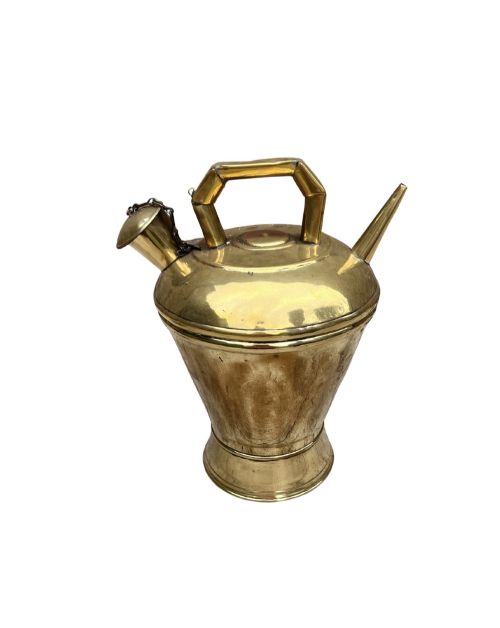
- A large jug with a wide spout traditionally used for water, frequently adapted during the nineteenth century into decorative table lamps.
Victorian French Lamp Table: Frequently Asked Questions
How were these tables used originally?
These items functioned as practical surfaces for illumination in nineteenth-century drawing rooms and parlours. They provided a stable base for oil lamps, candelabra, or early electric lighting.
Beyond illumination, smaller occasional tables held decorative accessories, writing materials, or sewing items. Their freestanding nature allowed placement throughout reception rooms.
How do I style these pieces at home?
Integrating a victorian french lamp table into a modern interior works best by pairing its ornate metalwork with neutral surroundings. Use them as bedside stands, hallway accents, or beside living room seating.
Consider the scale of the piece relative to surrounding furniture. The rich tones of kingwood, mahogany, and gilt bronze complement both traditional and eclectic contemporary schemes.
How do I identify french revival styles?
French revival pieces from the nineteenth century display characteristic Louis XV and XVI motifs including curved cabriole legs, scrollwork, and floral inlays. The presence of ormolu mounts offers a key visual indicator.
Materials like kingwood veneers, marble tops, and Sevres style porcelain further signal French influence. Look for balanced proportions and skilled metal casting typical of the period.