







Victorian French Eight Day Clock
A victorian french eight day clock brings dependable timekeeping and heavy classical presence to a mantelpiece, combining continental metalwork with robust mechanical movements.
Victorian French Eight Day Clock
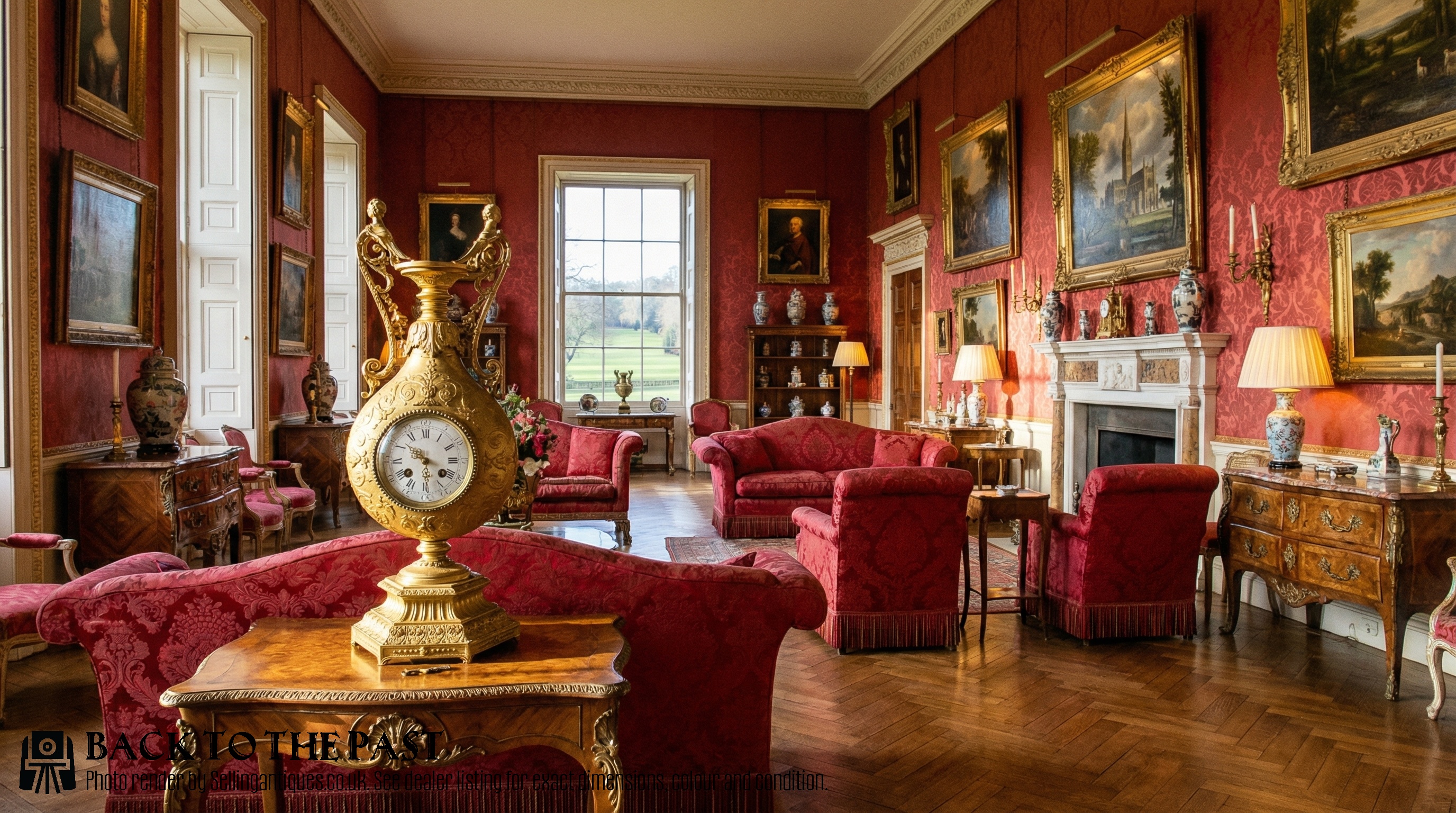
A victorian french eight day clock is a mechanical timepiece designed to run for just over a week before requiring manual winding with a key. When you search for a victorian french eight day clock, you encounter two distinct forms: the portable carriage clock housed in glass and brass, and the heavier mantel clock designed to stay in one room.
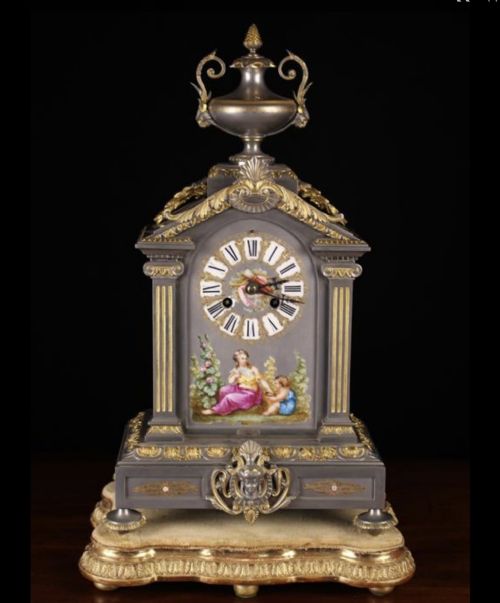
The material evidence shows these pieces span several decades, crossing from the mid nineteenth century into the Edwardian era. You will find them constructed from solid marble, black slate, gilt bronze, ormolu, and rosewood, often styled in the French Rococo Revival or Louis XVI Revival manners.
Materials and construction
Makers shaped heavy natural materials like marble, black slate, and rosewood into architectural cases to house the mechanical movements. Decorative highlights relied on cast brass, gilt bronze, and ormolu mounts, frequently paired with white enamel dials that carried Roman or Arabic numerals.
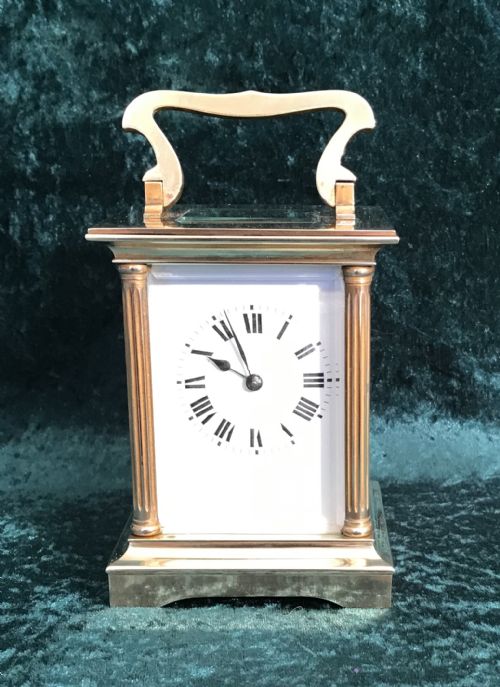
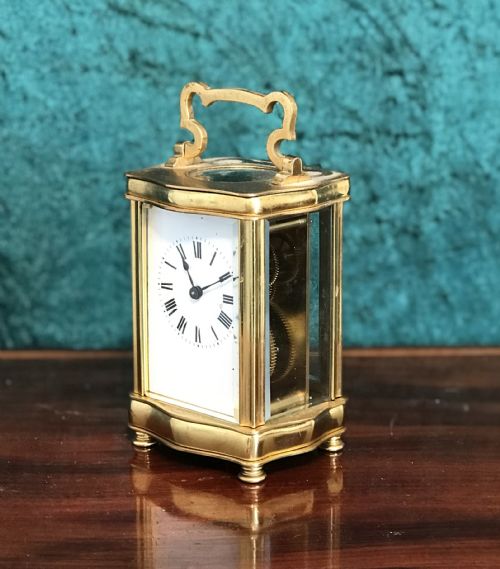
Carriage clocks utilised protective brass frames inset with bevelled glass panels, allowing the escapement and balance wheel to remain visible to the owner. Wooden cases received marquetry inlay, while heavy stone mantel clocks often incorporated serpentine profiles and matched garniture sets.
Listings feature carriage clocks alongside heavy marble mantel clocks, spanning the Victorian and Edwardian periods with movements designed for eight-day operation.
Assessing quality and execution
The distinction between standard and superior pieces rests on the weight and finish of the bronze or ormolu mounts and the density of the marble or slate. Finer examples display crisper cast detailing on sculptural elements, such as doves or floral swags, and feature fully signed movements from recorded Paris workshops.
Dial execution also separates the ranges, with higher quality clocks utilising finely painted enamel faces protected by heavy bevelled glass bezels. The integration of complex striking trains that sound the hours and half hours on bells or gongs indicates a higher grade of workshop production.
Henri Jacot Paris·Charpentier Foundry·P L Hausburg Paris
The Victorian French Eight Day Clock Glossary
- Ormolu
- A technique of applying finely ground high-carat gold to a bronze base using mercury. This creates a rich golden finish characteristic of decorative French clock cases.
- Escapement
- The internal mechanism that controls the unwinding of the mainspring by delivering regular impulses to the pendulum or balance wheel. It produces the steady ticking sound of the clock.
- Garniture
- A set of decorative matching objects, such as a mantel clock accompanied by two side urns or candelabra. These sets were designed to sit together symmetrically on a shelf or fireplace.
- Marquetry
- The art of applying thin pieces of wood veneer to a structure to form decorative patterns or pictures. Rosewood cases frequently employed this technique for surface enrichment.
- Striking clock
- A clock equipped with a secondary train of gears that sounds the hours or fractions of hours on a bell or gong. Many of these movements strike on the hour and pass the half hour.
Victorian French Eight Day Clock: Frequently Asked Questions
How often should I wind my clock?
These eight day movements require winding approximately once a week using a matching key. Winding them on a consistent day helps maintain regular timekeeping accuracy.
Take care not to overwind the mainspring when the resistance increases near the end of the winding cycle. Stop turning the key the moment you feel firm resistance.
Where should I place a marble clock?
Marble and slate mantel clocks are exceptionally heavy and require a sturdy, level surface such as a fireplace mantel or a strong sideboard. Placing them securely prevents accidental tipping.
Ensure the surface does not experience vibrations from heavy foot traffic or slamming doors, which can interfere with the delicate balance of the pendulum.
How do I tell a carriage clock from a mantel clock?
Carriage clocks are compact, portable timepieces enclosed in brass frames with glass panels on all sides and a small carrying handle on top. They were originally designed for travel.
Mantel clocks are larger, heavier stationary pieces made from stone, slate, or wood. They rely on internal pendulums rather than the platform escapements found in carriage clocks.
What causes a clock to run fast or slow?
Variations in temperature, age, and the position of the regulating index on the movement can alter the speed of the clock. Small adjustments to the regulation arm bring the timing back to accuracy.
Ensure the clock sits completely level on its shelf, as an uneven stance causes the beat of the escapement to become irregular and affects the timekeeping.