

Victorian French Clock
When you handle a victorian french clock, you encounter precision mechanics housed in elaborate architectural, marble or gilt bronze cases from the nineteenth century.
Victorian French Clock
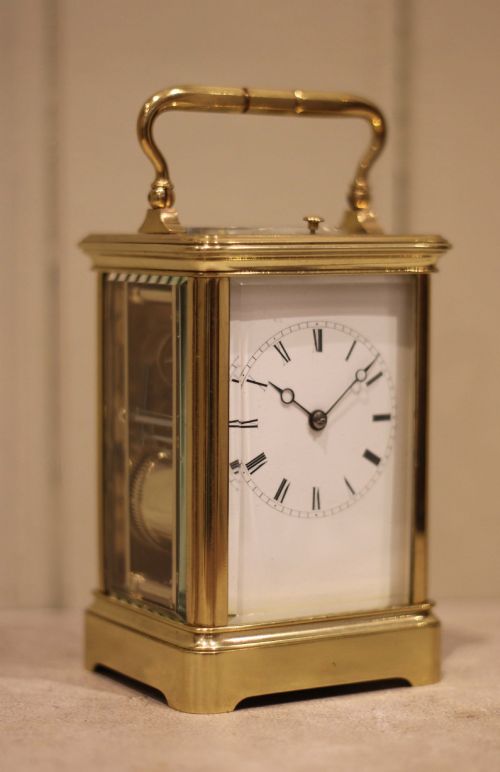
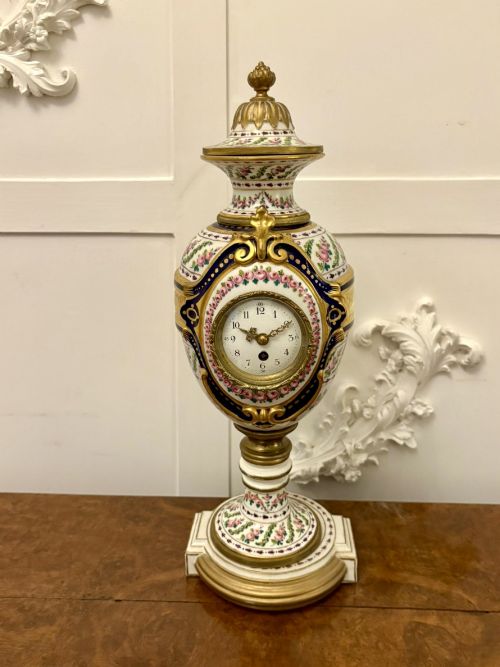
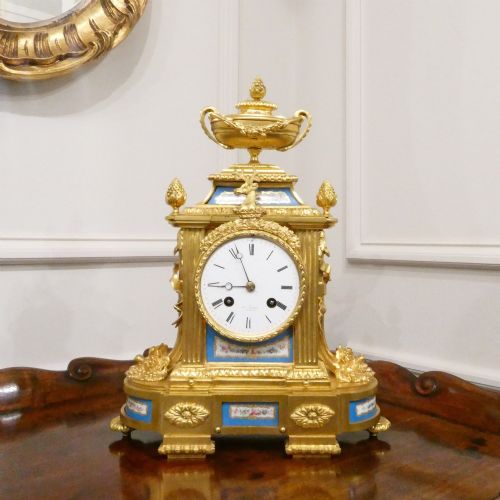
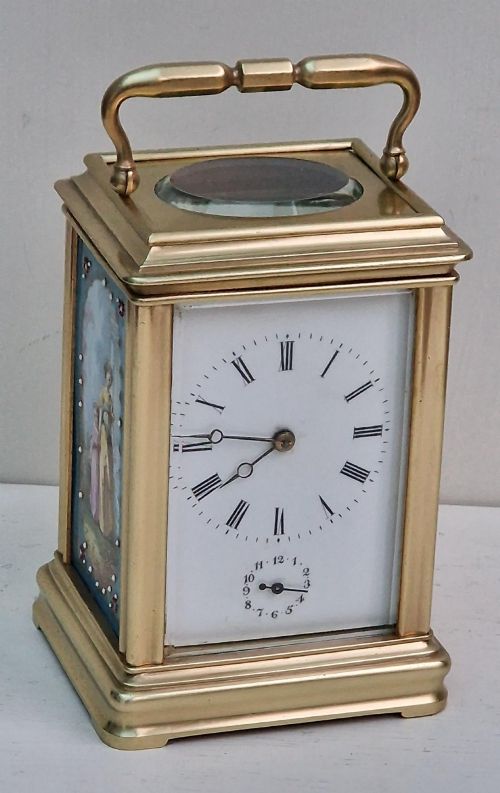
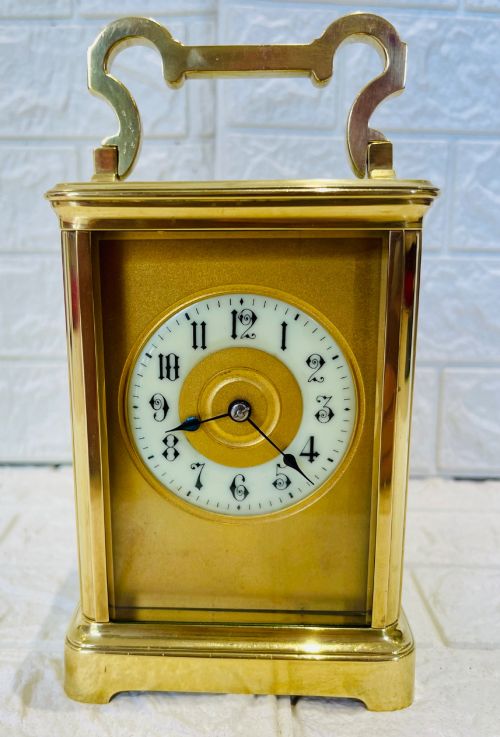
A victorian french clock encompasses a diverse range of timepieces originating from nineteenth-century France, spanning carriage clocks, architectural mantel designs, and wall-hung variants.
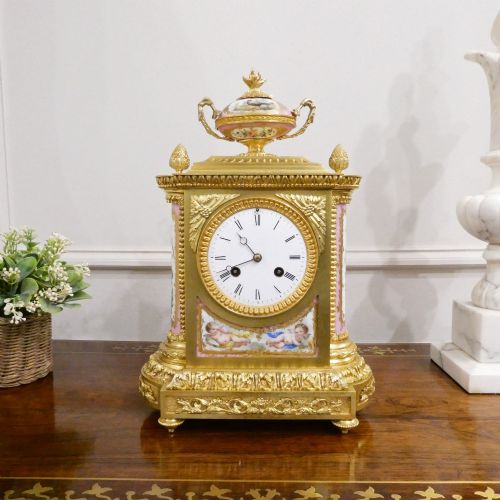
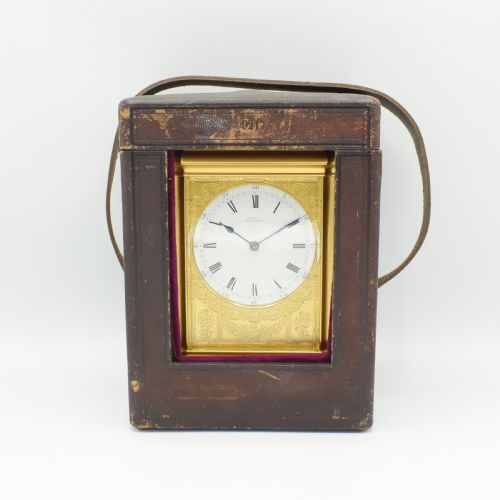
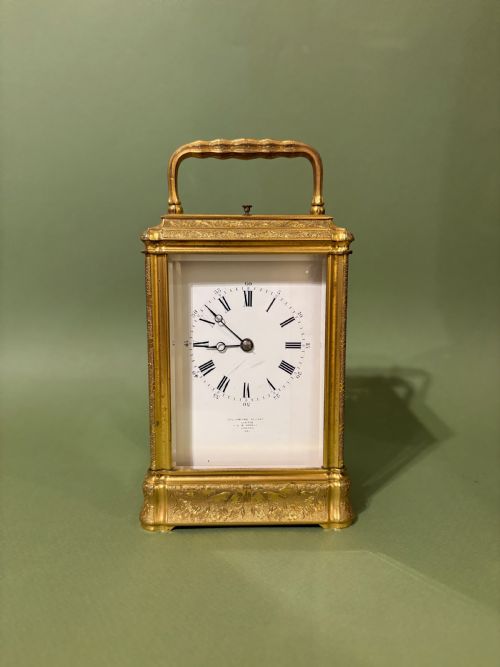
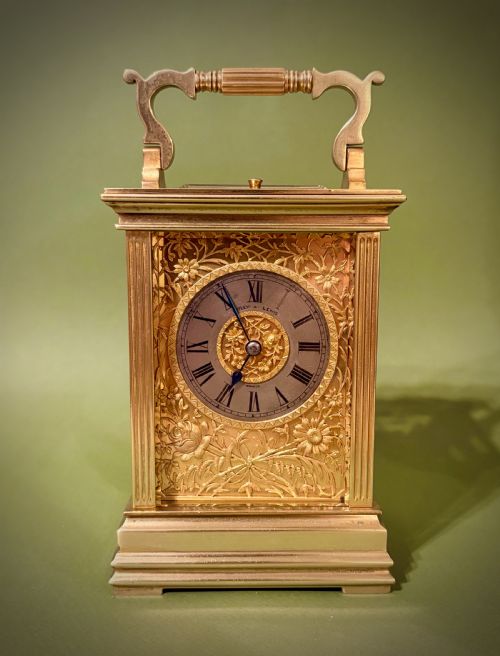
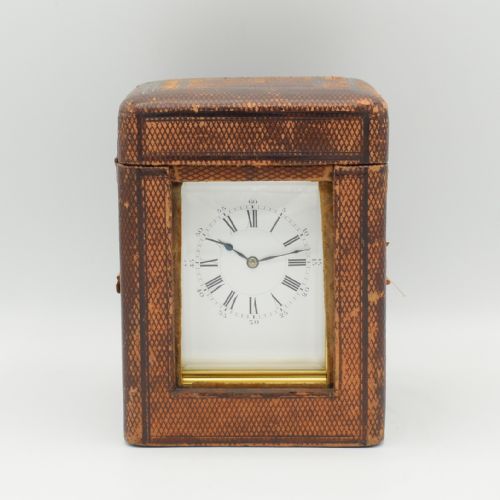
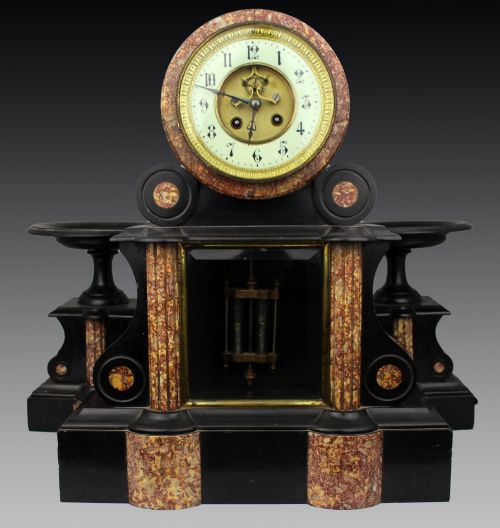
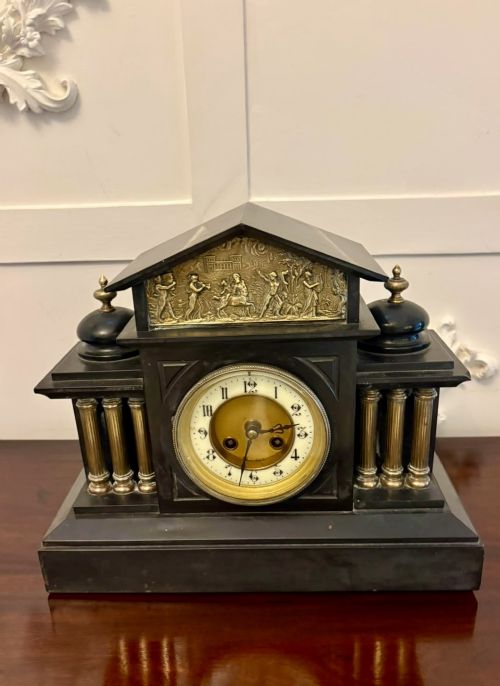
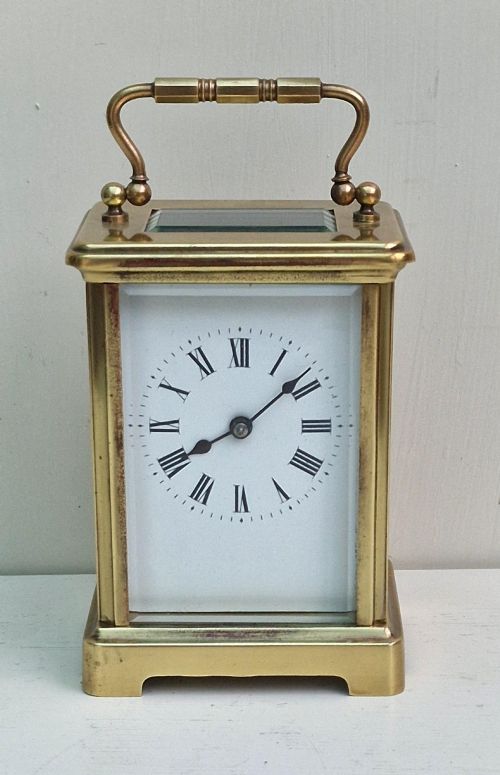
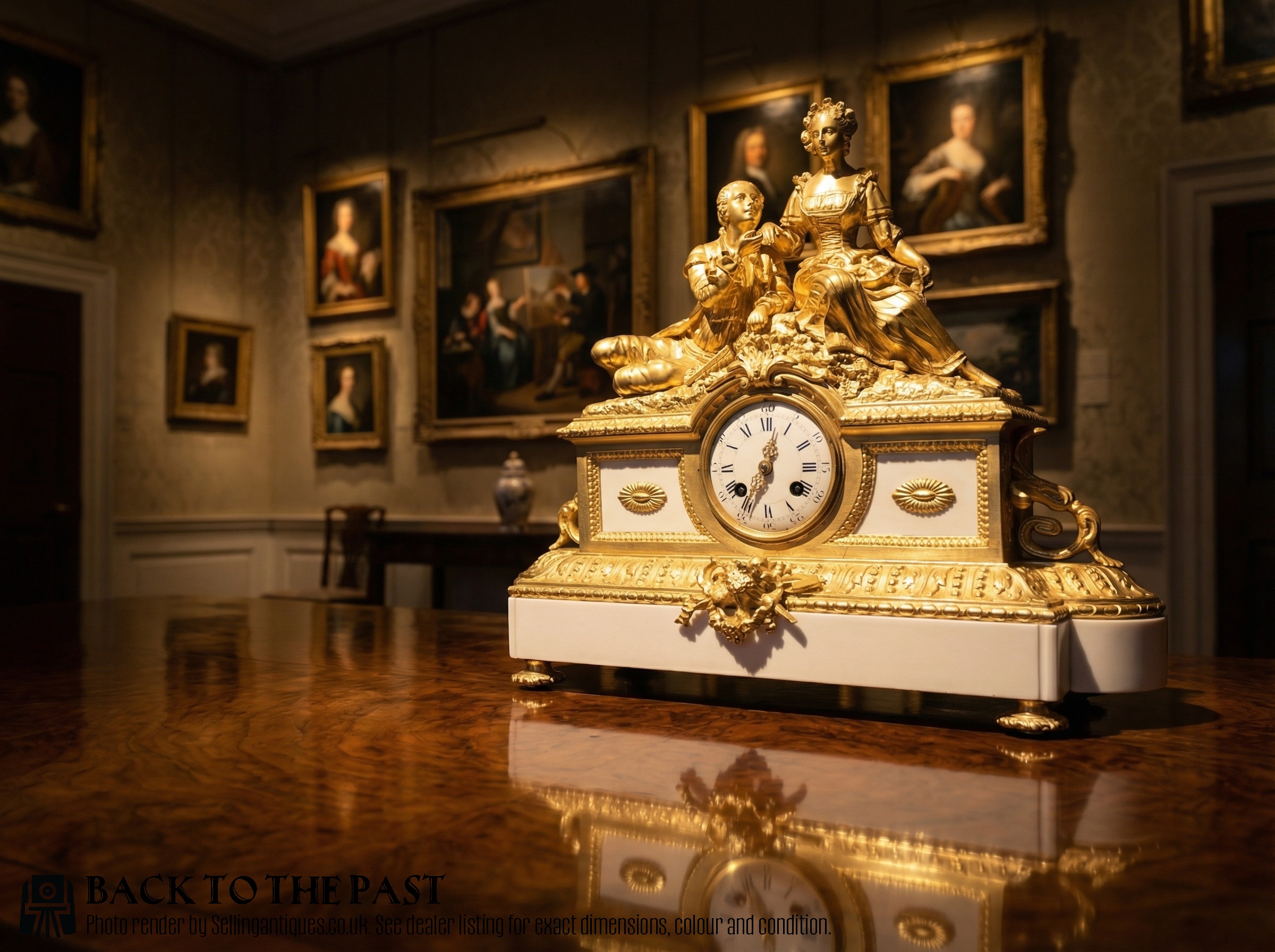
You will frequently encounter heavy marble, slate, and brass mantel clocks, alongside smaller portable brass carriage clocks fitted with glass panels.
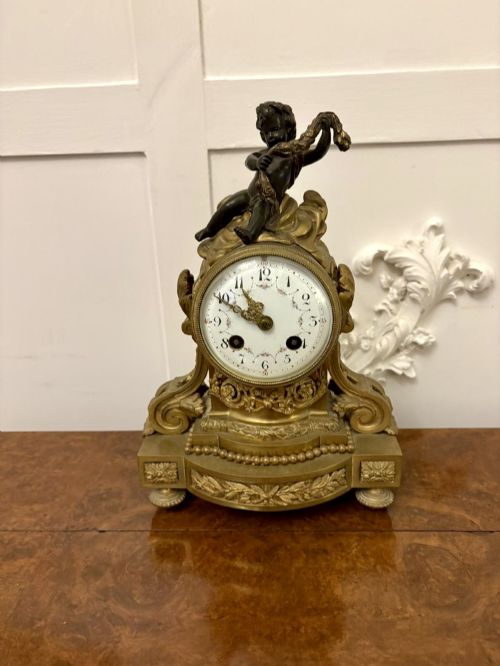
Many examples arrive accompanied by matching garniture sets, comprising flanking urns, candelabra, or bronze figures that complement the central time-keeper.
How they were made
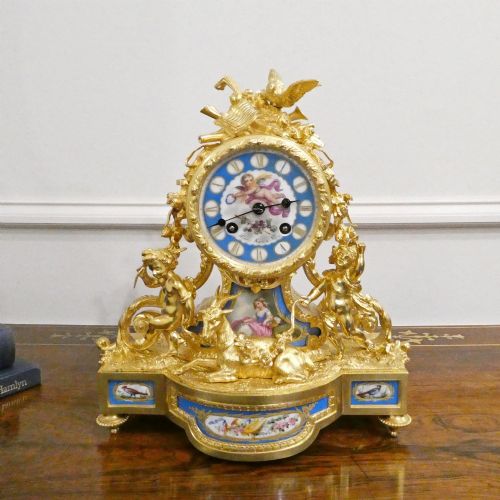
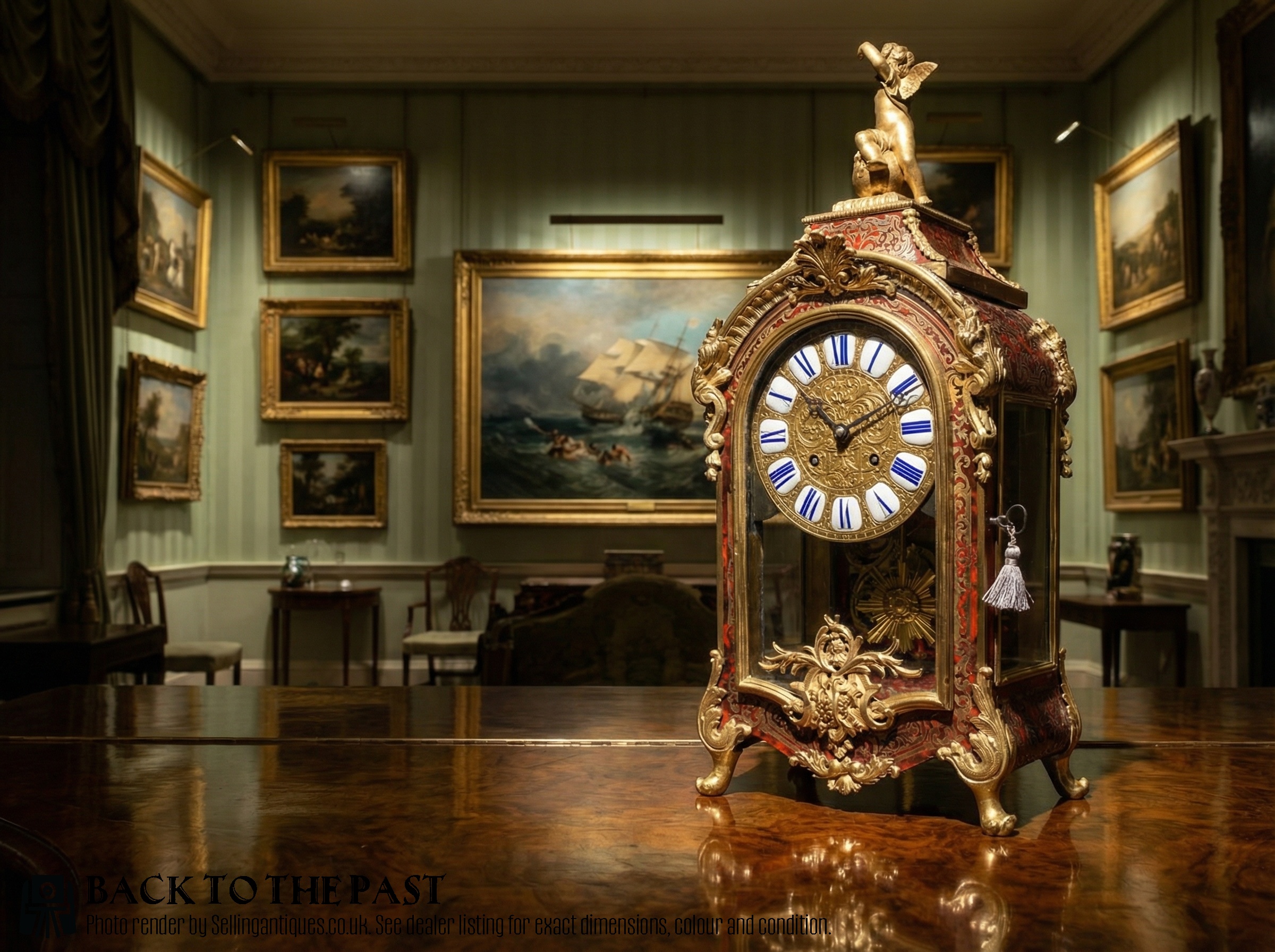
Maker workshops utilised cast brass, ormolu, and bronze for structural cases, often combining these metals with carved black marble, rouge marble, or alabaster.
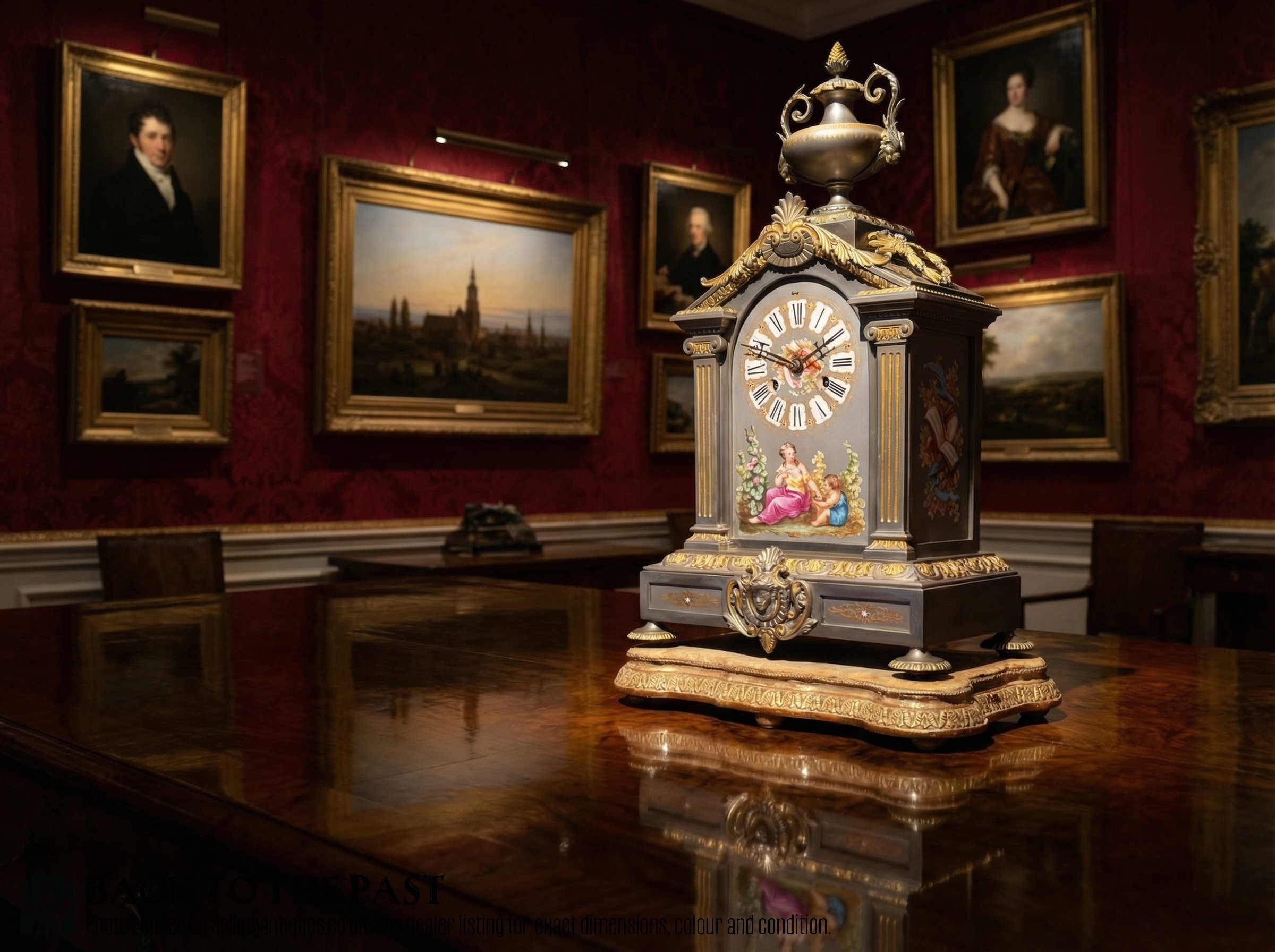
Dials frequently incorporate hand-painted porcelain panels, enamel cartouches, or intricate cherub motifs, paired with mechanical movements capable of striking and repeating functions.
Victorian French Clock Retail Price Guide 2026
Typical asking prices for victorian french clock among the pieces listed under this phrase on Sellingantiques today, from the lower quarter to the upper quarter. They describe what is for sale here now, not the wider market.
What varies in quality
The sophistication of the movement largely dictates the standard, with repeating mechanisms, multi-train striking trains, and signed maker plates marking out superior examples.
Case execution separates ordinary items from exceptional ones, seen in the depth of hand-chasing on ormolu mounts, the quality of painted porcelain, and the weight of the marble housings.
Henri Jacot·Japy Freres·Henry Marc·A D Mougin·P L Hausburg Paris
The Victorian French Clock Glossary
- Ormolu
- Gilded bronze applied to clock cases and decorative mounts. This technique was widely utilised by nineteenth-century French makers to create a rich, gold-coloured finish.
- Garniture
- A set of decorative matching objects designed to sit alongside a mantel clock. These typically include flanking urns or candelabra made from corresponding materials.
- Carriage clock
- A small, portable spring-driven timepiece fitted with a carrying handle and glass panels. They were originally designed for travel during the Victorian era.
- Striking and repeating
- A movement complication that sounds the hours on demand or at the appropriate intervals. The repeating function allows the owner to press a button to hear the last hour struck again.
- Champlevé
- An enamelwork technique where troughs are dug into a metal surface and filled with vitreous enamel before firing. It frequently decorates the bezels and pillars of carriage clocks.
Victorian French Clock: Frequently Asked Questions
How do I wind a carriage clock?
Most portable brass timepieces require a specialised double-ended key applied to winding squares located on the underside or backplate. You should turn the key steadily until you feel firm resistance, avoiding over-winding.
Ensure you handle the glass panels carefully by gripping the solid brass framework rather than the delicate decorative handle or glazed sides.
What is a clock garniture set?
A garniture comprises a central timepiece accompanied by matching decorative side pieces, such as ornate porcelain urns or bronze figures. These sets were designed to sit symmetrically on a mantelpiece or fireplace shelf.
They unify the decorative scheme of a room by repeating the exact materials, motifs, and gilt mounts found on the main clock.
How do striking movements work?
Striking mechanisms use a secondary train of gears powered by a separate spring or weight to sound bells or gongs on the hour and half-hour. Countwheels or rack mechanisms inside regulate the correct number of strikes.
Repeating versions include an extra lever that lets you trigger the chime manually in total darkness to check the time.
Where were these clocks displayed?
Nineteenth-century households placed mantel clocks prominently in drawing rooms, libraries, and formal dining spaces to demonstrate taste and status. Smaller carriage clocks served both as portable travel items and desk timepieces.
Architectural marble and slate models sat heavily upon fireplace mantels, while picture frame and wall clocks hung directly on panelled or papered walls.